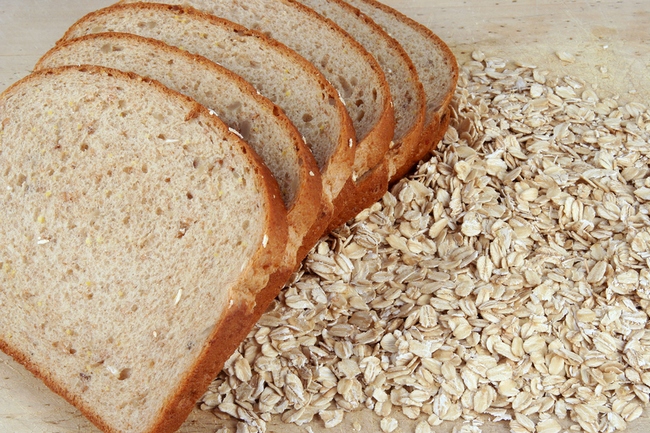
 You have probably heard this over and over again; what we eat can either cause cancer or prevent cancer. Top cancer experts have determined which foods we
Source: 20 Top Foods To Protect You From Cancer (You Knew About #15, Right?)
You have probably heard this over and over again; what we eat can either cause cancer or prevent cancer. Top cancer experts have determined which foods we
Source: 20 Top Foods To Protect You From Cancer (You Knew About #15, Right?)
Don’t say we didn’t warn you … New Year, new lease on smartwise eating … a great resolution to embrace today!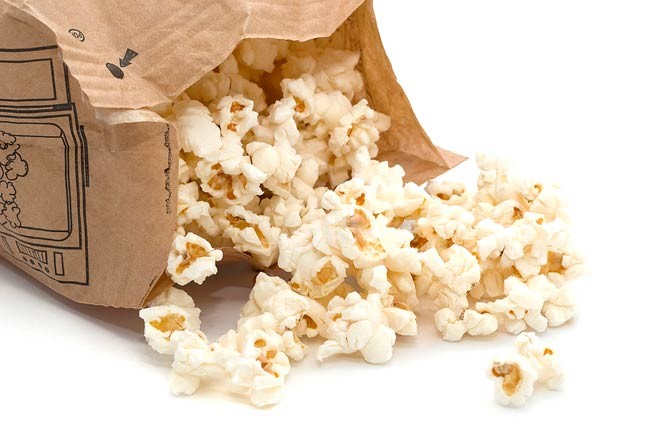 There are probably dozens of foods which would make this list, but let’s take a look at just the top 10 foods that you absolutely must avoid from your diet.
 Colon cancer, sometimes called bowel cancer, colorectal cancer, or rectal cancer, is the third most common type of cancer in the US. This type of cancer af
Source: 12 Easy Ways To Reduce Your Risk Of Colon Cancer (#4 Feels So Good!)
 Source: 21 Day Yoga Body!
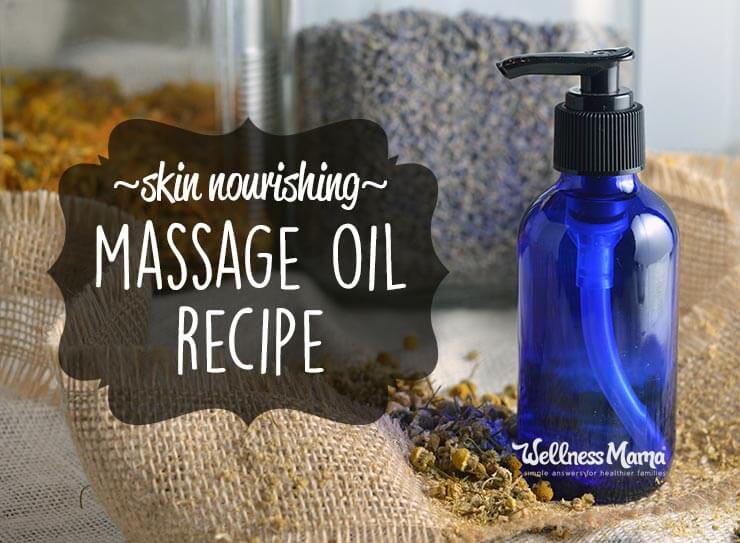 A simple massage oil recipe with a carrier oil like almond or jojoba infused with dried herbs and essential oils for relaxation and stress relief.
 Wonderful homemade beard oil recipe. This protects skin and hair with almond oil, jojoba, argan and essential oils.
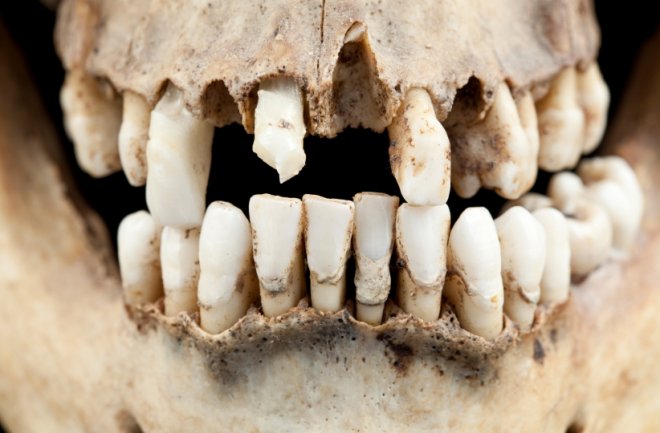 Mesolithic hunter-gatherers living on a meat-dominated, grain-free diet had much healthier mouths that we have today, with almost no cavities and gum disease-associated bacteria, a genetic study of ancient dental plaque has revealed. The international team of researchers, led by a group at the Australian Center for Ancient DNA, University of Adelaide, publish their findings in today’s Nature Genetics. The researchers extracted DNA from dental plaque from 34 prehistoric northern European human skeletons, and traced the changes in the nature of oral bacteria from the last hunter-gatherers to Neolithic and medieval farmers and modern individuals. “Dental plaque represents the only easily accessible source of preserved human bacteria,” said lead author Dr. Christina Adler, now associate lecturer in dentistry at the University of Sydney. The researchers found that the composition of bacteria changed with the introduction of farming and again 150 years ago, during the Industrial Revolution.
Source: Our Ancestors Had Better Teeth Than Us. Where Did Our Teeth Go Wrong? | World Truth.TV
 Laryngitis is usually caused by damage or too much stress in the vocal cords. Sore throat, dry cough, weak voice and hoarseness are some of the symptoms. We get
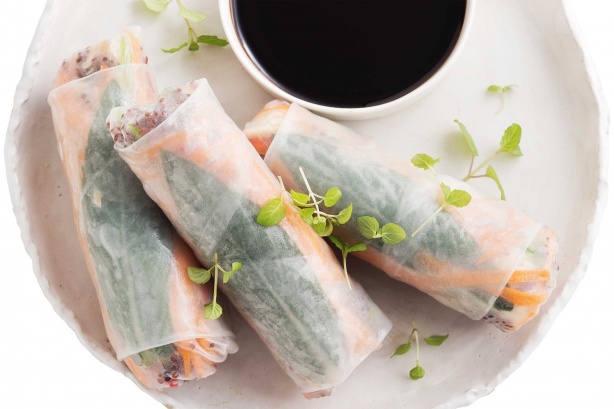
Roll up for this low-cal, low-fat and gluten-free lunch!
Ingredients:
Directions:
Place the quinoa in a bowl with the tamari and toss to combine.
Soak a rice paper wrapper in hot water for 10-20 seconds. Transfer to a clean tea towel to absorb excess water. Place a little of the quinoa in the middle of the rice paper. Top with one-sixth of the salmon, snow pea, capsicum, carrot and 2 of the mint leaves.
Roll up to enclose the filling. Place the roll under a slightly damp cloth (to prevent drying out). Continue with remaining rice paper and fillings, placing rolls under damp cloth.
Serve with extra tamari, if desired.
 A recent study from Finland suggests that exposure to animals in early childhood may play an important role in the development of a healthy immune system.
Source: Study Shows Exposure to Animals in Early Childhood Supports Immune Development | Wake Up World
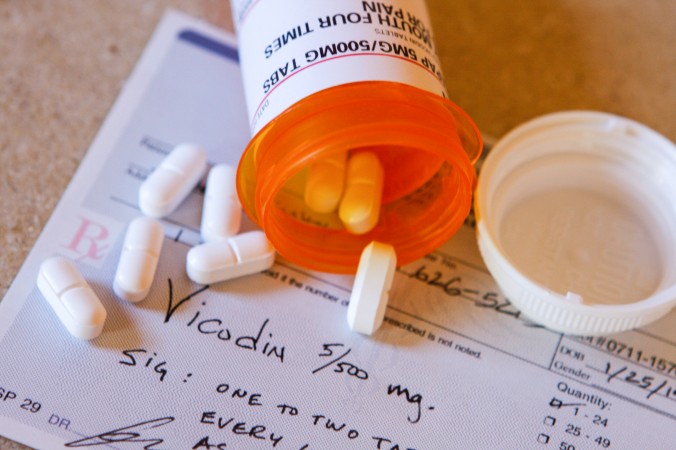 A bold federal effort to curb prescribing of painkillers may be faltering amid stiff resistance from drugmakers, industry-funded groups and, now, even other public health officials.
Source: Painkiller Politics: Effort to Curb Prescribing Under Fire
 About 90 percent of the US population has the herpes simplex virus (HSV), which leads to cold sores, eye infections, genital lesions, and, in rare cases, inflammation of the brain.
 This healthy vegetarian Mediterranean Quiche recipe is packed full of bright flavor and healthy veggies. Serve it for breakfast, brunch, lunch or dinner!
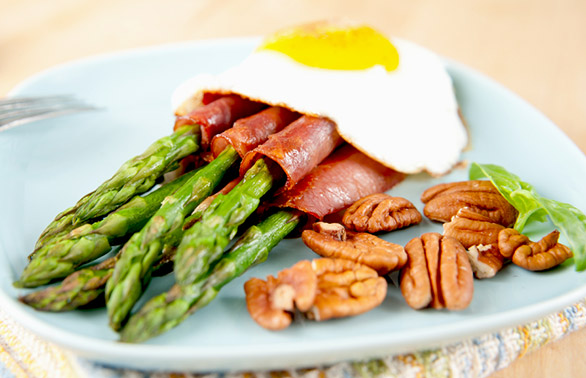 According to research conducted by James Cook University, a high-fat, low carbohydrate diet may be key in treating schizophrenia.
Source: How A High Fat, Low Carbohydrate Diet Could Help Treat Schizophrenia [Study]
 The Federal Government is spending $1 billion subsidising life-saving, groundbreaking treatments for Hepatitis C sufferers.
 This coconut smoothie has a special place in my heart because of its unique taste and easy recipe. This coconut smoothie will shed weight fast and skincare
 The Danish government has announced that it will convert the entire country’s agriculture into organic farming and sustainable.
 Health officials raise concerns about Zika virus, a denguelike infection spreading rapidly in the Americas.
Source: Zika Virus, Akin to Dengue Fever, Spreading in Americas
 For anyone who feels like there is not enough money, not enough energy, or not enough time in a day—consider this.
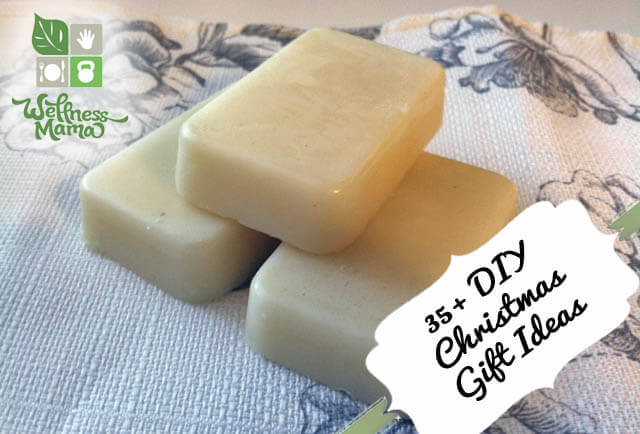 My favorite homemade natural Christmas gift ideas including lotions, body butters, herbal teas, chocolate, tinctures, sugar scrubs and more!
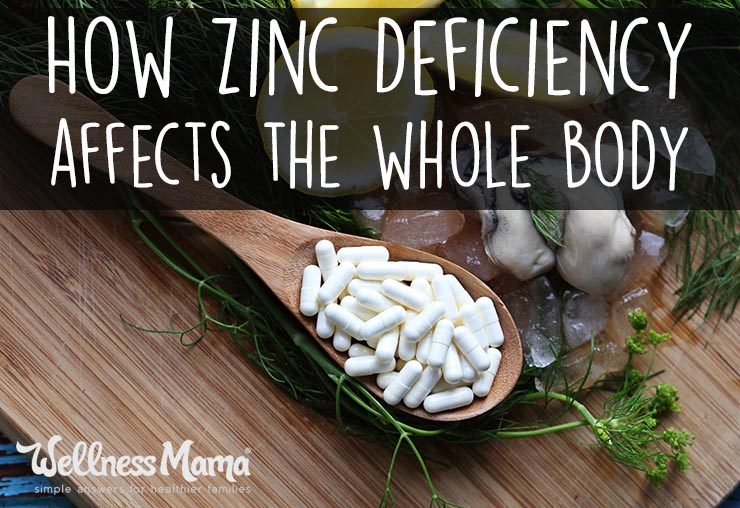 Zinc deficiency can affect immune function, skin hair and even pregnancy. Zinc from food or supplements is needed for fertility, pregnancy and nursing.
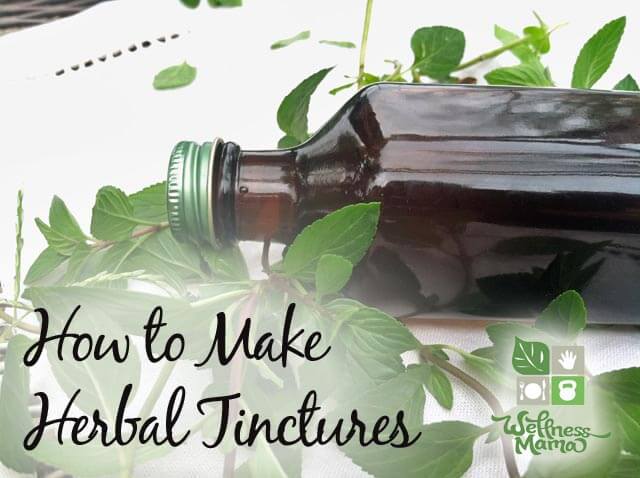 Herbal tinctures made from dried herbs are a great way to preserve and concentrate the benefits of the herbs. They are inexpensive to make and last for years!
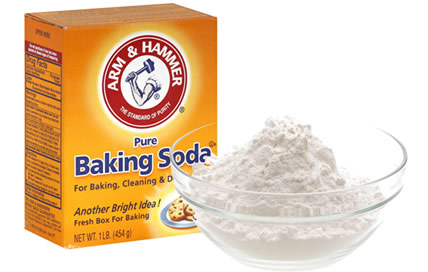 Even the most aggressive cancers which have metastasized have been reversed with baking soda cancer treatments. Although chemotherapy is toxic to all cells, it represents the only measure that oncologists employ in their practice to almost all cancer patients. In fact, 9 out of 10 cancer patients agree to chemotherapy first without investigating other less invasive options. Doctors and pharmaceutical companies make money from it. That’s the only reason chemotherapy is still used. Not because it’s effective, decreases morbidity, mortality or diminishes any specific cancer rates. In fact, it does the opposite. Chemotherapy boosts cancer growth and long-term mortality rates and oncologists know it. A few years ago, University of Arizona Cancer Center member Dr. Mark Pagel received a $2 million grant from the National Institutes of Health to study the effectiveness of personalized baking soda cancer treatment for breast cancer. Obviously there are people in the know who have understood
 Digest editor Judith Stamps calls into question whether doctors should be asked to play a major, mandated role in recommending cannabis
Source: Horses v Carts: How The Public is Mislead on the Subject of Medical Cannabis – Cannabis Digest
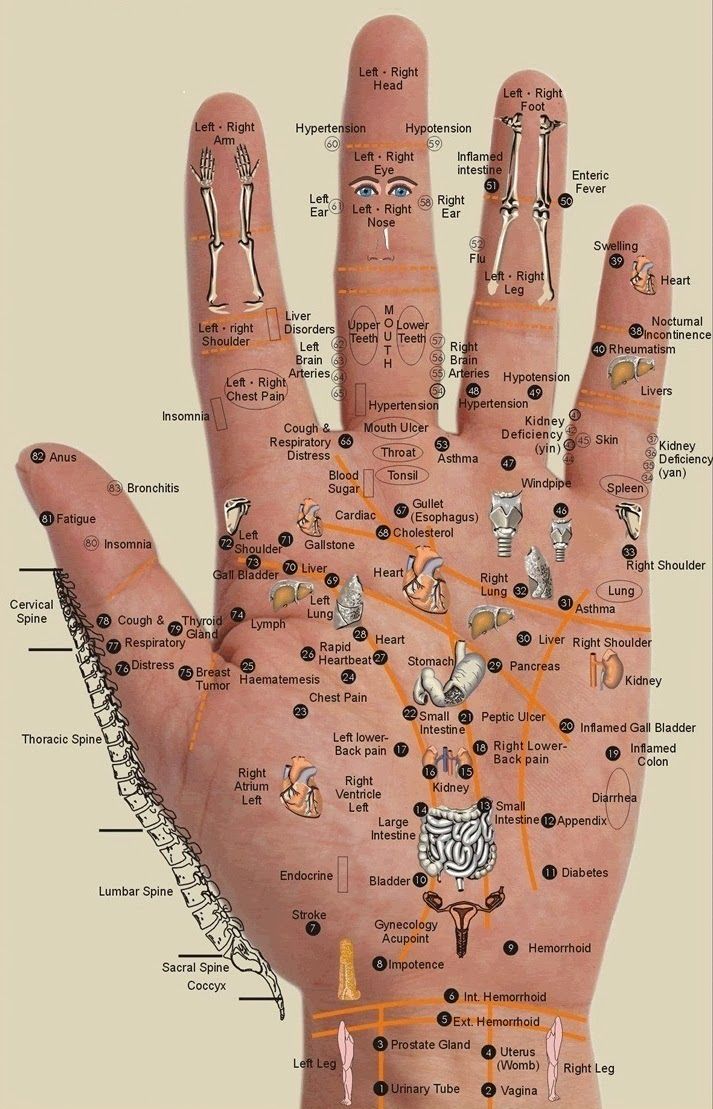 Everything is in the palm – press these points for what it hurts Instructions: • Press the thumb point, which means, what hurts you in the body – for 5 seconds • Release your thumb – 3 seconds. • Then press again … repeat this for several minutes. • When prolonged massage at least once a…
Source: Everything is in the palm of your hand – press these points for what it hurts | Feel Healthy Life
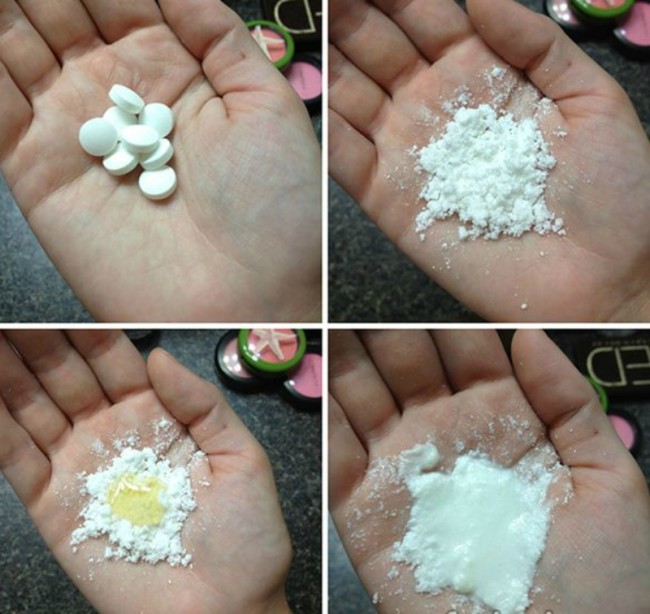 Aspirin is not vainly applied as an ingredient in cosmetic products for healthy hair and skin. It has anti-inflammatory and antibacterial properties. Furthermore is an excellent manner for removes dead cells and smoothes the skin roughness. To take advantage of the beneficial properties of aspirin for hair simply crush thoroughly 5-6 tablets and add them…
Source: Instant hair thickening with aspirin in shampoo ! | Feel Healthy Life
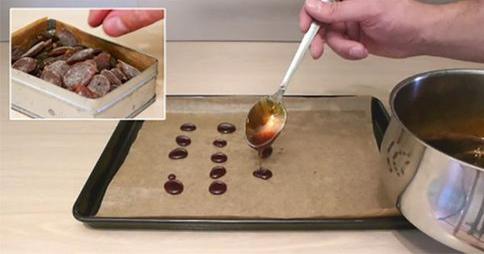 Never Buy Cough Medicine …We all know that coughs and colds are most common in winter season and unfortunately you cannot avoid them…here is how…RECIPE
Source: I’m NEVER Going To Buy Cough Medicine Again… I Wish I Knew This Before!

Winter hasn’t officially started yet, but you could’ve fooled me. Just about everyone I know has been fighting off some sort of cold or flu these past few weeks.
We all know the feeling – rummaging through the natural medicine cabinet with nose running and the first cough coming on, while the inner voice cries out “why me?!?!?” After all, once the symptoms start it’s normally at least a few days before they begin to go away.
One of the oldest medical texts in Traditional Chinese Medicine, known as the Nei Ching, states:
“To cure an illness after it arises is like forging weapons after the battle has started, or digging a well after you have become thirsty.”
But is it really too late?
Today I want to share a “super-herb” tea recipe that may be able to turn the tables on your cold or flu, in heroic fashion. It’s also wonderful for sore throats.
The leafy celebrity at the heart of this tasty potion is none other than sage, the sacred plant many of us burn routinely in our homes for its aromatic energy-clearing powers. Did you know that it also packs a serious wallop for colds, viruses and bacterial infections?
Also known as Salvia officianalis, sage is an antibacterial, antiviral, antimicrobial, anti-inflammatory, anti… pretty much anti-anything-that-feels-lousy.
All joking aside, this is a highly medicinal herb that is effective for a host of minor ailments like cold and flu, as well as major ones like cancer, Alzheimer’s, and diabetes.
Call me an earth medicine nerd, but I get so much joy working with powerful ancient plants like these. They leave modern medicine in the dust, and feel like teachers in your body when you take them!
Below is a delicious sage tea recipe that master herbalists swear by because of its fast-acting effects:
Sage Tea Recipe
*Important: never use aluminum utensils or containers for your tea extractions. Glass, porcelain, silver, and Pyrex are best!
Ingredients:
1 Quart Water
12 Fresh Sage Leaves (Dry is ok too, but fresh is more potent!)
2 Tablespoons Local Honey
2 Tablespoons Fresh Lemon Juice
A pinch of Cayenne Pepper
Preparation:
1. In a teapot or saucepan, bring water to a boil.
2. Add the sage leaves and remove the teapot or saucepan from heat.
3. Let steep for 15 minutes.
4. Stir in the remaining ingredients.
5. Pour a cup full, breath in the beautiful aroma, say a healing blessing, and enjoy!
Two to three cups of sage tea per day is always part of the winter sickness healing protocol in my house. Sage is generally viewed as being a very safe herb to experiment with, but as always, do your own research and make sure it feels right for you.
Whether you celebrate Saturnalia, Christmas, Kwanzaa, Hanukkah, or abstain completely from all the commotion, one thing is for sure – life is a lot more enjoyable when you’re upright and vibrant. Hopefully this information will help you enjoy the fullness of the upcoming winter solstice!
Find Your Magic
Tarot Readings, Inspiration, and Self-Empowerment
Making life on earth magick one moon phase at a time.
Astrologer ~ Mystic ~ Writer
of the Collegium Spiritus Sancti, a Golden Dawn Society
An affiliate of the Alpha et Omega Order of Melchizedek
All Knowledge Is Not Contained In Only One School
Connecting the grant community to #LearnGrants
Channelings & Articles
Magic Spell Books & Grimoires
Native Hawaiian Language Revitalization
Poetry & Tales of Love, Mystery, Magic and Spirituality
Organic Herbs, Herbals, Sustainable Gardening
Mother Nature: Feeding The Mind, Body & Soul, with Food, Medicine & Skincare.
"Inheritor of a Dying World, we call thee to the Living Beauty. Wanderer in the Wild Darkness, we call thee to the Gentle Light..."
Time is the most important thing we've been given
Embracing the Divine Within.
"...That I should bear witness to the truth." - John 18:37 // David E. Robinson, Publisher



 Hālau 'Aha Hui Lānākila