Daily Words of the Buddha for February 12, 2017

Pāli Word a Day for February 12, 2017  --  tappetar — one who satisfies, a giver of good things
Pāli Word a Day for February 12, 2017 —  tappetar — one who satisfies, a giver of good things

Attanā hi kataṃ pāpaṃ, attanā saṃkilissati;
attanā akataṃ pāpaṃ, attanāva visujjhati.
Suddhī asuddhi paccattaṃ:
nāñño aññaṃ visodhaye.

By doing evil, one defiles oneself;
by avoiding evil, one purifies oneself.
Purity and impurity depend upon oneself:
no one can purify another.

Dhammapada 12.165
Gemstones of the Good Dhamma, compiled and translated by Ven. S. Dhammika

Daily Words of the Buddha for February 11, 2017

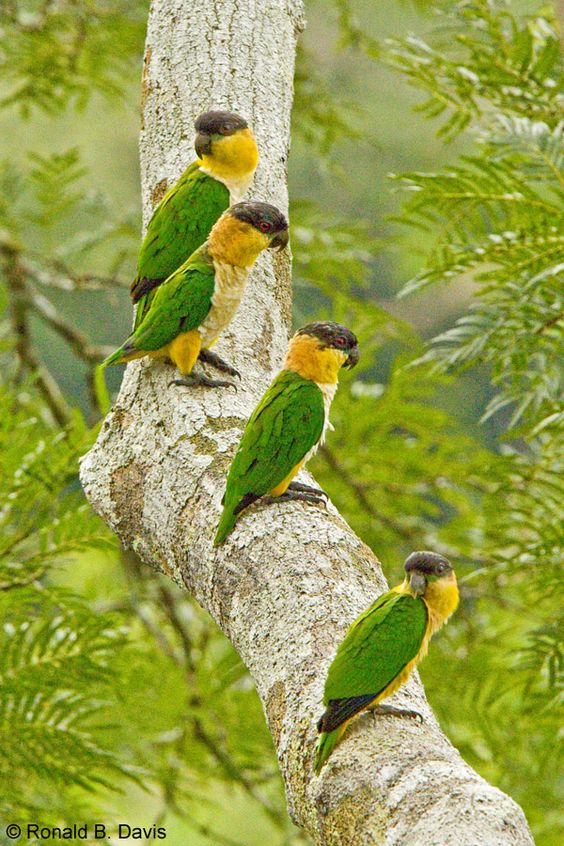
caiques
Pāli Word a Day for February 11, 2017 – anamatagga — without beginning or end, epithet of saṃsāra “whose beginning and end are alike unthinkable”.

Dānañca, peyyavajjañca,
atthacariyā ca yā idha,
samānattatā ca dhammesu,
tattha tattha yathārahaṃ;
ete kho saṅgahā loke
rathassāṇīva yāyato.

Generosity, kind words,
doing a good turn for others,
and treating all people alike:
these bonds of sympathy are to the world
what the linchpin is to the chariot wheel.

Jātaka 20
Gemstones of the Good Dhamma, compiled and translated by Ven. S. Dhammika

Meditation (9 hours!):  OM SO HUM Mantra sung by CHOIR ** EXTREMELY POWERFUL ** Mantra Meditation Music ॐ M1012 – YouTube

MEDITATION: OM SO HUM
(9 hours … play this in the background at home or while you sleep!)

So Hum is derived from Sanskrit and literally means “I am That” . it means identifying oneself with the universe or ultimate reality. As we meditate on this, we realize that we are all one, we have all come from one Infinite Source, and a part (Ansh) of that infinite source is present in all of us. We are all connected.

“You are the same as I am” OM is the sound of universe. Om So Hum ~ I am the universe, I am part of it, I am connected to that Infinite source.

See you folks on the Astral … Flying high on the Wings of OMMM!

Daily Words of the Buddha for February 04, 2017

flower1
Pāli Word a Day for February 04, 2017 — vītasoka – vīta + soka = free from + grief — free from sorrow, grief, mourning

Pabbatassa suvaṇṇassa,
jātarūpassa kevalo
dvittāva nālamekassa:
iti vidvā samañcare.

Were there a mountain all made of gold,
doubled that would not be enough
to satisfy a single person:
know this and live accordingly.

Saṃyutta Nikāya 1.156
Gemstones of the Good Dhamma, compiled and translated by Ven. S. Dhammika

Daily Words of the Buddha for January 28, 2017


Pāli Word a Day for January 28, 2017 --  akutobhaya — that which has nothing to fear from anywhere
Pāli Word a Day for January 28, 2017 — akutobhaya — that which has nothing to fear from anywhere

Attānañce piyaṃ jaññā
na naṃ pāpena saṃyuje,
na hi taṃ sulabhaṃ hoti
sukhaṃ dukkaṭakārinā.

If you hold yourself dear
then don’t fetter yourself with evil,
for happiness isn’t easily gained
by one who commits a wrong-doing.

Saṃyutta Nikāya 1.115
Translated from the Pali by Thanissaro Bhikkhu

Daily Words of the Buddha for January 27, 2017

st-george-cathedral-perth
Pāli Word a Day for January 27, 2017 — anāvattin — one who does not return

Jayaṃ veraṃ pasavati.
Dukkhaṃ seti parājito.
Upasanto sukhaṃ seti,
hitvā jayaparājayaṃ.

Winning gives birth to hostility.
Losing, one lies down in pain.
The calmed lie down with ease,
having set winning and losing aside.

Dhammapada 15.201
Translated from the Pali by Thanissaro Bhikkhu

Daily Words of the Buddha for January 24, 2017

shutterstock_330221405-672x372
Pāli Word a Day for January 24, 2017 — ropaka — sapling

Anatthajanano doso,
doso cittappakopano;
bhayamantarato jātaṃ
taṃ jano nāvabujjhati.

Hate brings great misfortune,
hate churns up and harms the mind;
this fearful danger deep within
most people do not understand.

Itivuttaka 3.88
Gemstones of the Good Dhamma, compiled and translated by Ven. S. Dhammika

AstroTheology – “As Above, So Below”, with Santos Bonnacci

This Science of ‘as above so below’ is the most ancient universal system of harmonizing man with his natural surrounds! The stars above and the stars below, i.e.: our own bodies. Mankind is in harmony with Nature only when he realizes that he is the microcosm of the Universe and a Galaxy unto himself.

Man has lost this profound knowledge over the past few thousand years due to the Precession of the Equinoxes. The dark history of the recent past was foretold by the ancients. Hesiod, Hermes and many others foretold a time when the understanding of the sacred truths would become obscure and the knowledge would have to go underground to be preserved for a future time. That time has now arrived.


Daily Words of the Buddha for January 20, 2017

chrysanthemum
Pāli Word a Day for January 20, 2017 — parama — the ultimate

Sabbā āsattiyo chetvā,
vineyya hadaye daraṃ,
upasanto sukhaṃ seti,
santiṃ pappuyya cetasā.

With all one’s attachments cut,
with the heart’s pining subdued,
calm and serene and happy is one,
for one has attained peace of mind.

Saṃyutta Nikāya 1.242
Gemstones of the Good Dhamma, compiled and translated by Ven. S. Dhammika

Meditation

ice-portal


“Any Bodhisattva who undertakes the practice of meditation should cherish one thought only: ‘When I attain perfect wisdom, I will liberate all sentient beings in every realm of the universe, and allow them to pass into the eternal peace of Nirvana.’ And yet, when vast, uncountable, unthinkable myriads of beings have been liberated, truly no being has been liberated. Why? Because no Bodhisattva who is a true Bodhisattva entertains such concepts as ‘self’ and ‘other’. Thus there are no sentient beings to be liberated and no self to attain perfect wisdom…The Buddha has no doctrine to convey. The truth is ungraspable and inexpressible. It neither is nor is not … All Bodhisattvas should develop a pure, lucid mind that doesn’t depend on sight, sound, touch, flavor, smell or any thought that arises in it. A Bodhisattva should develop a mind that alights nowhere. The mind should be kept independent of any thoughts that arise within it. If the mind depends upon anything, it has no sure haven…When I attained Absolute, Perfect Enlightenment, I attained absolutely nothing. That is why it is called Absolute, Perfect Enlightenment.”

~ Diamond Sutra

Daily Words of the Buddha for January 13, 2017

waterfall
Pāli Word a Day for January 13, 2017 — dhaja — a flag, banner; mark, emblem, sign, symbol

Uṭṭhānako analaso,
Āpadāsu na vedhati,
Acchinnavutti medhāvī,
Tādiso labhate yasaṃ.

Who is energetic and not indolent,
In misfortune unshaken,
Flawless in manner and intelligent,
Such a one to honour may attain.

Dīgha Nikāya 3.273
Everyman’s Ethics: Four Discourses by the Buddha (WH 14), translated by Narada Thera

About Anger – by Zuli Masi

boatA Lesson About Anger … by our very good friend, Zuli Masi, a former Buddhist monk living in Chile …


A monk decides to meditate alone, away from his monastery. He takes his boat out to the middle of the lake, moors it there, closes his eyes and begins his meditation. After a few hours of undisturbed silence, he
suddenly feels the bump of another boat colliding with his own.

With his eyes still closed, he senses his anger rising, and by the time he opens his eyes, he is ready to scream at the boatman who dared disturb his meditation. But when he opens his eyes, he sees it’s an empty boat that had probably got untethered and floated to the middle of the lake.

At that moment, the monk achieves self-realization, and understands that the anger is within him; it merely needs the bump of an external object to provoke it out of him. From then on, whenever he comes across someone who irritates him or provokes him to anger, he reminds himself, “The other person is merely an empty boat. The anger is within me.”

Daily Words of the Buddha for January 05, 2017

annapurna-mountain-range-nepal
Pāli Word a Day for January 05, 2017 — nibhā — shine, lustre, splendor

Maraṇenapi taṃ pahīyati
yaṃ puriso mamidanti maññati.
Etampi viditvā paṇḍito,
na mamattāya
nametha māmako.

At death a person abandons
what one construes as mine.
Realizing this, the wise
shouldn’t incline
to be devoted to mine.

Sutta Nipāta 4.812
Translated from the Pali by Thanissaro Bhikkhu

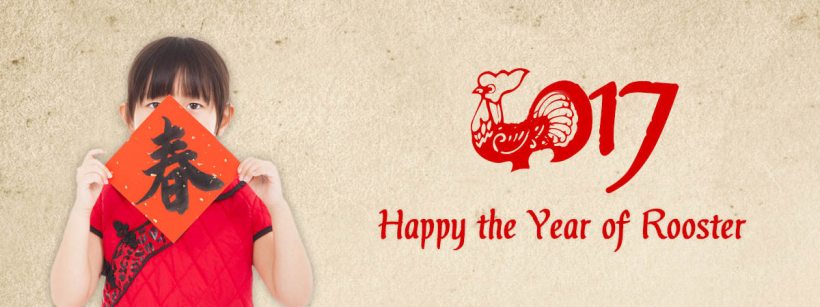
Get Ready for Chinese New Year 2017 – Year of the Rooster – January 28, 2017

chinese-new-year-2017-wallpaper

GET READY FOR CHINESE NEW YEAR 2017

JANUARY 28, 2017 – FEBRUARY 15, 2018

YEAR OF THE FIRE ROOSTER – It is a particularly special year as it has one month more (13 months in total) than the rest of the years. This month (闰月, rùnyuè) was added to the Chinese calendar to balance the lunar months with the annual solar calendar.

The rooster ranks tenth of all the animals in the Chinese zodiac. The rooster is a clever animal who is frequently compared to a smart person. Image is all important to the Fire Rooster; he spends a lot of time making himself look good, making him appear vain. He is flaunty and dramatic, yet he is a brilliant social organizer who loves to plan parties and gatherings.

Fire Roosters tend to be bossy and this, combined with their bluntness, can cause hurt feelings and bruised egos amongst colleagues. Still, these Roosters make great leaders, who are creative, diligent and motivated.

Likely Vocations for Rooster people: Roosters are more motivated than any other animal in the Chinese Zodiac. They are multi-talented. Good career choices are: trouble-shooter, detective, doctor, surgeon, psychiatrist, actor, dancer, musician, restaurateur, publicist, travel writer, journalist, soldier, athlete, teacher, police officer, book keeper, accountant.

The Rooster’s blunt manner and direct approach to life makes them poor diplomats. Rooster women are devoted to duty and seldom boast. They have exceptional vitality and patience and do well in jobs requiring carefulness and flexibility, like social work and teaching.

Rooster’s likes and aversions:

Colours: gold, brown, yellow, peach. Avoid: white, green.
Numbers: 5, 7, 8. Avoid: 3, 9, 1.
Flowers: gladioli, cockscomb, impatiens.
Gems: diamond, ruby, topaz.

Compatible with: Ox, Dragon, Snake. Avoid: Rabbit, Rat, and Dog. Hobbies: fishing, gardening, climbing, swimming, hiking.

 

Daily Words of the Buddha for December 29, 2016

cat-garden
Pāli Word a Day for December 29, 2016 – pāvaka — pure, bright, clear, shining

Ayasāva malaṃ samuṭṭhitaṃ
tatuṭṭhāya tameva khādati,
evaṃ atidhonacārinaṃ
sāni kammāni nayanti duggatiṃ.

Just as rust arising from iron
eats away the base from which it arises,
even so, their own deeds
lead transgressors to states of woe.

Dhammapada 18.240
 The Dhammapada: The Buddha’s Path of Wisdom, translated from the Pali by Acharya Buddharakkhita

The Oldest University in the World May Not Be Where You Think And the Founder May Also Surprise You | Ancient Origins

Here’s proof that “all knowledge is not contained in only one school.”

Although many people would imagine that the oldest university in the world is in Europe or China, it’s not. The oldest standing university on Earth is in Morocco. Founded in 859 AD, Al-Qarawiyyin is recognized by UNESCO and the Guinness World Records as the oldest existing …

Source: The Oldest University in the World May Not Be Where You Think And the Founder May Also Surprise You | Ancient Origins

Daily Words of the Buddha for December 20, 2016

26ce9257f21b61dbd34169c66f66a7f8
Pāli Word a Day for December 20, 2016 — anuṇṇata — not raised, not elated, not haughty, humble

Attā hi attano nātho;
ko hi nātho paro siyā?
Attanā hi sudantena,
nāthaṃ labhati dullabhaṃ.
One truly is the protector of oneself;
who else could the protector be?
With oneself fully controlled,
one gains a mastery that is hard to gain.

Dhammapada 12.160
The Dhammapada: The Buddha’s Path of Wisdom, translated from the Pali by Acharya Buddharakkhita

Daily Words of the Buddha for December 19, 2016

lanzo-torinese_ponte-del-diavolo%ef%bb%bf
Pāli Word a Day for December 19, 2016 — ābhāsa — light, radiance; appearance

Mettañca sabbalokasmi,
mānasaṃ bhāvaye aparimāṇaṃ:
Uddhaṃ adho ca tiriyañca,
asambādhaṃ averamasapattaṃ.

With good will for the entire cosmos,
cultivate a limitless heart:
Above, below, & all around,
unobstructed, without hostility or hate.

Sutta Nipāta 1.150
 Translated from the Pali by Thanissaro Bhikkhu

Daily Words of the Buddha for December 18, 2016

banaras-india

Attānaṃ ce tathā kayirā;
yathāññamanusāsati,
sudanto vata dametha.
Attā hi kira duddamo.

One should do what one teaches others to do;
if one would train others,
one should be well controlled oneself.
Difficult, indeed, is self-control.

Dhammapada 12.159
The Dhammapada: The Buddha’s Path of Wisdom, translated from the Pali by Acharya Buddharakkhita

Know the body, don’t say no to the body | Acharya Prashant – Words into Silence

The only way to live as the one beyond the body is to realize the body; is to see that the body is the body. Now, that appears very close to saying the body is the body and I am not the body, but n…

Source: Know the body, don’t say no to the body | Acharya Prashant – Words into Silence