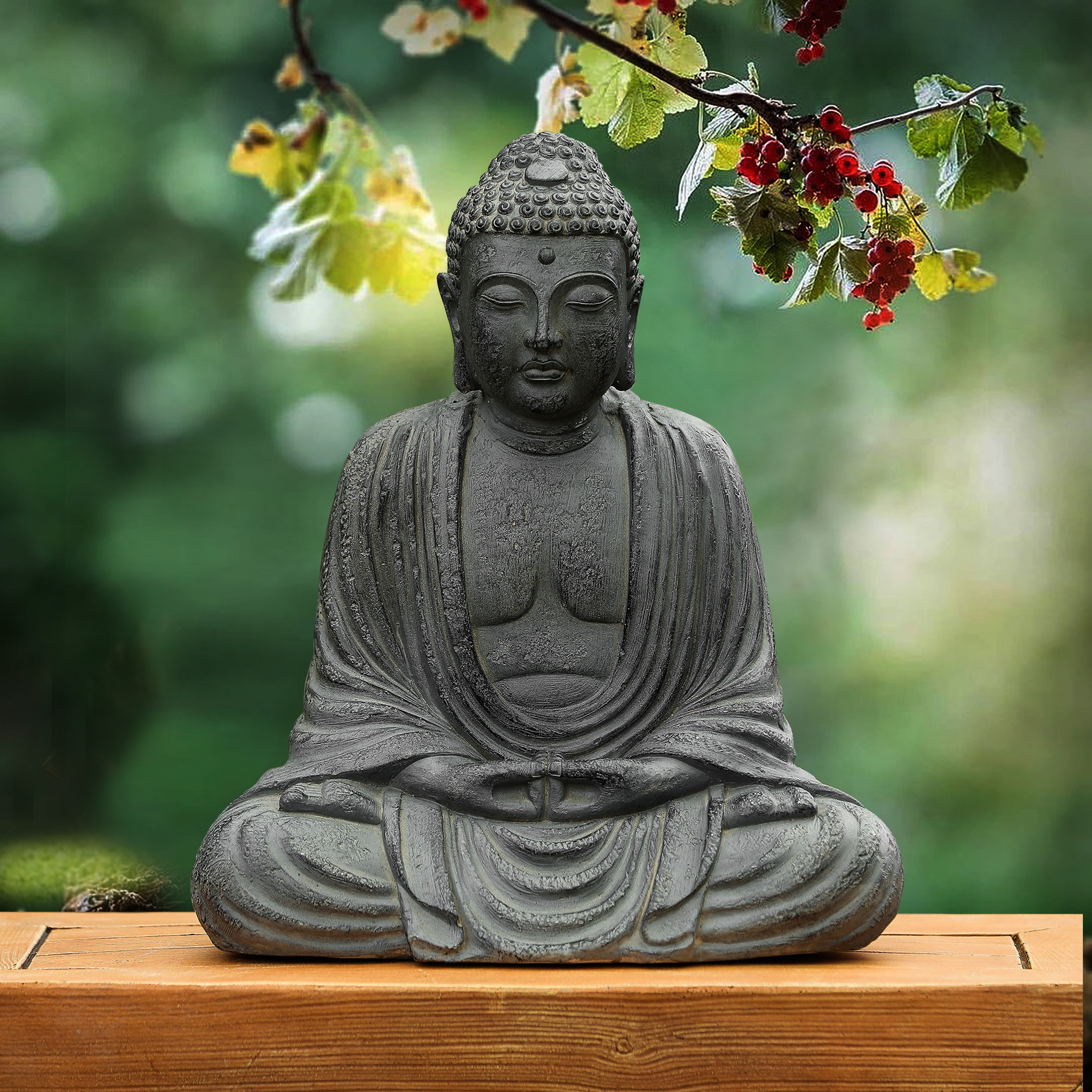
Daily Meditation Moments


Sukha vyāpe isa jagata meṅ,
dukhiyā rahe na koya.
Jana jana mana jāge Dharama,
jana jana sukhiyā hoya.
Jana jana maṅgala hoya,
sabakā maṅgala hoya.
May happiness spread through the world,
may no one remain wretched,
may the Dhamma arise in the minds of all,
may everyone be contented,
may everyone be happy,
may all be happy.
–S.N. Goenka
Visible or invisible,
may all beings be happy,
pure-minded, without enmity;
may all be freed of ills.
–S.N. Goenka

Jaise mere dukha kaṭe,
sabake dukha kaṭa jāṅya.
Jaise mere dina phire,
sabake dina phira jāṅya.
As my suffering was cut off,
may the suffering of all be ended.
As my life was renewed,
may that of all be changed.
–Translation by S.N. Goenka

Pathavisamo no virujjhati,
indakhilupamo tādi subbato,
rahadova apetakaddamo
saṃsārā na bhavanti tādino.
There is no more worldly existence for the wise one who,
like the earth, resents nothing,
who is firm as a high pillar
and as pure as a deep pool free from mud.
Dhammapada 7.95
The Dhammapada: The Buddha’s Path of Wisdom, translated from Pāli by Acharya Buddharakkhita

Pathavisamo no virujjhati,
indakhilupamo tādi subbato,
rahadova apetakaddamo
saṃsārā na bhavanti tādino.
There is no more worldly existence for the wise one who,
like the earth, resents nothing,
who is firm as a high pillar
and as pure as a deep pool free from mud.
Dhammapada 7.95
The Dhammapada: The Buddha’s Path of Wisdom, translated from Pāli by Acharya Buddharakkhita

Man is the sole being in the natural order who is not compelled to pursue the same road invariably.
Claude De St. Martin
The Mundaka Upanishad provides the archetypal image of the spiritual archer. His is the unremitting quest for divine wisdom, seeking complete unison with Brahman, the ultimate Reality. In this quest there must be no thoughtlessness. Lack of thought is a serious impediment to the cultivation of skill in the art of creative action. At the same time, The Voice of the Silence enjoins disciples to free themselves from all particular thoughts and be attuned to All-Thought.
Thou hast to reach that fixity of mind in which no breeze, however strong, can waft an earthly thought within. Thus purified, the shrine must of all action, sound, or earthly light be void; e’en as the butterfly, o’ertaken by the frost, falls lifeless at the threshold — so must all earthly thoughts fall dead before the fane.
Wherein lies the difference between thoughtlessness and that state of transcendence which is rooted in a serene identification with the Divine Mind?
There are myriad paradoxes in relation to the spiritual path, as everyone knows who makes a strenuous attempt to incarnate in daily life the immeasurable wisdom of Brahma Vach. These paradoxes are pertinent for anyone who is in earnest, who is not merely ready to plunge into the stream, but who has already entered the stream as a srotapatti and laved in its rushing waters. There are those who delay this crucial step for lifetimes, even after the privilege of coming into the orbit of great Teachers from the Lodge of Mahatmas. They are afraid to take the first step into the stream. But those who have soaked in the struggle know that the recurring paradoxes are far from being instantly resolved, especially by the ratiocinative mind with its obsessive craving for certitude. Mystical paradoxes deepen as veil upon veil lifts and one finds veil upon veil behind. This must be so, for otherwise we would live in a static universe and Mahatmas would be but icons to be worshipped, like the discarded archangels of the past, periodically placated out of fear or the wish for favours. There is none of this in the vast philosophical cosmogony of The Secret Doctrine. It postulates one universal stream of consciousness which, at its source, is unconditioned and beyond all forms, qualities, colours and representations, beyond every finite locus in spacetime. But equally, within this immense stream of encompassing and transcending consciousness, everything counts. Every being is significant and every single error has its consequence. It is difficult to accommodate so awesome a conception within one’s mind and to insert one’s own odyssey into the vaster odyssey of all. There is nothing in our upbringing, nothing in the limiting language of common conversation and trivial talk, that can sufficiently prepare one for the grandeur of the enterprise, so that one may feel the authentic joy of comradeship with the mightiest men of meditation. They are the immortal embodiments of universal Mahat who can, with a casual, relaxed and joyful sense of proportionality hit the mark amidst the limitations of collective Karma. This means, paradoxically, that they cannot hit the mark every single time either, and this too is involved in hitting the mark.
The root of these paradoxes in relation to thoughtfulness and transcendence lies in the insuperable problem of formulating the aim. The aim cannot be anything less than Brahman. That is the eternal hope. Every single act can have that aim because each act focuses upon a specific target in time and space which is Brahman. That is, at one level, the joy and the absurdity of it. In every act of manifestation — bathing, walking, mailing a message — the Logos is present. There is a sense in which the aim — the transcendental Brahman — is present in each moment of time as well as in every act at each point of space and in every thought. What, then, obscures the aim of a manifold human being of becoming totally one and remaining constantly attuned to Brahman? Why does a person need the sacred OM as the bow and to be continually tuning all one’s instruments? Can one ever receive in a world of shadowy knowledge any real teaching concerning the inward meaning of the Soundless Sound? Who will teach the true intonation of the OM and everything to which it corresponds in thought, motive, act and feeling? As the mystery deepens, one must come to recognize that even in the largest perspectives of life, one can discern something that is false and which obscures still greater realities.
The correction that needs to be made in the lesser perspective is archetypally related to the correction needed in the larger perspective. Whenever one has a sense of self-encouraging exaggeration — not only verbally or in terms of external expression, but in the feeling-content and motivational coloration of particular thoughts — there is falsity and distortion. Brahman could not be in everything if each single thing does not appropriately mirror Brahman and, in an ever-changing universe, recede into non-being. There is an intrinsic illusoriness in the shadowy self that emerges like a smoky haze. In Platonic language, this temporary excess necessarily implies temporal deficiency and therefore imbalance. This may become obsessional — like infatuation — and all cognate thoughts are thereby tainted. The condition is even worse for a person lacking in mental steadiness. One discovers this speedily when one really wants to concentrate on something and even more painfully when one sits down to meditation. The moment one tries to meditate on that which is above and beyond and includes all, one confronts limitations in one’s conception of selfhood. There is no way even to ponder the profoundest of vows, the holiest motive of the Bodhisattvas, in relation to the ceaseless quest for the sake of every sentient being. One will encounter a multitude of hindrances. Most thoughts are premature, feeble and abortive. One is not truly awake, but is rather in a dizzy phantasmagoria in which distorted shadows flit. Through an illusory sense of self, one is attached to a misshapen bundle of memories and identified with a form, an image and a name. Persisting thoughtlessness means that one has fallen into a state of fragmented consciousness, and this is not only owing to the imperfections shared with all other human beings, but also through an irreverent attitude to the vestures brought over from previous lives. Such are the scars of failures from former times of opportunity to strengthen and perfect the spiritual will for the sake of universal good. Myriad are the ways in which many souls have frequently failed over an immense period of evolution.
Raghavan Iyer
The Gupta Vidya II

Sukhā virāgatā loke,
Kāmānaṃ samatikkamo;
Asmimānassa yo vinayo —
etaṃ ve paramaṃ sukhaṃ.
Blissful is passionlessness in the world,
The overcoming of sensual desires;
But the abolition of the conceit I am —
That is truly the supreme bliss.
Udāna 2.11
The Udāna and the Itivuttaka, trans. John D. Ireland

Bahumpi ce saṃhita bhāsamāno,
na takkaro hoti naro pamatto,
gopova gāvo gaṇayaṃ paresaṃ,
na bhāgavā sāmaññassa hoti.
Much though one recites the sacred texts,
but acts not accordingly,
that heedless one is like a cowherd
who only counts the cows of others —
one does not partake of the blessings of the holy life.
Dhammapada 1.19
The Dhammapada: The Buddha’s Path of Wisdom, translated from Pāli by Acharya Buddharakkhita

Idha socati pecca socati;
pāpakārī ubhayattha socati.
So socati so vihaññati,
disvā kammakiliṭṭhamattano.
The evil-doer grieves here and hereafter;
one grieves in both the worlds.
One laments and is afflicted,
recollecting one’s own impure deeds.
Dhammapada 1.15
The Dhammapada: The Buddha’s Path of Wisdom, translated from Pāli by Acharya Buddharakkhita

At this pivotal time in history, may we accelerate our evolutionary progress by aligning with Divinity in a more deliberate and inspired way. As the world ebbs and flows, may we see it as a chance to anchor the vibration of peace, expanding access points into higher timelines and realities for all sentient beings.
May our hearts become portals of prayerful response. May our words be expressed as the power of intention continually set into motion.
May our choices be offered as demonstrations of the change we wish to see—regardless of how the collapsing of collective ego structures continues to play out. May we remember the malleable nature of the fabric of time that can be accelerated into new chapters of grace and resolve as we dare to live in greater alignment with heart-centered consciousness.

Asāre sāramatino
sāre cāsāradassino,
te sāraṃ nādhigacchanti,
micchāsaṅkappagocarā.
Those who mistake the unessential to be essential
and the essential to be unessential,
dwelling in wrong thoughts,
never arrive at the essential.
Dhammapada 1.11
The Dhammapada: The Buddha’s Path of Wisdom, translated from Pāli by Acharya Buddharakkhita

Sa vedagū,
Vūsitabrahmacariyo,
Lokantagū,
Pāragatoti vuccatī.
One who is a master of knowledge,
Who has lived the holy life,
Is called one gone to the world’s end,
One who has reached the further shore.
Itivuttaka 4.109
The Udāna and the Itivuttaka, trans. John D. Ireland

Thoroughly understanding the Dhamma
and freed from longing through insight,
the wise one rid of all desire
is calm as a pool unstirred by wind.
Itivuttaka 3.92
Gemstones of the Good Dhamma, compiled and translated by Ven. S. Dhammika

Yañca kāmasukhaṃ loke,
yañcidaṃ diviyaṃ sukhaṃ,
taṇhakkhayasukhassete,
kalaṃ nāgghanti soḷasiṃ.
Any sensual bliss in the world,
any heavenly bliss,
isn’t worth one sixteenth-sixteenth
of the bliss of the ending of craving.
Udāna 2.12
Translated from Pāli by Thanissaro Bhikkhu

Yo ca vassasataṃ jīve
apassaṃ udayabbayaṃ
ekāhaṃ jīvitaṃ seyyo
passato udayabbayaṃ.
Better it is to live one day
seeing the rise and fall of things
than to live a hundred years
without ever seeing the rise and fall of things.
Dhammapada 8.113
The Dhammapada: The Buddha’s Path of Wisdom, translated from Pāli by Acharya Buddharakkhita


Yo ca vassasataṃ jīve
dussīlo asamāhito
ekāhaṃ jīvitaṃ seyyo
sīlavantassa jhāyino.
Better it is to live
one day virtuous and meditative
than to live a hundred years
immoral and uncontrolled.
Dhammapada 8.110
The Dhammapada: The Buddha’s Path of Wisdom, translated from Pāli by Acharya Buddharakkhita
Geometric Art has fascinated me for a long time in many ways and in this video I wanted to demonstrate how geometric form connects the different layers of our realities and I wanted to inspire you to reflect upon the connections that are demonstrated in this video. It has been a long journey leading up to this video. This introduction video summarizes my understanding of Geometric Design & Art. Something that I wanted to do for a long time but was not yet capable of because of the vast amount of information related to this knowledge. I have finally finished a part of the challenge. Yet it essentially is nothing more than a short introduction of this subject. And this video is also in many ways an introduction to the course that I have been working on called “Journal Series’. If you are interested in signing up for the course then you can sign up for the course on the website below the video.

Sukho viveko tuṭṭhassa,
sutadhammassa passato.
Abyāpajjaṃ sukhaṃ loke —
pāṇabhūtesu saṃyamo.
Solitude is happiness for one who is content,
who has heard the Dhamma and clearly sees.
Non-affliction is happiness in the world —
harmlessness towards all living beings.
Udāna 2.11
Gemstones of the Good Dhamma, compiled and translated by Ven. S. Dhammika

Sabbadā sīlasampanno,
paññavā susamāhito;
ajjhattacintī satimā,
oghaṃ tarati duttaraṃ.
In every virtue all-accomplished,
with wisdom full and mind composed,
looking within and ever mindful–
thus one crosses the raging flood.
Sutta Nipāta 1.176
Gemstones of the Good Dhamma, compiled and translated by Ven. S. Dhammika

Manopubbaṅgamā dhammā;
manoseṭṭhā manomayā.
Manasā ce pasannena
bhāsati vā karoti vā,
tato naṃ sukhamanveti
chāyāva anapāyinī.
Mind precedes all things;
mind is their chief, mind is their maker.
If one speaks or does a deed
with a mind that is pure within,
happiness then follows along
like a never departing shadow.
Dhammapada 1.2
Gemstones of the Good Dhamma, compiled and
translated by Ven. S. Dhammika

1. “If you live in fear, you will not live long.” – Miyamoto Musashi2. “Embrace death without fear, and you shall never truly die.” – Yamamoto Tsunetomo3. “True strength lies not in the arm but in the soul.” – Samurai proverb4. “A true hero is one who knows when to restrain and when to act.” – Minamoto Yoshitsune5. “If you want to win, teach your opponent how to fight.” – Samurai proverb6. “Do not let the past control your present, and do not let the fear of the future rob you of your ability to live in the present.” – Miyamoto Musashi7. “A Samurai always keeps his word, no matter how small the promise.” – Samurai proverb8. “Do not hesitate to face challenges, for it is through them that you can become the best version of yourself.” – Samurai saying9. “The patience of a Samurai is not the acceptance of failure but the ability to improve step by step.” – Unknown10. “If you do not have the courage to face yourself, how can you face the world?” – Samurai proverb

Kāmaṃ kāmayamānassa,
tassa ce taṃ samijjhati, addhā pītimano hoti.
Laddhā macco yadicchati.
Tassa ce — kāmayānassa, chandajātassa — jantuno
te kāmā parihāyanti,
sallaviddhova ruppati.
If one, longing for sensual pleasure,
achieves it, yes, one’s enraptured at heart.
The mortal gets what one wants.
But if for that person — longing, desiring —
the pleasures diminish,
one’s shattered, as if shot with an arrow.
Sutta Nipāta 4.772, 4.773
Translated from Pāli by Thanissaro Bhikkhu

Attānañce piyaṃ jaññā
na naṃ pāpena saṃyuje,
na hi taṃ sulabhaṃ hoti
sukhaṃ dukkaṭakārinā.
If you hold yourself dear
then don’t fetter yourself with evil,
for happiness isn’t easily gained
by one who commits a wrong-doing.
Saṃyutta Nikāya 1.115
Translated from Pāli by Thanissaro Bhikkhu

Sabbā āsattiyo chetvā,
vineyya hadaye daraṃ,
upasanto sukhaṃ seti,
santiṃ pappuyya cetasā.
With all one’s attachments cut,
with the heart’s pining subdued,
calm and serene and happy is one,
for one has attained peace of mind.
Saṃyutta Nikāya 1.242
Gemstones of the Good Dhamma, compiled and translated by Ven. S. Dhammika
![]()
Sukhakāmāni bhūtāni,
yo daṇḍena na hiṃsati
attano sukhamesāno,
pecca so labhate sukhaṃ.
One who, while oneself seeking happiness,
does not oppress with violence other beings
who also desire happiness,
will find happiness hereafter.
Dhammapada 10.132
The Dhammapada: The Buddha’s Path of Wisdom, translated from Pāli by Acharya Buddharakkhita
Discover the power of this full moon in Gemini and harness its energy to communicate intentions, weed out energy leaks, and set future goals.
Source: A Gemini Full Moon of Thoughtful Response | Shift Frequency

Upakāro ca yo mitto,
sukhe dukkhe ca yo sakhā,
atthakkhāyī ca yo mitto,
yo ca mittānukampako —
etepi mitte cattāro iti viññāya paṇḍito
sakkaccaṃ payirupāseyya
mātā puttaṃ va orasaṃ.
The friend who is a helpmate,
the friend in happiness and woe,
the friend who gives good counsel,
the friend who sympathises too —
these four as friends the wise behold
and cherish them devotedly
as does a mother her own child.
Dīgha Nikāya 3.265
Everyman’s Ethics: Four Discourses by the Buddha (WH 14), translated by Narada Thera
Step into the cosmic gateway of the 11/11 Portal with our transformative meditation music. Tuned to the frequencies of 111Hz, 444Hz, and 777Hz, this composition is designed to enhance your spiritual manifestation during this powerful alignment. Feel the energies aligning and manifesting positive change in your life. #1111 #1111portal #spiritualawakening

Susukhaṃ vata jīvāma,
verinesu averino.
Verinesu manussesu,
viharāma averino.
Happy indeed we live,
friendly amidst the hostility.
Amidst hostile people,
we dwell free from hatred.
Dhammapada 15.197
The Dhammapada: The Buddha’s Path of Wisdom, translated from Pāli by Acharya Buddharakkhita

Attā hi attano nātho;
ko hi nātho paro siyā?
Attanā hi sudantena,
nāthaṃ labhati dullabhaṃ.
One truly is the protector of oneself;
who else could the protector be?
With oneself fully controlled,
one gains a mastery that is hard to gain.
Dhammapada 12.160
The Dhammapada: The Buddha’s Path of Wisdom, translated from Pāli by Acharya Buddharakkhita
Find Your Magic
Tarot Readings, Inspiration, and Self-Empowerment
Translating Archiac Symbols for the Modern Human!
Making life on earth magick one moon phase at a time.
Astrologer ~ Mystic ~ Writer
of the Collegium Spiritus Sancti, a Golden Dawn Society
An affiliate of the Alpha et Omega Order of Melchizedek
All Knowledge Is Not Contained In Only One School
Connecting the grant community to #LearnGrants
Channelings & Articles
Magic Spell Books & Grimoires
Native Hawaiian Language Revitalization
Poetry & Tales of Love, Mystery, Magic and Spirituality
Organic Herbs, Herbals, Sustainable Gardening
Mother Nature: Feeding The Mind, Body & Soul, with Food, Medicine & Skincare.
"Inheritor of a Dying World, we call thee to the Living Beauty. Wanderer in the Wild Darkness, we call thee to the Gentle Light..."
Time is the most important thing we've been given
Embracing the Divine Within.