Daily Words of the Buddha for September 22, 2019

Pāli Word a Day for September 22, 2019 –niyyāna — going out of saṃsāra, departure, way out, release, deliverance

Gahakāraka, diṭṭhosi!
Puna gehaṃ na kāhasi.
Sabbā te phāsukā bhaggā gahakūṭaṃ visaṅkhataṃ.
Visaṅkhāragataṃ cittaṃ;
taṇhānaṃ khayamajjhagā.

O house-builder, you are seen!
You will not build this house again.
For your rafters are broken and your ridgepole shattered.
My mind has reached the Unconditioned;
I have attained the destruction of craving.

Dhammapada 11.15
The Dhammapada: The Buddha’s Path of Wisdom, translated from Pāli by Acharya Buddharakkhita

Daily Words of the Buddha for September 20, 2019

Pāli Word a Day for September 20, 2019 — tulita — weighed, estimated, compared, gauged, considered

Mātā yathā niyaṃ
puttamāyusā ekaputtamanurakkhe,
evampi sabbabhūtesu
mānasaṃ bhāvaye aparimāṇaṃ.

As a mother would risk her life
to protect her child, her only child,
even so should one cultivate a limitless heart
with regard to all beings.

Sutta Nipāta 1.149
Translated from Pāli by Thanissaro Bhikkhu

Daily Words of the Buddha for September 19, 2019

Pāli Word a Day for September 19, 2019 — ajāta — the unborn, or where there is no birth

Adhicetaso appamajjato,
munino monapathesu sikkhato:
Sokā na bhavanti tādino,
upasantassa sadā satīmato.

Exalted in mind & heedful,
the sage trained in sagacity’s ways:
One has no sorrows, one who is Such,
calmed & ever mindful.

Udāna 4.37
Translated from Pāli by Thanissaro Bhikkhu

Reiki | Attune Up For Autumnal Equinox!

AUTUMNAL EQUINOX SPECIAL ENDS SOON!

Now is your chance to learn the basics of original knowledge Usui Teate Reiki and nurture that growing need to “know more and be more” in Divine Time! Learn how to be an energy worker and create the peace you seek in your life now!
Save 60% off our regular rate today and receive your legitimate certificate as a Reiki Sensei Shinpiden/Reiki Master-Teacher.
Details about our regular Reiki training program here … https://spreadaloha.net/reiki-training-at-the-halau/
See how becoming a Reiki practitioner can enhance your Law Of Attraction capabilities by magnetizing you to the energies of abundance now! (Article uploaded here.)
We provide all PDF training manuals, class notes and MP3s alongside personalized one-on-one mentoring with me over video chat!
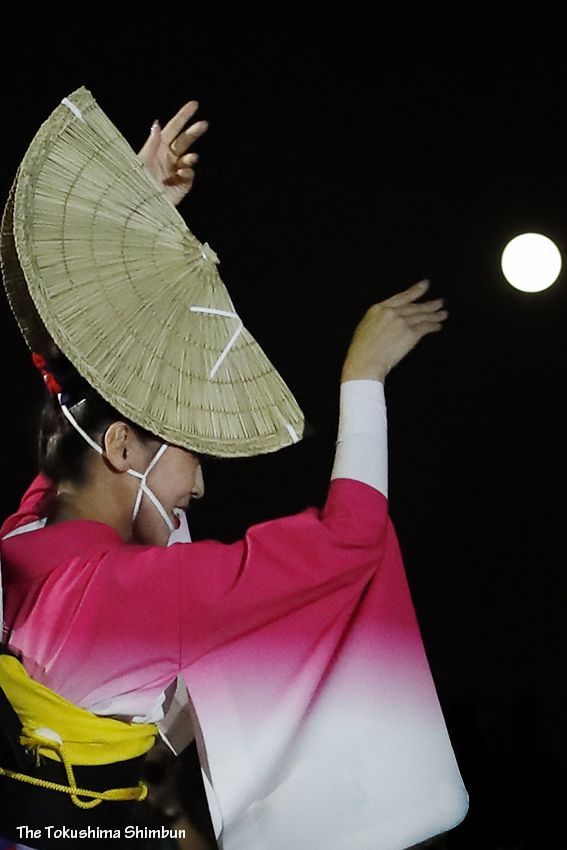
To sign up, remit $250 USD by clicking on the image of this Japanese Maiko, below.
This offer expires on September 23, 2019 … so, catch the Equinox energy wave and be the Healer you’ve been called to be today!

Click here to register for Basic Reiki Mastership training at today’s special rate of 60% off!

Daily Words of the Buddha for September 17, 2019

Pāli Word a Day for September 17, 2019 saṃvega — “sense of urgency” (to walk on the path)

Pathavisamo no virujjhati,
indakhilupamo tādi subbato,
rahadova apetakaddamo
saṃsārā na bhavanti tādino.

There is no more worldly existence for the wise one who,
like the earth, resents nothing,
who is firm as a high pillar
and as pure as a deep pool free from mud.

Dhammapada 7.95
The Dhammapada: The Buddha’s Path of Wisdom, translated from Pāli by Acharya Buddharakkhita

Daily Words of the Buddha for September 15, 2019

Pāli Word a Day for September 15, 2019 — pārimaṃ tīraṃ — the further shore, nibbāna

Yathā naro āpagamotaritvā,
mahodakaṃ salilaṃ sīghasotaṃ,
so vuyhamāno anusotagāmī —
kiṃ so pare sakkhati tārayetuṃ?

If one going down into a river,
swollen and swiftly flowing,
is carried away by the current —
how can one help others across?

Sutta Nipāta 2.321
The Discourse Collection: Selected Texts from the Sutta Nipāta, translated by John D. Ireland

Daily Words of the Buddha for September 14, 2019

Pāli Word a Day for September 14, 2019 — khayānupassin — realizing the fact of decay

Appakā te manussesu, ye janā pāragāmino.
Athāyaṃ itarā pajā, tīramevānudhāvati.
Ye ca kho sammadakkhāte dhamme dhammānuvattino
te janā pāramessanti, maccudheyyaṃ suduttaraṃ.

Few among people are those who cross to the farther shore.
The rest, the bulk of people, only run up and down the hither bank.
But those who act according to the perfectly taught Dhamma
will cross the realm of Death, so difficult to cross.

Dhammapada 6.85, 6.86
The Dhammapada: The Buddha’s Path of Wisdom, translated from Pāli by Acharya Buddharakkhita

Daily Words of the Buddha for September 10, 2019

Pāli Word a Day for September 10, 2019 — appamāṇo — without measure, immeasurable, endless, boundless, limitless

Aññā hi lābhūpanisā,
aññā nibbānagāminī.
Evametaṃ abhiññāya,
bhikkhu buddhassa sāvako,
sakkāraṃ nābhinandeyya,
vivekamanubrūhaye.

One is the quest for worldly gain,
and quite another is the path to Nibbana.
Clearly understanding this,
let not the monk, the disciple of the Buddha,
be carried away by worldly acclaim,
but develop detachment instead.

Dhammapada 5.75
The Dhammapada: The Buddha’s Path of Wisdom, translated from Pāli by Acharya Buddharakkhita

Daily Words of the Buddha for September 07, 2019

Pāli Word a Day for September 07, 2019 — okappati— to believe in, arrange, make ready, settle on, feel confident in, trust in

Yāvajīvampi ce bālo, paṇḍitaṃ payirupāsati,
Na so dhammaṃ vijānāti
dabbī sūparasaṃ yathā.

Though all one’s life a fool associates with a wise person,
one no more comprehends the Truth
than a spoon tastes the flavor of the soup.

Dhammapada 5.64
The Dhammapada: The Buddha’s Path of Wisdom, translated from Pāli by Acharya Buddharakkhita

Daily Words of the Buddha for September 06, 2019

Pāli Word a Day for September 6, 2019 — opunāti— exposes to the wind, winnows, makes clean or clear

Uṭṭhānenappamādena,
saṃyamena damena ca,
dīpaṃ kayirātha medhāvī
yaṃ ogho nābhikīrati.

By effort and heedfulness,
discipline and self-mastery,
let the wise one make for oneself
an island which no flood can overwhelm.

Dhammapada 2.25
The Dhammapada: The Buddha’s Path of Wisdom, translated from Pāli by Acharya Buddharakkhita

Daily Words of the Buddha for September 02, 2019

Pāli Word a Day for September 2, 2019 — tathavacana — as it is, rightly, correctly, truly, speaking the truth

Uṭṭhānavato satīmato
sucikammassa nisammakārino,
saññatassa dhammajīvino, appamattassa yasobhivaḍḍhati.

Ever grows the glory of one
who is energetic, mindful and pure in conduct,
discerning and self-controlled, righteous and heedful.

Dhammapada 2.24
The Dhammapada: The Buddha’s Path of Wisdom, translated from Pāli by Acharya Buddharakkhita

Daily Words of the Buddha for August 28, 2019

Pāli Word a Day for August 28, 2019 — kataññu-katavedita — acknowledging the debt owed to others and paying it back with gratitude

Sukhā virāgatā loke,
Kāmānaṃ samatikkamo;
Asmimānassa yo vinayo —
etaṃ ve paramaṃ sukhaṃ.

Blissful is passionlessness in the world,
The overcoming of sensual desires;
But the abolition of the conceit I am —
That is truly the supreme bliss.

Udāna 2.11
The Udāna and the Itivuttaka, trans. John D. Ireland

Daily Words of the Buddha for August 27, 2019

Pāli Word a Day for August 27, 2019 — mattaññū — one of moderation

Bahumpi ce saṃhita bhāsamāno,
na takkaro hoti naro pamatto,
gopova gāvo gaṇayaṃ paresaṃ,
na bhāgavā sāmaññassa hoti.

Much though one recites the sacred texts,
but acts not accordingly,
that heedless one is like a cowherd
who only counts the cows of others —
one does not partake of the blessings of the holy life.

Dhammapada 1.19
The Dhammapada: The Buddha’s Path of Wisdom, translated from Pāli by Acharya Buddharakkhita

Daily Words of the Buddha for August 26, 2019

Pāli Word a Day for August 26, 2019 — pariharaṇa — protection, care

Idha modati pecca modati;
katapuñño ubhayattha modati.
So modati so pamodati,
disvā kammavisuddhimattano.

The doer of good rejoices here and hereafter;
one rejoices in both the worlds.
One rejoices and exults,
recollecting one’s own pure deeds.

Dhammapada 1.16
The Dhammapada: The Buddha’s Path of Wisdom, translated from Pāli by Acharya Buddharakkhita

Daily Words of the Buddha for August 25, 2019

Pāli Word a Day for August 25, 2019 — dullabho — rare, difficult attainment

Tato adinnaṃ parivajjayeyya
kiñci kvaci sāvako bujjhamāno.
Na hāraye harataṃ nānujaññā.
Sabbaṃ adinnaṃ parivajjayeyya.

A disciple should avoid taking
anything from anywhere knowing it (to belong to another).
One should not steal nor incite another to steal.
One should completely avoid theft.

Sutta Nipāta 2.397
The Discourse Collection: Selected Texts from the Sutta Nipāta, translated by John D. Ireland

Daily Words of the Buddha for August 23, 2019

Pāli Word a Day for August 23, 2019 — parāyaṇa — the destination, final end, support, rest, relief

Idha socati pecca socati;
pāpakārī ubhayattha socati.
So socati so vihaññati,
disvā kammakiliṭṭhamattano.

The evil-doer grieves here and hereafter;
one grieves in both the worlds.
One laments and is afflicted,
recollecting one’s own impure deeds.

Dhammapada 1.15
The Dhammapada: The Buddha’s Path of Wisdom, translated from Pāli by Acharya Buddharakkhita

Daily Words of the Buddha for August 22, 2019

Pāli Word a Day for August 22, 2019 — atthavant — full of benefit

Yadā have pātubhavanti dhammā
Ātāpino jhāyato brāhmaṇassa,
Athassa kaṅkhā vapayanti sabbā
Yato pajānāti sahetudhammaṃ.

When things become manifest
To the ardent meditating brahmin,
All one’s doubts then vanish since one understands
Each thing along with its cause.

Udāna 1.1
The Udāna and the Itivuttaka, trans. John D. Ireland

Daily Words of the Buddha for August 14, 2019

Pāli Word a Day for August 14, 2019 — aññātāvin — one who has complete insight

Sa vedagū,
Vūsitabrahmacariyo,
Lokantagū,
Pāragatoti vuccatī.

One who is a master of knowledge,
Who has lived the holy life,
Is called one gone to the world’s end,
One who has reached the further shore.

Itivuttaka 4.109
The Udāna and the Itivuttaka, trans. John D. Ireland

Daily Words of the Buddha for August 13, 2019

Pāli Word a Day for August 13, 2019 — ajjavatā — straight forwardness, up-rightness

Attā hi attano nātho,
attā hi attano gati.
Tasmā saṃyamamattānaṃ
assaṃ bhadraṃva vāṇijo.

One is one’s own protector,
one is one’s own refuge.
Therefore, one should control oneself,
even as a trader controls a noble steed.

Dhammapada 25.380
The Dhammapada: The Buddha’s Path of Wisdom, translated from Pāli by Acharya Buddharakkhita

Daily Words of the Buddha for August 12, 2019

Pāli Word a Day for August 12, 2019 — aticca — passing beyond, traversing, overcoming, surmounting

Kodhaṃ chetvā sukhaṃ seti,
kodhaṃ chetvā na socati.
Kodhassa visamūlassa
madhuraggassa brāhmaṇa;
vadhaṃ ariyā pasaṃsanti
tañhi chetvā na socatī.

Slay anger and you will be happy,
slay anger and you will not sorrow.
For the slaying of anger in all its forms
with its poisoned root and sweet sting —
that is the slaying the nobles praise;
with anger slain one weeps no more.

Saṃyutta Nikāya 1.187
Gemstones of the Good Dhamma, compiled and translated by Ven. S. Dhammika

Daily Words of the Buddha for August 11, 2019

Pāli Word a Day for August 11, 2019 — pamoda— delight, joy

Sukhaṃ yāva jarā sīlaṃ,
sukhā saddhā patiṭṭhitā,
sukho paññāya paṭilābho,
pāpānaṃ akaraṇaṃ sukhaṃ.

Good is virtue until life’s end,
good is faith that is steadfast,
good is the acquisition of wisdom,
and good is the avoidance of evil.

Dhammapada 23.333
The Dhammapada: The Buddha’s Path of Wisdom, translated from Pāli by Acharya Buddharakkhita

Theosophy | Drawing The Larger Circle – 1

The 1975 cycle will continue to precipitate momentous choices for individuals and societies. What are the vital elements in this decisive choosing, and what will be the chief consequences? There is in the life of every human being a series of minor choices which add up to a crucial choice, but often it is made with incomplete knowledge of its critical nature. To grow and to age is to recognize with increasing clarity that all events in the past have had their irreversible consequences. Therefore, within any shallow philosophy centered essentially on the physical body and premised upon a single incarnation, a personal sense of futility and fatalism looms large as one comes closer to the moment of death. As with individuals, so with civilizations. Civilizations are apt to conduct the deepest reflection upon their storied past in times of depression, either out of self-indulgent nostalgia or sheer bewilderment at their bygone glory. This has shadowed every great civilization in its hour of decline, and today we are witnessing this in Western Europe and in the nostalgic mood which is intermittent in the United States. Civilizations seek to cling to something of the past, and perceptive chroniclers like Toynbee in England or Jaspers in Switzerland sense that something went wrong as early as before 1914, that the seeds of today’s malaise lay far back in the past. When we look back to that past we surmise that a lot could have been avoided, that there were viable alternatives and missed opportunities. This is the sad state of societies as well as individuals who, because of narrowness of perspective and myopia in relation to the future, impose upon their lives a delusive dependence upon their own edited versions of a truncated past. But whenever human beings are willing to rethink their basic assumptions about themselves, about their shrouded past and about their cloudy future, then they do not need to edit. They do not have to limit unduly the horizon of their gaze.

This is difficult to understand initially. One might think in terms of the extreme example of a person with Promethean foresight who can discern in the cycles of this century long-term factors that go back a thousand years into the past and will go forward a thousand years into the future. In the Victorian Age, T.H. Huxley observed that in the myriad worlds around us there is no reason why there cannot be beings with an intelligence as far beyond our present level as ours is beyond that of the black beetle, and with a control over nature as far beyond our own as ours is beyond that of the snail. He also suggested that even ordinary human beings can look back and forward over a millennium and make broad projections. It is, in principle, possible for there to be beings in the universe who can see all pasts and all futures. The power of choice is partly a function of the scope of perspective. With wider perspectives our choices become more intelligent, but as they become more informed, we readily recognize that there are many factors that are constant. One cannot wish away causes generated over a long cycle. The more clearly a person sees what he cannot alter right now in this incarnation, the more effectively he can use his energies to alter what he can. All this requires a measure of balance, but most human beings are unable to choose wisely by clearly facing the alternatives before them. All too often they vainly hope that by proceeding in one direction, everything else will automatically come to them. Energy cannot move in all directions at once, and though there are many planes of matter, it is always the case that everything adds up in a mathematical universe. One’s capacity to choose is a function of one’s knowledge, not merely of particular causal chains but also of what is at the very core of the phenomenal process of becoming: breathing in and breathing out. Ideally, if one could comprehend the meaning of a single day, one would by analogy be able to understand what is enacted over a lifetime.

It has been taught that for the truly wise, each day is like a new incarnation. In small space they see the subtle motions of unbounded space. In a single moment they can grasp quintessentially the infinite possibilities that are spread out in eternal duration. They can retain in consciousness the freedom that belongs to those who are not rushing to manifest, while displaying a shrewd awareness of what it is possible to manifest with a due respect for the feelings of others, for collective strengths and weaknesses, for the limits and possibilities of the current cycle. Theosophical teaching offers the vast perspective of eighteen million years of human history and also of the sixth sub-race which will emerge far in the future but which must clearly have some relationship to the fifth sub-race – now visibly on the decline – that flowered forth in Europe and partly in America. At this point of time there is, by analogy and correspondence, a critical moment of choice bearing upon the alternatives that confront our intelligence. The ratiocinative mind has become adept, because of modern upbringing and so-called education, because of so much dichotomous thinking since Aristotle, at rationalizing its wants, desires and limitations. Now we find at a global level the logical limit of this rationalizing mind, which insists there is not enough room or food on earth for all human beings on our globe. This no-exit barrier in thinking arises because of assumptions that were too limited from the start. It hinges upon a view of the universe which is incompatible with the vast resources of the creative imagination, with the inventiveness displayed in the last three centuries in building up the structures of applied science and sophisticated civilization. Even this is merely a recent example of the immense resourcefulness of the human race over many millennia. The type of thinking which is inductive, inferential and dichotomous, functioning within the perspective of a closed universe or of a one-life system, has become sterile and has no real answers to the awesome problems of our time.

Hermes, August 1978

Raghavan Iyer