For thousands of years, healing traditions have proposed that the human being is more than a collection of organs, tissues, chemicals, and electrical impulses. Beneath—or perhaps interwoven with—the physical body, these traditions describe another dimension of human life: a vital, organizing force.
Chinese traditions speak of Qi. Indian philosophy describes Prāṇa. Japanese healing systems use the concept of Ki. Western esoteric traditions have spoken of the vital force, astral light, and subtle bodies. Contemporary practitioners may simply call it the human energy field or biofield.
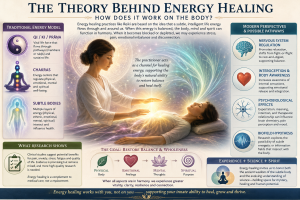
From this worldview arises the basic theory of energy healing:
When the energetic organization of the person becomes disturbed, the physical, emotional, mental, or spiritual person may also experience disharmony. By supporting balance within that energetic system, the practitioner seeks to encourage the person’s own capacity for restoration.
But what does that actually mean?
And perhaps more importantly, what happens to the physical body during an energy-healing session?
The answer depends upon whether we approach the question metaphysically, physiologically, psychologically, or scientifically. Rather than forcing these perspectives into opposition, it is useful to examine them side by side.
The Human Being as an Energetic Organism
Even conventional physiology recognizes that the body is not merely mechanical.
Every heartbeat is initiated through electrical activity.
The nervous system communicates through electrochemical signals.
Muscle fibers contract through changes in electrical potential across cellular membranes.
The brain produces measurable electrical activity.
Cells maintain voltage differences across their membranes.
The heart produces an electromagnetic field measurable outside the body.
None of these established biological phenomena, however, automatically proves the existence of the subtle-energy fields described in Reiki, Qigong, Therapeutic Touch, or esoteric healing traditions. This distinction is important.
When an energy healer speaks of Ki, Prāṇa, chakras, meridians, or the aura, the word energy is being used within a traditional or metaphysical model. It should not automatically be equated with electromagnetic energy measured in joules, volts, or teslas.
The National Center for Complementary and Integrative Health describes Reiki as a complementary approach based upon the idea that an energy supports the body’s natural healing abilities, while also noting that the specific energy field proposed by Reiki has not been scientifically demonstrated. (NCCIH)
We therefore encounter two different languages describing the human organism.
One is the language of biology.
The other is the language of subtle energy.
Energy healing proposes that the two may interact.
Science has not yet established that this interaction occurs through a presently measurable external energy field.
The Traditional Theory: Illness as Disturbance of Flow
Most energy-healing systems do not regard the practitioner as literally “curing” another person.
The healer instead attempts to create conditions in which greater balance can emerge.
Imagine a river.
When the river moves freely, water continually circulates through the landscape. But if debris accumulates, currents become diverted, areas stagnate, and pressure develops elsewhere.
Traditional energetic systems use remarkably similar imagery.
Energy may be described as:
- deficient,
- excessive,
- stagnant,
- blocked,
- scattered,
- depleted,
- congested,
- or unbalanced.
Healing therefore involves restoring flow, coherence, and equilibrium.
A Reiki practitioner might describe this as allowing universal life-force energy to move where it is required.
A practitioner of Chinese energetic medicine might speak of harmonizing Qi.
A yogic healer might describe balancing Prāṇa through the nāḍīs and chakras.
An esoteric healer might speak of bringing the subtle bodies into greater alignment.
Although the terminology differs, the underlying principle is strikingly similar:
Life seeks organization, balance, and wholeness.
The healer attempts to cooperate with that tendency.
The Body’s Extraordinary Capacity for Self-Regulation
Here the metaphysical and biomedical perspectives begin to approach one another.
The body constantly attempts to maintain internal stability.
Temperature is regulated.
Blood chemistry is regulated.
Blood pressure is continually adjusted.
Tissues repair themselves.
Immune cells respond to injury.
Hormones shift according to changing circumstances.
The nervous system constantly evaluates whether the organism needs to mobilize, defend, digest, repair, sleep, reproduce, or recover.
Medicine calls this regulatory tendency homeostasis, while broader contemporary models also use concepts such as allostasis—the body’s ability to adapt its internal operations to changing demands.
Energy-healing philosophies often interpret healing similarly, although through another vocabulary.
The healer is therefore not necessarily imagined as supplying something the body completely lacks.
Rather, the session is intended to help the organism return to a state in which its own regulatory processes can function more effectively.
This idea becomes especially interesting when we examine the nervous system.
The Nervous System May Be One Important Bridge
Modern life frequently places human beings into prolonged states of vigilance.
The sympathetic nervous system—the portion associated with mobilization—prepares us to respond to challenge.
Heart rate may increase.
Muscles tense.
Attention narrows.
Stress hormones may rise.
Digestion and restorative functions may temporarily become secondary.
This response is not pathological. It is essential for survival.
The problem arises when the organism has difficulty returning from mobilization into restoration.
During many energy-healing sessions, however, the conditions are almost the opposite.
The recipient lies quietly.
External stimulation decreases.
Breathing may slow.
The eyes close.
Attention turns inward.
A trusted practitioner remains quietly present.
Touch, when used, is generally gentle and noninvasive.
The recipient is essentially being given permission to stop doing.
For some people this creates profound relaxation.
And relaxation is not merely psychological.
Changing psychological states can influence breathing, muscle tension, pain perception, cardiovascular activity, attention, endocrine activity, and autonomic regulation.
Thus one scientifically plausible component of energy healing is not necessarily the transfer of an unidentified energy at all.
It may involve helping the nervous system enter a physiological environment more compatible with rest, recovery, and self-regulation.
The Parasympathetic State: From Vigilance to Restoration
The parasympathetic nervous system participates in many of the body’s quieter functions—rest, digestion, energy conservation, and recovery.
People receiving Reiki and similar therapies frequently report experiences such as:
warmth,
heaviness,
lightness,
tingling,
slowed breathing,
sleepiness,
emotional release,
a sense of expansion,
or unusually deep calm.
Energetic traditions interpret some of these sensations as evidence that energy is moving.
Biomedical science cannot presently confirm that interpretation.
But many of these experiences are also compatible with shifts in attention, relaxation, autonomic activity, sensory processing, and emotional state.
This creates an intriguing possibility.
Perhaps some of what practitioners call energetic balancing corresponds phenomenologically to a person moving from physiological vigilance toward greater regulation.
That does not prove the metaphysical theory.
But neither does it make the experience meaningless.
Healing Through Attention
There is another mechanism that receives far less attention: awareness itself.
Most of us spend enormous portions of our lives cognitively projected outward.
We are thinking about what happened yesterday.
What we need to accomplish tomorrow.
What someone said.
What might go wrong.
During an energy-healing session, attention often returns to the body.
Suddenly the recipient notices breathing.
Heartbeat.
Muscle tension.
Warmth.
Cold.
Pressure.
Emotion.
Fatigue.
Areas of comfort.
Areas of discomfort.
This inward awareness is sometimes called interoception—the perception of signals arising from within the body.
A person who becomes more sensitive to internal states may begin recognizing tension before it becomes overwhelming, exhaustion before complete depletion, or emotional activation before it turns into reactive behavior.
From an energetic perspective, the person is becoming more aware of the subtle body.
From a physiological perspective, the person may simply be becoming more conscious of bodily signals.
These interpretations are not necessarily mutually exclusive as descriptions of subjective experience.
The Healing Relationship Itself Matters
There is another element that should not be underestimated:
human presence.
A compassionate therapeutic encounter can itself alter experience.
For thirty or sixty minutes someone is effectively communicating:
You are safe enough to rest.
You do not have to perform.
You may receive.
Your discomfort is being acknowledged.
Someone is present with you.
Human beings are profoundly social organisms. Perceived safety, supportive interaction, expectation, prior experience, and therapeutic context can all influence pain and other symptoms.
This is sometimes dismissed as “just placebo.”
That description misunderstands placebo physiology.
Placebo responses can involve genuine changes in neural processing and neurochemical systems. Research on placebo analgesia, for example, has demonstrated roles for expectation, conditioning, endogenous opioid systems, and other mechanisms involved in regulating pain. (PubMed)
If ritual, expectation, attention, touch, therapeutic relationship, and perceived safety influence physiology, their effects are not imaginary simply because they originate partly through the brain.
The brain is part of the body.
The Energetic Model of the Aura and Chakras
Within metaphysical healing systems, however, the explanation goes considerably further.
The physical body is often regarded as the densest expression of several interpenetrating levels of being.
Different traditions describe these levels differently, but a typical esoteric model might include:
Physical Body → Etheric or Vital Body → Emotional or Astral Body → Mental Body → Spiritual Levels of Consciousness
The etheric body is frequently described as the energetic matrix immediately underlying physical life.
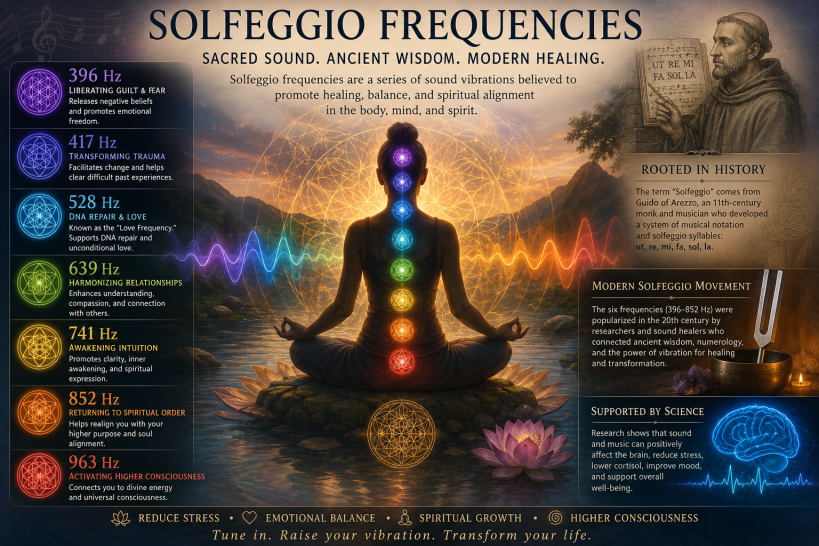
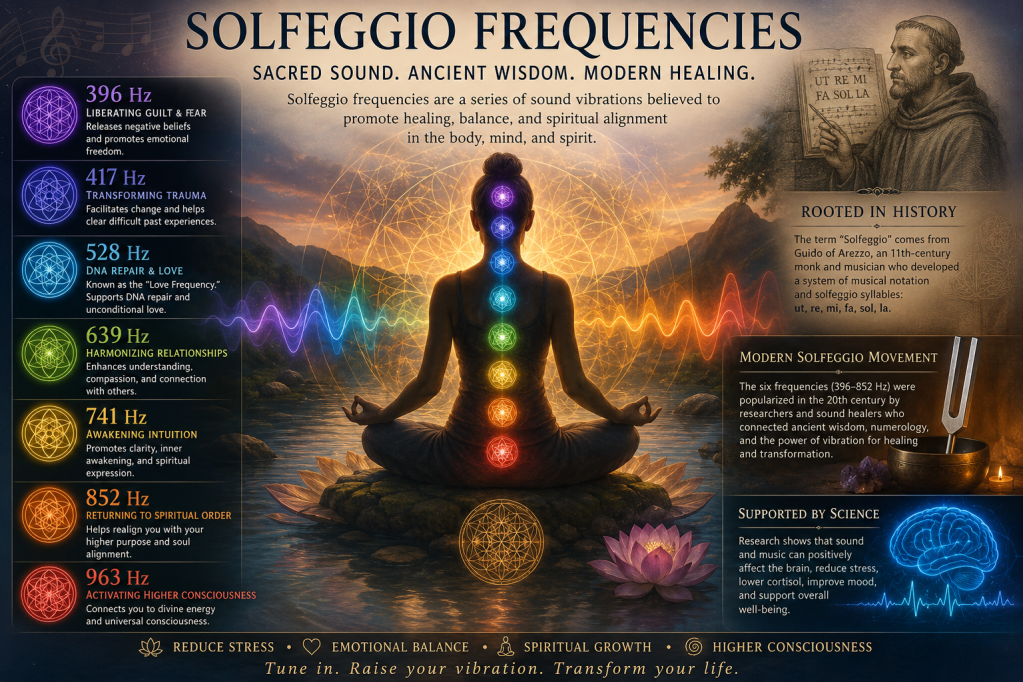
Within yogic systems, major organizing centers within the subtle body are called chakras.
Rather than viewing chakras merely as colored disks located along the spine, it may be more useful to understand them as symbolic or subtle centers through which physical, psychological, emotional, and spiritual experiences are organized.
For example:
The root center concerns embodiment, survival, stability, and belonging.
The sacral center concerns feeling, sexuality, relationship, and creativity.
The solar plexus concerns identity, power, autonomy, and action.
The heart center concerns love, grief, compassion, relationship, and integration.
The throat center concerns communication and expression.
The brow center concerns perception, imagination, and insight.
The crown concerns transcendence and relationship with the Sacred.
In energy-healing theory, prolonged disturbance within one level of the human being may eventually influence another.
An emotional pattern may produce chronic muscular tension.
Fear may influence breathing.
Grief may profoundly alter sleep, appetite, and energy.
Chronic physical pain may alter mood and cognition.
The metaphysical model interprets these interactions as movements occurring between layers of the subtle and physical organism.
Modern medicine describes many of them through nervous, endocrine, immune, behavioral, and psychological pathways.
Different maps.
Sometimes remarkably similar territory.
What Is the Practitioner Actually Doing?
One of the greatest misconceptions concerning energy healing is that the healer is pouring personal energy into the recipient.
Most mature traditions explicitly discourage this interpretation.
In Reiki, for example, the practitioner ideally functions as a conduit rather than a battery.
The healer does not force the recipient into healing.
The healer establishes a therapeutic field or condition in which healing may occur.
This concept has parallels throughout mystical traditions.
The healer becomes quiet.
Attention becomes focused.
Intention becomes singular.
Personal concerns temporarily recede.
The practitioner attempts to become receptive rather than controlling.
In metaphysical language, the healer aligns with a greater organizing intelligence.
In psychological language, the healer enters a highly regulated state of sustained compassionate attention.
Whether those descriptions ultimately refer to one phenomenon or two remains an open philosophical question.
Resonance and Entrainment: An Attractive but Unproven Hypothesis
Energy healers frequently use the concept of resonance.
A well-known physical analogy is that of two tuning forks.
Strike one tuning fork near another tuned to the same frequency and the second may begin vibrating sympathetically.
Energy-healing traditions propose something analogous between living systems.
A coherent practitioner, according to this theory, creates conditions in which a dysregulated recipient can gradually move toward greater coherence.
This is sometimes described as entrainment.
The analogy is elegant.
But it should remain an analogy unless direct biological evidence demonstrates the proposed subtle-energy mechanism.
There is research investigating physiological changes during biofield practices, including EEG and heart-rate variability, but a systematic review found that results were inconsistent and did not establish a unique physiological signature of the healer’s state. (PubMed)
Thus, resonance remains an intriguing theoretical model rather than an established explanation of energy healing.
Does Science Show That Reiki Works?
This is where precision matters.
The scientific literature is neither equivalent to saying “energy healing has been proven” nor accurately summarized by saying “nothing ever happens.”
Recent clinical studies have reported reductions in symptoms such as pain, anxiety, and stress in some populations.
For example, a randomized study published in 2025 involving cancer patients reported greater improvements in several subjective outcomes among participants receiving Reiki, although cortisol did not differ significantly between groups. (PubMed)
Another recent randomized placebo-controlled trial reported improvements in pain, anxiety, heart rate, and some cardiovascular measures among mechanically ventilated patients receiving Reiki compared with sham Reiki. (PubMed)
A 2025 meta-analysis examining randomized trials also reported improvements in quality-of-life outcomes associated with Reiki. (PubMed)
Yet this must be balanced against the larger evidence base.
Research varies considerably in quality, intervention design, sample size, comparison groups, practitioner training, blinding procedures, and outcome measurement.
A recent systematic review examining Reiki and Therapeutic Touch in palliative care found some promising symptom reports but concluded that the overall evidence remained limited and heterogeneous. (PubMed)
NCCIH likewise states that Reiki has not been clearly demonstrated to be effective for a specific health purpose and that research results remain inconsistent. (NCCIH)
The fairest conclusion at present is therefore:
People can experience meaningful subjective and sometimes measurable physiological changes during energy-healing interventions, but science has not established that these effects occur because a distinct subtle energy is being transferred or manipulated.
That distinction is crucial.
Perhaps the Better Question Is Not “Is Energy Real?”
The conversation surrounding energy healing often becomes trapped between two extremes.
One side insists:
“Science hasn’t measured the energy, therefore the entire experience is meaningless.”
The other insists:
“People experience effects, therefore the metaphysical explanation must already be scientifically proven.”
Neither position is necessary.
A more intellectually useful position is:
Something may be happening during these healing encounters. We should carefully investigate what components produce the effects.
Perhaps relaxation matters.
Perhaps expectation matters.
Perhaps touch matters.
Perhaps meditative attention matters.
Perhaps human connection matters.
Perhaps changes in autonomic regulation matter.
Perhaps ritual matters.
Perhaps consciousness plays roles we do not yet fully understand.
And perhaps future research will identify additional mechanisms.
Science advances precisely because unanswered questions remain unanswered long enough to be investigated properly.
The Metaphysical Interpretation: Healing as Restoration of Coherence
From an esoteric perspective, healing is not simply the removal of symptoms.
It is the restoration of right relationship.
Body with mind.
Mind with emotion.
Personality with soul.
Individual with community.
Human being with nature.
Finite self with the Sacred.
Disease, in this wider philosophical model, does not necessarily represent punishment or spiritual failure. Nor should illness ever be blamed upon someone’s supposed “negative energy.”
Rather, healing becomes the continuing process by which fragmented aspects of ourselves are brought back toward integration.
The healer therefore does not battle the body.
The healer listens.
The healer does not command the life-force.
The healer cooperates with it.
The healer does not impose wholeness.
The healer creates space in which wholeness may reveal itself.
Where Reiki Fits Into This Model
Reiki provides one of the clearest expressions of this philosophy.
The word is commonly interpreted through the Japanese concepts Rei and Ki, broadly pointing toward spiritual or universal reality and vital life energy.
During a Reiki session, the practitioner places the hands lightly upon or just above various areas of the recipient’s body.
There is no massage.
There is no physical manipulation.
There is often very little conversation.
From the traditional perspective, Reiki moves according to the recipient’s need rather than according to the practitioner’s personal will.
The healer becomes the intermediary.
The recipient becomes receptive.
Healing becomes less an act of doing and more an act of allowing.
Whether interpreted spiritually or psychologically, that principle may be one of Reiki’s most profound teachings.
Modern humanity is extremely practiced at effort.
We are considerably less practiced at receptivity.
Energy Healing as Ritualized Stillness
There may therefore be another way of understanding these practices.
Energy healing creates ritualized stillness.
For a defined period of time:
the phone stops,
the conversation stops,
the demands stop,
the obligations stop,
the outward performance of identity stops.
The recipient enters a liminal space.
The practitioner enters focused presence.
The ordinary world becomes temporarily quieter.
Whatever else may or may not be happening energetically, this alone changes the conditions under which the nervous system is operating.
And sometimes healing begins not because something dramatic has been added—
but because something exhausting has finally been removed.
Healing Is Not the Same as Curing
Perhaps the most important distinction in any discussion of energy work is the difference between healing and curing.
Curing concerns the elimination or successful treatment of disease.
Healing is broader.
A person may experience healing while still living with illness.
Someone may find peace while receiving cancer treatment.
A grieving person may begin integrating loss.
Someone with chronic pain may discover moments of profound calm.
A dying person may experience reconciliation, meaning, or spiritual acceptance.
None of these experiences necessarily cures disease.
Yet few would call them insignificant.
Energy healing may therefore be best understood not as a replacement for medicine, but as a complementary practice concerned with the human dimensions that medicine does not always have sufficient time to address:
presence,
rest,
meaning,
touch,
attention,
relationship,
spirituality,
and the experience of wholeness.
The Mystery Behind the Mechanism
We ultimately arrive at a fascinating threshold.
Traditional healers say that life-force moves through us.
Biology says that the organism possesses extraordinarily complex mechanisms of regulation and repair.
Psychology demonstrates that expectation, perception, emotion, attention, and relationship influence bodily experience.
Neuroscience demonstrates that changing states of consciousness can alter pain processing and neurophysiology.
Medicine demonstrates that the body is continuously attempting to regulate itself.
Energy healing gathers all of these questions into a single encounter between practitioner and recipient.
Does an independent subtle biofield exist?
Science has not yet established that it does.
Can people nonetheless experience relaxation, comfort, altered pain perception, emotional release, and meaningful changes during energy-healing sessions?
Yes, such experiences are reported, and some clinical studies have observed measurable differences—although the evidence remains inconsistent and the mechanisms unresolved. (PubMed)
And so energy healing occupies an unusual territory.
It sits between ancient metaphysics and modern physiology.
Between subjective experience and objective measurement.
Between ritual and medicine.
Between what humanity has believed for millennia and what experimental science can presently demonstrate.
Perhaps that is precisely why the subject remains so compelling.
For underneath every system of healing lies essentially the same question:
What allows a living being to move from disorder toward greater wholeness?
Energy-healing traditions answer:
Restore the flow.
Physiology answers:
Restore regulation.
Psychology answers:
Restore safety and integration.
Mysticism answers:
Restore relationship with the Source.
Perhaps these are entirely different explanations.
Or perhaps, seen from a sufficiently broad perspective, they are different languages describing humanity’s ancient search for the same mystery:
the innate movement of life toward balance, coherence, and wholeness.
A Responsible Place for Energy Healing
Energy healing is most appropriately regarded as a complementary practice, not a substitute for evidence-based diagnosis or treatment. Persistent pain, infection, neurological symptoms, cardiovascular symptoms, unexplained weight loss, severe psychiatric symptoms, or other significant health concerns require appropriate professional medical evaluation.
Using Reiki or another contemplative healing practice alongside appropriate healthcare allows the metaphysical question to remain open without asking the practice to perform a medical role that current evidence cannot justify.
That approach leaves room for both discernment and mystery—and perhaps that is exactly where meaningful inquiry into healing should begin.
Annotated Bibliography
The Theory Behind Energy Healing — How Does It Work on the Body?
Introduction
The literature surrounding energy healing spans several very different intellectual traditions. Some sources approach healing through the traditional concepts of Qi, Ki, Prāṇa, chakras, subtle bodies, and the human energy field. Others attempt to formulate a scientific concept of the biofield, while still others investigate measurable outcomes such as pain, anxiety, quality of life, heart-rate variability, relaxation, or nervous-system regulation.
These categories should not be confused with one another. Biological electricity and electromagnetic activity are established physiological phenomena; their existence does not, by itself, prove the existence of the subtle energy proposed in Reiki and comparable systems. Likewise, clinical improvement following an energy-healing intervention does not necessarily identify the mechanism responsible for that improvement.
The following bibliography therefore intentionally brings together traditional sources, esoteric models, clinical research, physiology, psychology, and critical scientific evaluation.
I. Reiki and the Traditional Energy-Healing Model
Logan, B., & Stiene, F. (2024). The Reiki sourcebook: A timeless reference book for Reiki practitioners of all levels. O-Books.
This extensive reference work examines Reiki’s Japanese origins, practices, teachings, lineages, symbols, attunements, and subsequent development in the West. It is particularly useful for distinguishing historically grounded Reiki practice from many concepts that were later incorporated into Western Reiki culture. The work helps establish what practitioners mean by Ki, energetic balance, hands-on healing, and the practitioner’s role. It should be treated primarily as a historical and practitioner-oriented source rather than as biomedical evidence. For a blog addressing the theory behind energy healing, it provides valuable context concerning how Reiki itself understands the healing process.
Miles, P. (2008). Reiki: A comprehensive guide. Tarcher.
Pamela Miles presents Reiki from the perspective of a long-term practitioner who has worked to introduce the practice into conventional healthcare environments. The book describes Reiki as a gentle, nonmanipulative practice intended to support the body’s natural healing response rather than replace medical treatment. Miles is especially useful for explaining the distinction between the practitioner as a facilitator and the mistaken idea that the practitioner personally forces healing into another person. The book provides an accessible bridge between traditional Reiki philosophy and contemporary integrative-health language, though its therapeutic claims should be evaluated separately from controlled clinical research.
National Center for Complementary and Integrative Health. (n.d.). Reiki. U.S. Department of Health and Human Services, National Institutes of Health.
NCCIH provides an essential scientific and medical counterbalance to practitioner literature. It defines Reiki as a complementary practice in which practitioners place their hands lightly on or above a person with the intention of facilitating the person’s healing response. Importantly, NCCIH notes that research regarding Reiki’s effectiveness remains inconsistent and that there is currently no scientific evidence demonstrating the existence of the specific energy field proposed in Reiki theory. This source is particularly important for maintaining scholarly integrity when discussing Reiki as a metaphysical or complementary practice rather than presenting its traditional explanatory mechanism as established biomedical fact.
II. The Biofield Hypothesis and Energy Medicine
Rubik, B., Muehsam, D., Hammerschlag, R., & Jain, S. (2015). Biofield science and healing: History, terminology, and concepts. Global Advances in Health and Medicine, 4(Suppl.), 8–14. DOI: 10.7453/gahmj.2015.038.suppl
This article provides one of the most useful scholarly introductions to the modern concept of the biofield. The authors review historical ideas about vital forces and biological fields while attempting to develop terminology that can be used in scientific research. Of particular value is the distinction between known electromagnetic processes and proposed organizing fields that remain hypothetical. The article is useful for discussing attempts to build a conceptual bridge between traditional subtle-energy systems and biophysics. It should nevertheless be recognized as a theoretical framework within an emerging and controversial research area rather than evidence that a Reiki-like biofield has been conclusively demonstrated.
Oschman, J. L. (2015). Energy medicine: The scientific basis (2nd ed.). Churchill Livingstone/Elsevier.
Oschman explores biological electricity, electromagnetism, connective tissue, cellular signaling, resonance, regulatory processes, and proposed energetic mechanisms involved in healing. His work is influential within integrative and energy-medicine circles because it attempts to connect energy-healing theory with known principles of physiology and biophysics. Chapters addressing electrophysiology, bioelectromagnetism, acupuncture, resonance, and the body’s regulatory systems are particularly relevant to the present topic. However, readers should distinguish carefully between well-established biological phenomena discussed in the book and broader theoretical interpretations that remain debated. It is most useful as a hypothesis-generating interdisciplinary source, not as definitive proof of subtle-energy healing.
Jain, S., Hammerschlag, R., Mills, P., Cohen, L., Krieger, R., Vieten, C., & Lutgendorf, S. (2015). Clinical studies of biofield therapies: Summary, methodological challenges, and recommendations. Global Advances in Health and Medicine, 4(Suppl.), 58–66. DOI: 10.7453/gahmj.2015.034.suppl
This paper reviews clinical studies involving Reiki, Healing Touch, Therapeutic Touch, and related biofield therapies while also examining the methodological problems inherent in studying them. These include practitioner variability, treatment dose, sham-healing controls, blinding, small sample sizes, and uncertainty about what mechanism is actually being tested. The article is particularly useful because it neither simply dismisses biofield therapies nor assumes that their proposed mechanisms have been proven. It demonstrates how researchers can investigate patient outcomes even while the underlying mechanism remains unresolved. This makes it an excellent source for framing energy healing as an area of legitimate inquiry that still requires substantially better research.
Baldwin, A. L., & Hammerschlag, R. (2014). Biofield-based therapies: A systematic review of physiological effects on practitioners during healing. Explore, 10(3), 150–161. DOI: 10.1016/j.explore.2014.02.003
This systematic review asks an unusually important question: Does the healer enter a distinctive physiological state while performing biofield healing? The authors examined studies measuring variables such as electroencephalography and heart-rate variability. Findings were inconsistent, and the authors concluded that robust evidence of a unique physiological state characteristic of biofield healers had not emerged. This study is particularly valuable because it tests one aspect of the energetic hypothesis rather than merely measuring whether patients report feeling better. It provides an important caution against making unsupported claims concerning measurable “healing frequencies” or physiological signatures in practitioners.
III. Clinical Evidence for Reiki and Related Practices
Liu, K., Qin, Z., Qin, Y., Li, Y., Liu, Q., Gao, F., Zhang, P., & Wang, W. (2025). Effects of Reiki therapy on quality of life: A meta-analysis of randomized controlled trials. Systematic Reviews, 14(1), 72. DOI: 10.1186/s13643-025-02811-5
This 2025 meta-analysis examined randomized controlled trials investigating Reiki and quality of life. The combined sample included 661 participants, and the analysis found a statistically significant but modest improvement in quality-of-life measures associated with Reiki. The study is important because meta-analysis provides a broader view than individual trials. At the same time, positive pooled results do not establish that subtle-energy transfer caused the observed improvements. Factors such as relaxation, attention, expectancy, practitioner interaction, and treatment setting remain possible contributors. This source supports the position that Reiki deserves continued research while avoiding the stronger claim that its traditional mechanism has been proven.
Pontes-Gomes, R., & Reis-Pina, P. (2026). Reiki and Therapeutic Touch for symptom burden and quality of life in palliative settings: A systematic review. Palliative Medicine, 40(7), 958–970. DOI: 10.1177/02692163261437606
This recent systematic review examined Reiki and Therapeutic Touch in palliative and end-of-life care. Nine studies involving 415 participants were included. Some reported improvements in pain, anxiety, depression, fatigue, stress, sleep, relaxation, hope, and emotional well-being. However, the authors emphasized methodological limitations, heterogeneous interventions, risk of bias, and very low certainty of evidence, preventing firm conclusions about effectiveness. This is an especially valuable source because it illustrates the nuanced state of contemporary research: patient benefits are sometimes reported, yet stronger evidence is required. It reinforces the responsible use of energy healing as complementary supportive care rather than a substitute for established medical treatment.
Avci, A., & Gün, M. (2023). The effect of Reiki on pain applied to patients with cancer: A systematic review. Holistic Nursing Practice, 37(5), 268–276. DOI: 10.1097/HNP.0000000000000601
Avci and Gün reviewed seven experimental and quasi-experimental studies involving 572 cancer patients. Five studies reported reductions in pain following Reiki, while two did not demonstrate an effect. The authors therefore concluded that Reiki may have potential for pain management but emphasized the limited number of high-quality studies and the need for additional randomized controlled trials. The article is useful in discussing one of the most common reported benefits of energy-healing sessions: decreased pain or altered pain perception. Importantly, the findings establish neither cure nor proof of subtle-energy transmission; they concern reported clinical outcomes.
Jain, S., & Mills, P. J. (2010). Biofield therapies: Helpful or full of hype? A best evidence synthesis. International Journal of Behavioral Medicine, 17(1), 1–16. DOI: 10.1007/s12529-009-9062-4
This influential review examined dozens of clinical studies involving Reiki, Healing Touch, Therapeutic Touch, and related approaches. The authors reported evidence suggesting potential benefit for some outcomes, particularly pain and anxiety, while also noting substantial methodological limitations across the literature. The article remains important because it helped establish a framework for evaluating biofield therapies using conventional evidence standards. It is particularly useful when discussing why subjective symptom improvement should be taken seriously while simultaneously recognizing that improvements in symptoms do not prove a specific energetic mechanism.
Hammerschlag, R., Marx, B. L., & Aickin, M. (2014). Nontouch biofield therapy: A systematic review of human randomized controlled trials reporting use of only nonphysical contact treatment. Journal of Alternative and Complementary Medicine, 20(12), 881–892. DOI: 10.1089/acm.2014.0017
This review focuses specifically on energy-healing interventions performed without physical contact, making it particularly relevant to claims that energy can act independently of touch. Twenty-eight randomized controlled trials met the initial criteria, although several were excluded because of methodological quality concerns. Some of the better-quality studies reported beneficial outcomes, but the authors stressed that the small sample sizes and pilot nature of the research prevented strong conclusions. The study is useful because removing touch from the intervention helps researchers examine whether effects can be explained solely through tactile stimulation, although expectation, attention, context, and other variables remain difficult to eliminate completely.
Hammerschlag, R., Sprengel, M., & Baldwin, A. L. (2024). Biofield therapies: Guidelines for reporting clinical trials. Journal of Integrative and Complementary Medicine, 30(2), 133–145. DOI: 10.1089/jicm.2024.29128.rh
This methodological paper provides formal recommendations for improving research on External Qigong, Healing Touch, Reiki, Therapeutic Touch, and related therapies. Its importance lies not in proving or disproving energy healing but in establishing better standards for testing it. Detailed reporting of practitioner background, intervention procedures, treatment dose, controls, outcomes, and study design allows future trials to become more reproducible and scientifically interpretable. This source is excellent for demonstrating that energy healing remains a developing research area in which improved methodology is essential before strong conclusions concerning mechanisms can be reached.
IV. Nervous-System Regulation, Body Awareness, and Plausible Physiological Pathways
Khalsa, S. S., Adolphs, R., Cameron, O. G., Critchley, H. D., Davenport, P. W., Feinstein, J. S., Feusner, J. D., Garfinkel, S. N., Lane, R. D., Mehling, W. E., Meuret, A. E., Nemeroff, C. B., Oppenheimer, S., Petzschner, F. H., Pollatos, O., Rhudy, J. L., Schramm, L. P., Simmons, W. K., Stein, M. B., Stephan, K. E., Van den Bergh, O., Van Diest, I., von Leupoldt, A., & Paulus, M. P. (2018). Interoception and mental health: A roadmap. Biological Psychiatry: Cognitive Neuroscience and Neuroimaging, 3(6), 501–513. DOI: 10.1016/j.bpsc.2017.12.004
This major review explains interoception, the nervous system’s sensing and interpretation of signals arising from within the body. Interoception contributes to emotion, bodily awareness, homeostasis, cognition, and self-regulation. The concept is highly relevant to energy healing because recipients frequently become intensely aware of warmth, tingling, breathing, heartbeat, pressure, tension, relaxation, or other internal sensations during sessions. Interoceptive science provides a credible physiological framework for understanding such experiences without requiring that every sensation be attributed to an external subtle energy. It therefore creates an important conceptual bridge between subjective energetic experience and neuroscience.
Benedetti, F. (2008). Placebo effects: Understanding the mechanisms in health and disease. Oxford University Press.
Benedetti’s work is foundational for understanding why therapeutic context, expectation, conditioning, ritual, practitioner interaction, and belief can influence symptoms through genuine neurobiological mechanisms. Placebo effects are not equivalent to imaginary symptoms; they can involve measurable changes in pain-processing pathways, endogenous opioids, dopamine, expectation, and learning. This source is essential for a sophisticated discussion of energy healing because some benefits experienced during a session may arise through contextual and psychobiological pathways. Recognizing such mechanisms does not invalidate a person’s experience. Rather, it demonstrates how profoundly meaning, expectation, relationship, and consciousness can interact with physiology.
V. Traditional Concepts of Vital Energy
Kaptchuk, T. J. (2000). The web that has no weaver: Understanding Chinese medicine (Rev. ed.). Contemporary Books.
Kaptchuk provides one of the most influential Western-language introductions to the philosophical and diagnostic framework of Chinese medicine. Particularly relevant is his treatment of Qi, which should not be reduced simplistically to electricity or a Western physics concept of energy. In traditional Chinese medicine, Qi participates in a much broader model involving movement, function, pattern, relationship, transformation, and balance. This book is valuable for demonstrating that traditional energetic language exists within a complete medical-philosophical worldview. It helps prevent the common error of assuming that every traditional reference to “energy” means electromagnetic energy in the modern scientific sense.
VI. Western Esoteric Models of the Subtle Body
Brennan, B. A. (1988). Hands of light: A guide to healing through the human energy field. Bantam Books. (Original work published 1987)
Barbara Brennan’s work became one of the most influential modern Western presentations of the human energy field, aura, chakras, subtle bodies, and hands-on healing. Brennan proposes multiple layers of energetic organization corresponding to physical, emotional, mental, and spiritual aspects of the person. The work strongly influenced contemporary energy-healing culture and is especially relevant to the blog’s discussion of the etheric, emotional, mental, and spiritual bodies. It should, however, be identified explicitly as an experiential and metaphysical model, not as an established anatomical or biophysical description of the human organism.
Leadbeater, C. W. (1927). The chakras. Theosophical Publishing House.
Leadbeater’s text was instrumental in shaping the modern Western esoteric understanding of chakras. Drawing upon Theosophy, clairvoyant interpretation, Indian concepts, and Western occultism, he described chakras as subtle force centers interacting with vitality and consciousness. The book strongly influenced subsequent New Age, occult, and energy-healing representations of the chakra system. Historically, it is important because many contemporary Western assumptions about chakra colors, functions, and appearances owe as much to twentieth-century Theosophy as to classical Indian texts. It should therefore be used as a historical esoteric source rather than scientific evidence concerning human anatomy.
VII. Recommended Interpretive Framework
Taken collectively, these sources suggest that energy healing should be studied through several overlapping but distinct explanatory layers.
1. Traditional-Energetic Layer
Reiki, Chinese medicine, yogic systems, and Western esoteric traditions describe a vital principle—Ki, Qi, Prāṇa, vital force, or subtle energy—whose balanced movement is associated with health and vitality.
This model is metaphysical and traditional rather than established biophysical fact.
2. Biofield Hypothesis
Contemporary biofield researchers have proposed that living organisms may exhibit organizing energetic or informational processes that deserve systematic investigation.
Known biological electromagnetic phenomena clearly exist, but these should not automatically be equated with the proposed subtle biofield of Reiki and related practices.
3. Autonomic and Regulatory Layer
Quiet environments, reduced stimulation, meditative attention, breathing changes, gentle touch, and perceived safety can affect nervous-system activity.
The transition from heightened vigilance toward relaxation may therefore account for some of the restorative experiences reported during energy healing.
4. Interoceptive Layer
Healing sessions increase awareness of internal bodily sensations.
Warmth, tingling, heaviness, pulsing, pressure, emotional release, and changes in breathing may consequently reflect changes in interoceptive attention and sensory processing, whether or not a subtle-energy interpretation is also adopted.
5. Psychobiological Layer
Expectation, ritual, therapeutic relationship, meaning, conditioning, attention, and practitioner presence can alter pain and other symptoms through real neurobiological mechanisms.
These effects should not be dismissed as “imaginary.”
6. Clinical-Outcome Layer
Some clinical trials and reviews report improvements in pain, anxiety, stress, fatigue, relaxation, and quality of life following Reiki or related interventions.
The findings remain heterogeneous, and methodological limitations prevent the conclusion that a specific subtle-energy mechanism has been proven.
7. Metaphysical Layer
Within esoteric philosophy, healing represents more than symptom reduction.
It is the restoration of coherence and right relationship among the physical, vital, emotional, mental, and spiritual dimensions of the person.
This is best presented as a spiritual and philosophical model rather than a medical claim.
Conclusion
The bibliography demonstrates why the subject of energy healing cannot be responsibly reduced either to the statement “science has proven subtle energy” or to the statement “nothing happens.”
Current research occupies a more interesting middle ground.
Some recipients demonstrably report meaningful changes in pain, stress, relaxation, anxiety, and quality of life. Physiological mechanisms involving autonomic regulation, interoception, therapeutic context, expectation, attention, and human relationship offer plausible explanations for at least some of these effects.
At the same time, the traditional theory proposes something more: that the human being participates in an organizing field of life that extends beyond presently understood biochemical mechanisms.
That proposition remains scientifically unresolved.
For the student of energy healing, this distinction is not a weakness. It creates an important intellectual discipline:
experience may be honored without converting belief into scientific fact, and science may be respected without assuming that every mystery of human healing has already been solved.
The most fruitful position is therefore one of informed inquiry—placing ancient models of Qi, Ki, Prāṇa, chakras, subtle bodies, and vital force into conversation with contemporary research on the biofield, nervous system, homeostasis, interoception, psychobiology, consciousness, and therapeutic relationship.
In that conversation lies one of the most compelling questions in healing:
What allows a living organism to move from fragmentation and dysregulation toward coherence, adaptation, and wholeness?