Lāʻau Lapaʻau | Cardioprotective and Anti-inflammatory Properties of Olive Oil Phenolic Compounds

Crooked Bear Creek Organic Herbs's avatarCrooked Bear Creek Organic Herbs

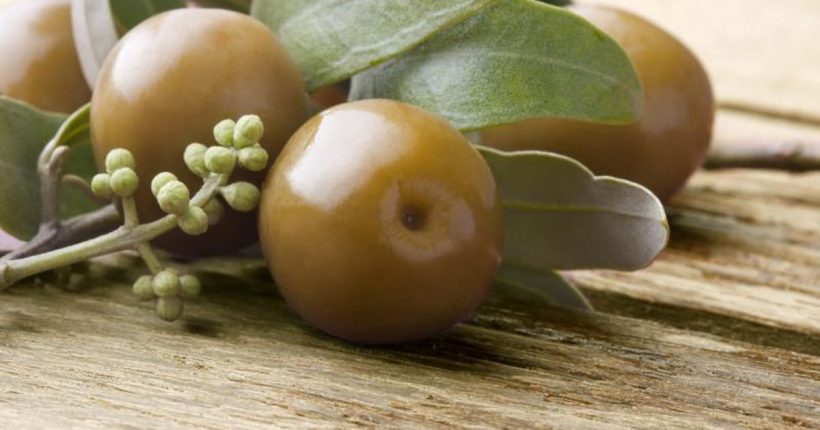
Cardiovascular (CV) diseases are the leading cause of world mortality, with 7.4 million of their 17.7 million annual deaths due to coronary artery disease (CAD). CAD risk factors include diabetes mellitus (diabetes type 2 [DT2]), hypertension, dyslipidemia, obesity, poor diet, tobacco (Nicotiana tabacum, Solanaceae) smoking, lack of exercise, and alcohol abuse. Acute myocardial infarction and death—two primary effects associated with CAD—account for more than 90% of all CAD-related outcomes. Atherosclerotic plaques form when vascular endothelial cells express chemotactic and adhesion molecules, starting the inflammatory process crucial to CAD’s pathogenesis. Within a healthy diet, cardioprotective foods can modulate expression of proinflammatory cytokines and inflammation markers and help control risk factors like DT2, hypertension, dyslipidemia, and obesity. Phenolic compounds and unsaturated fats found in olive (Olea europaea, Oleaceae) oil (OO) show benefits in this area and may improve CV outcomes overall. Virgin OO (VOO) is produced by…

View original post 811 more words

Lāʻau Lapaʻau | Natural Eye Care

The Wonky Pot Apothecary's avatarThe Wonky Pot Apothecary

Natural Eye Care…. Where do I begin….. The Skin around the eyes is only about 0.04mm thick, where as by comparison over the rest of the body its generally about 0.1mm thick and at its thickest on the feet. So putting anything on or around the eyes has to be done delicately. Over the years that i have been making skincare, i have made numerous products for eye care, from a soothing gel for Dry Eyes, an Eye oil in a roller ball to an eye cream all of which have helped numerous amounts of people. So below i thought i would talk about some other conditions, which can make the eyes uncomfortable.

Puffiness: Under eye puffiness can be caused by a variety of reason, Diet, Allergies or extra fluid in your system. To treat Morning puffiness, splash your face with very cold water, then with a very light touch…

View original post 630 more words

Lāʻau Lapaʻau | Administration and Dosing of Medical Cannabis

Crooked Bear Creek Organic Herbs's avatarCrooked Bear Creek Organic Herbs

Despite centuries of medical use and several modern studies, 80 years of cannabis (Cannabis sativa, Cannabaceae) prohibition have left clinicians undereducated about its therapeutic uses. A 2017 US study found that 89.5% of surveyed residents and fellows felt unprepared to prescribe cannabis and just 35.5% felt prepared to answer patients’ questions about it. Only 9% of US medical schools include clinical cannabis content in curricula.* While there is a lack of randomized controlled trials (RCTs) in cannabis therapeutics, researchers and caregivers are recognizing RCTs’ limitations in applicability to individual patients, who may be better served by individualized evidence-based practices. Cannabis’ effects vary depending on many factors. It is desirable to find a “sweet spot” of dosing that provides symptom relief without adverse effects (AEs) like unwanted euphoria. The authors combine a review of the literature and their own clinical observations to offer guidance on Good Clinical Practices (GCPs)…

View original post 836 more words

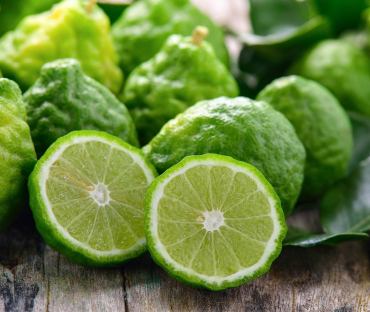
Lāʻau Lapaʻau | Bergamot

The Wonky Pot Apothecary's avatarThe Wonky Pot Apothecary

bergamot-Uses

Bergamot

Botanical Name Citrus Bergamia.  

Common Name Bergamot Orange, Bergamott (Swedish), Bergamottorange (Danish), Bergamotte, (German), Bergamotier (French).

Family Name Rutaceae

Ayurvedic/ Tcm Name: Fo Shou Gan

Meridians: Liver, Spleen, Stomach, Heart

Key TCM Actions & Medicinal Uses: Liver and Spleen Qi Stagnation/Moves Qi: digestive disorders, gas, depression, emptiness, grief, nausea, bloating, loss of appetite, vomiting. Lifts and Harmonizes Qi/Calms Shen: mental fatigue, depression, insomnia, anxiety, mood swings.

Parts Used The Essential Oil, Which Is A Light Yellow Or Pale Green Liquid With An Extremely Rich, Sweet And Fruity Taste.

Native Region The Plant Is Endemic To Tropical Southeast Asia. Today It Is Cultivated In Many Subtropical Areas Around The World, Especially In Southern Italy And The Ivory Coast.

Botanical Description Bergamot Is A Small Tree Of The Rutaceae Family (The Rue Or Citrus Family). It Can Grow Up To 4.5 M High And Has Smooth, Oval Leaves And…

View original post 1,173 more words

Health | The Mind-Body Practice That Helped Me Cope With A Lyme Diagnosis

“The body achieves what the mind believes.”

Four years ago, I discovered that I had a severe parasite infection. I had picked up these pesky parasites from adventures I’d taken around the world (think fly-fishing in the Amazon, a safari in Africa, and trekking through northern Thailand) 20 years prior. Unbeknownst to me, these hitchhikers had made my body their home and become deeply embedded in my tissues and organs. By the time I discovered them, they had put holes in my organs and eaten away at some of my endocrine glands.  […]

Source: The Mind-Body Practice That Helped Me Cope With A Lyme Diagnosis

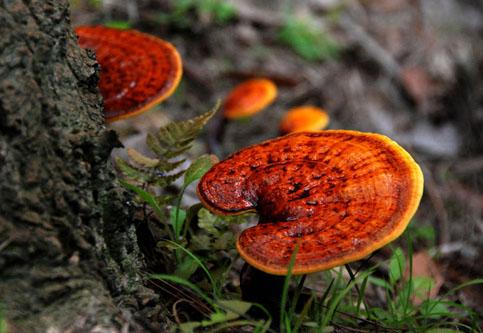
Lāʻau Lapaʻau | Health Benefits of Reishi {Ganoderma lucidum}

Crooked Bear Creek Organic Herbs's avatarCrooked Bear Creek Organic Herbs

Also, Known As:

  • Ling Chi
  • Ling Zhi
  • Reishi

Known in Japan as the ‘phantom mushroom’ because it can be so very difficult to find, the reishi generally grows on old Japanese plum trees. Reishi is so rare that only about 10 mushrooms would be found growing on about 100,000 plum trees. Finally, it was the Japanese Shigeaki Mori who perfected the art of growing the reishi indoors. This art involved culturing wild reishi spores on plum-tree sawdust over an elaborate and arduous two-year time period. The fruiting body of the reishi can be used medicinally.

Also popularly known as the hing zhi “herb of spiritual potency”, the reishi is, in essence, a mushroom that can grow on old rotten logs, fallen tree stumps and other similar areas throughout the coastal regions of China. However, reishi is cultivated in areas as diverse as North America, Taiwan, Japan, Korea, and China for…

View original post 1,024 more words

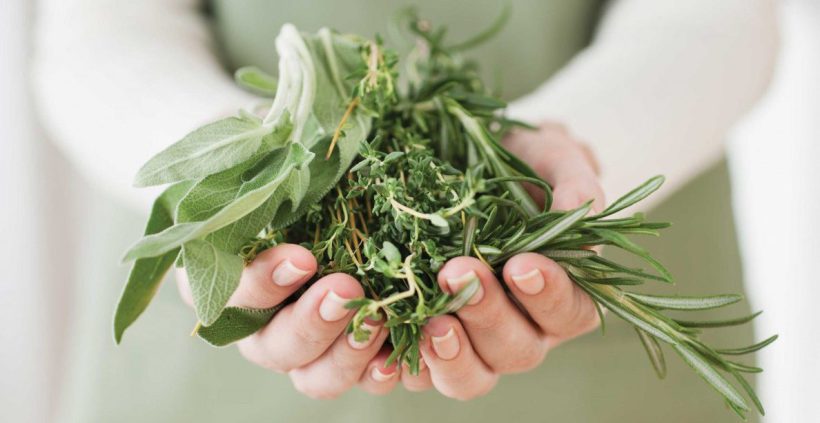
Lāʻau Lapaʻau | Harvesting Herbs

Crooked Bear Creek Organic Herbs's avatarCrooked Bear Creek Organic Herbs

Whether you are collecting the flowers, leaves or stems, you should always harvest them on a sunlit day and only when the dew has dispersed from the plants and prior to the garden being filled with the day’s full heat. In case the plants contain volatile oils, for instance, lemon balm and mints, it is best to harvest them immediately prior to noon. This is because the oils get enough time to move to the leaves, but they have not been evaporated by the heat of the day. As it has been found that rain sweeps away some amount of the aromatic volatile oils, it is advisable that you should wait for at least one day after a rainstorm and then harvest the leaves. Preferably, you should wait for two to three days prior to harvesting, as this will give the plants sufficient time to gather their essential oils.

In…

View original post 2,045 more words

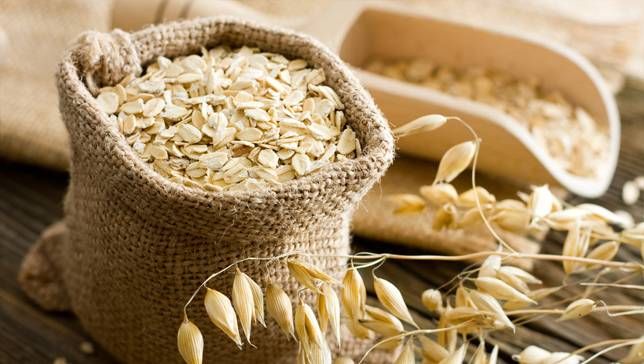
Lāʻau Lapaʻau | What Is Oats {Avena sativa}

Crooked Bear Creek Organic Herbs's avatarCrooked Bear Creek Organic Herbs

Also, Known As:

  • Avena Sativa
  • Common Oats
  • Groats
  • Oats
  • Wild Oats

The plant-based cereals called the oats – botanical name: Avena sativa – is a very nutritious food and remedy. The oat is rich in protein, has lots of beneficial minerals such as calcium and magnesium, trace elements and potassium as well as iron – while also being very high in vitamin content. The presence of these bodybuilding nutrients in the oats makes for strong bones and teeth, most of these vital minerals found in the oats are also necessary for the maintenance of a healthy nervous system in a human being. Remedies made from the oats were traditionally used as a herbal nerve tonic; this tonic was given to patients to treat problems like depression, and mental debility as well as nervous exhaustion. Eating oats is a very good remedy when withdrawing from the effects of tranquilizers and antidepressant medications. The oats not only stimulates the body but also boosts energy levels up…

View original post 1,378 more words

Lāʻau Lapaʻau | What Is Licorice Root?

Crooked Bear Creek Organic Herbs's avatarCrooked Bear Creek Organic Herbs

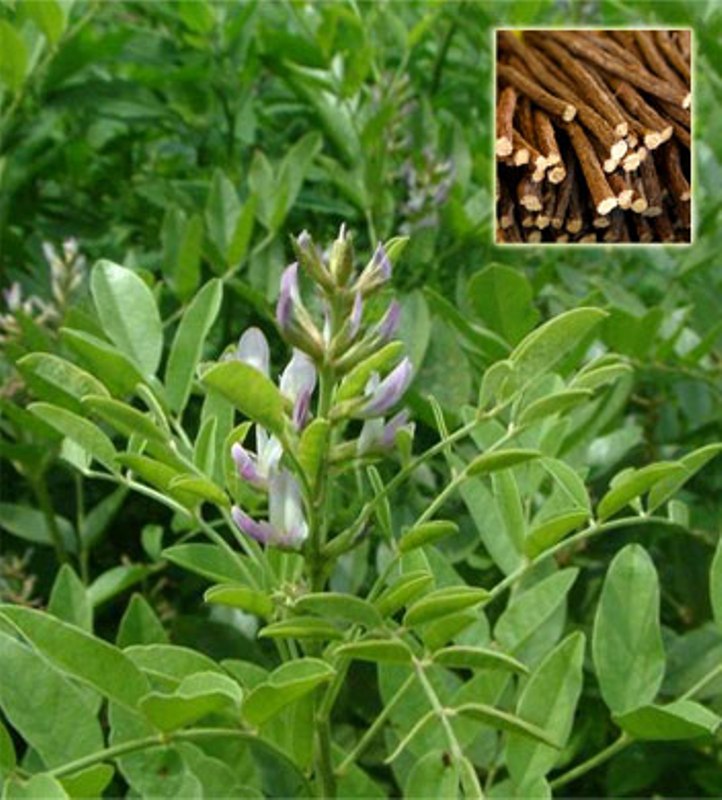
Glycyrrhiza glabra

Also, Known As:

  • Chinese Licorice
  • Gan Cao
  • Kan-ts’ao
  • Kuo-lao
  • Licorice
  • Licorice Root
  • Ling-t’ung
  • Liquorice
  • Mei-ts’ao
  • Mi-kan
  • Mi-ts’ao
  • Sweet Licorice
  • Sweet Wood
  • Yasti Madhu

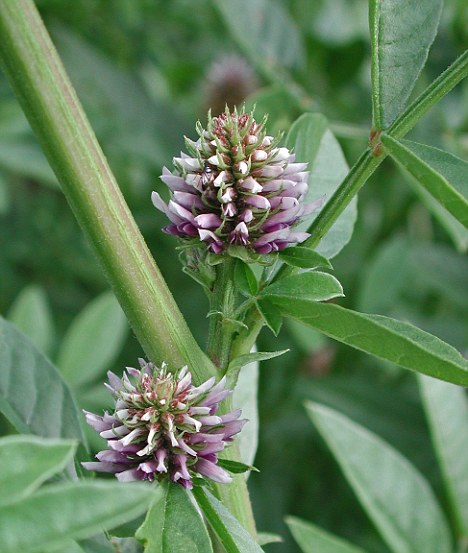
Licorice refers to the roots and rhizome of a variety of plants belonging to the species Glycyrrhiza glabra L. of the family Fabaceae. This is a European species and possesses a sweet yellow wood. There are also Asian species of the plant like Glycyrrhiza uralensis Fisch. and others. In the commercially available licorice in the US markets, all these species are included since a significant part of licorice is imported from China and other Asian countries.

licorice root plant
The herb has expectorant and demulcent properties and has been used traditionally in the treatment of common cold and coughs. The medication is commonly called licorice root or Glycyrrhiza and has also been in use as a flavoring agent. Licorice has been popular for long, in many parts of the…

View original post 3,009 more words

Lāʻau Lapaʻau | Your Apothecary Cabinet: The Healing Properties Of Herbs

Crooked Bear Creek Organic Herbs's avatarCrooked Bear Creek Organic Herbs

There have been lots of pharmaceutical studies to evaluate the active elements present in herbs to discover the reason as well as the manner in which they work. A relatively outmoded method is to classify the herbs by exploring the types of health conditions that they can aid in curing. Identifying the actions of the herbs and the manner in which they may be employed together forms the basis of a comprehensive approach.

For example, in a number of instances, the action of herbs is owing to certain chemical or a blend of chemicals present in them – the sedative herb valerian is a perfect example of this. Alternatively, the action may also be owing to a multifaceted synergetic interaction between the different elements of the herbs. Nevertheless, the best way to comprehend the actions of the herbs is to consider them as characteristics all together and to interpret the chemical…

View original post 2,900 more words

Lāʻau Lapaʻau | What Is Elecampane?

Crooked Bear Creek Organic Herbs's avatarCrooked Bear Creek Organic Herbs

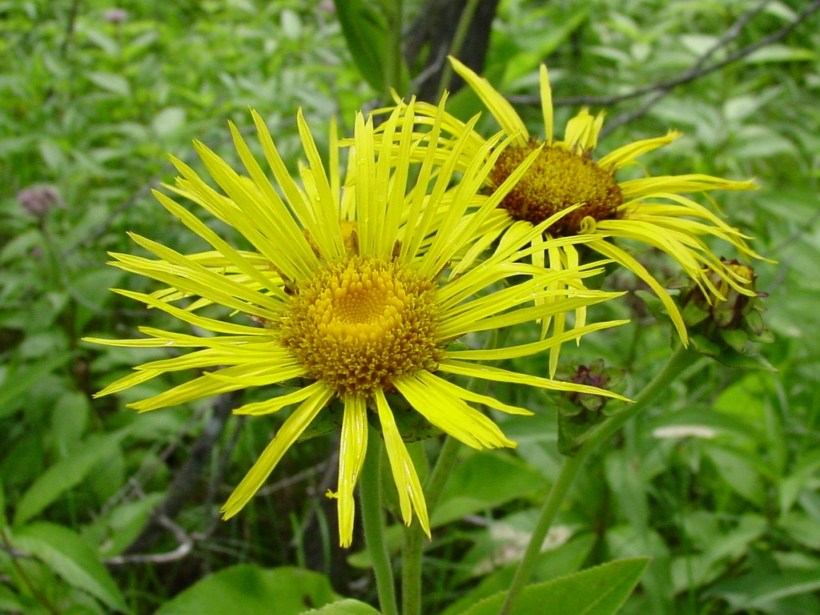
Inula helenium

Also, Known As

  • Elecampane
  • Horseheal
  • Scabwort

Elecampane (botanical name Inula helenium) is a tall, bristly perennial plant that is native to south-eastern Europe and western Asia. This herb, which bears yellow flowers resembling the daisy, has been naturalized in North America and is found growing in abundance in the moist meadows, fields and along the roads in the central and eastern regions of the United States and neighboring Canada. Elecampane belongs to the Asteraceae family and grows up to a height of four to six feet. The herb has a heavy branching stem that emerges from a basal rosette (a circular arrangement of leaves at the base) with leaves that are large, oval-shaped and pointed at the end. The herb bears vivid yellow flower heads during the period between the middle to the end of the summer. The flower heads of elecampane are generally four inches in diameter…

View original post 3,333 more words

Lāʻau Lapaʻau | Amazing Benefits of Ashwagandha Root for Women

Crooked Bear Creek Organic Herbs's avatarCrooked Bear Creek Organic Herbs

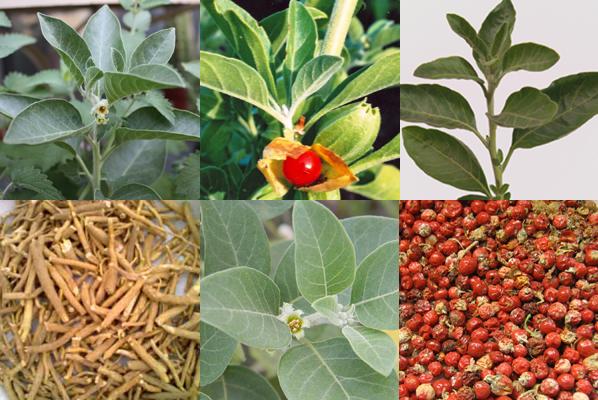
Ashwagandha, also known as Indian ginseng, is an Ayurvedic herb commonly used in traditional Indian medicine. Investigations into the herb’s powerful effects on the body have sparked an explosion of interest, and research has reported the exciting potential for human health, specifically its effects on mental, physical, and emotional health.

Benefits of Ashwagandha Root

Ashwagandha may enhance energy, support aging, and stimulate sex drive. Here are 7 benefits women may experience with ashwagandha.

1. Promotes Graceful Aging

Stress, both metabolic and emotional, dramatically affects aging. Cortisol, the body’s stress hormone, contributes to muscle loss and weakness, wrinkles, and cognitive impairment. Research has found that ashwagandha improves resistance to stress, possibly decreasing cortisol production. One study of 64 individuals observed a reduction in stress and a significant decrease in cortisol levels in individuals taking ashwagandha compared with placebo.

2. Menopausal Support

Ashwagandha acts on the endocrine system by encouraging hormone balance. A study involving…

View original post 889 more words

Lāʻau Lapaʻau | Ashwagandha Root Extract Improves Symptoms of Obsessive-Compulsive Disorder in Patients Taking Selective Serotonin Re-uptake Inhibitors

Crooked Bear Creek Organic Herbs's avatarCrooked Bear Creek Organic Herbs

  • Ashwagandha (Withania somnifera, Solanaceae)

  • Obsessive-Compulsive Disorder

Obsessive-compulsive disorder (OCD), characterized by stressful, repetitive, and intrusive thoughts or obsessions followed by actions or compulsions, is thought to be linked to a defect in the serotonergic system. A common treatment is the use of selective serotonin reuptake inhibitors (SSRIs), but they are considered only mildly effective, with 40-60% of patients failing to respond. In Ayurvedic herbal medicine, ashwagandha (Withania somnifera, Solanaceae) is considered to be a rejuvenating and revitalizing herb. Its roots, which are used to enhance mental and physical health, have anxiolytic and antidepressant properties due to the presence of bioactive glycowithanolides, and the alkaloids withanine and somniferine are used for nervous disorders. Animal studies also have shown it to enhance serotonergic transmission. The goal of this randomized, double-blind, placebo-controlled trial was to verify the efficacy of ashwagandha root extract as an adjunct therapy to treat the…

View original post 511 more words

Lāʻau Lāpaʻau | Your Apothecary Cabinet: Herbal First Aid Kit…

Crooked Bear Creek Organic Herbs's avatarCrooked Bear Creek Organic Herbs

Being prepared with my favorite remedies gives me peace of mind on the road or trail, and keeps me from having to search out herbal products in an unfamiliar town — or from having to resort to padding my heels with mullein leaves to ease the agony of a broken blister while on a backpacking trip.

I’ve had plenty of opportunities to put my first-aid kit to use, from treating blisters and bug bites to motion sickness and colds. I choose simple, multipurpose remedies and store them in a small padded nylon lunch box that’s always ready to toss into the car. For backpacking trips, I pare my kit down to arnica gel, echinacea, peppermint and chamomile tea bags, crystallized ginger, insect repellant, a tin of herbal salve, a tiny bottle of lavender essential oil, and an assortment of bandages and moleskin.

With the following herbs and essential oils, you…

View original post 1,626 more words

Lāʻau Lāpaʻau | Your Apothecary Cabinet: Common Base Oils

Crooked Bear Creek Organic Herbs's avatarCrooked Bear Creek Organic Herbs

Vegetable and herbal oil are used in creams, lotions, massage, facial and body oils, gels, and salves.

Sweet Almond (Prunus amygdalis var. dulcis) and Apricot Kernel (Prunus armeniaca): emollients, can relieve itchiness and dryness.


Arnica (Arnica montana): indicated for bruises, varicose veins, burns, strains and sprains, arthritis, and myalgia.


Avocado (Persea Americana): wonderful oil for regenerative skin care, indicated for dry, itchy, or mature skin, antioxidant, nourishes the skin.


Baobab (Adansonia digitata) and Marula (Scelerocara birrea): emollient, soothes inflamed skin, dry skin, sunburn.


Borage (Borago officinalis) and Evening Primrose (Oenothera biennis): excellent regenerative skin care oils, nourishing, indicated for psoriasis, eczema, inflamed and dry skin conditions.


Calendula (Calendula officinalis): anti-inflammatory, wound healing, soothes dry irritated skin, insect bites, cell regenerative.


Coconut (Cocos nucifera): emollient, slightly occlusive to the skin, blend…

View original post 1,233 more words

Lāʻau Lāpaʻau | Your Apothecary Cabinet: Herbal Oils

Crooked Bear Creek Organic Herbs's avatarCrooked Bear Creek Organic Herbs

Herbal oils are simply oils infused with herbs, much as you would steep rosemary in olive oil for culinary purposes. Healing herbal oils can be taken internally for a variety of ailments, can be used externally for therapeutic or daily beauty routines, and can be incorporated into herbal salve recipes. Dried herbs are preferred since fresh herbs will sometimes ferment.

Basic Herbal Oil:

1 cup finely ground dried herbs {flowers, leaves, roots, barks, and/or seeds}

1 1/4 cups almond, jojoba, or olive oil

In a blender or food processor, combine the herbs and oil. Blend or process until puree for greater extractability. Pour the mixture into a clean glass jar with a lid, making sure the plant material is completely submerged in the oil. If it’s not, add more oil until the herbs are covered by about 1 inch of liquid. Cover the jar and store it in a dark…

View original post 775 more words

Lāʻau Lāpaʻau | Hemp Agrimony

The Wonky Pot Apothecary's avatarThe Wonky Pot Apothecary

Hemp Agrimony

Hemp Agrimony

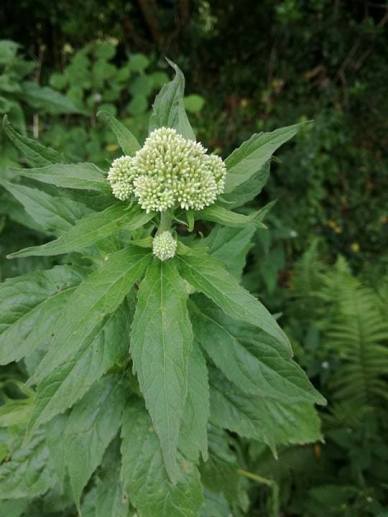
Botanical Name: Eupatorium cannabinum L.

The genus name Eupatorium can be traced back to the ancient Greek king Mithridates Eupator (120-63 BC), who apparently was the first to use species in this genus as a medicine. The species name cannabinum is only due to the resemblance the leaves have to hemp leaf (Cannabis sativa) because those two plant species, in fact, are not related.

Other Common Names: Common hemp agrimony, water agrimony, common Dutch agrimony, St. John’s herb, water maudlin, gravel root, sweet-smelling trefoil, holy rope.

Family Name Compositae

Habitat: The plant is found wild in most parts of Europe, but it is also found in West Asia and North Africa. It grows in moist woodlands, fens, marshes and along rivers and canals.

Description: Hemp agrimony is a perennial plant of the Asteraceae family. It can grow up to one and a half…

View original post 480 more words

Lāʻau Lāpaʻau | Know Your Underground Roots

Crooked Bear Creek Organic Herbs's avatarCrooked Bear Creek Organic Herbs

Underground Stems

The underground stems, by being situated below the surface of the soil, protect themselves against unfavorable conditions of weather and the attack of animals and serve as storehouses for reserve food, and in vegetative propagation. Their stem nature can be distinguished by the presence of nodes and internodes, scale leaves at the nodes, axillary buds in axils of scale leaves and a terminal bud. Further, the anatomy of the underground stem resembles that of an aerial stem. The underground stems are of four types namely rhizome, tuber, bulb, and corm.

Rhizome

A rhizome is a thick horizontally growing stem which usually stores food material. It has nodes and internodes, scale leaves, axillary buds, adventitious roots and a terminal bud. Scale leaves enclosing the axillary buds are seen arising from the nodal points of the stem. Some of the axillary buds develop into branches which grow upwards into the…

View original post 338 more words

Lāʻau Lāpaʻau | Know Your Herbal Chemistry

Crooked Bear Creek Organic Herbs's avatarCrooked Bear Creek Organic Herbs

A herbalist should be fully aware of details about the pharmacology of herbs, a basic understanding of it is more than enough. Herbs are used for healing the human body, they are considered to be holistic agents, and they are used on a physical and biochemistry level. Many pharmacologists try to find out the constituents of herbs, place them according to their chemical groups and have done numerous research and have found herbs to be very complex in their characteristics. Herbs contain a huge variety of chemicals like water, inorganic salt, sugars, carbohydrates, proteins that are highly complex, and alkaloids.

Plant Acids:

An example of weak organic acids is generally found among plants, lemon is the perfect example of citric acid. Organic acids can be split into those based on a carbon chain, and those, which contain a carbon ring in their configuration, but what both have in common is the…

View original post 2,106 more words

These 4 Plants For Your Bedroom Will Cure Insomnia and Sleep Apnea – Healthy Food House

Unfortunately, numerous people nowadays suffer from sleep disturbances, night terrors, insomnia, or sleep apnea. Yet, there is a simple and natural way to improve your sleep and finally get some rest! All you need to do is to place one of the following plants into your bedroom and enjoy the calm and relaxing atmosphere: Snake […]

Source: These 4 Plants For Your Bedroom Will Cure Insomnia and Sleep Apnea – Healthy Food House

Omnivorous versus Vegan Diets: A Debate. Part I, by Renee Lehnen & Kansas Stanton

NaturalisticPaganism's avatarNaturalistic Paganism

Naturalistic Pagans not only view the Earth as sacred, but also ourselves, each other, and other beings that share this planet with us. But regarding food, what does the most Naturalistic Pagan diet look like? Writers, Renee Lehnen (an omnivore) and Kansas Stanton (a vegan) debate this question regarding topics on human evolution, health, environmentalism, ethics, sustainable meat, and clothing. We hope that within this debate, the reader can answer this question for themselves and be able to make a spiritually conscious and physical difference. -Kansas Stanton 

View original post 1,860 more words

Omnivorous versus Vegan Diets: A Debate. Part II, by Kansas Stanton & Renee Lehnen

NaturalisticPaganism's avatarNaturalistic Paganism

Naturalistic Pagans not only view the Earth as sacred, but also ourselves, each other, and other beings that share this planet with us. But regarding food, what does the most Naturalistic Pagan diet look like? Writers, Renee Lehnen (an omnivore) and Kansas Stanton (a vegan) debate this question regarding topics on human evolution, health, environmentalism, ethics, sustainable meat, and clothing. We hope that within this debate, the reader can answer this question for themselves and be able to make a spiritually conscious and physical difference.  Continued from Part I.

View original post 1,607 more words

Omnivorous versus Vegan Diets: A Debate. Part III, by Renee Lehnen & Kansas Stanton

NaturalisticPaganism's avatarNaturalistic Paganism

Naturalistic Pagans not only view the Earth as sacred, but also ourselves, each other, and other beings that share this planet with us. But regarding food, what does the most Naturalistic Pagan diet look like? Writers, Renee Lehnen (an omnivore) and Kansas Stanton (a vegan) debate this question regarding topics on human evolution, health, environmentalism, ethics, sustainable meat, and clothing. We hope that within this debate, the reader can answer this question for themselves and be able to make a spiritually conscious and physical difference. -Kansas Stanton 

View original post 1,358 more words

La’au Lapa’au | Herb Guide: Oregano

Crooked Bear Creek Organic Herbs's avatarCrooked Bear Creek Organic Herbs

Origanum vulgare

Also, Known As:

  • Common Marjoram
  • Oregano
  • True Oregano
  • Turkish Oregano
  • Wild Marjoram
  • Winter Marjoram

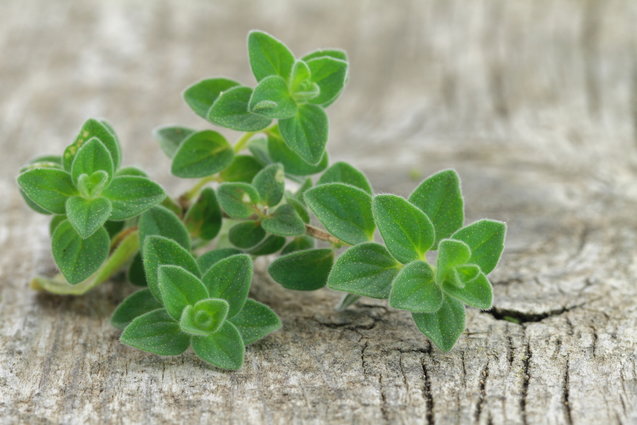
The famous European herb called the oregano or the pot marjoram is a very familiar spice, botanical name Origanum vulgare. It is a common herb, and the European oregano is known to be a very hardy and perennial herb characterized by the presence of an erect, and somewhat hairy and well-branched stem, the leaves of the herb are also hairy. When fully grown, the plant can cross two feet in height, and is characterized by a very acrid and pungent odor, the fragrance of the plant is very strong, and has a sage-like an aroma, it also smells somewhat like another spice, the thyme – also used in a lot of European cuisines.

The oregano also refers to the pleasant and mint smelling European herb, the marjoram, or the wild marjoram as it is…

View original post 2,012 more words

Health | Best Advice For Buying CBD Oil Online

The Internet continues to change the way we do things. Long gone are the days you had to spend hours commuting to a store and hours standing in line to buy something. Today, thanks to online stores, you can purchase virtually anything from the comfort of your home. The purpose of this post is to guide you through the process of buying CBD oil from an online store. Here are the most important things you need to do.  […]

Read more:  Best Advice For Buying CBD Oil Online

Lāʻau Lapaʻau | Kalo Is More Than a Native Hawaiian Plant—It’s an Ancestor to Hawaiian Culture 

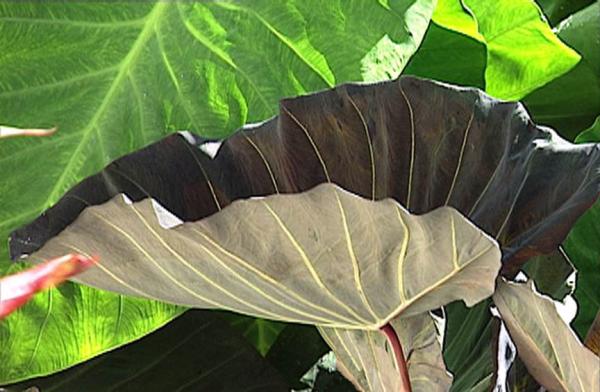
A story about Kalo (taro), a native Hawaiian plant.  […]

Errata:  The story incorrectly stated the Taro Security and Purity Task Force was involved in the GMO taro issue. They were not in existence at the time and are mandated not to become involved.

Source: Kalo Is More Than a Native Hawaiian Plant—It’s an Ancestor to Hawaiian Culture – Indian Country Media Network

Lāʻau Lapaʻau | Guide to Propagating Herbs

Crooked Bear Creek Organic Herbs's avatarCrooked Bear Creek Organic Herbs

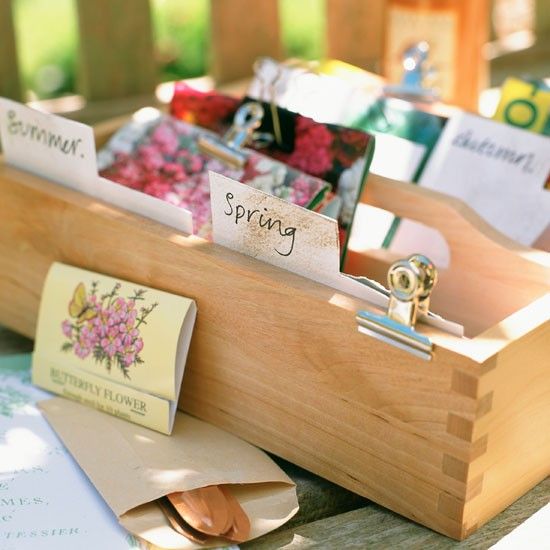
Seeding is our favorite form of propagation. A seed is a repository for all the genetic diversity of the ancient wildness of these potent medicinals. When you are looking for medicine in a herb, you want to use the purest, strongest strain of the species you can get; in other words, you want the original, unchanged, wildest form available. So you will not, in most cases, choose a hybrid, which is indicated by a multiplication sign between a plant’s genus and species name or by a proper name within single quotes, like ‘Jenny’. And you won’t choose varieties developed for a wide array of flower colors or disease resistance. Seeds of unselected, wilder species will give you the full range of biodiversity possible for the herb – which makes it perfect for use as herbal medicine.

Most of the herbs featured on this website can be easily sown from seed…

View original post 2,791 more words

Lāʻau Lāpaʻau | Food as Medicine: Asparagus (Asparagus officinalis, Asparagaceae)

Crooked Bear Creek Organic Herbs's avatarCrooked Bear Creek Organic Herbs

History and Traditional Use

Range and Habitat

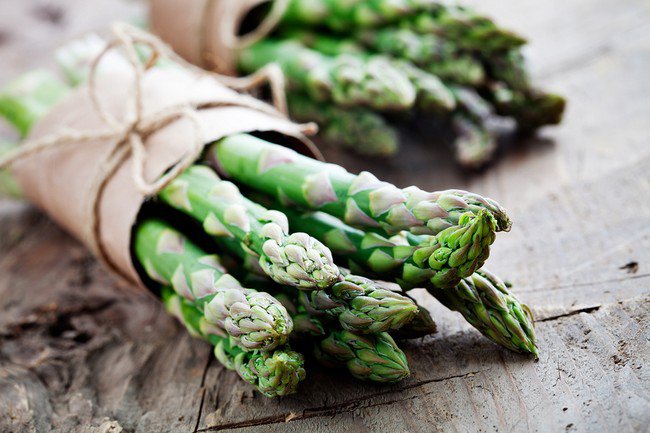
Asparagus (Asparagus officinalis, Asparagaceae) is a herbaceous perennial with stalks that can grow to several feet in height. Most asparagus is harvested once the stalk reaches 6-8 inches in height. The stalk is the edible portion of the plant, along with its pointed, budlike tip.1,2 If asparagus is not harvested, the stalks grow into finely textured, fern-like plants before going dormant in winter.3 In the United States, the primary asparagus producers are the states of California, Washington, and Michigan.4


Depending on the cultivation method, asparagus yields a crop in one of three colors: green, white, or purple. Green asparagus, the most common in the US, is allowed to grow exposed to sunlight until harvested. White asparagus contains no chlorophyll due to human intervention, which involves mounding dirt on the stalk as it grows to shield it from sunlight.

View original post 2,197 more words