La’au Lapa’au | Wild Lettuce, Spontaneous Generation in the Garden of Diversity – Richo’s Blog

Crooked Bear Creek Organic Herbs's avatarCrooked Bear Creek Organic Herbs

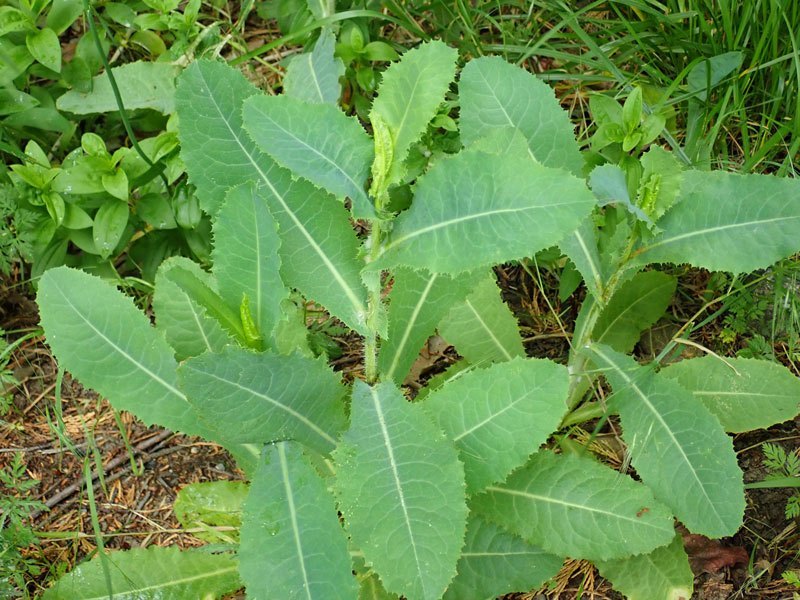
How does one identify volunteers in the field?  Well, the volunteers will appear in the area under and around the mother plant, or in the case of short-lived plants like Wild Lettuce, in the area where the mother plant once prospered but is now gone.  Every seedling has its individual characteristics.  Some will carry the seed coat up above the soil level and may be identified that way.  Others will demonstrate peculiar size, color or smell that help you know exactly what they are.  Practiced gardeners will identify the seedlings because they recognize the plant.  Wild lettuce seedlings have leaves that look like lettuce and are taprooted.  When the taproot is broken, they exude the bitter white latex known as lactucarium, so if the root bleeds white milk, you know you’re on the right track.

We like to leave our best plants to produce seeds, seeds that may be harvested…

View original post 35 more words

Foodstyles | BEST EVER VEGAN CARBONARA | @avantgardevegan by Gaz Oakley

https://youtu.be/-MgtW4_D_SA

Here’s my version of a classic Carbonara, VEGANISED. My vegan carbonara is so simple to make and works perfectly with dried or fresh pasta. If making homemade vegan pasta, use fine semolina for more of a bite to your pasta. I just used kamut flour as its all I had. Tag me in pics if you make my vegan carbonara.

Recipe – https://www.avantgardevegan.com/recip…

La’au Lapa’au | Getting Results with Herbs, a free training with Rosalee de la Forêt

Crooked Bear Creek Organic Herbs's avatarCrooked Bear Creek Organic Herbs

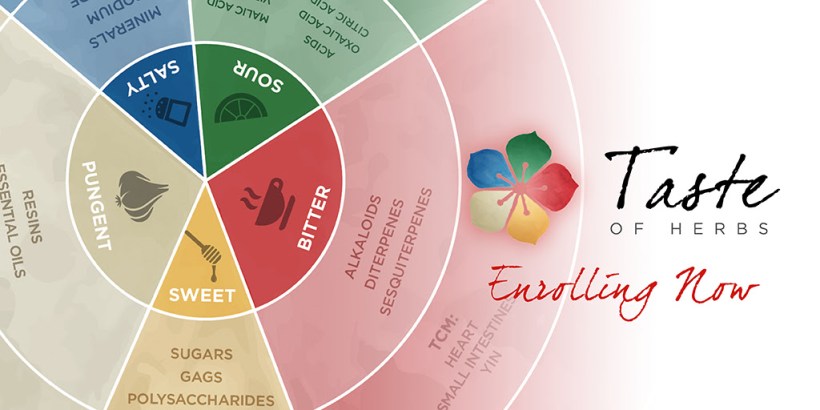
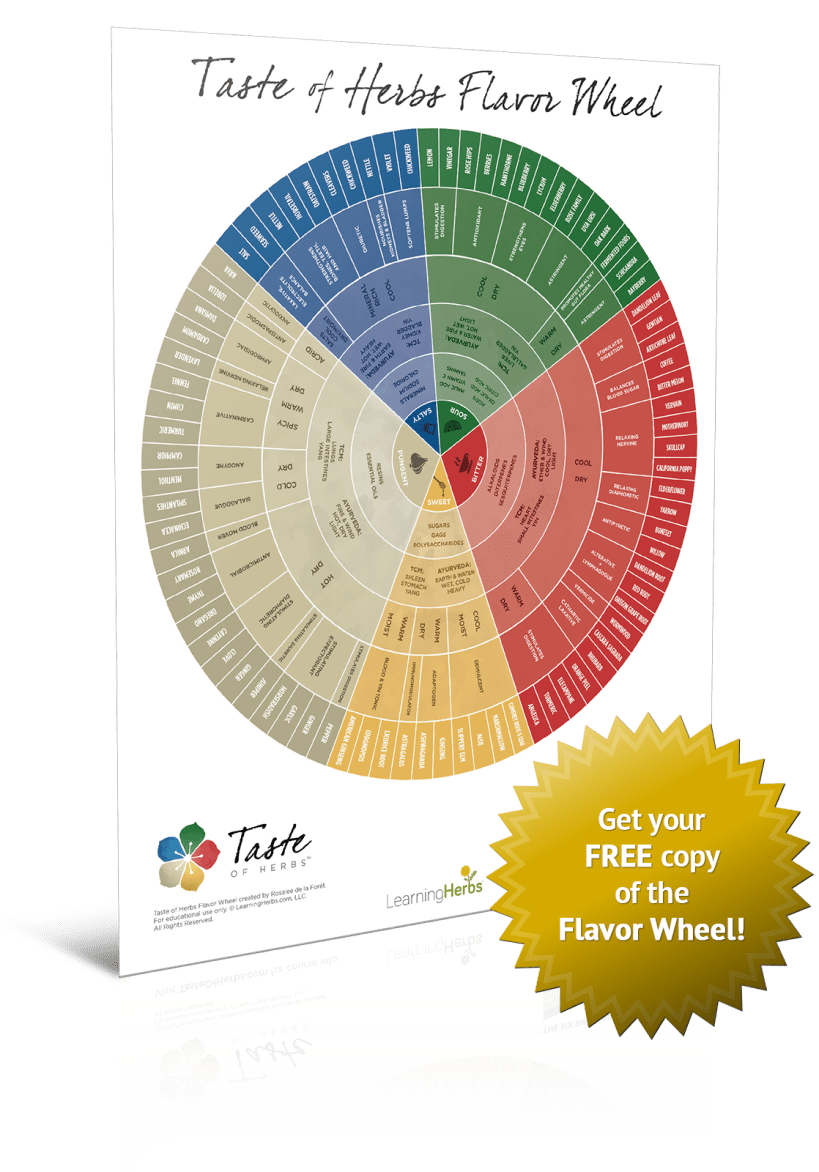
We are thrilled to share with you that Learning Herbs will open their registration this morning for Taste of Herbs with herbalist and best-selling author Rosalee de la Forêt who has created a transformative online training.

Rosalee writes and teaches with such substance, and depth, but also makes it very easy and practical for people to understand.  In Rosalee’s ‘Taste of Herbs’, she has a way of showing people how to understand and apply the energetics of herbs to every day herbalism and it is quite brilliant.

Click here to register!

Source: Getting Results with Herbs, a free training with Rosalee de la Forêt

View original post

LA’AU LAPA’AU | Celery Seed – The Herb Society of America’s Herb of the Month

Celery seed comes from a variety of celery that is different from the celery (Apium graveolens) we see in grocery stores. The seed comes from an ancestor of celery called smallage or wild celery. The smallage variety is native to the Mediterranean area and the Middle East and is grown in India, China, and France specifically for the harvesting of its seeds.  […]

Source: Celery Seed – The Herb Society of America’s Herb of the Month

Foodstyles | Fish Dish

trishlee75's avatarCook Plant Meditate

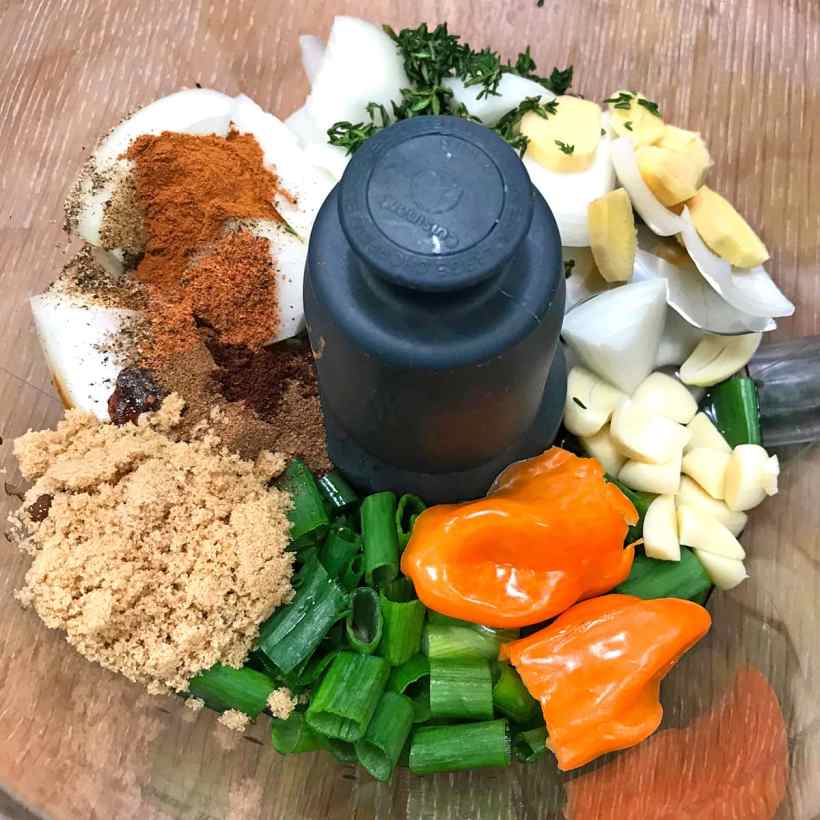
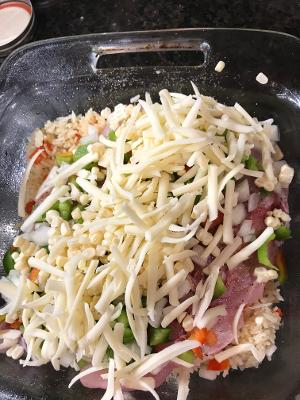
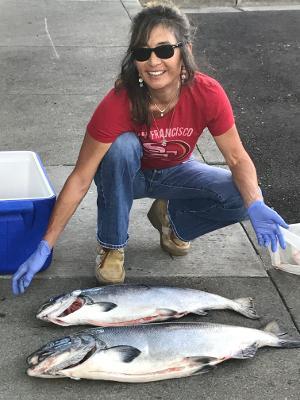
I have to give a huge shout out to a couple of friends on this killer recipe – to Tony, who inspired me with his fish dish (which has ALL of the things – snapper, shrimp and crab), and to Carolyn, the super awesome fisher-woman who recently gifted me what I believe to be ALL of the rockfish in the ocean that day.  But, she knows that no fish goes to waste on my watch.  Thanks fish fairy!  Hope you like the fish dish!

Fish Dish

4 cups rice pilaf (I usually make my own but Rice a Roni or even Spanish rice is fine – just make sure it has flavor – plain white rice won’t do)
Fish filet, skinned (today I’m using rockfish but anything will do)
1 cup diced onion
1 cup diced bell pepper (any color)
3 ears fresh corn, cut from the cob
3 cups…

View original post 92 more words

Movie | Aluna: A Journey To Save The World

Aluna means “conscience “. Enter the last theocratic chiefdom in America, hidden for centuries on a mountain in Colombia. The Kogi have made this amazing documentary to help us understand how to avoid the destruction of the world that they are trying to protect, and of ourselves.

La’au Lapa’au | HSA Webinar: A Recipe for Success

The Herb Society of America's avatarThe Herb Society of America Blog

By Bevin Cohen

I’ve long been amazed by the generous bounty offered to us by Mother Nature. Even as a young boy picking wintergreen berries in the woods, I just couldn’t believe that these tasty treats were available for me to enjoy, in quantities greater than I could ever consume, and the only cost was an afternoon in the shady forest, harvesting the luscious fruits as I listened to the melodious whistling of the birds and the occasional scurried sounds of a startled chipmunk or squirrel. 

As an adult, my appreciation for Nature’s endless gifts has only deepened, and I find IMG_1408myself preaching her message of abundance to anyone willing to listen. Through my work as an author, herbalist, and educator, I’ve been placed in a unique position to share my knowledge, experiences, and passion with audiences the world over, and the core of my message has always remained the…

View original post 517 more words

La’au Lapa’au | Free Online Event Plant Medicine for Modern Epidemics Summit August 24-28, 2020

Crooked Bear Creek Organic Herbs's avatarCrooked Bear Creek Organic Herbs

Never has it been more important and urgent to regenerate your body and build robust immunity than now, in the midst of our global health crisis.

Acquiring the right knowledge about plant allies, and how to source and prepare them, can be life-changing for you and your family.

Some of the plants and fungi of our immediate natural environment offer remarkable healing power. Plants contain a myriad of compounds that can nourish, balance, and support immune function, thereby increasing your body’s built-in resistance to disease.

Join Plant Medicine for Modern Epidemics Summit, where you’ll discover how plants can purify, protect, and support us — as they sharpen our minds, extend our lives, and deepen our connection with this blessed planet.

Free Online Event
Plant Medicine for Modern Epidemics Summit
August 24-28, 2020

Plant Medicine Summit 2020
The summit includes presentations by more than two dozen leading natural medicine experts, health practitioners, and inspiring…

View original post 266 more words

La’au Lapa’au | Edible Flowers from Culinary Herbs

The Herb Society of America's avatarThe Herb Society of America Blog

By Peggy Riccio

Edible flowers with deviled eggs
Deviled eggs with edible herbal flowers(Photo courtesy of Susan Belsinger)

During this time of “unintentional pausing” I have been diving even deeper into the world of herbs. I am growing a wider variety of herbs, watching herbal webinars and cooking demonstrations, and experimenting in the kitchen. Recently, I learned that flowers from culinary herbs are edible. “Edible” in this case simply means one can eat them — not that they are necessarily “tasty.” However, because the flowers are edible, regardless of their taste, they can be used for botanical color and decoration. Think of a painter’s palette with each paint symbolizing a culinary herb in your garden. Think of how that flower can add color and interest to your meals and beverages. Imagine how the flower would look whole, separated, or even minced. The following are great for adding botanical color.

Calendula with egg salad
Pot marigold flowers with egg…

View original post 568 more words

La’au Lapa’au | Safe Passage for Plants & Pollinators: Building GreenBridges™

The Herb Society of America's avatarThe Herb Society of America Blog

By Debbie Boutelier, HSA Past President & GreenBridgesTM Chair
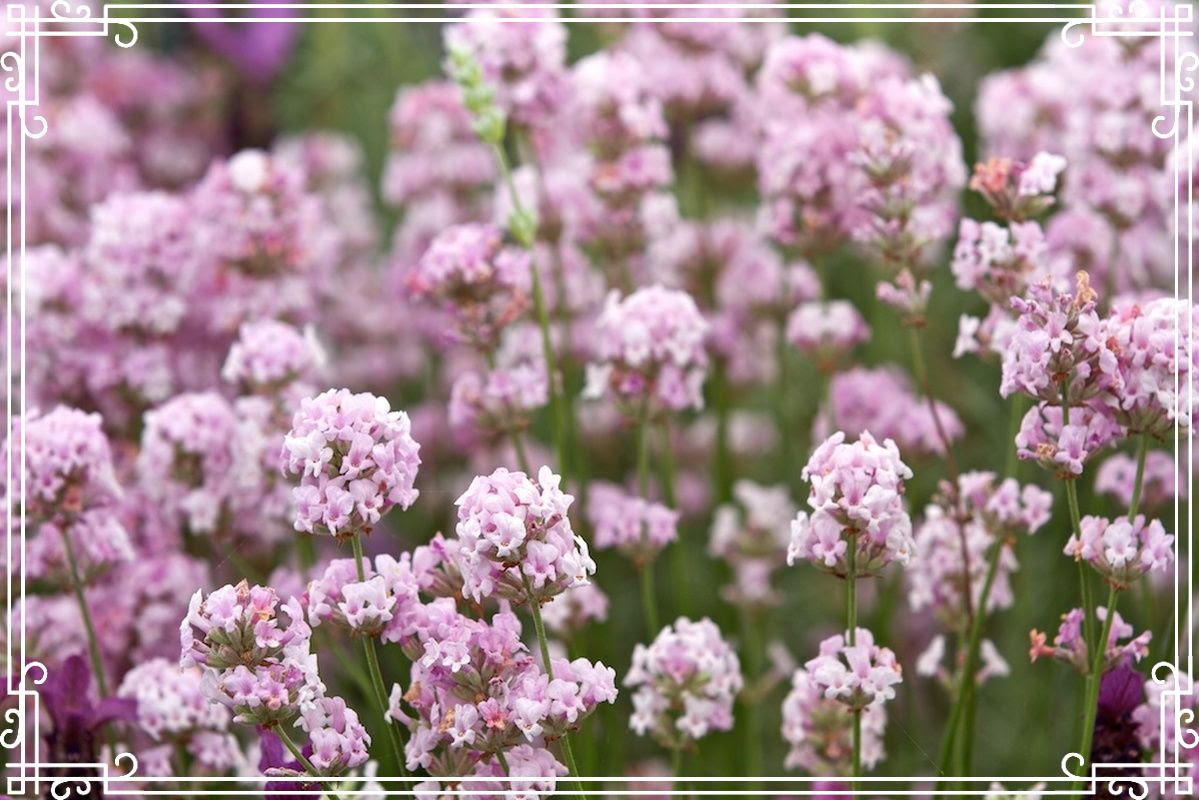
It’s summer and the living is easy for our pollinators. There is an abundance of blooming plants from which to choose. A little here, a little there, moving pollen around from plant to plant and increasing the abundance. It’s glorious now, but come later in the year, it will not be as easy. Our little miracle workers will be struggling to get enough to eat. I’m also reminded as I watch these miracle workers in action that all of this is threatened, and without our help a lot of the abundance may disappear forever.

What can we do to ensure that these summer miracles continue? We can construct GreenBridgesTM that will provide places of respite and offer safe passage for our native plants and our pollinators. The Herb Society of America offers a program to do just that. Get…

View original post 554 more words

La’au Lapa’au | A Day In the Garden – Urban Moonshine

Crooked Bear Creek Organic Herbs's avatarCrooked Bear Creek Organic Herbs

GO INTO THE GARDEN EVERY DAY, NO MATTER WHAT.

That’s the promise I made at the start of the season. It will be a daily ritual, a practice to keep me in tune with the growth and health of the garden, and a sure way not to miss a bit of garden gossip. Like a bustling city full of honking horns, buses whizzing by, and street conversations half-heard, there is endless activity to observe. Cucumber beetles rapidly working to destroy the cucumber crop. Birds ravishing the cherry tree singing loudly to their friends to join in on the feast. Earthworms patiently turning the soil underfoot. Never a dull moment, but you need to go to the garden every day to keep up.

That has been my biggest lesson gardening this year. If you’re not there to enjoy the first ripe strawberries, the squirrels will be happy to take on that…

View original post 1,040 more words

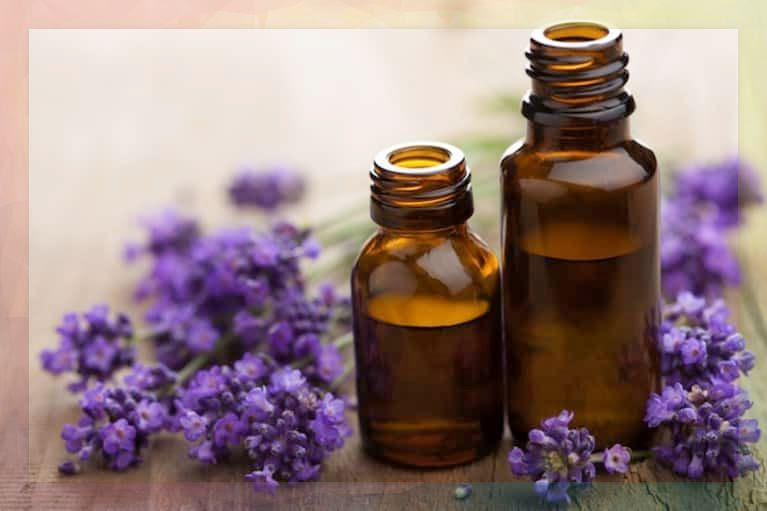
It’s A Lavender Season! Lavender Association of Colorado

Crooked Bear Creek Organic Herbs's avatarCrooked Bear Creek Organic Herbs

The cultivar of the Month

Lavender coloradoJune 2020 Cultivar of the Month
Lavandula angustifolia ‘Hidcote Pink’

Hidcote Pink is another versatile lavender grown in Colorado.  It is an excellent culinary variety.  It produces an exceptionally sweet oil that several growers use in conjunction with other lavender essential oils to make unique blends.  Planted with purple lavenders, the pink flowers make the purple flowers “pop” in the landscape.
Hidcote Pink is not really good for crafting as in drying it loses its pink color and dries to a brown.
Hidcote Pink plants are 30-40″ tall.  Stems are in the 6-10″ range.  Spacing the plants 36″ apart should allow them to remain separate over the years.
Hidcote Pink was developed by Major Lawrence Johnston in Gloucester, England, and became available around 1958.  It is hardy in zones 5-9.  It blooms once in the spring.

lavender dilution

Dilution The Key To Using Essential Oils Safely

We…

View original post 739 more words

NIH Centers for Advancing Research on Botanical and Other Natural Products (CARBON) Program Announce New Research Awards

Crooked Bear Creek Organic Herbs's avatarCrooked Bear Creek Organic Herbs

The Office of Dietary Supplements (ODS) initiated the Centers for Advancing Research on Botanical and Other Natural Products (CARBON) Program in partnership with the National Center for Complementary and Integrative Health (NCCIH)external link disclaimer in 1999, in response to a Congressional mandate.

The purpose of the CARBON Program is to promote collaborative, transdisciplinary research on the safety, effectiveness, and mechanisms of action of botanical dietary supplements that have a high potential to benefit human health and to support the development of methods and resources that will enhance the progress of this research.

The CARBON Program includes Botanical Dietary Supplements Research Centers (BDSRC), two Centers focused on enhancing methods and resources for research on the health effects of complex natural products, and pilot projects collaborating with the Centers. All the Centers are jointly funded by ODS and NCCIH, with additional funding from the National Institute on Aging (NIA) for the 2020-2025 project period…

View original post 279 more words

La’au Lapa’au | What Is Bulbine?

Crooked Bear Creek Organic Herbs's avatarCrooked Bear Creek Organic Herbs

Bulbine frutescensB. latifolia (syn. B. natalensis), and B. narcissifolia
Family: Xanthorrhoeaceae (syn. Asphodelaceae)

INTRODUCTION

Bulbine species are geophytic (plants that have a subterranean storage organ known as a corm), aloe-like succulent perennials with rosettes of fleshy leaves. The amount of water stored above ground (succulence) in Bulbine species, however, may be more important for survival than the amount stored in the corm (geophytism).1 The Bulbine genus includes approximately 78 species2 with a highly disjunct distribution,1 occurring almost entirely in southern Africa,1,2 but with six species in Australia.3 This article concerns the most widely used African species: B. latifolia (syn. B. natalensis), known as broad-leaved bulbine,4 and as rooiwortel (“red root”) in Afrikaans due to its red-orange corm5B. frutescens, known as stalk-bulbine,6 burn jelly plant, cat’s tail, and snake flower7; and B. narcissifolia

View original post 4,651 more words