Lāʻau Lapaʻau | Your Apothecary Cabinet: The Healing Properties Of Herbs

Crooked Bear Creek Organic Herbs's avatarCrooked Bear Creek Organic Herbs

There have been lots of pharmaceutical studies to evaluate the active elements present in herbs to discover the reason as well as the manner in which they work. A relatively outmoded method is to classify the herbs by exploring the types of health conditions that they can aid in curing. Identifying the actions of the herbs and the manner in which they may be employed together forms the basis of a comprehensive approach.

For example, in a number of instances, the action of herbs is owing to certain chemical or a blend of chemicals present in them – the sedative herb valerian is a perfect example of this. Alternatively, the action may also be owing to a multifaceted synergetic interaction between the different elements of the herbs. Nevertheless, the best way to comprehend the actions of the herbs is to consider them as characteristics all together and to interpret the chemical…

View original post 2,900 more words
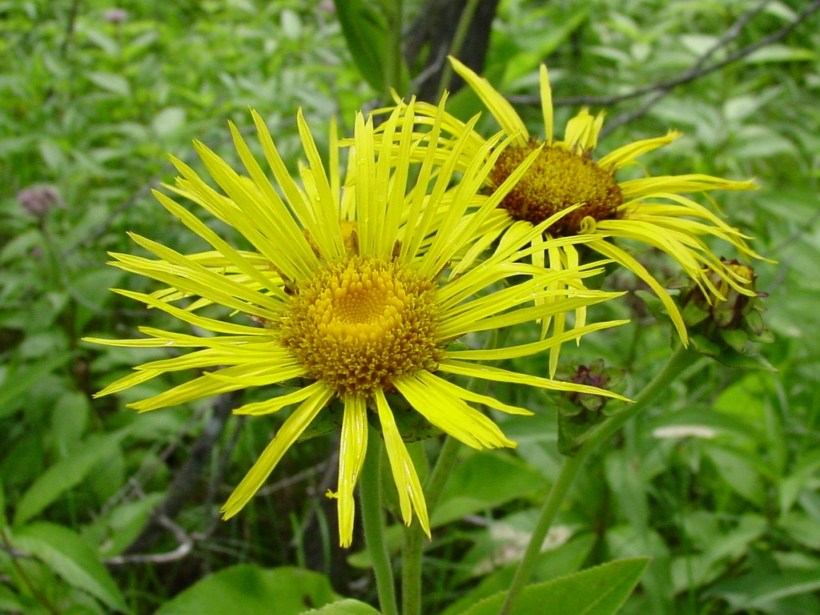
Lāʻau Lapaʻau | What Is Elecampane?

Crooked Bear Creek Organic Herbs's avatarCrooked Bear Creek Organic Herbs

Inula helenium

Also, Known As

  • Elecampane
  • Horseheal
  • Scabwort

Elecampane (botanical name Inula helenium) is a tall, bristly perennial plant that is native to south-eastern Europe and western Asia. This herb, which bears yellow flowers resembling the daisy, has been naturalized in North America and is found growing in abundance in the moist meadows, fields and along the roads in the central and eastern regions of the United States and neighboring Canada. Elecampane belongs to the Asteraceae family and grows up to a height of four to six feet. The herb has a heavy branching stem that emerges from a basal rosette (a circular arrangement of leaves at the base) with leaves that are large, oval-shaped and pointed at the end. The herb bears vivid yellow flower heads during the period between the middle to the end of the summer. The flower heads of elecampane are generally four inches in diameter…

View original post 3,333 more words

Lāʻau Lapaʻau | Amazing Benefits of Ashwagandha Root for Women

Crooked Bear Creek Organic Herbs's avatarCrooked Bear Creek Organic Herbs

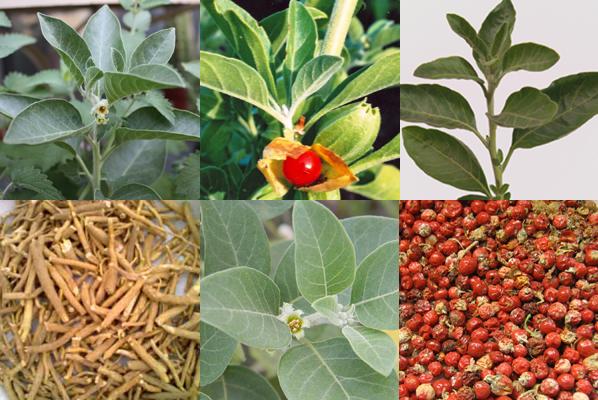
Ashwagandha, also known as Indian ginseng, is an Ayurvedic herb commonly used in traditional Indian medicine. Investigations into the herb’s powerful effects on the body have sparked an explosion of interest, and research has reported the exciting potential for human health, specifically its effects on mental, physical, and emotional health.

Benefits of Ashwagandha Root

Ashwagandha may enhance energy, support aging, and stimulate sex drive. Here are 7 benefits women may experience with ashwagandha.

1. Promotes Graceful Aging

Stress, both metabolic and emotional, dramatically affects aging. Cortisol, the body’s stress hormone, contributes to muscle loss and weakness, wrinkles, and cognitive impairment. Research has found that ashwagandha improves resistance to stress, possibly decreasing cortisol production. One study of 64 individuals observed a reduction in stress and a significant decrease in cortisol levels in individuals taking ashwagandha compared with placebo.

2. Menopausal Support

Ashwagandha acts on the endocrine system by encouraging hormone balance. A study involving…

View original post 889 more words

Lāʻau Lapaʻau | Ashwagandha Root Extract Improves Symptoms of Obsessive-Compulsive Disorder in Patients Taking Selective Serotonin Re-uptake Inhibitors

Crooked Bear Creek Organic Herbs's avatarCrooked Bear Creek Organic Herbs

  • Ashwagandha (Withania somnifera, Solanaceae)

  • Obsessive-Compulsive Disorder

Obsessive-compulsive disorder (OCD), characterized by stressful, repetitive, and intrusive thoughts or obsessions followed by actions or compulsions, is thought to be linked to a defect in the serotonergic system. A common treatment is the use of selective serotonin reuptake inhibitors (SSRIs), but they are considered only mildly effective, with 40-60% of patients failing to respond. In Ayurvedic herbal medicine, ashwagandha (Withania somnifera, Solanaceae) is considered to be a rejuvenating and revitalizing herb. Its roots, which are used to enhance mental and physical health, have anxiolytic and antidepressant properties due to the presence of bioactive glycowithanolides, and the alkaloids withanine and somniferine are used for nervous disorders. Animal studies also have shown it to enhance serotonergic transmission. The goal of this randomized, double-blind, placebo-controlled trial was to verify the efficacy of ashwagandha root extract as an adjunct therapy to treat the…

View original post 511 more words

Lāʻau Lapaʻau | Scarlett Pimpernel

The Wonky Pot Apothecary's avatarThe Wonky Pot Apothecary

(This flower is no longer used due to its toxicity)

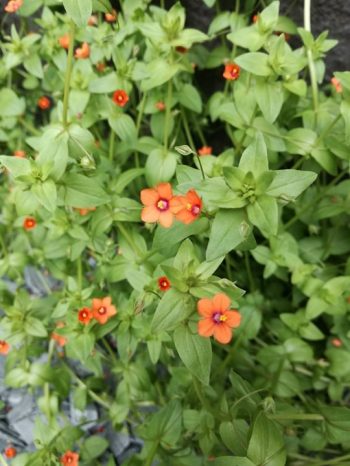
Scarlett Pimpernel

Scarlet Pimpernel

Botanical Name: Anagallis arvensis.

The Genus name Anagallis derives from the Greek word “anagelas”, meaning “to laugh” and probably stems from the notion of the past ages that the herb could boost mood and relieve depression.

Common Names: Red pimpernel, pimpernel, red chickweed, poor man’s weatherglass, bird’s-eye, nonsblom (Norwegian), murajes (Spanish), mouron des champs (French), Acker-Gauchheil (German), nónblóm (Icelandic), puna-alpi (Finnish), rödmire (Swedish), rød arve (Danish).

Family Name: Primulaceae

Habitat: Scarlet pimpernel is most likely native to the Mediterranean region, but has now been introduced to most parts of the world with a temperate climate. It prefers relatively sandy soil and can not tolerate shade very well. The species is spread by agricultural farming and occurs primarily as a weed in farmlands, fields, and gardens. It can also be found growing in fallow land, along…

View original post 1,247 more words

Lāʻau Lāpaʻau | Your Apothecary Cabinet: Herbal First Aid Kit…

Crooked Bear Creek Organic Herbs's avatarCrooked Bear Creek Organic Herbs

Being prepared with my favorite remedies gives me peace of mind on the road or trail, and keeps me from having to search out herbal products in an unfamiliar town — or from having to resort to padding my heels with mullein leaves to ease the agony of a broken blister while on a backpacking trip.

I’ve had plenty of opportunities to put my first-aid kit to use, from treating blisters and bug bites to motion sickness and colds. I choose simple, multipurpose remedies and store them in a small padded nylon lunch box that’s always ready to toss into the car. For backpacking trips, I pare my kit down to arnica gel, echinacea, peppermint and chamomile tea bags, crystallized ginger, insect repellant, a tin of herbal salve, a tiny bottle of lavender essential oil, and an assortment of bandages and moleskin.

With the following herbs and essential oils, you…

View original post 1,626 more words

Lāʻau Lāpaʻau | Your Apothecary Cabinet: Common Base Oils

Crooked Bear Creek Organic Herbs's avatarCrooked Bear Creek Organic Herbs

Vegetable and herbal oil are used in creams, lotions, massage, facial and body oils, gels, and salves.

Sweet Almond (Prunus amygdalis var. dulcis) and Apricot Kernel (Prunus armeniaca): emollients, can relieve itchiness and dryness.


Arnica (Arnica montana): indicated for bruises, varicose veins, burns, strains and sprains, arthritis, and myalgia.


Avocado (Persea Americana): wonderful oil for regenerative skin care, indicated for dry, itchy, or mature skin, antioxidant, nourishes the skin.


Baobab (Adansonia digitata) and Marula (Scelerocara birrea): emollient, soothes inflamed skin, dry skin, sunburn.


Borage (Borago officinalis) and Evening Primrose (Oenothera biennis): excellent regenerative skin care oils, nourishing, indicated for psoriasis, eczema, inflamed and dry skin conditions.


Calendula (Calendula officinalis): anti-inflammatory, wound healing, soothes dry irritated skin, insect bites, cell regenerative.


Coconut (Cocos nucifera): emollient, slightly occlusive to the skin, blend…

View original post 1,233 more words

Lāʻau Lāpaʻau | Your Apothecary Cabinet: Herbal Oils

Crooked Bear Creek Organic Herbs's avatarCrooked Bear Creek Organic Herbs

Herbal oils are simply oils infused with herbs, much as you would steep rosemary in olive oil for culinary purposes. Healing herbal oils can be taken internally for a variety of ailments, can be used externally for therapeutic or daily beauty routines, and can be incorporated into herbal salve recipes. Dried herbs are preferred since fresh herbs will sometimes ferment.

Basic Herbal Oil:

1 cup finely ground dried herbs {flowers, leaves, roots, barks, and/or seeds}

1 1/4 cups almond, jojoba, or olive oil

In a blender or food processor, combine the herbs and oil. Blend or process until puree for greater extractability. Pour the mixture into a clean glass jar with a lid, making sure the plant material is completely submerged in the oil. If it’s not, add more oil until the herbs are covered by about 1 inch of liquid. Cover the jar and store it in a dark…

View original post 775 more words

Lāʻau Lāpaʻau | Hemp Agrimony

The Wonky Pot Apothecary's avatarThe Wonky Pot Apothecary

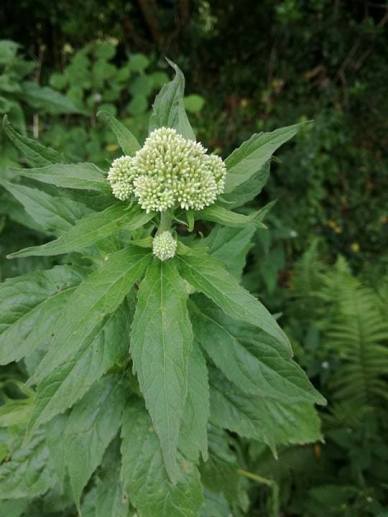
Hemp Agrimony

Hemp Agrimony

Botanical Name: Eupatorium cannabinum L.

The genus name Eupatorium can be traced back to the ancient Greek king Mithridates Eupator (120-63 BC), who apparently was the first to use species in this genus as a medicine. The species name cannabinum is only due to the resemblance the leaves have to hemp leaf (Cannabis sativa) because those two plant species, in fact, are not related.

Other Common Names: Common hemp agrimony, water agrimony, common Dutch agrimony, St. John’s herb, water maudlin, gravel root, sweet-smelling trefoil, holy rope.

Family Name Compositae

Habitat: The plant is found wild in most parts of Europe, but it is also found in West Asia and North Africa. It grows in moist woodlands, fens, marshes and along rivers and canals.

Description: Hemp agrimony is a perennial plant of the Asteraceae family. It can grow up to one and a half…

View original post 480 more words

Lāʻau Lāpaʻau | Know Your Underground Roots

Crooked Bear Creek Organic Herbs's avatarCrooked Bear Creek Organic Herbs

Underground Stems

The underground stems, by being situated below the surface of the soil, protect themselves against unfavorable conditions of weather and the attack of animals and serve as storehouses for reserve food, and in vegetative propagation. Their stem nature can be distinguished by the presence of nodes and internodes, scale leaves at the nodes, axillary buds in axils of scale leaves and a terminal bud. Further, the anatomy of the underground stem resembles that of an aerial stem. The underground stems are of four types namely rhizome, tuber, bulb, and corm.

Rhizome

A rhizome is a thick horizontally growing stem which usually stores food material. It has nodes and internodes, scale leaves, axillary buds, adventitious roots and a terminal bud. Scale leaves enclosing the axillary buds are seen arising from the nodal points of the stem. Some of the axillary buds develop into branches which grow upwards into the…

View original post 338 more words

Lāʻau Lāpaʻau | Know Your Herbal Chemistry

Crooked Bear Creek Organic Herbs's avatarCrooked Bear Creek Organic Herbs

A herbalist should be fully aware of details about the pharmacology of herbs, a basic understanding of it is more than enough. Herbs are used for healing the human body, they are considered to be holistic agents, and they are used on a physical and biochemistry level. Many pharmacologists try to find out the constituents of herbs, place them according to their chemical groups and have done numerous research and have found herbs to be very complex in their characteristics. Herbs contain a huge variety of chemicals like water, inorganic salt, sugars, carbohydrates, proteins that are highly complex, and alkaloids.

Plant Acids:

An example of weak organic acids is generally found among plants, lemon is the perfect example of citric acid. Organic acids can be split into those based on a carbon chain, and those, which contain a carbon ring in their configuration, but what both have in common is the…

View original post 2,106 more words

Hawai’i’s Endangered Birds | Queen Emma’s favorite Maile Palila

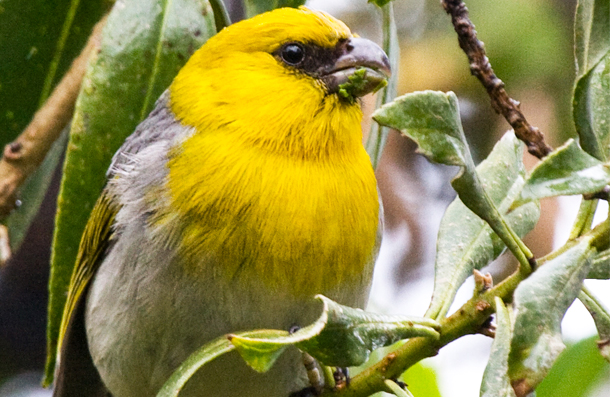
This bird was favored by Queen Emma for its song.  The Palila is only found in the sub-alpine forest of Mauna Kea on the island of Hawai’i. It was one of the original species listed in the Endangered Species Act. Unfortunately this unique bird is still in trouble, and its population has declined precipitously in recent years. Hawai’i is the bird extinction capital of the world which is why American Bird Conservancy has launched a campaign to protect Hawaiian birds.


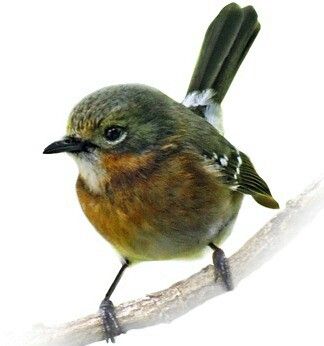
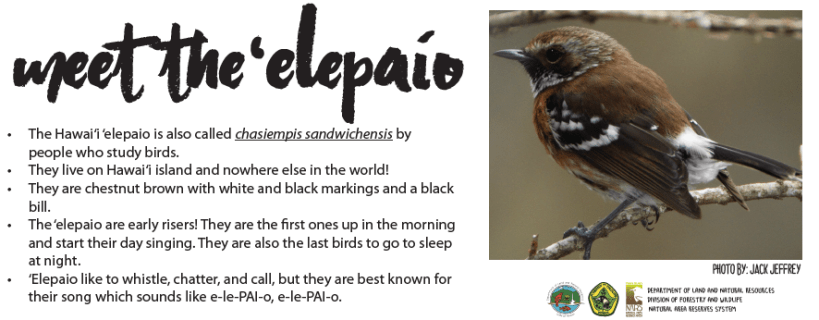
Meet Hawai’i’s State Bird – ‘Elepaio (Endangered Species)

‘Elepaio are one of the most curious and approachable birds in the forest.  They will often follow hikers and come within just a few feet of them.  This bird is from the subpopulation found only in the sub-alpine forests of Mauna Kea.  While ‘elepaio look cute and harmless, males have been known to fight to the death when an intruder enters their territory.  The ‘elepaio’s song is the first heard at daybreak and the last song heard at sunset.  These birds are also an important species for wa’a or canoe builders because these little birds serve as guides helping these craftsmen choose the best koa trees for building the canoe hulls.

The Hawai’i Audabon Society puts out a monthly newsletter keeping bird lovers and bird aficionados abreast of the latest developments in Hawai’i’s fight to save it’s endangered avian friends.

Upload and Read the May/June 2018 edition here.


These 4 Plants For Your Bedroom Will Cure Insomnia and Sleep Apnea – Healthy Food House

Unfortunately, numerous people nowadays suffer from sleep disturbances, night terrors, insomnia, or sleep apnea. Yet, there is a simple and natural way to improve your sleep and finally get some rest! All you need to do is to place one of the following plants into your bedroom and enjoy the calm and relaxing atmosphere: Snake […]

Source: These 4 Plants For Your Bedroom Will Cure Insomnia and Sleep Apnea – Healthy Food House

Nā Pōhaku Laʻāu | Copper

Despite its red color, #copper is identified with the element of Water.  Its astral counterpart is the planet #Venus … hence, the attribution of this metal to the goddesses associated with the planet Venus, including Ishtar and Astarte.  Today’s magic includes knowledge about the ability of copper to conduct electricity.  For this reason, it is often used to produce wands used in rituals focused on energy management.  This translates into healing magic — especially in the course of these practices, which aims to balance the polarity of the body and remove any disturbances in the flow of energy that could lead to diseases.  It is believed that carrying a piece of copper with you contributes to the overall improvement of your health and prevents diseases.  Another known property of copper is its ability to relieve the symptoms of rheumatic disease and arthritis.

Contemplations …

A recent study found that marriage has actual health benefits. Married people live longer, have fewer strokes and fewer heart attacks than people who are single. Scientific or not, I find that study incredibly irritating. Happily, there are other studies that tell us the real truth about the health benefits of marriage … which is that the benefits have nothing to do with marriage at all … because those studies have shown that staying in an unhappy marriage is the worst thing you can do for your health and for your children. So, better health is a direct result of healthy relationships. You don’t need a spouse. You just need someone you can trust. You need someone you can talk to. You need someone who will celebrate your wins and grieve your losses. You need someone who can forgive you. You need someone who will show up, no questions asked … and walk with you through every unexpected twist and turn life throws your way. What we find in a soulmate, a life partner, is not something wild to tame, but something wild to run with.

Hau’ōli lā Pō’ahā

Aloha e Hau’ōli lā Pō’ahā. Mai hō’oni i ka wai lānā mālie. Ō kā maluhia nō me ‘oe.

Greetings and Happy Thursday. “Do Not Disturb the Water That is Tranquil.” When you find yourself not enjoying the peace and quiet of a supposed relaxing day, remind yourself not to interrupt your own peaceful thoughts. It’s not always easy but it sure makes for a refreshed soul when life starts back up again. Peace be with you.