
Hauʻōli aloha Pōʻakāhi
Were only Hawaiians part of the Hawaiian Kingdom or were non-Hawaiians also citizens? Was it just Hawaiians who tried to prevent the overthrow and illegal US occupation? Why were non-Hawaiians living there and what did they do when the Kingdom government came under attack? Join us in our fascinating interview with Dr. Willy Kauai as he shares with us his amazing discoveries in researching who the real citizens were and why they fought so hard for their beloved Kingdom.
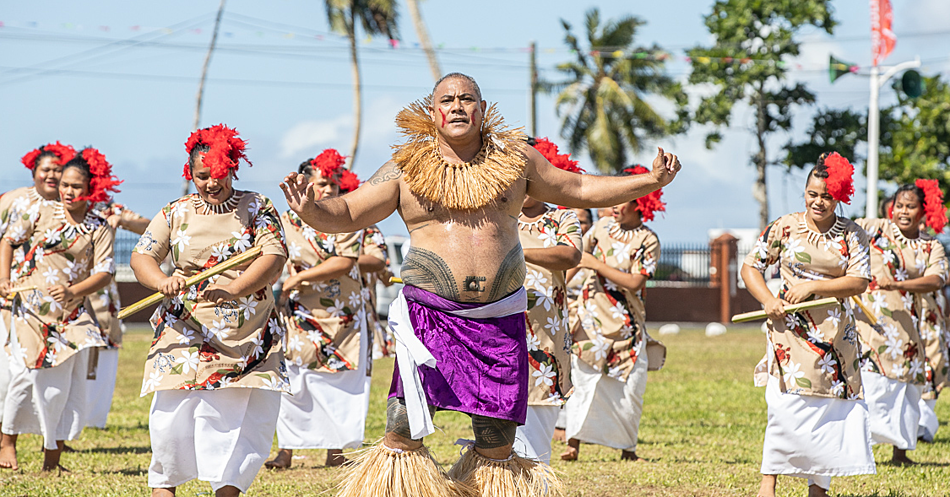
More than a hundred villagers from Toamua performed various traditional Samoan dances to honor the sacrifice made by ancestors to attain independence.

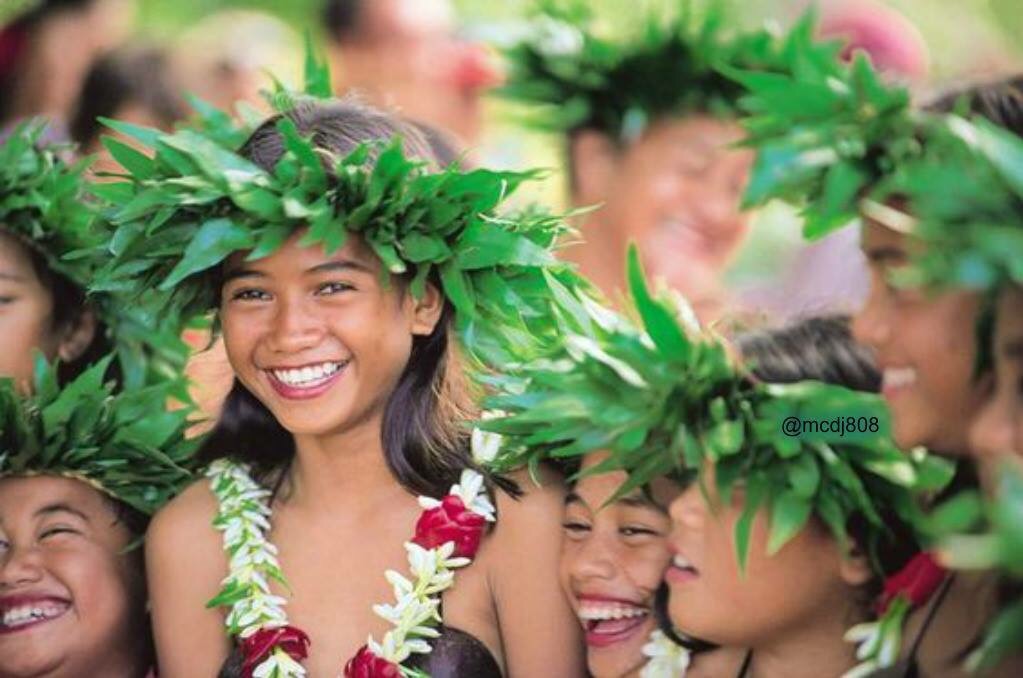






Lāʻieikawai, the Beauty of Paliuli, was born into a family of aliʻi (chiefs) and taken by her grandmother Waka to be raised safely in the forest of Paliuli. She is the most beautiful woman in all of Hawaiʻi, and is pursued by a lengthy line of suitors. Enjoy this reenactment of a traditional epic Hawaiian tradition about family love and duty, a bit of adventure, and friendship.
Read article here: https://oiwi.tv/laieikawai/









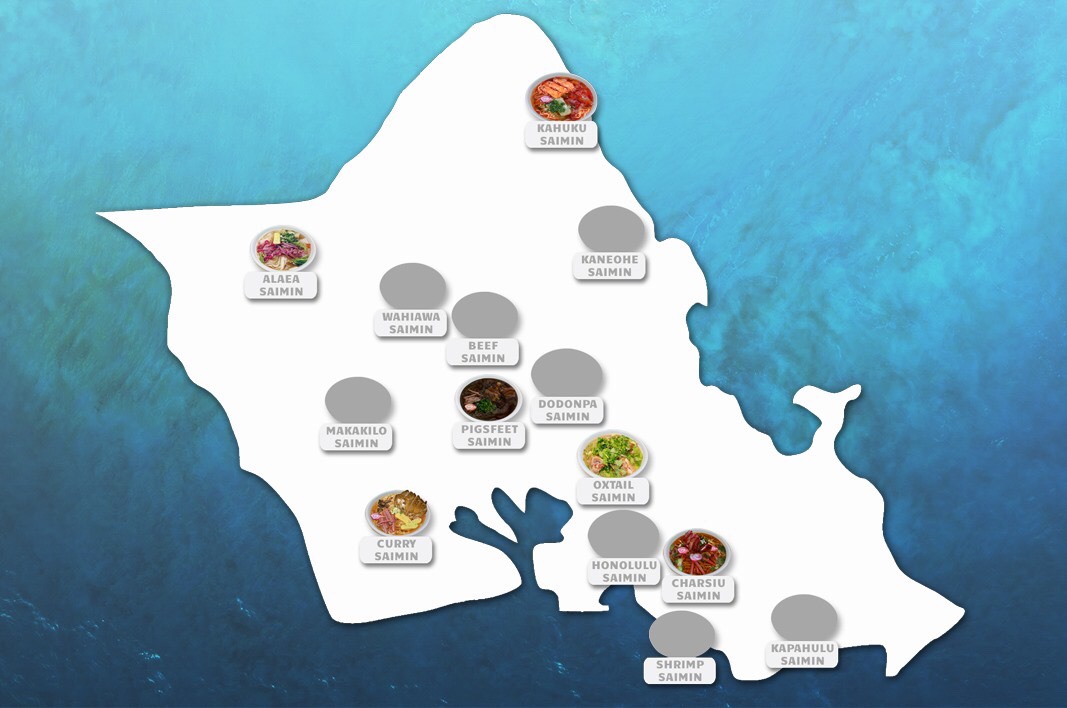
Hawaiʻi is in the beginnings of a saimin development period. From lost saimin stands of the old time favorites to the long lasting mom and pop stores that remain to visitor standards, there are hidden recipes around the island in family homes.
You want lightly tasty dashi broth done da local-style way? Thicker and curly, drymein noodles with condensed sauce on the side? Beef Curry saimin? You want it in Pearl City? In Kalīhī? In Wahīawa? Onolicious eats!
Here is my personal definitive story map of ʻŌʻahu’s saimins, marked with every saimin story I could track down on the island, with a little bit of difference in every bowl. It is too bad I can’t yet find all the stories and recipes that can make even more people crave this delicious, yet disappearing dish!
The growth of Saimin is a trail of houses with kama’āina secret recipes, stories of closed establishments, and those who survived the noodle wars of ramen and pho. As people may mention the good old days with nostalgia of living during a time period of various Saimin stands it is important we also figure out what many of those variations were and where they came from. No one should forget about the light tasting warm soup that is perfect during the day or the night with a air conditioner and many sides. There are many variations of Saimin shops that are still on the island of ʻŌʻahu as well as on other islands, so it can be difficult to figure out which might be the essential expected saimin versus a regional or specialty dish. Hopefully this list will help those who wish to know the difference of the many types.
Saimin stands eventually turned into small saimin shops that tended to be not to hard to find with a line of people and a limited counter seating arrangement. There was a noticeable passion for saimin that had slowly vanished with the globalized competition bringing deeper flavored broths, light broth competitors, and noodle variations to the soup wars in hawaii. But, there are still some saimin shops that survived and continue to grow its following of people following them with their additions of miso, curry, and kimchi flavored broths. This change is what would start getting people interested back into local Hawaii cuisine in its changes to adapt to the competition of global cuisine dishes that entered the market.
The exploration of those who hunger for Saimin have turned to the elderly, the internet, and the everyday working man for stories of what was and what still is in the noodle scene. In ʻŌʻahu it seems that the list of variations had grown in the homes and began being experimented with at restaurant establishments to make saimin shops feel a renewed energy of enthusiastic saimin eaters. The steaming delicious bowls of tasty toppings will soon be understood in the collection of articles within this growing list.
A bowl of saimin consists of several elements: the broth (dashi), the sauce, the noodles, and the toppings. The broth tends to have a mixture of poultry carcasses, meat bones, fish bones, shells, and/or mushrooms. Many variations started off with shellfish of clams, shrimps, or scallops as a bases for the broth or the looked down upon shellfish free soups. Diners use specific categories as simple terms that broadly describe the basis of a flavor, because many shops will specialize specifically on a particular saimin-style: alaea, konbu, shrimp, beef, and pork.
Alaea (salt) is the Salty seasoning used with dry shrimp. The beginnings of saimin was built from the dried seafoods eaten as snacks in the plantation fields, but none more than dried chicken, dried shrimps, dried ginger, and sometimes dried mushrooms.
Dried Seaweed Kelp. Using the kelp of the ocean makes for a light shade of green, and seafood is added to make another category of saimin. There are few places that specialize in this style, many shops offer it as just saimin with a secret recipe that offers a blend of seafood mixtures that tend to include dried scallop and fish bones.
Fermented shrimp paste (mam tom shrimp paste), dried garlic, pork bones, tomato paste, and shrimp shells. The name comes from the primary after taste of the broth that is the savory shrimp.
Beef bones from all over the animal. As many other varieties it is based on a key ingredient in which its name is derived from.
Pork bones. The ingredient of roasts and the oils that can be saved in the form of kalua, char siu, and sweetened black vinegar gives shops many variations of possibilities with pork saimin.


Find Your Magic
Tarot Readings, Inspiration, and Self-Empowerment
Making life on earth magick one moon phase at a time.
Astrologer ~ Mystic ~ Writer
of the Collegium Spiritus Sancti, a Golden Dawn Society
An affiliate of the Alpha et Omega Order of Melchizedek
All Knowledge Is Not Contained In Only One School
Connecting the grant community to #LearnGrants
Channelings & Articles
Magic Spell Books & Grimoires
Native Hawaiian Language Revitalization
Poetry & Tales of Love, Mystery, Magic and Spirituality
Organic Herbs, Herbals, Sustainable Gardening
Mother Nature: Feeding The Mind, Body & Soul, with Food, Medicine & Skincare.
"Inheritor of a Dying World, we call thee to the Living Beauty. Wanderer in the Wild Darkness, we call thee to the Gentle Light..."
Time is the most important thing we've been given
Embracing the Divine Within.
"...That I should bear witness to the truth." - John 18:37 // David E. Robinson, Publisher
 Hālau 'Aha Hui Lānākila