
Many associate Aloha shirts, hula dancing, and surfing with Hawaiian culture. Beloved by many around the globe, the paradisiacal islands exude romance and relaxation. However, the story of how America acquired Hawaii is much less pristine than the sparkling oceans and beaches on postcards and travel brochures. Struggle and oppression fill Hawaii’s history, as the United States forced the islands into becoming US territory. Much like the Native American Trail of Tears, the story of how Hawaii became a state brims with hostile takeovers, as well as displaced and mistreated Native inhabitants. […]
Source: How The US Has Systematically Destroyed Hawaiian Culture For 240 Years




As with other indigenous cultures, Hawaiian knowledge adds a vital element to science. From a Native Hawaiian perspective, modern science is a valuable tool but may lack an element needed to solve […]
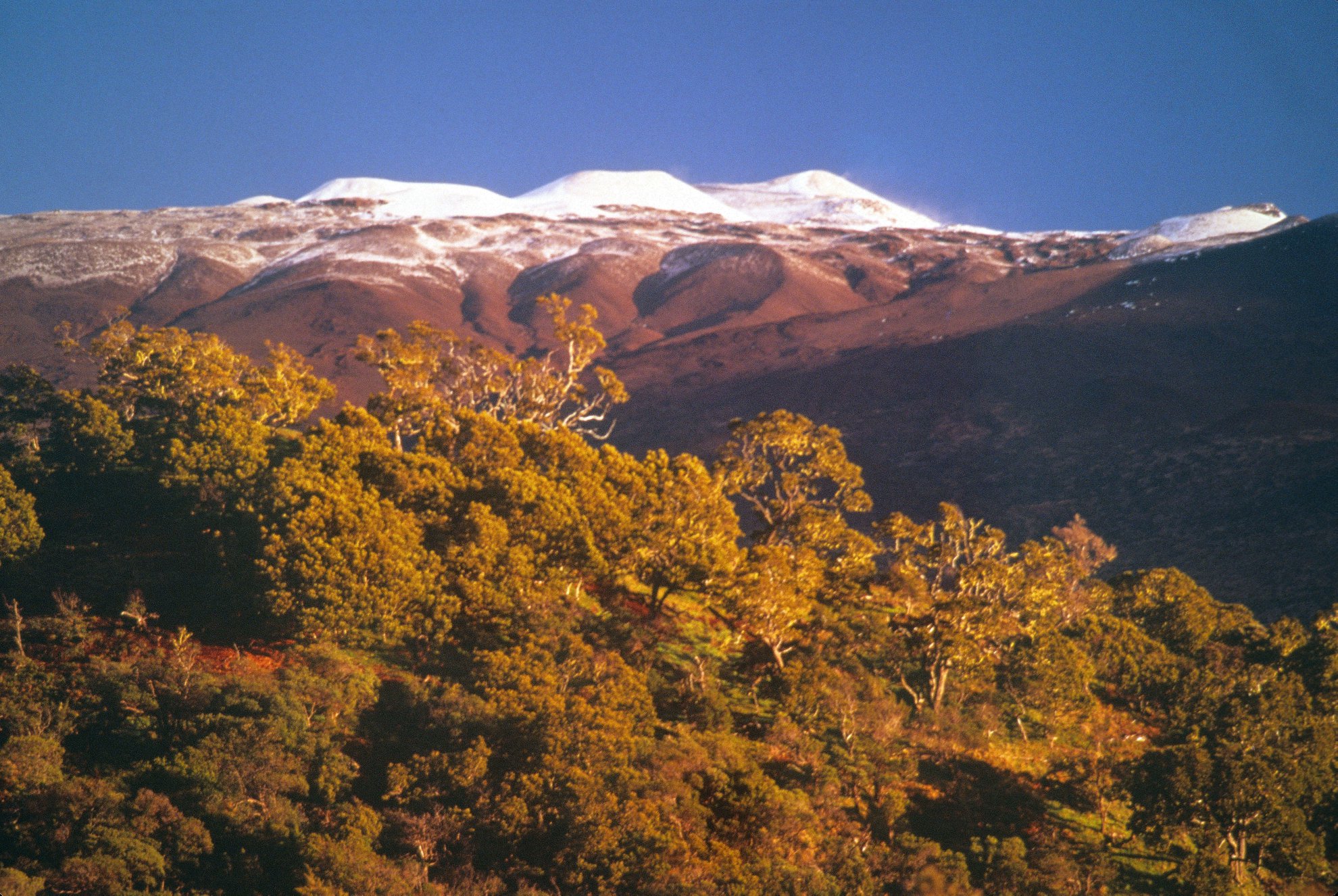
In the story of Kea’omelemele, told by Moses Manu in 1885, Kalau’okōlea, the younger sister of Poliʻahu played a tune on a puʻa (gourd whistle) while Kulukuluokahiki was staying at the house of Poliʻahu on Mauna Kea. The night-time trilling enchants and delights Kulukuluokahiki and his party, and culminates in love-making. Kulukuluokahiki with Poliʻahu, and his men with the sisters Lilinoe and Kalauokōlea. In the chill of the frosty borderlands of Poliʻahu, the tune of the puʻa/hōkiokio warms the bosom and foreshadows the shared warmth to come.
But what is also remarkable to me is the mention in the mele of no less than four kinds of singing land snails, indicating how important these are in Hawaiian cultural foundations:
Moe ana ʻoe la hoʻolono iki mai
E piʻi kāua i ka hua lamalama
I ka lau ʻākōlea i ke kapa kāhuli
Kāhuli aku, kāhuli mai
Kāhuli lei ʻula lei ʻākōlea
Kolekolea, kolekolea
Pūpū kani oe maiau kēlā
Pololei leo leʻa kapa hau o uka
Mehana i kuʻu poli
Hiʻolani kēlā kolekoleaLie there, and listen a while
as we two climb by kukui torchlight
Among the fronds of ʻākōlea ferns, the garment of snails
Land snails transforming, changing back and forth
Changing from a red lei into a lei of ʻākōlea ferns
Kolekolea land snail, singing in a whistling voice
Such a skillful, exquisite singing snail
Pololei snail singing joyfully at the edge of the upland snows
Warming my bosom
as I lie at ease amidst that chorus of snails singing.
Additional note: kolekolea is the singing of the land shell, also considered another name for the kahuli.
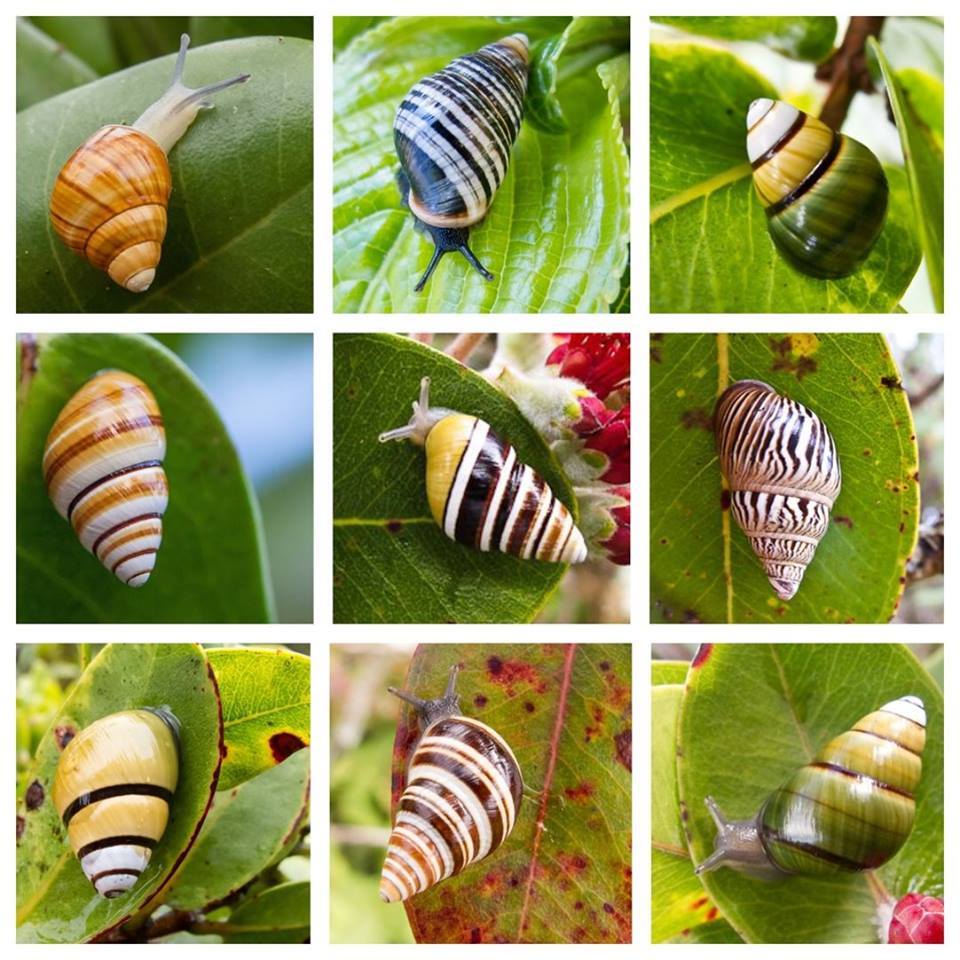
Pololei is another snail name, often followed by the epithet kani kuamauna. Kuamauna, which is a zone close to the summit of a mountain, suggests that the pololei is a high elevation snail, of the high montane or subalpine region, in this case, just below snow line on Mauna Kea!




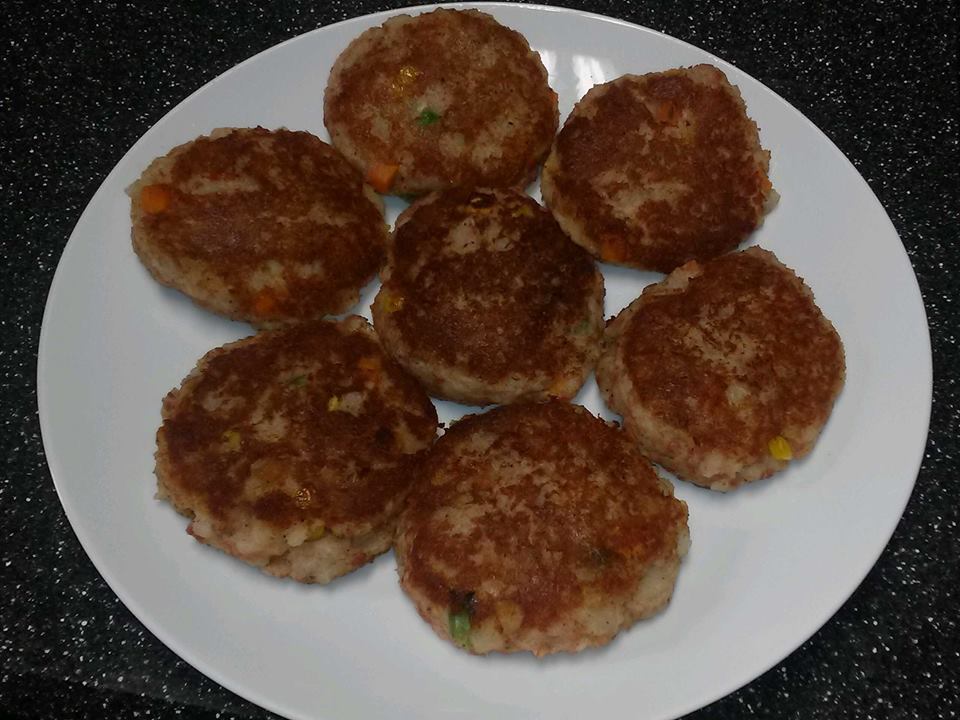 For me these days, comfort foods are things that remind me of growing up in Hawaii. Corned Beef Hash Patties are one of those things. I remember my mom making them and, also, getting them at the Ok […]

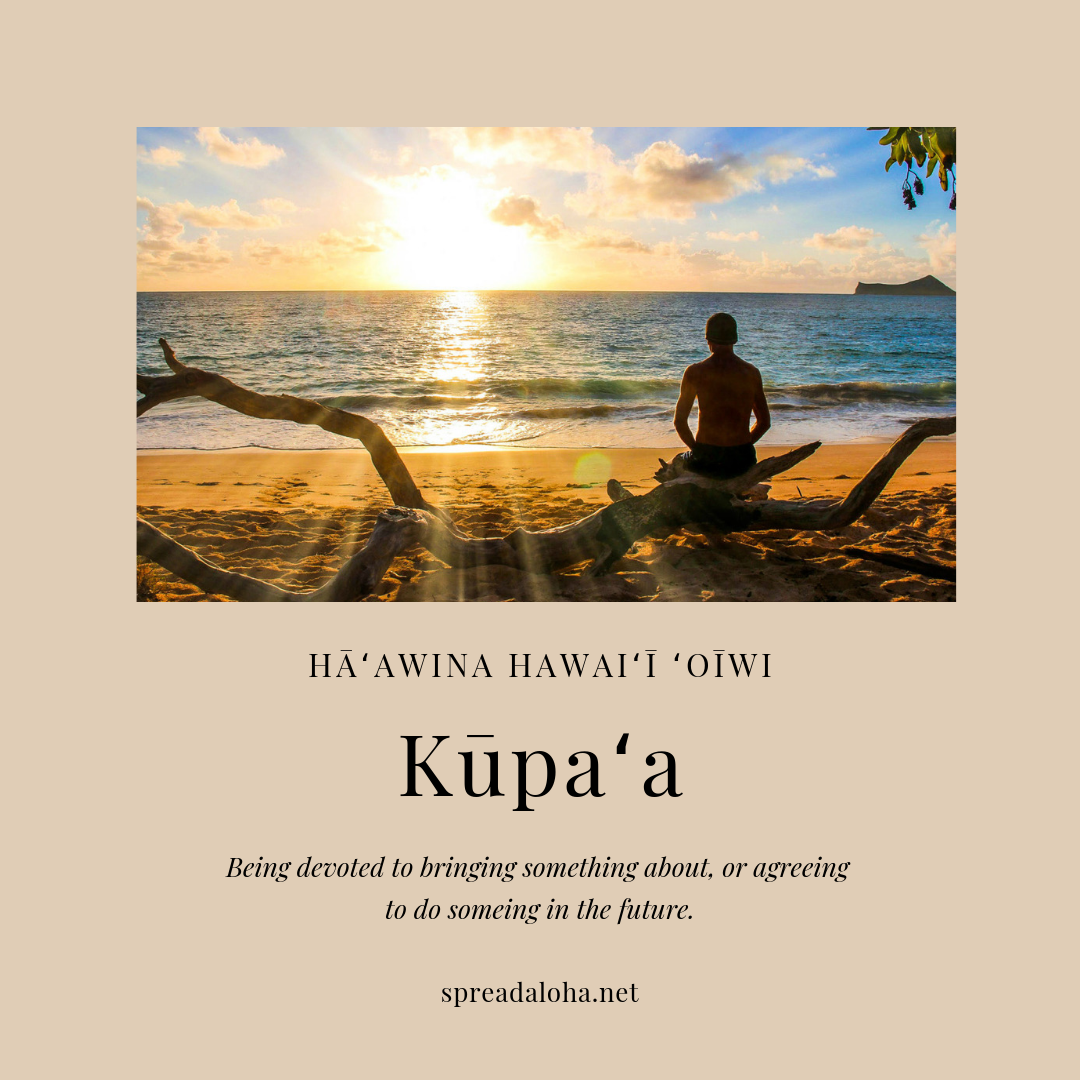
Fill in the blanks for yourself, or in your posted comments below:
________________________________ is important to me.
So, I am making the commitment to _____________________________________.
I will live up to that commitment by taking this action: ________________________________________________________________________.


Find Your Magic
Tarot Readings, Inspiration, and Self-Empowerment
Making life on earth magick one moon phase at a time.
Astrologer ~ Mystic ~ Writer
of the Collegium Spiritus Sancti, a Golden Dawn Society
An affiliate of the Alpha et Omega Order of Melchizedek
All Knowledge Is Not Contained In Only One School
Connecting the grant community to #LearnGrants
Channelings & Articles
Magic Spell Books & Grimoires
Native Hawaiian Language Revitalization
Poetry & Tales of Love, Mystery, Magic and Spirituality
Organic Herbs, Herbals, Sustainable Gardening
Mother Nature: Feeding The Mind, Body & Soul, with Food, Medicine & Skincare.
"Inheritor of a Dying World, we call thee to the Living Beauty. Wanderer in the Wild Darkness, we call thee to the Gentle Light..."
Time is the most important thing we've been given
Embracing the Divine Within.
"...That I should bear witness to the truth." - John 18:37 // David E. Robinson, Publisher

 Hālau 'Aha Hui Lānākila