
We are authors of our destination.
– The Japanese tradition 2020
✿⊱╮✿⊱╮ ✿⊱╮✿⊱╮✿⊱╮
We are authors of our destination.
– The Japanese tradition 2020
✿⊱╮✿⊱╮ ✿⊱╮✿⊱╮✿⊱╮

Hitānukampī sambuddho
yadaññamanusāsati,
anurodhavirodhehi
vippamutto tathāgato.
When the Buddha teaches others
he does so out of compassion,
because the Tathagata is wholly freed
from both favour and aversion.
Saṃyutta Nikāya 1.150
Gemstones of the Good Dhamma, compiled and translated by Ven. S. Dhammika
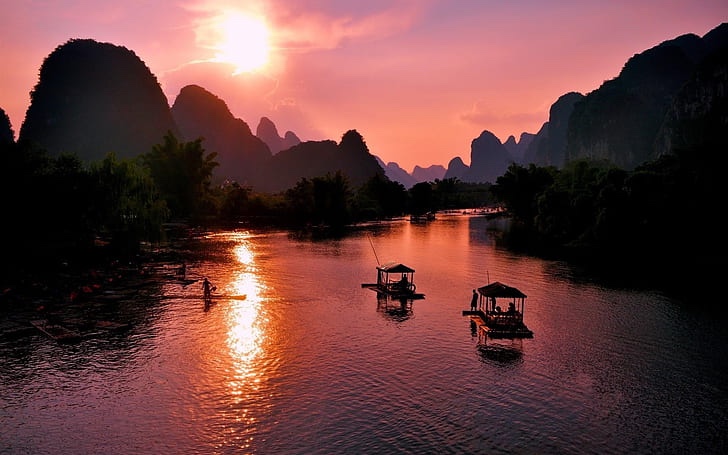
Lesson from a Monk | The Empty Boat …
A monk decided to meditate alone, away from his monastery.
He took his boat out to the middle of the lake, moored it there, closed his eyes and began meditating. After a few hours of undisturbed silence, he suddenly felt the bump of another boat colliding with his own.
With his eyes still closed, he felt his anger rising, and by the time he opened his eyes, he was ready to scream at the boatman who had so carelessly disturbed his meditation. But when he opened his eyes, he was surprised to find that it was an empty boat that had struck his own. It had probably gotten untethered and floated to the middle of the lake.
At that moment, the monk had a great realization.
If a man is crossing the river and an empty boat collides with his own skiff, even if he is not a bad tempered man, he will not get angry, but if he sees a man on the boat, he will shout at him to steer clear, if the shout is not heard, he will shout again, and yet again and begin cursing, and all because there is somebody in the boat, yet if the boat were empty he would be shouting and not angry, if you can empty your own boat, crossing the river of the world, no one will oppose you, no one will seek to harm you.
🥀 Chuang Tzu
Carañce nādhigaccheyya
seyyaṃ sadisamattano,
ekacariyaṃ daḷhaṃ kayirā;
natthi bāle sahāyatā.
Should a seeker not find
a companion who is better or equal,
let one resolutely pursue a solitary course;
there is no fellowship with the fool.
Dhammapada 5.61
The Dhammapada: The Buddha’s Path of Wisdom, translated from Pāli by Acharya Buddharakkhita

Jayaṃ ve maññati bālo
vācāya pharusaṃ bhaṇaṃ,
jayañcevassa taṃ hoti
yā titikkhā vijānato.
The fool thinks one has won a battle
when one bullies with harsh speech,
but knowing how to be forbearing
alone makes one victorious.
Saṃyutta Nikāya 1.189
Gemstones of the Good Dhamma, compiled and translated by Ven. S. Dhammika
Uttiṭṭhe! Nappamajjeyya!
Dhammaṃ sucaritaṃ care.
Dhammacārī sukhaṃ seti
asmiṃ loke paramhi ca.
Arise! Do not be heedless!
Lead a righteous life.
The righteous live happily
both in this world and the next.
Dhammapada 13.168
The Dhammapada: The Buddha’s Path of Wisdom, translated from Pāli by Acharya Buddharakkhita
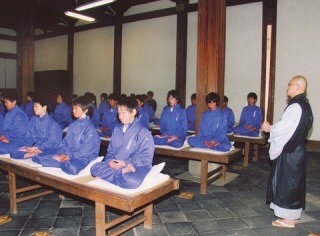
Through Zazen,
Just know your satisfaction.
Throw away your thinking,
Look purely as it is.
Zazen is the training for that.
-The Zen Mind 2020
✿⊱╮✿⊱╮ ✿⊱╮✿⊱╮✿⊱╮

Kāyena saṃvutā dhīrā,
atho vācāya saṃvutā manasā saṃvutā dhīrā.
Te ve suparisaṃvutā.
The wise are controlled in bodily action,
controlled in speech and controlled in thought.
They are truly well-controlled.
Dhammapada 17.234
The Dhammapada: The Buddha’s Path of Wisdom, translated from Pāli by Acharya Buddharakkhita
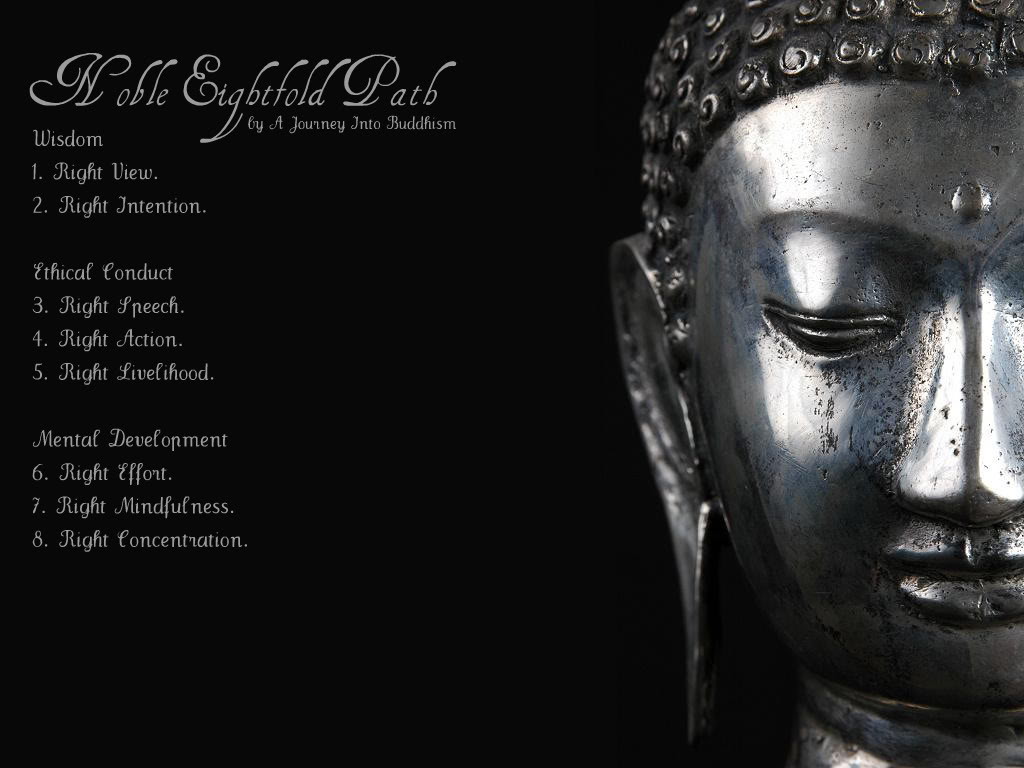
Kāyamuniṃ vācāmuniṃ,
manomunimanāsavaṃ,
muniṃ moneyyasampannaṃ.
Āhu ninhātapāpakaṃ.
Silent in body, silent in speech,
silent in mind, without defilement,
blessed with silence is the sage.
One is truly washed of evil.
Itivuttaka 3.67
Gemstones of the Good Dhamma, compiled and translated by Ven. S. Dhammika

Manopakopaṃ rakkheyya;
manasā saṃvuto siyā.
Manoduccaritaṃ hitvā,
manasā sucaritaṃ care.
Let one guard oneself against irritability in thought;
let one be controlled in mind.
Abandoning mental misconduct,
let one practice good conduct in thought.
Dhammapada 17.233
The Dhammapada: The Buddha’s Path of Wisdom, translated from Pāli by Acharya Buddharakkhita
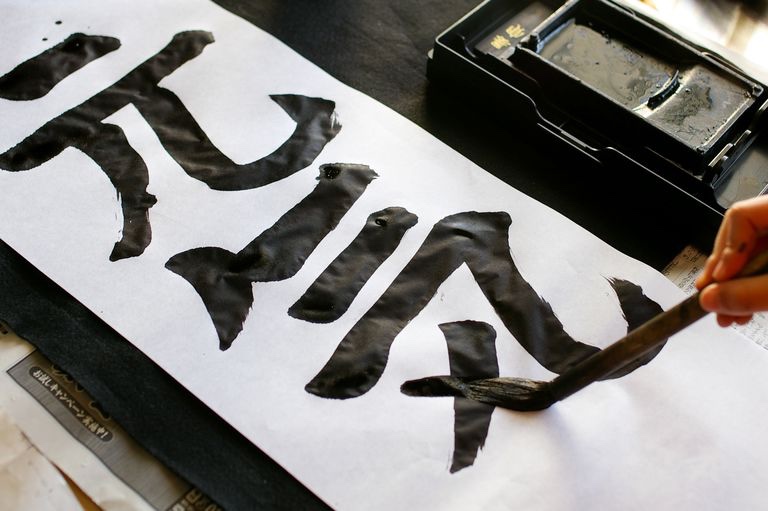
In Japan, greeting people with appropriate Japanese words is very important. The New Year, in particular, is the most important time of the year in Japan, equal to the Christmas or the yuletide season in the West. So, knowing how to say Happy New Year in Japanese is probably the most important phrase you can learn if you plan to visit this country, which is steeped in social custom and norms. […]
Source: https://www.thoughtco.com/happy-new-year-in-japanese-2027849

Vacīpakopaṃ rakkheyya;
vācāya saṃvuto siyā.
Vacīduccaritaṃ hitvā,
vācāya sucaritaṃ care.
Let one guard oneself against irritability in speech;
let one be controlled in speech.
Abandoning verbal misconduct,
let one practice good conduct in speech.
Dhammapada 17.232
The Dhammapada: The Buddha’s Path of Wisdom, translated from Pāli by Acharya Buddharakkhita

Yadūnakaṃ taṃ saṇati,
yaṃ pūraṃ santameva taṃ.
Aḍḍhakumbhūpamo bālo,
rahado pūrova paṇḍito.
Things that are empty make a noise,
the full is always quiet.
The fool is like a half-filled pot,
the wise one is like a deep still pool.
Sutta Nipāta 3.726
Gemstones of the Good Dhamma, compiled and translated by Ven. S. Dhammika

Na tena paṇḍito hoti
yāvatā bahu bhāsati.
Khemī, averī abhayo
‘‘paṇḍito’’ ti pavuccati.
One is not wise
because one speaks much.
One who is peaceable, friendly and fearless
is called “wise”.
Dhammapada 19.258
The Dhammapada: The Buddha’s Path of Wisdom,
translated from the Pali by Acharya Buddharakkhita

Sukho viveko tuṭṭhassa,
sutadhammassa passato.
Abyāpajjaṃ sukhaṃ loke —
pāṇabhūtesu saṃyamo.
Solitude is happiness for one who is content,
who has heard the Dhamma and clearly sees.
Non-affliction is happiness in the world —
harmlessness towards all living beings.
Udāna 2.11
Gemstones of the Good Dhamma, compiled and translated by Ven. S. Dhammika

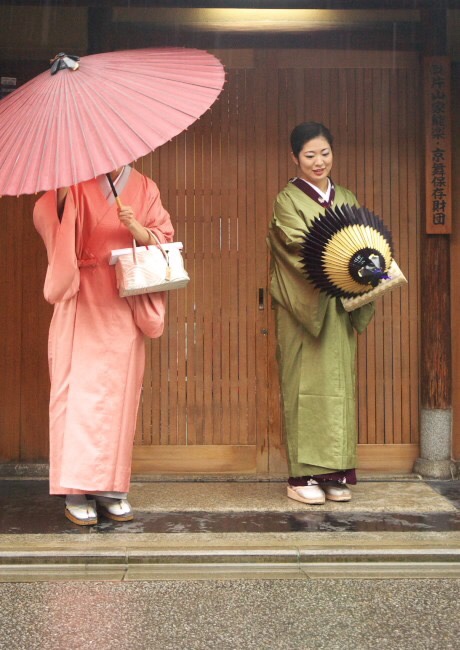
Today, I will…
be a grateful mind,
count my blessings,
share kindness.
The Japanese tradition 2019
✿⊱╮✿⊱╮ ✿⊱╮✿⊱╮✿⊱╮

Karaṇīyamatthakusalena
yanta santaṃ padaṃ abhisamecca:
Sakko ujū ca suhujū ca,
sūvaco cassa mudu anatimānī,
santussako ca subharo ca,
appakicco ca sallahukavutti,
santindriyo ca nipako ca,
appagabbho kulesvananugiddho.
Na ca khuddamācare kiñci
yena viññū pare upavadeyyuṃ.
This is to be done by one skilled in aims
who wants to break through to the state of peace:
Be capable, upright, & straightforward,
easy to instruct, gentle, & not conceited,
content & easy to support,
with few duties, living lightly,
with peaceful faculties, masterful,
modest, & no greed for supporters.
Do not do the slightest thing
that the wise would later censure.
Sutta Nipāta 1.143, 1.144, 1.145
Translated from Pāli by Thanissaro Bhikkhu

Māvamaññetha puññassa, “Na mantaṃ āgamissati.”
Udabindunipātena udakumbhopi pūrati.
Dhīro pūrati puññassa, thokaṃ thokampi ācinaṃ.
Think not lightly of good, saying, “It will not come to me.”
Drop by drop is the water pot filled.
Likewise, the wise one, gathering it little by little,
fills oneself with good.
Dhammapada 9.122
The Dhammapada: The Buddha’s Path of Wisdom, translated from Pāli by Acharya Buddharakkhita
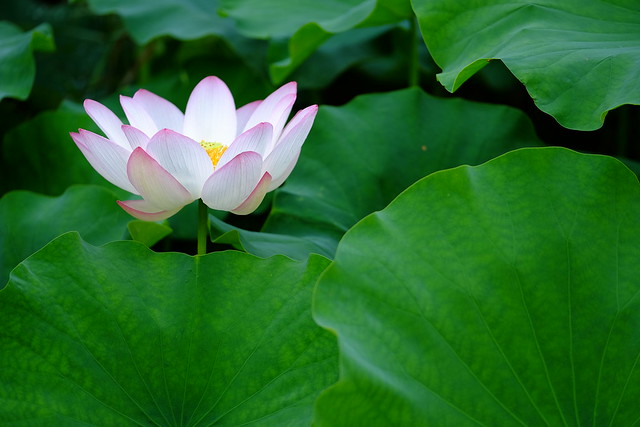
Student: “Where is human value?”
Master: “Do your best whatever you do,
Don’t forget the shine wherever you go
Believe in yourself always.”
-The Zen Mind 2019
✿⊱╮✿⊱╮ ✿⊱╮✿⊱╮✿⊱╮

Yassa selūpamaṃ cittaṃ, ṭhitaṃ nānupakampati,
virattaṃ rajanīyesu,
kopaneyye na kuppati:
Yassevaṃ bhāvitaṃ cittaṃ,
kuto taṃ dukkhamessatī?
Whose mind is like rock, steady, unmoved,
dispassionate for things that spark passion,
unangered by things that spark anger:
When one’s mind is developed like this,
from where can there come suffering & stress?
Udāna 4.34
Translated from Pāli by Thanissaro Bhikkhu
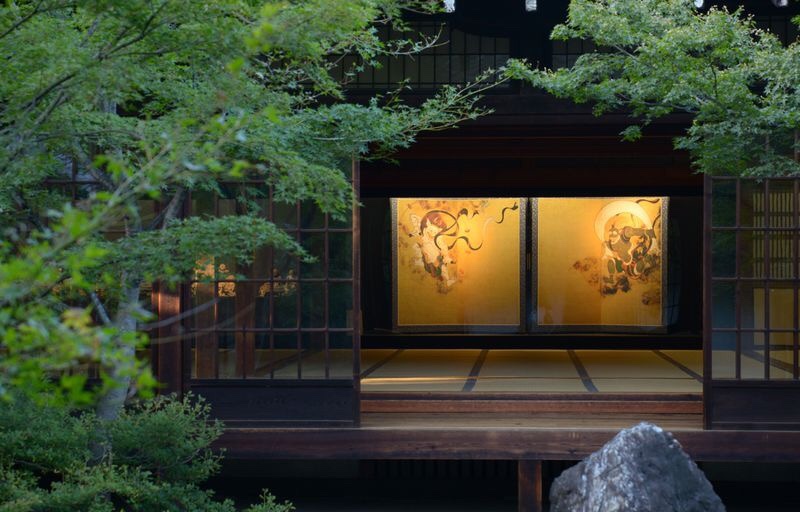
In ordinary life,
With a delicate, beautiful and peaceful mind.
-The Zen Mind 2019
✿⊱╮✿⊱╮ ✿⊱╮✿⊱╮✿⊱╮
One of the most simple yet profound poems by legendary Sufi Saint – Baba Bulleh Shah. This Sufi Meditation Kalaam is about removing ego from our hearts. Get MP3 of this Mantra : https://gum.co/UxLTo
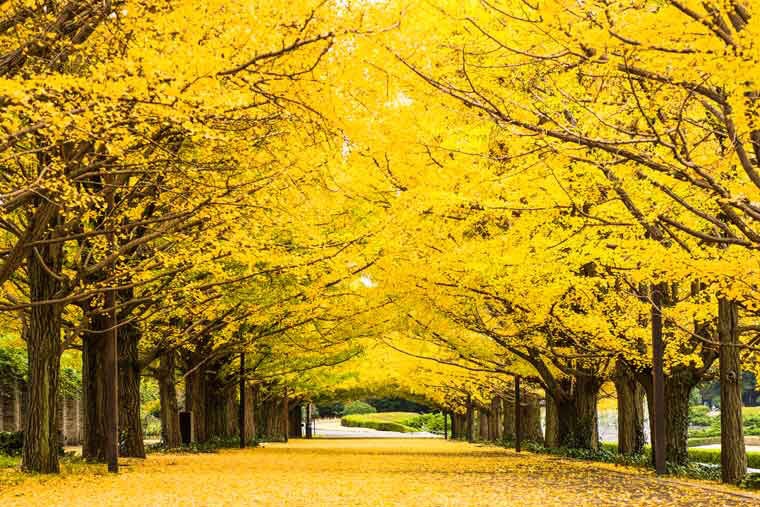
When you realize nothing is lacking, the whole world belongs to you.
-The Zen Mind 2019
✿⊱╮✿⊱╮ ✿⊱╮✿⊱╮✿⊱╮

Tasseva tena pāpiyo,
yo kuddhaṃ paṭikujjhati.
Kuddhaṃ appaṭikujjhanto,
saṅgāmaṃ jeti dujjayaṃ.
The worse of the two is one,
who, when abused, retaliates.
One who does not retaliate,
wins a battle hard to win.
Saṃyutta Nikāya 1.188
Gemstones of the Good Dhamma, compiled and translated by Ven. S. Dhammika

Upanīyati jīvitamappamāyu.
Jarūpanītassa na santi tāṇā.
Etaṃ bhayaṃ maraṇe pekkhamāno,
lokāmisaṃ pajahe santipekkho.
Life is swept along, next-to-nothing its span.
For one swept to old age no shelters exist.
Perceiving this danger in death,
one should drop the world’s bait and look for peace.
Saṃyutta Nikāya 1.100
Translated from Pāli by Thanissaro Bhikkhu

Icchāya bajjhatī loko.
Icchāvinayāya muccati.
Icchāya vippahānena
sabbaṃ chindati bandhanaṃ.
With desire the world is tied down.
With the subduing of desire it’s freed.
With the abandoning of desire
all bonds are cut through.
Saṃyutta Nikāya 1.69
Translated from Pāli by Thanissaro Bhikkhu

Kodhaṃ chetvā sukhaṃ seti.
Kodhaṃ chetvā na socati.
Kodhassa visamūlassa, madhuraggassa devate
vadhaṃ ariyā pasaṃsanti,
tañhi chetvā na socatī.
Having killed anger you sleep in ease.
Having killed anger you do not grieve.
The noble ones praise the slaying of anger
— with its honeyed crest & poison root —
for having killed it you do not grieve.
Saṃyutta Nikāya 1.71
Translated from Pāli by Thanissaro Bhikkhu

Attānañce piyaṃ jaññā
na naṃ pāpena saṃyuje,
na hi taṃ sulabhaṃ hoti
sukhaṃ dukkaṭakārinā.
If you hold yourself dear
then don’t fetter yourself with evil,
for happiness isn’t easily gained
by one who commits a wrong-doing.
Saṃyutta Nikāya 1.115
Translated from Pāli by Thanissaro Bhikkhu

Na paro paraṃ nikubbetha
nātimaññetha katthaci na kañci,
byārosanā paṭighasaññā
nāññamaññassa dukkhamiccheyya.
Let no one deceive another
or despise anyone anywhere,
or through anger or irritation
wish for another to suffer.
Sutta Nipāta 1.14
Translated from Pāli by Thanissaro Bhikkhu
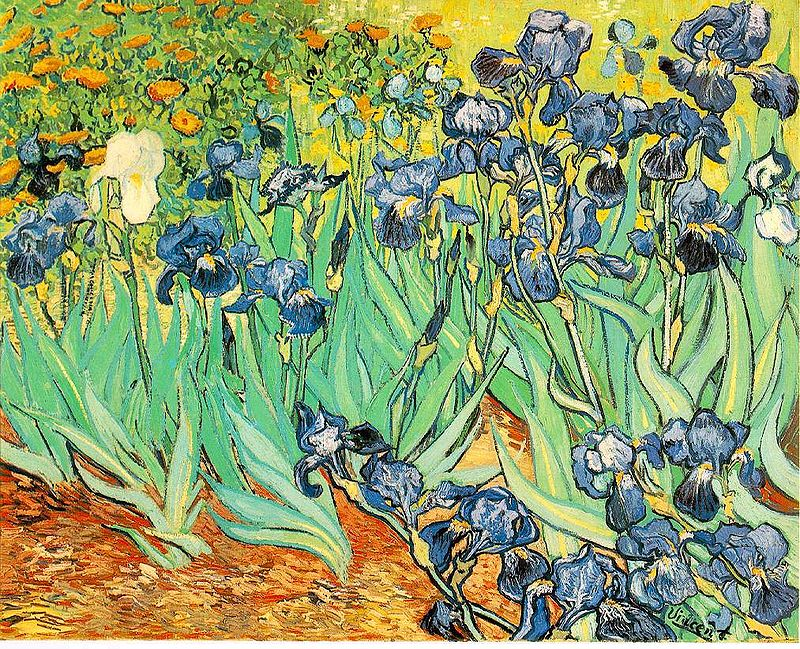
Sabbā āsattiyo chetvā,
vineyya hadaye daraṃ,
upasanto sukhaṃ seti,
santiṃ pappuyya cetasā.
With all one’s attachments cut,
with the heart’s pining subdued,
calm and serene and happy is one,
for one has attained peace of mind.
Saṃyutta Nikāya 1.242
Gemstones of the Good Dhamma, compiled and translated by Ven. S. Dhammika

Sukhā virāgatā loke
kāmānaṃ samatikkamo
asmimānassa yo vinayo
etaṃ ve paramaṃ sukhaṃ.
Freedom from lust is happiness in the world,
the going beyond all sensual desires.
But the crushing out of the conceit “I am”–
this is the highest happiness.
Udāna 2.11
Gemstones of the Good Dhamma, compiled and translated by Ven. S. Dhammika

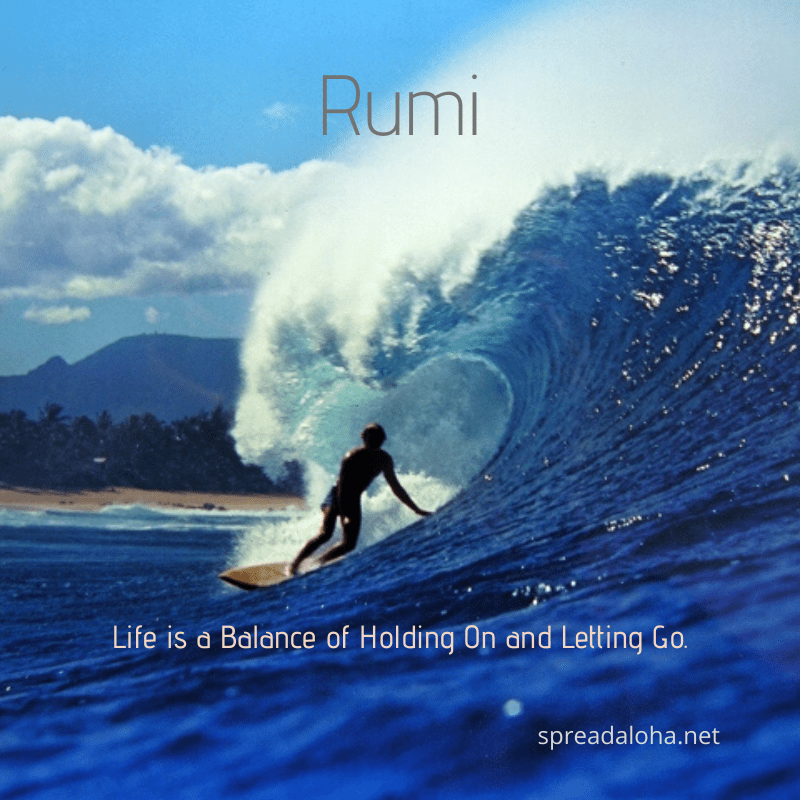
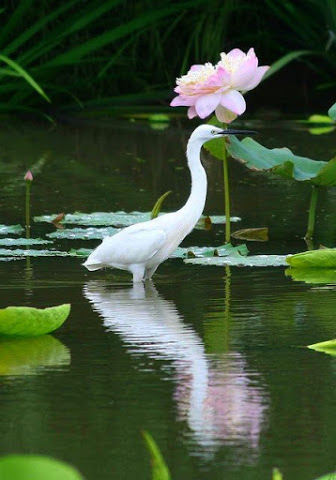
“The very center of your heart is where life begins …The most beautiful place on Earth.” — Rumi
Atthamhi jātamhi sukhā sahāyā;
tuṭṭhī sukhā yā itarītarena;
puññaṃ sukhaṃ jīvitasaṅkhayamhi,
sabbassa dukkhassa sukhaṃ pahānaṃ.
Good are friends when need arises;
good is contentment with just what one has;
good is merit when life is at an end,
and good is the abandoning of all suffering.
Dhammapada 23.331
The Dhammapada: The Buddha’s Path of Wisdom, translated from Pāli by Acharya Buddharakkhita
Find Your Magic
Tarot Readings, Inspiration, and Self-Empowerment
Making life on earth magick one moon phase at a time.
Astrologer ~ Mystic ~ Writer
of the Collegium Spiritus Sancti, a Golden Dawn Society
An affiliate of the Alpha et Omega Order of Melchizedek
All Knowledge Is Not Contained In Only One School
Connecting the grant community to #LearnGrants
Channelings & Articles
Magic Spell Books & Grimoires
Native Hawaiian Language Revitalization
Poetry & Tales of Love, Mystery, Magic and Spirituality
Organic Herbs, Herbals, Sustainable Gardening
Mother Nature: Feeding The Mind, Body & Soul, with Food, Medicine & Skincare.
"Inheritor of a Dying World, we call thee to the Living Beauty. Wanderer in the Wild Darkness, we call thee to the Gentle Light..."
Time is the most important thing we've been given
Embracing the Divine Within.
"...That I should bear witness to the truth." - John 18:37 // David E. Robinson, Publisher
 Hālau 'Aha Hui Lānākila