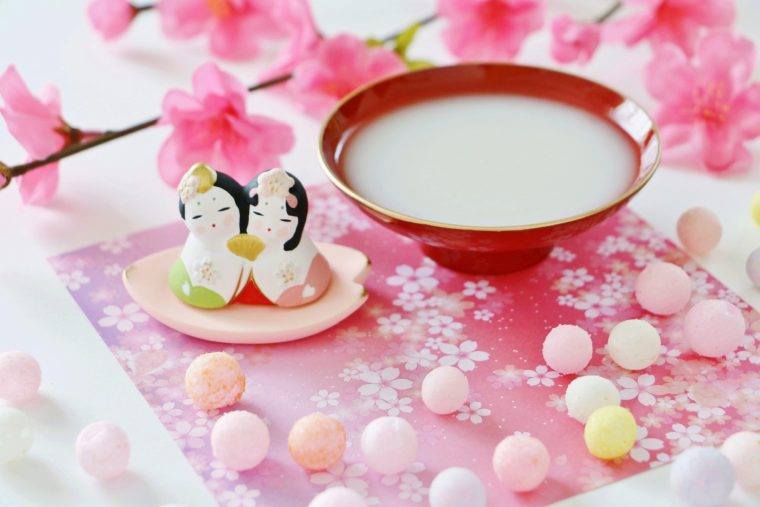
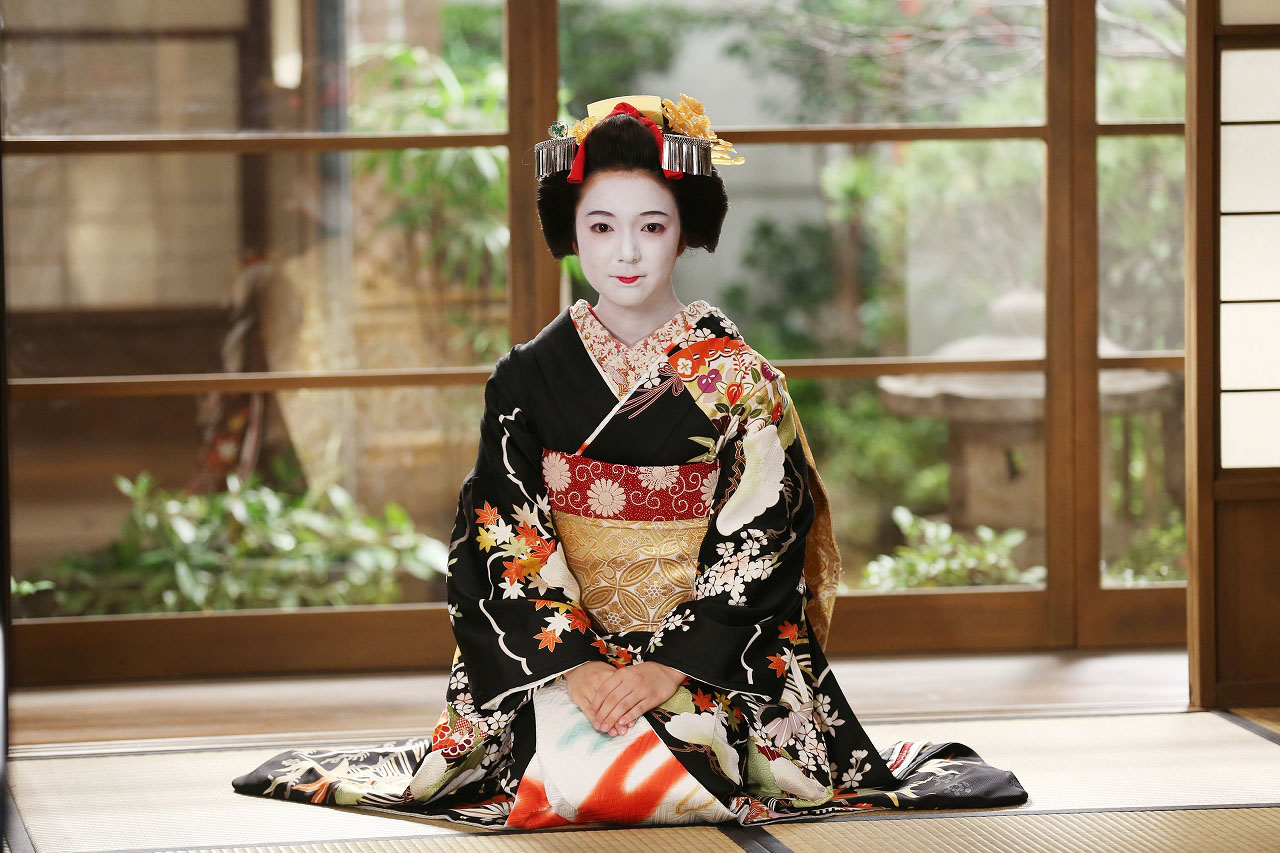
Hinamatsuri is an occasion to pray for young girls’ growth and happiness on March 3.
-The Japanese tradition 2019
✿⊱╮✿⊱╮ ✿⊱╮✿⊱╮✿⊱╮
Hinamatsuri is an occasion to pray for young girls’ growth and happiness on March 3.
-The Japanese tradition 2019
✿⊱╮✿⊱╮ ✿⊱╮✿⊱╮✿⊱╮

Atītaṃ nānusocanti,
nappajappanti nāgataṃ,
paccuppannena yāpenti,
tena vaṇṇo pasīdati.
They do not lament over the past,
they yearn not for what is to come,
they maintain themselves in the present,
thus their complexion is serene.
Saṃyutta Nikāya 1.10
Gemstones of the Good Dhamma, compiled and translated by Ven. S. Dhammika

Yo ca mettaṃ bhāvayati
Appamāṇaṃ paṭissato
Tanū saṃyojanā honti,
Passato upadhikkhayaṃ.
For one who mindfully develops
Boundless loving-kindness
Seeing the destruction of clinging,
The fetters are worn away.
Itivuttaka 1.27
The Udāna and the Itivuttaka, trans. John D. Ireland

Kāyena saṃvaro sādhu; sādhu vācāya saṃvaro;
manasā saṃvaro sādhu. Sādhu sabbattha saṃvaro.
Sabbattha saṃvuto bhikkhu
sabbadukkhā pamuccati.
Good is restraint in the body; good is restraint in speech;
good is restraint in thought. Restraint everywhere is good.
The monk restrained in every way
is freed from all suffering.
Dhammapada 25.361
The Dhammapada: The Buddha’s Path of Wisdom, translated from Pāli by Acharya Buddharakkhita
Cakkhumā,
visamānīva,
vijjamāne parakkame.
Paṇḍito jīvalokasmiṃ,
pāpāni parivajjaye.
A person with good eyes,
encountering a treacherous, uneven place,
would try hard to avoid it.
A wise person, in the world of life,
should avoid evil deeds.
Udāna 5.43
Translated from Pāli by Thanissaro Bhikkhu
Muñca pure, muñca pacchato,
majjhe muñca, bhavassa pāragū.
Sabbattha vimuttamānaso,
na punaṃ jātijaraṃ upehisi.
Let go of the past, let go of the future,
let go of the present, and cross over to the farther shore of existence.
With mind wholly liberated,
you shall come no more to birth and death.
Dhammapada 24.348
The Dhammapada: The Buddha’s Path of Wisdom, translated from Pāli by Acharya Buddharakkhita

Sa vedagū,
Vūsitabrahmacariyo,
Lokantagū,
Pāragatoti vuccatī.
One who is a master of knowledge,
Who has lived the holy life,
Is called one gone to the world’s end,
One who has reached the further shore.
Itivuttaka 4.109
The Udāna and the Itivuttaka, trans. John D. Ireland

Peaceful Mind, Open Heart.
-The Japanese tradition 2019
✿⊱╮✿⊱╮ ✿⊱╮✿⊱╮✿⊱╮

Attā hi attano nātho,
attā hi attano gati.
Tasmā saṃyamamattānaṃ
assaṃ bhadraṃva vāṇijo.
One is one’s own protector,
one is one’s own refuge.
Therefore, one should control oneself,
even as a trader controls a noble steed.
Dhammapada 25.380
The Dhammapada: The Buddha’s Path of Wisdom, translated from Pāli by Acharya Buddharakkhita
Kodhaṃ chetvā sukhaṃ seti,
kodhaṃ chetvā na socati.
Kodhassa visamūlassa
madhuraggassa brāhmaṇa;
vadhaṃ ariyā pasaṃsanti
tañhi chetvā na socatī.
Slay anger and you will be happy,
slay anger and you will not sorrow.
For the slaying of anger in all its forms
with its poisoned root and sweet sting —
that is the slaying the nobles praise;
with anger slain one weeps no more.
Saṃyutta Nikāya 1.187
Gemstones of the Good Dhamma, compiled and translated by Ven. S. Dhammika
Sukhaṃ yāva jarā sīlaṃ,
sukhā saddhā patiṭṭhitā,
sukho paññāya paṭilābho,
pāpānaṃ akaraṇaṃ sukhaṃ.
Good is virtue until life’s end,
good is faith that is steadfast,
good is the acquisition of wisdom,
and good is the avoidance of evil.
Dhammapada 23.333
The Dhammapada: The Buddha’s Path of Wisdom, translated from Pāli by Acharya Buddharakkhita

“For instance, looking into a flower, you can see that the flower is made of many elements that we can call non-flower elements. When you touch the flower, you touch the cloud. You cannot remove the cloud from the flower, because if you could remove the cloud from the flower, the flower would collapse right away.
You don’t have to be a poet in order to see a cloud floating in the flower, but you know very well that without the clouds there would be no rain and no water for the flower to grow.
So cloud is part of flower, and if you send the element cloud back to the sky, there will be no flower. Cloud is a non-flower element. And the sunshine…you can touch the sunshine here. If you send back the element sunshine, the flower will vanish. And sunshine is another non-flower element.
And earth, and gardener… if you continue, you will see a multitude of non-flower elements in the flower. In fact, a flower is made only with non-flower elements. It does not have a separate self.
So the true nature of the flower is the nature of inter-being, the nature of no self.
A flower cannot be by herself alone. A flower has to “inter-be” with everything else that is called non-flower. That is what we call inter-being. You cannot be, you can only inter-be. The word inter-be can reveal more of the reality than the word “to be.” You cannot be by yourself alone, you have to inter-be with everything else.
The flower is there, beautiful, fragrant, yes, but the flower is empty of a separate self. To be empty is not a negative note.
So a flower is described as empty. But I like to say it differently. A flower is empty only of a separate self, but a flower is full of everything else. The whole cosmos can be seen, can be identified, can be touched, in one flower. So to say that the flower is empty of a separate self also means that the flower is full of the cosmos.
It’s the same thing. So you are of the same nature as a flower: you are empty of a separate self, but you are full of the cosmos. You are as wonderful as the cosmos, you are a manifestation of the cosmos.”
~ from Dharma talk by Thich Nhat Hanh
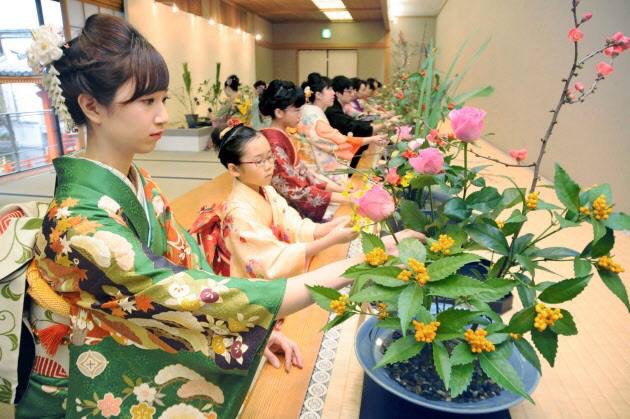
Fragrance of flowers in the heart.
-The Japanese tradition 2019
✿⊱╮✿⊱╮ ✿⊱╮✿⊱╮✿⊱╮

Sace labhetha nipakaṃ sahāyaṃ
saddhiṃ caraṃ sādhuvihāridhīraṃ,
abhibhuyya sabbāni parissayāni,
careyya tenattamano satīmā.
If for company you find a wise and prudent friend
who leads a good life,
you should, overcoming all impediments,
keep their company joyously and mindfully.
Dhammapada 23.328
The Dhammapada: The Buddha’s Path of Wisdom, translated from Pāli by Acharya Buddharakkhita

Yo ca dhammamabhiññāya
dhammamaññāya paṇḍito,
rahadova nivāte ca
anejo vūpasammati.
Thoroughly understanding the Dhamma
and freed from longing through insight,
the wise one rid of all desire
is calm as a pool unstirred by wind.
Itivuttaka 3.92
Gemstones of the Good Dhamma, compiled and translated by Ven. S. Dhammika
Appamādaratā hotha!
Sacittamanurakkhatha!
Duggā uddharathattānaṃ,
paṅke sannova kuñjaro.
Delight in heedfulness!
Guard well your thoughts!
Draw yourself out of this bog of evil,
even as an elephant draws itself out of the mud.
Dhammapada 23.327
The Dhammapada: The Buddha’s Path of Wisdom, translated from Pāli by Acharya Buddharakkhita
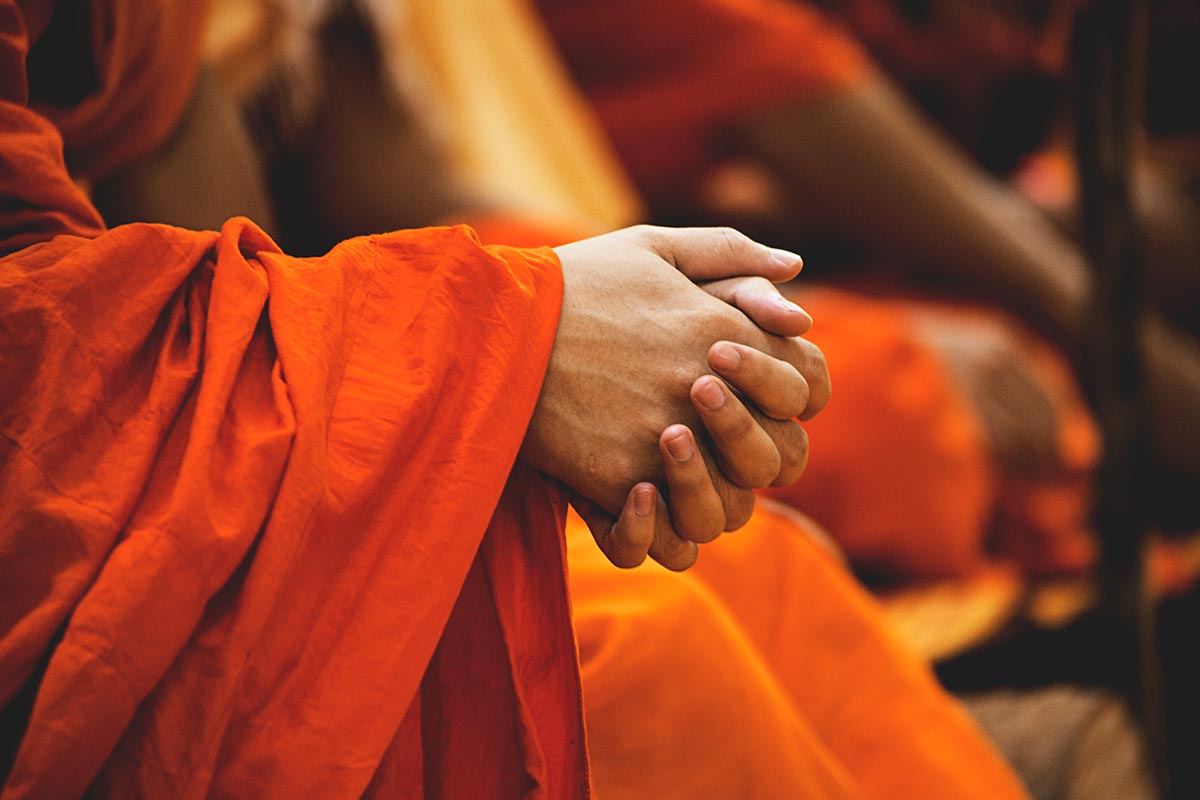
Yañca kāmasukhaṃ loke,
yañcidaṃ diviyaṃ sukhaṃ,
taṇhakkhayasukhassete,
kalaṃ nāgghanti soḷasiṃ.
Any sensual bliss in the world,
any heavenly bliss,
isn’t worth one sixteenth-sixteenth
of the bliss of the ending of craving.
Udāna 2.12
Translated from Pāli by Thanissaro Bhikkhu
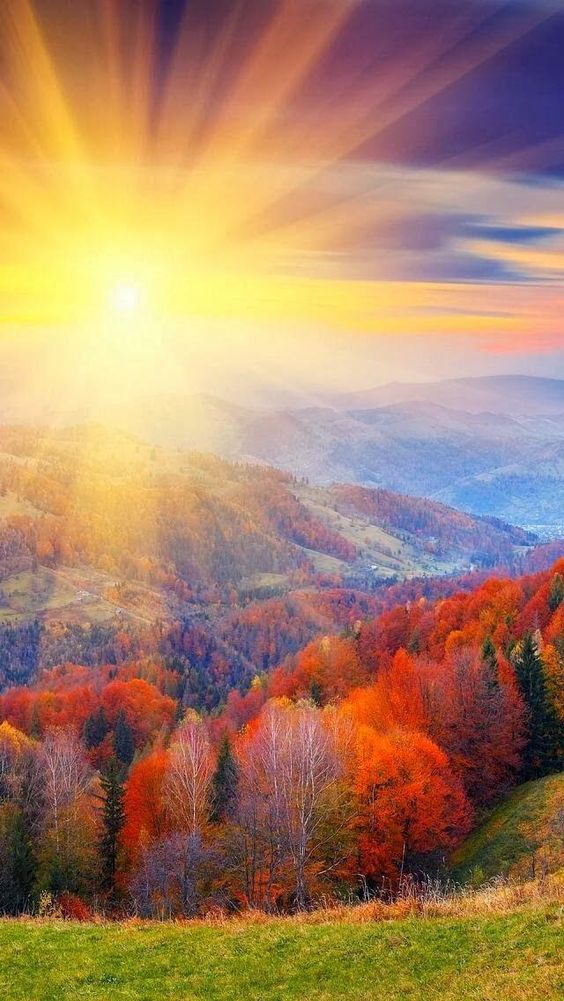
Sukhā matteyyatā loke,
atho petteyyatā sukhā,
sukhā sāmaññatā loke,
atho brahmaññatā sukhā.
In this world, good it is to serve one’s mother,
good it is to serve one’s father,
good it is to serve the monks and nuns,
and good it is to serve the holy ones.
Dhammapada 23.332
The Dhammapada: The Buddha’s Path of Wisdom, translated from Pāli by Acharya Buddharakkhita
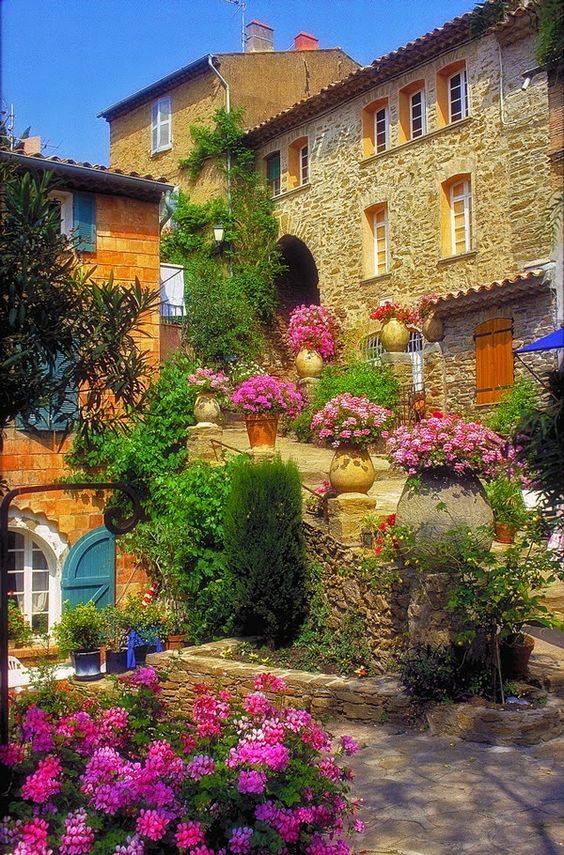
Sabbapāpassa akaraṇaṃ,
kusalassa upasampadā,
sacittapariyodapanaṃ —
etaṃ buddhāna sāsanaṃ.
To avoid all evil,
to cultivate good,
and to purify one’s mind —
this is the teaching of the Buddhas.
Dhammapada 14.183
The Dhammapada: The Buddha’s Path of Wisdom, translated from Pāli by Acharya Buddharakkhita
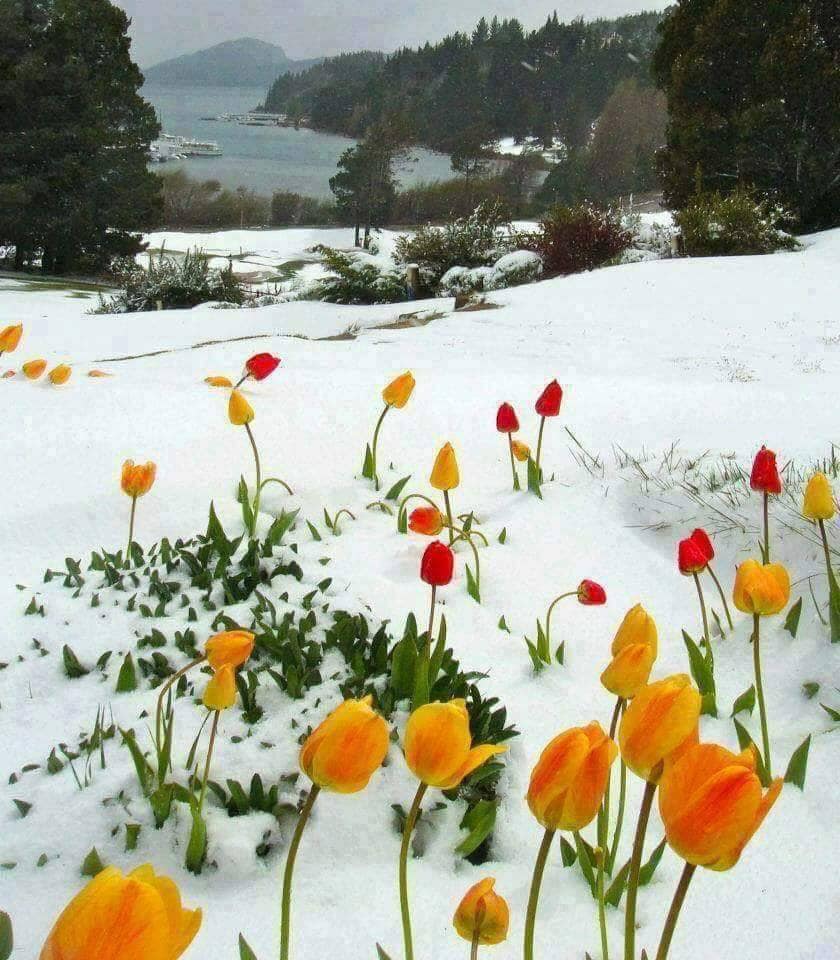
Yassa selūpamaṃ cittaṃ, ṭhitaṃ nānupakampati,
virattaṃ rajanīyesu,
kopaneyye na kuppati:
Yassevaṃ bhāvitaṃ cittaṃ,
kuto taṃ dukkhamessatī?
Whose mind is like rock, steady, unmoved,
dispassionate for things that spark passion,
unangered by things that spark anger:
When one’s mind is developed like this,
from where can there come suffering & stress?
Udāna 4.34
Translated from Pāli by Thanissaro Bhikkhu
Pāpañce puriso kayirā,
na naṃ kayirā punappunaṃ.
Na tamhi chandaṃ kayirātha,
dukkho pāpassa uccayo.
Should a person commit evil,
let one not do it again and again.
Let one not find pleasure therein,
for painful is the accumulation of evil.
Dhammapada 9.117
The Dhammapada: The Buddha’s Path of Wisdom, translated from Pāli by Acharya Buddharakkhita

Relax those deep tissues with this intensely soothing yoga routine. […]
Yo ca vassasataṃ jīve
apassaṃ udayabbayaṃ
ekāhaṃ jīvitaṃ seyyo
passato udayabbayaṃ.
Better it is to live one day
seeing the rise and fall of things
than to live a hundred years
without ever seeing the rise and fall of things.
Dhammapada 8.113
The Dhammapada: The Buddha’s Path of Wisdom, translated from Pāli by Acharya Buddharakkhita
Yo ca vassasataṃ jīve
dussīlo asamāhito
ekāhaṃ jīvitaṃ seyyo
sīlavantassa jhāyino.
Better it is to live
one day virtuous and meditative
than to live a hundred years
immoral and uncontrolled.
Dhammapada 8.110
The Dhammapada: The Buddha’s Path of Wisdom, translated from Pāli by Acharya Buddharakkhita
Apādakehi me mettaṃ,
mettaṃ dvipādakehi me;
catuppadehi me mettaṃ,
mettaṃ bahuppadehi me.
I have love for the footless,
for the bipeds too I have love;
I have love for those with four feet,
for the many-footed I have love.
Aṅguttara Nikāya 4.67
Gemstones of the Good Dhamma, compiled and translated by Ven. S. Dhammika

Māvamaññetha pāpassa, “Na mantaṃ āgamissati.”
Udabindunipātena, udakumbhopi pūrati.
Bālo pūrati pāpassa, thokaṃ thokampi ācinaṃ.
Think not lightly of evil, saying, “It will not come to me.”
Drop by drop is the water pot filled.
Likewise, the fool, gathering it little by little,
fills oneself with evil.
Dhammapada 9.121
The Dhammapada: The Buddha’s Path of Wisdom, translated from Pāli by Acharya Buddharakkhita

Yo sahassaṃ sahassena
saṅgāme mānuse jine,
ekañca jeyyamattānaṃ
sa ve saṅgāmajuttamo.
Though one may conquer
a thousand times a thousand people in battle,
yet one indeed is the noblest victor
who conquers oneself.
Dhammapada 10.103
The Dhammapada: The Buddha’s Path of Wisdom, translated from Pāli by Acharya Buddharakkhita
Santaṃ tassa manaṃ hoti, santā vācā,
ca kamma ca, sammadaññā,
vimuttassa, upasantassa tādino.
Calm is one’s thought, calm one’s speech,
and calm one’s deed, who, truly knowing,
is wholly freed, perfectly tranquil and wise.
Dhammapada 7.96
The Dhammapada: The Buddha’s Path of Wisdom, translated from Pāli by Acharya Buddharakkhita
Sabbattha ve sappurisā cajanti.
Na kāmakāmā lapayanti santo.
Sukhena phuṭṭhā atha vā dukhena
na uccāvacaṃ paṇḍitā dassayanti.
The good renounce (attachment for) everything.
The virtuous do not prattle with a yearning for pleasures.
The wise show no elation or depression
when touched by happiness or sorrow.
Dhammapada 6.83
The Dhammapada: The Buddha’s Path of Wisdom, translated from Pāli by Acharya Buddharakkhita

Selo yathā ekaghano vātena na samīrati,
evaṃ nindāpasaṃsāsu na samiñjanti paṇḍitā.
Just as a solid rock is not shaken by the storm,
even so the wise are not affected by praise or blame.
Dhammapada 6.81
The Dhammapada: The Buddha’s Path of Wisdom, translated from Pāli by Acharya Buddharakkhita
Hitānukampī sambuddho
yadaññamanusāsati,
anurodhavirodhehi
vippamutto tathāgato.
When the Buddha teaches others
he does so out of compassion,
because the Tathagata is wholly freed
from both favour and aversion.
Saṃyutta Nikāya 1.150
Gemstones of the Good Dhamma, compiled and translated by Ven. S. Dhammika
Carañce nādhigaccheyya
seyyaṃ sadisamattano,
ekacariyaṃ daḷhaṃ kayirā;
natthi bāle sahāyatā.
Should a seeker not find
a companion who is better or equal,
let one resolutely pursue a solitary course;
there is no fellowship with the fool.
Dhammapada 5.61
The Dhammapada: The Buddha’s Path of Wisdom, translated from Pāli by Acharya Buddharakkhita

Candanaṃ, tagaraṃ, vāpi uppalaṃ, atha vassikī —
etesaṃ gandhajātānaṃ —
sīlagandho anuttaro.
Of all the fragrances —
sandal, tagara, blue lotus and jasmine —
the fragrance of virtue is the sweetest.
Dhammapada 4.55
The Dhammapada: The Buddha’s Path of Wisdom, translated from Pāli by Acharya Buddharakkhita
Find Your Magic
Tarot Readings, Inspiration, and Self-Empowerment
Making life on earth magick one moon phase at a time.
Astrologer ~ Mystic ~ Writer
of the Collegium Spiritus Sancti, a Golden Dawn Society
An affiliate of the Alpha et Omega Order of Melchizedek
All Knowledge Is Not Contained In Only One School
Connecting the grant community to #LearnGrants
Channelings & Articles
Magic Spell Books & Grimoires
Native Hawaiian Language Revitalization
Poetry & Tales of Love, Mystery, Magic and Spirituality
Organic Herbs, Herbals, Sustainable Gardening
Mother Nature: Feeding The Mind, Body & Soul, with Food, Medicine & Skincare.
"Inheritor of a Dying World, we call thee to the Living Beauty. Wanderer in the Wild Darkness, we call thee to the Gentle Light..."
Time is the most important thing we've been given
Embracing the Divine Within.
"...That I should bear witness to the truth." - John 18:37 // David E. Robinson, Publisher
 Hālau 'Aha Hui Lānākila