Category: Na Mana’o
Hāʻawina Nā ʻOlēlo Hawaiʻi– Hawaiian Language Lesson | LUAHINE (LOO-ah-hee-nay)

Today’s Hawaiian Word of the Day is luahine, or “old woman”. It can also mean “old lady”.
…
.
#olelohawaii #luahine #pele #vocabulary #language #hawaiian #aloha #victoriagenerao #victorialanakilagenerao #lanagenerao #generao #halauahahuilanakila
Lāʻau Lapaʻau | Kalo Is More Than a Native Hawaiian Plant—It’s an Ancestor to Hawaiian Culture
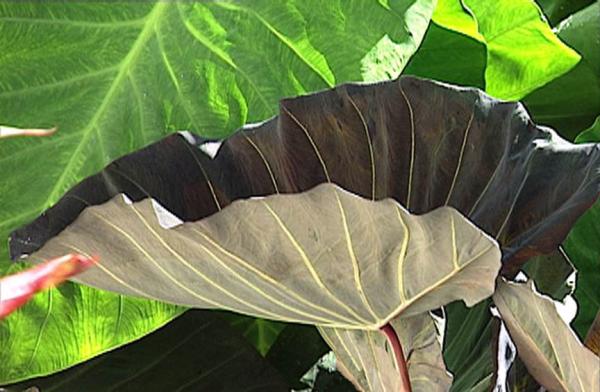
A story about Kalo (taro), a native Hawaiian plant. […]
Errata: The story incorrectly stated the Taro Security and Purity Task Force was involved in the GMO taro issue. They were not in existence at the time and are mandated not to become involved.
Lāʻau Lapaʻau | Plantain

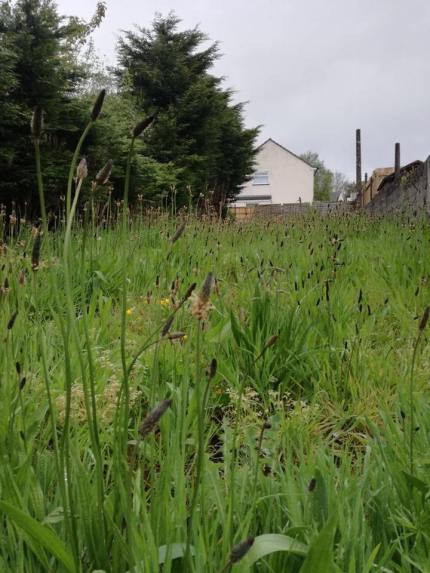
Plantain
Botanical Name:Plantago major.
Other Common Names: Greater or common plantain, broadleaf plantain, rippleseed plantain, wagbread, white man’s foot, plantain majeur (French), groblad (Swedish), Wegerich (German), græðisúra (Icelandic), piharatamo (Finnish).
Family Plantaginaceae
TCM Name: Che Qian Zi (Translates as “Before the Cart Seeds.”)
Also Known As: Plantain Seed, Plantago Seed, Semen Plantaginis
Meridians: Bladder, Kidney, Lung, Liver
Key TCM Actions & Medicinal Uses: Drains Damp/Promotes Urination/Regulates Water/Clears Heat: edema, lin syndromes due to Damp Heat in the Lower Jiao, diarrhea, dysentery, difficulty or urgency with urination, dribbling. Stops Diarrhea: the seeds move water from the bladder promoting urination and solidifying the stools. Clears the Eyes: eye problems due to Liver Heat or Liver Yang rising, dry eyes, cataracts, red painful swollen eyes, sensitivity to light. Clears Lung Heat/Dissolves Phelgm/Stops Cough: expels thick, copious, yellow sputum, phlegm in the lungs, stops cough.
Habitat: Plantain is originally native…
View original post 1,567 more words
Na Mana’o | Tiki History and Today’s Tiki Pop Culture
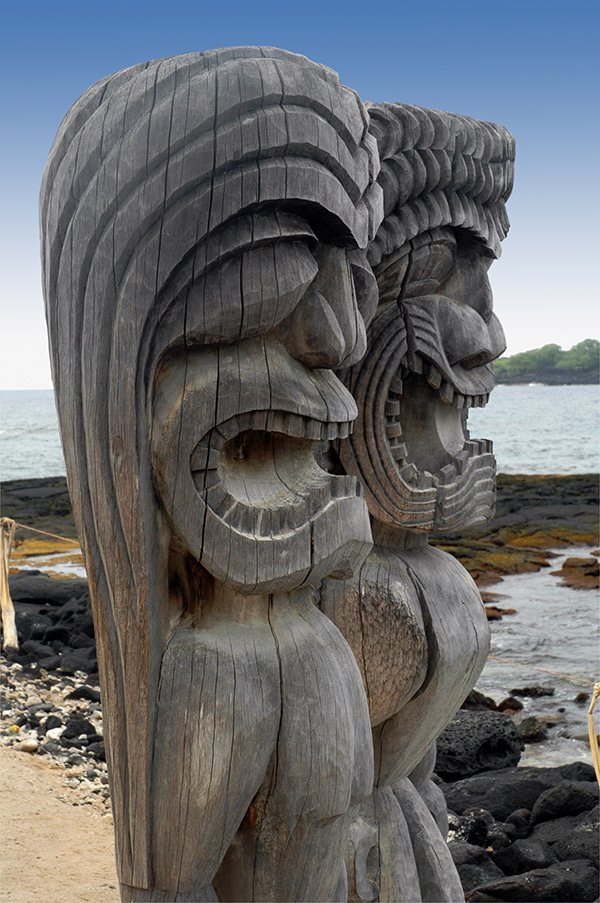
History of tiki bars and how the Maori culture inspired a Tiki movement in the ’50s, ’60s and ’70s, and the Tiki Revival of today. […]
Contemplations …

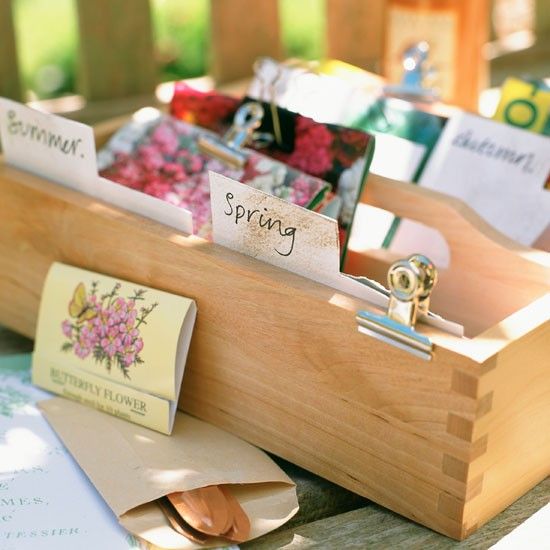
Lāʻau Lapaʻau | Guide to Propagating Herbs

Seeding is our favorite form of propagation. A seed is a repository for all the genetic diversity of the ancient wildness of these potent medicinals. When you are looking for medicine in a herb, you want to use the purest, strongest strain of the species you can get; in other words, you want the original, unchanged, wildest form available. So you will not, in most cases, choose a hybrid, which is indicated by a multiplication sign between a plant’s genus and species name or by a proper name within single quotes, like ‘Jenny’. And you won’t choose varieties developed for a wide array of flower colors or disease resistance. Seeds of unselected, wilder species will give you the full range of biodiversity possible for the herb – which makes it perfect for use as herbal medicine.
Most of the herbs featured on this website can be easily sown from seed…
View original post 2,791 more words
The Aloha Music Camp



A week-long immersion into the music, dance, and culture of Hawaiʻi […]
Sign up for the next session: Aloha Music Camp
‘Aha’i ‘Olelo Ola Features Individual Talents

‘Aha’i ‘Olelo Ola has been interviewing many native Hawaiian individuals recently and their accomplishments in relation to the Hawaiian language and culture. Their project is called “11 for 2011” i… […]
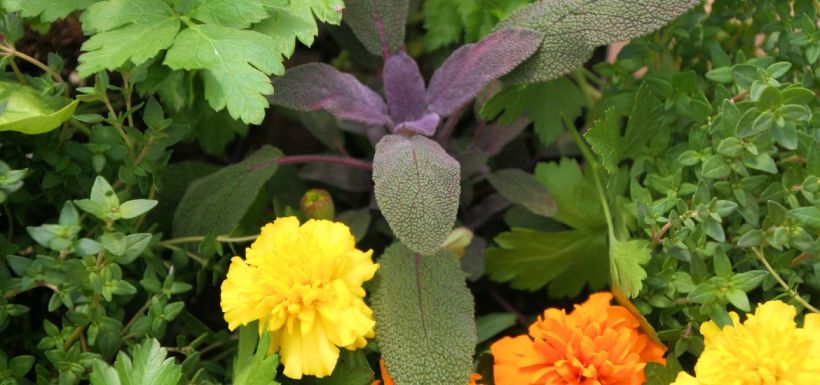
Lāʻau Lāpaʻau | Companion Planting with Herbs
Boost your garden this season with the right pairings of plants.
Companion planting is a fantastic addition to any garden. By specific plants next to certain fruits, flowers, and vegetables, you can boost their health and increase their production. Of course, knowing what pairings work best is key, especially when it comes to herbs.
How It Works
Companion planting improves growth in a number of ways. To start, some plants serve to repel unwanted pests while providing shelter and safety for beneficial insects. Others encourage pollination, which is especially needed for those fruits and vegetables that don’t have noticeable flowers. Species with bright shades of blue, white, or yellow and/or with high concentrations of nectar can attract bees to these lesser-flowered plants. Larkspur, sunflowers, sweet peas, cosmos, zinnias, and mints all do well in vegetable gardens {though the mint does spread quickly}. Companion planting is a wonderful tool for organic…
View original post 2,129 more words
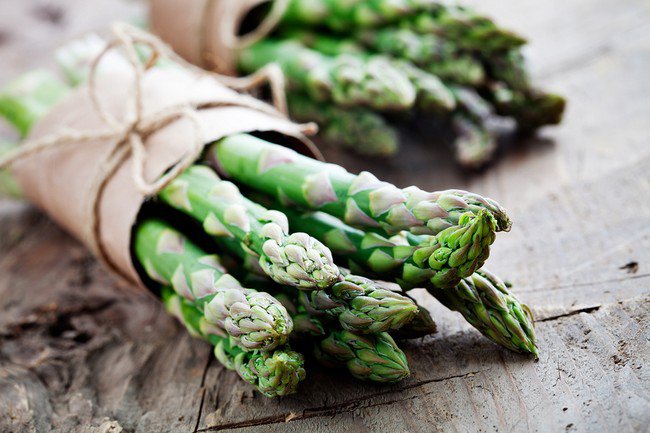
Lāʻau Lāpaʻau | Food as Medicine: Asparagus (Asparagus officinalis, Asparagaceae)
History and Traditional Use
Range and Habitat
Asparagus (Asparagus officinalis, Asparagaceae) is a herbaceous perennial with stalks that can grow to several feet in height. Most asparagus is harvested once the stalk reaches 6-8 inches in height. The stalk is the edible portion of the plant, along with its pointed, budlike tip.1,2 If asparagus is not harvested, the stalks grow into finely textured, fern-like plants before going dormant in winter.3 In the United States, the primary asparagus producers are the states of California, Washington, and Michigan.4
Depending on the cultivation method, asparagus yields a crop in one of three colors: green, white, or purple. Green asparagus, the most common in the US, is allowed to grow exposed to sunlight until harvested. White asparagus contains no chlorophyll due to human intervention, which involves mounding dirt on the stalk as it grows to shield it from sunlight.
View original post 2,197 more words
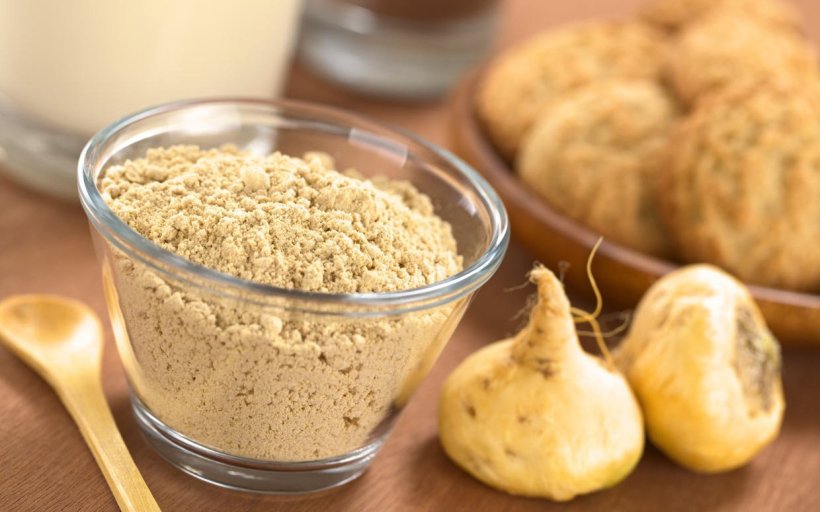
Lāʻau Lāpaʻau | Effects of Altitude on Phytochemistry and Genetics in Different Maca Phenotypes
Maca (Lepidium meyenii, Brassicaceae) tubers have been used by indigenous Peruvians as a medicinal food since antiquity. Age- and gender-specific physiological effects of maca have been seen in vivo and in human trials with male and pre- and postmenopausal female subjects. Effects vary by color phenotype and levels of bioactive compounds, including glucosinolates (GCs). In an earlier study, red maca (RM) was found to have the most GCs. RM is reported to have a selective therapeutic effect in men over 50 against prostate hyperplasia. Black maca (BM) and purple maca (PM) had the next-highest GC levels in the earlier study. BM was reported to improve sexual desire and function in healthy men. Yellow maca (YM), with the least GCs, in a mixed-phenotype, traditional blend, was reported to help hormone balance in pre- and postmenopausal women. The effect of altitude on plant composition has been well documented across various…
View original post 814 more words
Lāʻau Lāpaʻau | Herbs & Actions for Eczema, Psoriasis & Dermatitis Part 1

Alteratives
Alteratives are herbs that gradually restore the proper function of the body and increase health and vitality. They seem to alter the body’s processes of metabolism so that tissues can best deal with a range of functions from nutrition to elimination. Many herbs with this action improve the body’s ability to eliminate waste through the kidneys, liver, lungs, or skin. Some stimulate digestion or are anti-microbial. Alteratives move the body to a state of health, removing indicators of systemic disintegration. They are often used for skin conditions to take some of the pressure of “detoxifying” the body and off of the skin while at the same time improving the skin’s ability to eliminate waste and heal. Alterative herbs are best used internally for their properties and can be particularly helpful for psoriasis, eczema, acne and many other skin conditions.
OREGON GRAPE – MAHONIA AQUIFOLIUM (BERBERIDACEAE) – ROOT AND BARK
View original post 1,458 more words
Aloha Meditation Moment …
Lāʻau Lapaʻau | How To Use Essential Oils For Seasonal Allergies

Don’t suffer more than you need to this season. […]
THE ANGELUS SPIRIT
Up there, things are moving your way, and the mysterious ways of Heaven are now leading you straight to Happiness.
To assist you, I am happy to send you your Angelus Spirit. Here is the image, below.

Now, as a prayer that will rise directly to the Divine World, here are the Sacred Words you must recite after having stared at your Angelus Spirit for a few seconds:
IN THE NAME OF THE ANGELICAL FORCES,
MAY THE DIE BE CAST.
MAY THE MAGIC WORK.
TODAY, A NEW LIFE OF
WEALTH AND ABUNDANCE IS BORN.
IT IS READY TO UNFURL BEFORE ME.
BEYOND YOUR SECRET, PANTACLE,
YOU WILL LEAD ME THERE.
THIS IS MY DESIRE AND MY WISH,
AND I SURRENDER TO YOUR MIGHTY POWERS.
There you are: the powers of your talisman have now been activated. From now on, everything will work out in the most favorable manner possible for you. Whether you decided to print it or not, make sure you keep it in a safe place, so that you may have it before you every time you need it.
Lāʻau Lapaʻau | A Blend To Rest, Relax & Ease Your Nightmares – Recipe Included!
La’au Lapa’au | Kalo Is More Than a Native Hawaiian Plant—It’s an Ancestor to Hawaiian Culture – Indian Country Media Network
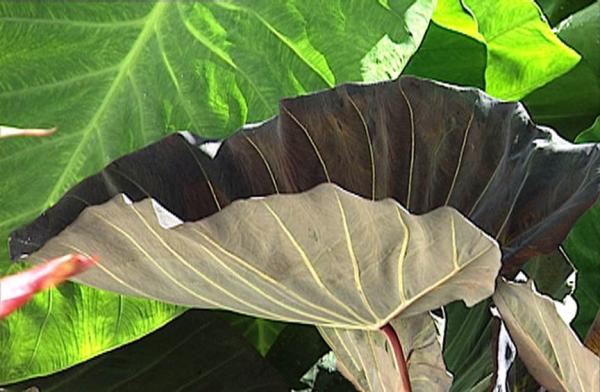
A story about kalo, a native Hawaiian plant … and ancient Brother. […]
Lāʻau Lapaʻau | Valerian
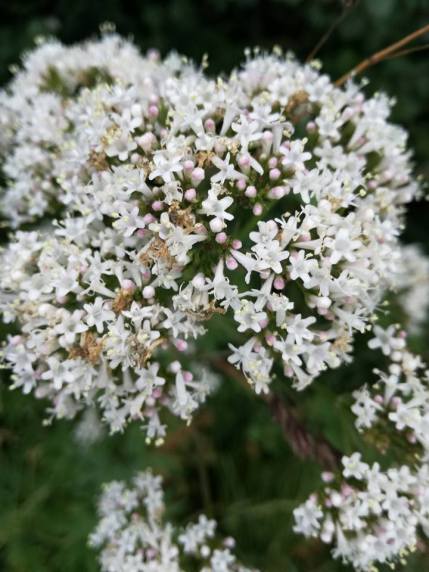
Valerian
Botanical Name: Valeriana officinalis.
Other Common Names: Valerian root, garden valerian, tobacco root, garden heliotrope, all-heal, phu (Galen), great wild valerian, amantilla, setwall, setewale capon’s tail.
Family: Valerianaceae
Habitat: The plant is native to Europe, South Africa and parts of Asia. It has naturalised in North America. It prefers rich, heavy loam with adequate moisture. Most of the valerian used in medicine is grown on farms and cultivated for this purpose.
Description: The valerian plant is a perennial that can reach a height of 4 feet. The stems of the plant are erect and hollow with white or reddish flowers that bloom each summer. The leaves are dark green and paired at their base. The flowers have a peculiar, though not completely unpleasing, scent. Some describe the scent as similar to well-aged cheese or milk.
Plant Parts Used: The root and rhizome are…
View original post 1,606 more words
Aloha Meditation Moment …

Lāʻau Lāpaʻau | Clove

Clove
Botanical Name Syzygium Aromaticum.
Common Name Mother Cloves, Clovetree, Gewürznelken (German), Lavanga (Ayurvedic), Kryddernellike (Danish), Clous De Girofle (French), Clavo (Spanish), Chouji (Japanese), Laung (Hindi).
Family Name Myrtaceae
Tcm Name Ding Xiang
Also Known As: Gong Ding Xiang
Meridians: Kidney, Spleen, Stomach, Lung
Key TCM Actions & Medicinal Uses: Warms the Interior/Expels Cold: relieves nausea, aids digestion, hiccups, vomiting, white vaginal discharge Warms and Fortifies Yang: morning sickness, vomiting, diarrhea, cold belly, premature ejaculation.
Parts Used The Dried Immature Flower Buds Are Mostly Used As Spice But Also As Herbal Medicine.
Native Region It Is Believed That The Clove-tree Is Originally Native To The Maluku Islands Or The Moluccas, A Indonesian Archipelago And From There It Has Spread To Other Parts Of The Globe With Suitable Climate.
Botanical Description The Clove tree Is An Evergreen Tree That Belongs To The Myrtle Family (Myrtaceae). It Can Reach Up To…
View original post 1,646 more words
Lāʻau Lāpaʻau | Cinnamon

Cinnamon
Botanical Name Cinnamomum Verum.
Common Name Cassia, Ceylon Cinnamon, Kayu Manis, Canela, Vayana.
Family Name Lauraceae
Ayurvedic/ Tcm Name Rou Gui
Also Known As: Kuei Pi
Meridians: Heart, Kidney, Liver, Spleen
Key TCM Actions & Medicinal Uses: Warms the Kidneys/Fortifies Yang: Aversion to cold, weak back, frequent urination. Fortifies Spleen Yang: poor appetite, abdominal pain, diarrhea. Wheezing due to Kidney Yang not grasping Lung Qi. Principal herb for treating floating deficient Yang: red face, wheezing, sever sweating (like oil), weak and cold lower extremities. This pattern is called Heat above and Cold below or True Cold with Illusory Heat. Used when upper body is Hot and lower part Cold. Disperses Deep Cold/Warms the Meridians/Alleviates Pain: Deep Cold causing pain and Qi or Blood (Xue) stagnation, including amenorhea, dysmenorrhea, Yin type boils. Helps nourish Qi and Blood (Xue): used in Qi and Blood (Xue) tonics as…
View original post 1,577 more words
Aloha Meditation Moments …
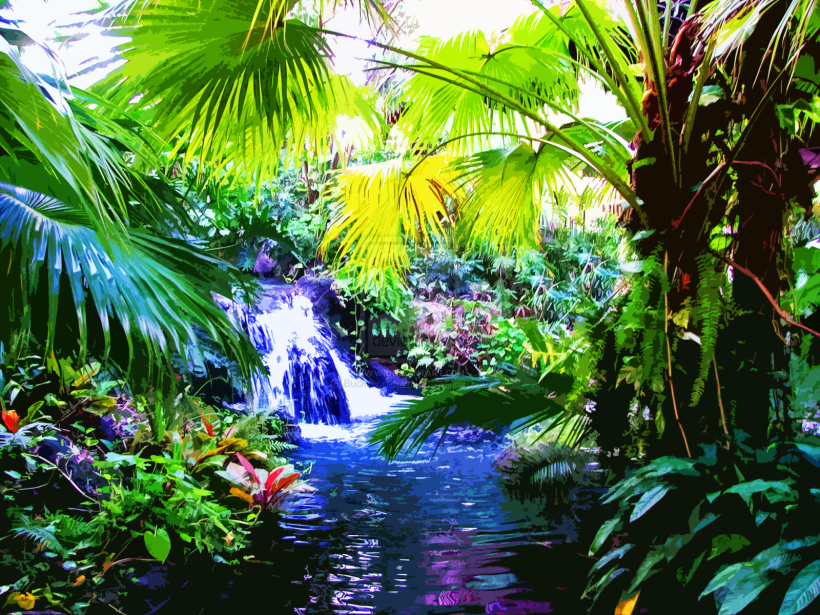
We spend our childhoods writing our dreams in diaries. As adults, those dreams quietly come true every single day … only sometimes we forget to notice, until it’s too late. So, slow down … and take it in. Let yourself feel it. Because sometimes, even the most beautiful dreams disappear when the sun comes up.

New opportunities open us up to greater possibilities. New information and a new perspective can permanently shift our consciousness … and the way we see the world will never be the same.

All day, every day, we fight against the current. Sometimes, we lose. Sometimes, we win. Sometimes, the current carries us exactly where we need to go … and sometimes, it slams us right into the rocks.

We define ourselves by our actions. But, it doesn’t mean we have to live by that definition. We can change our own story. We can refuse to accept the way people define us. We can work like hell to escape a bad reputation … only to wonder if we succeeded. It can be hard to shake the mistakes of the past. They’ll always come back to haunt us. But, one thing we never do: we don’t stop. We don’t quit. We get up and rejoin the fight.
Aloha Meditation …

La’au Lapa’au | Vervain
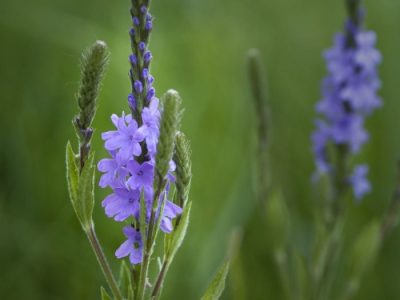
Vervain
Botanical Name Verbena Officinalis
Common Name Lemon Verbena, Pigeon Grass
Family Name Verbenaceae
Parts Used Leaves & Flowers
Habitat Vervain Is Found Growing In Abundance In The Wild All Over Europe, North Africa And Also In China And Japan. The Herb Is Grown Through Seedlings During Spring Or In Autumn And The Plant Flourishes In Soil That Does Not Allow Water To Stand And Prefers A Lot Of Sunlight..
Botanical Description: This Perennial Herbaceous Plant Grows To Be About A Meter Tall And Has Simple Opposing Leaves. In Summer, It Has Tiny White, Pink, Purple Or Blue Five-petal Flowers That Sit Atop Delicate Spikes.
Harvesting Guidelines The Aerial Parts Of Vervain Are Useful For Its Therapeutic Properties And Are Normally Collected During The Summer When The Plants Are In Full Blossom
Constituents
Volatile Oil (Including Citral), Bitter Glycosides (Including Iridoids – Verbenin, Verbenalin), Tannins, Alkaloids, Mucilage. …
View original post 731 more words
La’au Lapa’au | Lemon Balm

Lemon Balm
Botanical Name Melissa Officinalis
Common Name Common Balm, Melissa, Sweet Balm, Citronmeliss (Swedish), Melisse (German), Meliza (Spanish).
Family Name Lamiaceae
Parts Used As With Most Medicinal Plants In The Mint Family, The Beneficial Extracts Are Made From The Oils Contained In The Leaves Of The Plant, And The Oils Are Easily Extracted Just By Crushing The Leaves.
Habitat: Lemon Balm, A Member Of The Mint Family, Is Native To Western Asia And Was Introduced Centuries Ago To Central And Southern Europe, Where It Is Now Common. Lemon Balm Was Also Introduced To Eastern North America And Is Now Naturalised Through Much Of That Range As Well As Parts Of The Pacific Coast. Lemon Balm Thrives In A Wide Range Of Conditions. It Spreads Both Vegetatively And By Seed. It Is A Hardy, Easy To Grow Plant That Can Become Weedy In The Garden. There Are Several Varieties…
View original post 1,061 more words
Health | Everything You Need To Know About Hemp Oil
 CBD is everywhere—but what is it, really? […]
Alchemically Yours … | Lanakila


Metaphysics | 7 Ancient Practices For Turning On The Pineal Gland And Opening The Spiritual Eye
 This actually works […]
Source: 7 Ancient Practices For Turning On The Pineal Gland And Opening The Spiritual Eye
La’au Lapa’au | 31 Long-Forgotten Native American Medical Cures

When it comes to herbal remedies, almost every person is familiar with purple coneflower as an antibiotic, aloe as a skin conditioner and a topical anesthetic, and willow bark as a painkiller. But, compared to […]
Elemental Magic | Finding Your Element
Lāʻau Lāpaʻau | Aloe Vera
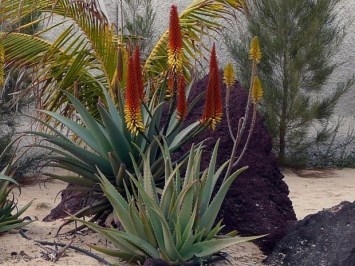
Herb: Aloe
BOTANICAL NAME: Aloe Vera Syn. A. Barbadensis
COMMON NAME: Aloe, True Aloe, Burn Plant And Lily Of The Desert.
FAMILY NAME liliaceae
AYURVEDIC/ TCM NAME N/A
PARTS USED: Both The Gel And The Latex From The Leaves Of Aloe Are Used Medicinally But For Quite Different Purposes. Whether Using Raw Aloe Or Purchasing A Prepared Remedy, One Should Be Careful In Distinguishing Between The Latex And The Gel.
The Gel Is The Pulpy, Transparent Content Of The Split-open Leaves And Familiar To Anyone Who Has Used Aloe To Treat Kitchen Burns. The Latex Is A Yellowish Sap Found Closer To The Inner Skin Of The Leaves And Which Drains When The Leaves Are Cut Open. The Latex Is Also Known As ‘aloe Bitters’ And Is Used To Make ‘aloe Water’ Or Dried Into A Powder. It Is Highly Laxative!
NATIVE REGION: Aloe Vera Is Native To Southern Africa…
View original post 1,914 more words
At The Heart of Hōʻopōnōpōnō

He alīʻi kā lāʻi, he hāku nā ke aloha
Peace is a chief, the lord of love. Where peace is, there also love abides. (Pukui, 1983)
Light Body Activation | Only listen when you are ready! Binaural Beats+Subliminal Meditation
You have forgotten you, but are continuing to remember.
Your LightBody gives you access to you in your truest and purest form. The human mind “learns” and the soul REMEMBERS as an energetic body of consciousness. These too are in direction opposition to each other, yet have a nexus point where infinity meets in the middle. When one can truly see all separation within, they will have remembered that they have never been separate at all.
The human mind creates separation within self, from self and transmitting to an outward reality viewed as the physical manifestation in the materialization of all things and others.
“Remembering” is a state of BEing as one’s own energy self. It is a state of consciousness. It is felt as one transcends the physical reality/bodies and exists as ONE unified body of consciousness. It takes one to the moment of creation or even before.
To actually MERGE into a body of consciousness as nothing but just an energy, “leave” your physical body & observe all of humanity from the point of “before creation” is a mind-blowing event that one attempts to comprehend, but cannot even fathom with a logical mind. In a way, there is no reason to speak of it, while also understanding the importance to share.
Everything and nothing exists all in one moment. The vastness & the simplicity almost contradict each other in a place where there is no contradiction. And describing with words that where words don’t exist, well.
To exist as a “dot”, to expand in & out to see all as nothing or all as one, to observe the gridwork of humanity, of separation, to feel the love of all as one being, brings tears to my eyes as the very thought of what has been created here to “live” out in the physical.
Emotions are all over the place, in the most amazing way. One moment is playful, while the next is serene and silent. All moments are in love, observance & service even more now, for the “reality of this” continues to expand in every moment. New realizations of what we all are here to do changes with new understandings of remembering continuing to come through.
This is a place of appreciation, humility, honor and trust. It is one of purpose that transcends all human limiting thoughts and beliefs. This is a place that is achieved through honor & integrity that one builds from within.
Do we still exist here in human form? Yes we do.
Do we trip & fall? Yes we do.
Do we judge it? No.
Do we serve humanity more than ever before. Indeed.
Do we see things as we did in the physical? Never again.
Each new integration “period” starts with a glimpse of what one is integrating into. It provides for one to keep one moving forward to “achieve” that which they have “unlocked” of their previous, earlier & higher existence. For those who’s hearts are opening and awakening, this will be a continual journey within to seek that which you have yet to understand. This is a visual reality of geometry shapes, spirals, hearing what cannot be heard and, feeling with our entire being and transmitting out to assist all others as the brilliant & bright energy that we all are here, as one.
When all realities have merged at the highest vibrational frequency, all bodies of consciousness then unify as one.
This IS your LightBody. Embrace it, as the reality of it is now in your own remembering and ability to continue to release.
ʻŌlēlo Hawaiʻi | Hawaiian Word of the Day: April 5th
 ʻĪkaīka means strong, powerful, sturdy, and more. It is a very popular name now days, especially for boys whose parents want them to grow up ʻīkaīka. Be […]
 Hālau 'Aha Hui Lānākila