La’au Lapa’au | Hyssop

The Wonky Pot Apothecary's avatarThe Wonky Pot Apothecary

Hyssop_Hyssopus_officinalis

Hyssop

Botanical Name: Hyssopus officinalis.

Family Name: LAMIACEAE

Other Common Names: Curdukotu, hastipippili, hisopo, yanagi-hakka.

Habitat: Hyssop is native to the Mediterranean countries and temperate parts of Asia but is now widely cultivated all over the world and often used as a decorative plant.

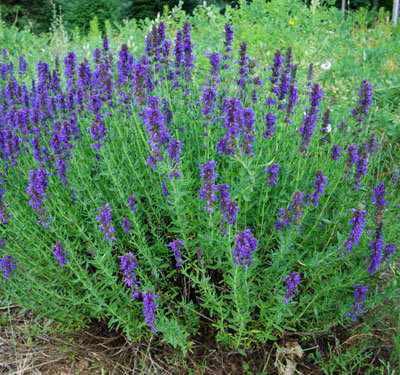
Plant Description: Hyssop is a perennial plant from the family of Lamiaceae or the mint family. This family contains a wide variety of medicinal and kitchen herbs. Other well-known plants in this family are for example peppermint, basil, sage, lavender, thyme, and catnipLike all members of the mint family, hyssop has a slender, square stem with opposite positioned leaves and can reach heights of up to two feet. Hyssop flowers from June through October with purple-blue coloured flowers that are very fragrant and attract nectar-drinking insects. Some cultivars have white or pink-coloured flowers. 

Hyssop leaves and green…

View original post 1,120 more words

Hauʻoli lā Pōʻaono

Aloha kākahiaka e Hauʻoli lā Pōʻaono nā Kanaka. Aʻia i kā ʻolelo no ke ʻola, aʻia i kā ʻolelo no ka make. Ō kā maluhia no me ʻoe.

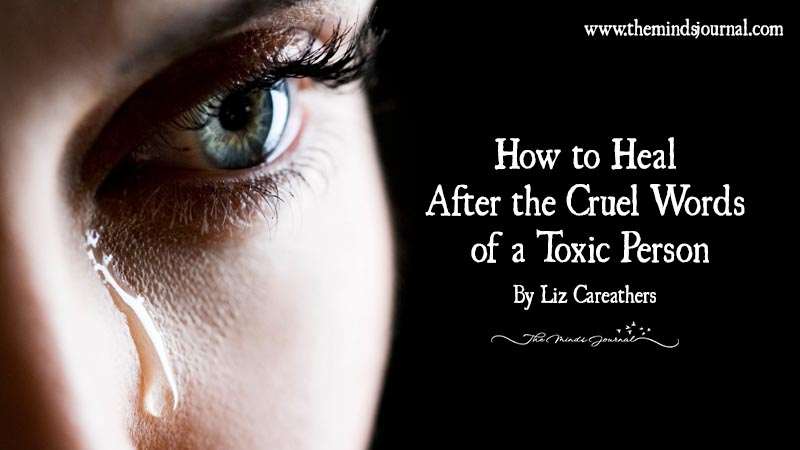
Good morning and Happy Saturday, People. In speech is life, in speech is death. In ancient Hawai’i, a kahuna ‘ana’ana could pray someone to death or counter another’s death prayer. The saying tells the Hawaiians that words can either be a source for healing or destroying.  Hence the warning:  we need to be careful with our spoken words so that we don’t waste our precious Ha, or Divine Breath of Life.  Peace be with you.

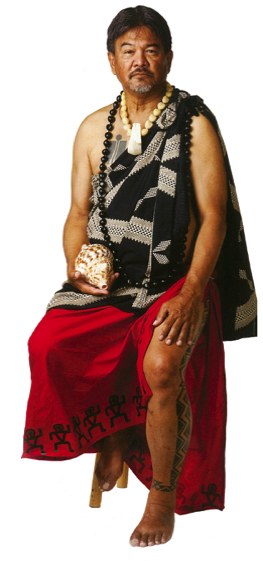
Aloha Spirit | One Breath, One Life – Kahu Kauila Clark

Kahuna means the keeper of the secrets … Kahu means to care for the knowledge and to share the ancient knowledge with the rest of the world. That is the responsibility of a Kahu.

We, as the children of all creation, are charged with that same responsibility – kuliana — of sharing the ancient knowledge with all of the beings of this world … Mālāma Honua … to take care of the Earth.

All of this cultural understanding was encoded in Aloha, and that Aloha concept meant that there was One Creator, and that creator was ‘Io (EE-oh), and that everything was alive including spaces, buildings, rocks, plants, animals, fish, the ocean, the land.

Aloha is the cornerstone of the Hawaiian culture. The behavior of Aloha is demonstrated through the Honi. The Honi is done by the touching of the noses and breathing in a deep breath down to your spiritual center, which is right below your navel. Every breath you take, you take God within you. The whole idea of the Ha is that it is your connection to all of the universe, and your connection to Creator. It is also your connection to others. So, when you share your spirit, that is the greatest gift you have.

This is one of the medicines we use in ceremony and in healing … the Lau Ki, or Ti leaf. The significance of this is that the Ti leaf represents ‘Io. ‘Io is the Hawaiian hawk that connects us to ‘Io, the Creator. This is where we use the Ti leaf, very much like the Native Americans use the eagle feather. As we pray, we use the Ti leaf to take our prayers to the Creator, on the wings of ‘Io, the Hawaiian hawk.

Looking at quantum physics, nothing is created or destroyed … so we have spirits all around us at all times. The knowledge and education of the ancestors continues to live and it thrives. The University is the Universe. The energy runs through all the generations, so that it’s not past, present and future. It is Now in our na’au. And what emphasizes the Now is your breath. The only thing that is happening right now is your breath.

How do we define health? The Hawaiian definition of health is happiness. Hau’oli means happiness based in good health.

Māhālo is thank you, but it’s not just thank you. It’s thank YOU for making me a part of your Spirit. It starts with spirituality and ends with spirituality. And when you say mahalo you emphasize the HA … so it is māhālo.

— Kahu Kauila Clark

Hau’ōli Aloha Pō’alima

Aloha a me kā maikāʻi kākahiāka.  Hau’ōli Aloha Pō’alima a pau. Ka hopena pule, ʻūa ʻāneʻi pela ke hoike nēi i kekāhi lēʻaleʻa i loko ʻo kā lā me kā ‘ōhana a me nā hōa aloha. Noho pomaikā’i a hīkī i kā lāʻapōpō, he nūi ke aloha.

Hello and Good Morning … Happy aloha Friday, everyone!  The weekend is here so lets have some fun in the sun with family and friends.  Remain blessed and until tomorrow much aloha.

Mo’olelo | King David Kalākaua: The Original Most Interesting Man In The World

King David Kalākaua was the last king of Hawaii. But he was much more than that — he was a traveler, a dreamer, a tech nerd. Or maybe he was fond of drinking, reveling and gambling. It depends on who you ask. But one thing he was not: Boring.  […]

Source: King David Kalākaua: The Original Most Interesting Man In The World

Hauʻōli aloha Pō’akahi

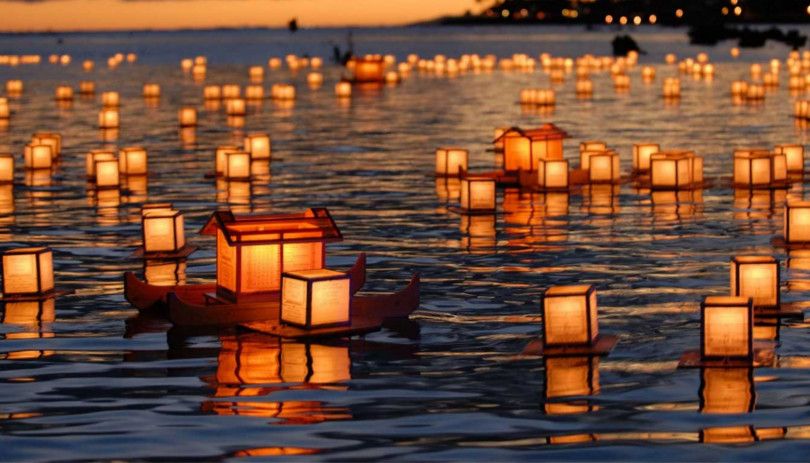
OBON FESTIVAL 2018 — August 13-15, 2018 … according to the *lunar* calendar.  The Obon festival (also known as Bon festival) is an annual Japanese holiday which commemorates and remembers deceased ancestors. It is believed that their spirits return at this time to visit their relatives.  Chochin (paper) lanterns are hung to guide the spirits and Obon dances (bon odori) are performed. Families have reunions and visit the graves of their relatives and make food offerings at altars and temples.  It is observed from the 13th to the 15th day of the 7th month. However, according to the solar calendar the 7th month is July but according to the lunar calendar, the 7th month is August. Obon is therefore celebrated at different times in different regions depending on which calendar is observed.  The official 2018 dates are August 13-15 though it will be celebrated between July 13-15 in some places.

Aloha a me aloha kākahiāka kākou. Kona kupanaha Pō’akahi. Hō’ouna aloha ī nā mea a pau ʻo ōukōu. Loāʻa he nūi lā kākou.

Hello and good morning to you all. It’s a wonderful Monday! Sending aloha to all of you. Have a great day, everyone.