Lāʻau Lapaʻau | Bergamot

The Wonky Pot Apothecary's avatarThe Wonky Pot Apothecary

bergamot-Uses

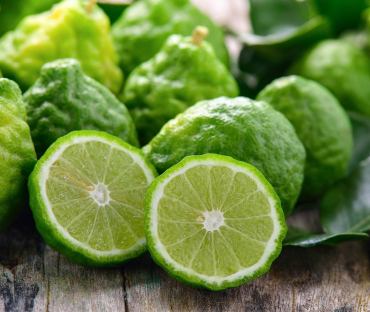
Bergamot

Botanical Name Citrus Bergamia.  

Common Name Bergamot Orange, Bergamott (Swedish), Bergamottorange (Danish), Bergamotte, (German), Bergamotier (French).

Family Name Rutaceae

Ayurvedic/ Tcm Name: Fo Shou Gan

Meridians: Liver, Spleen, Stomach, Heart

Key TCM Actions & Medicinal Uses: Liver and Spleen Qi Stagnation/Moves Qi: digestive disorders, gas, depression, emptiness, grief, nausea, bloating, loss of appetite, vomiting. Lifts and Harmonizes Qi/Calms Shen: mental fatigue, depression, insomnia, anxiety, mood swings.

Parts Used The Essential Oil, Which Is A Light Yellow Or Pale Green Liquid With An Extremely Rich, Sweet And Fruity Taste.

Native Region The Plant Is Endemic To Tropical Southeast Asia. Today It Is Cultivated In Many Subtropical Areas Around The World, Especially In Southern Italy And The Ivory Coast.

Botanical Description Bergamot Is A Small Tree Of The Rutaceae Family (The Rue Or Citrus Family). It Can Grow Up To 4.5 M High And Has Smooth, Oval Leaves And…

View original post 1,173 more words

Angel Messages | For June 6, 2018

This message only shows the potential of the day; whether or how you will use it depends only on you.

Love is the main way to God; love the others and you will naturally be connected with God.”  This is one of the nicest angelic messages to receive and it can be viewed in several aspects.  On the one hand, it shows that in your life, on the love front, things are going very well.  If you currently have a long-term relationship, it may pass to the next level — marriage/children, or you can achieve a new, greater depth of spiritual unity with your partner.

If you do not have such a relationship, it is very possible that you meet a very suitable person quite soon.  Don’t refuse invitations to outings, meetings with new people and casual dating; it’s a big world out there and love can find you anywhere.

The next aspect of this message points to the fact that whatever we do, we ought to do it with love because this is the creative energy of life and the feeling that can make us happy.

Spirituality | Angel Signs ~ 13 Signs Your Angels Are With You!

13 Real Angel Signs You Might Be Experiencing! Angel signs are the signals, clues and omens that signify the presence of angels in your life. Angels are very real, but they are spiritual beings with a much different frequency compared to humans. Increasing your present moment awareness of the angels is one of the best ways to start noticing their guidance, especially when you know some of the common signs to look for. Angelic guidance can and does come in the form of channeled messages, dreams, and directly receiving insight… You may receive flashes of inspiration, learn from your angels during  […]

Source: Angel Signs ~ 13 Signs Your Angels Are With You!

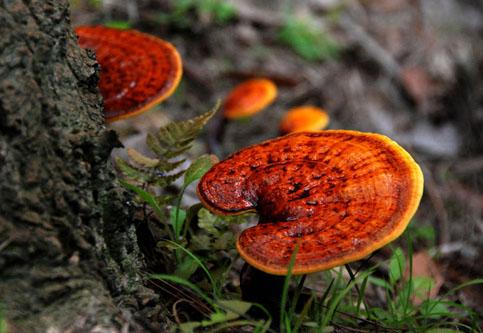
Lāʻau Lapaʻau | Health Benefits of Reishi {Ganoderma lucidum}

Crooked Bear Creek Organic Herbs's avatarCrooked Bear Creek Organic Herbs

Also, Known As:

  • Ling Chi
  • Ling Zhi
  • Reishi

Known in Japan as the ‘phantom mushroom’ because it can be so very difficult to find, the reishi generally grows on old Japanese plum trees. Reishi is so rare that only about 10 mushrooms would be found growing on about 100,000 plum trees. Finally, it was the Japanese Shigeaki Mori who perfected the art of growing the reishi indoors. This art involved culturing wild reishi spores on plum-tree sawdust over an elaborate and arduous two-year time period. The fruiting body of the reishi can be used medicinally.

Also popularly known as the hing zhi “herb of spiritual potency”, the reishi is, in essence, a mushroom that can grow on old rotten logs, fallen tree stumps and other similar areas throughout the coastal regions of China. However, reishi is cultivated in areas as diverse as North America, Taiwan, Japan, Korea, and China for…

View original post 1,024 more words

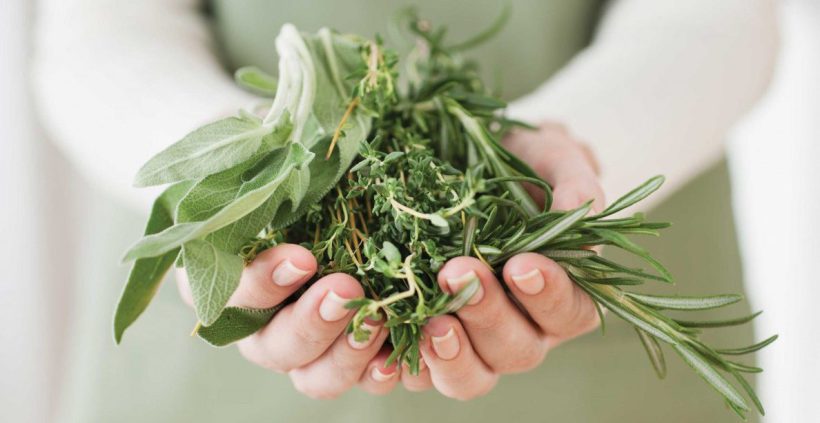
Lāʻau Lapaʻau | Harvesting Herbs

Crooked Bear Creek Organic Herbs's avatarCrooked Bear Creek Organic Herbs

Whether you are collecting the flowers, leaves or stems, you should always harvest them on a sunlit day and only when the dew has dispersed from the plants and prior to the garden being filled with the day’s full heat. In case the plants contain volatile oils, for instance, lemon balm and mints, it is best to harvest them immediately prior to noon. This is because the oils get enough time to move to the leaves, but they have not been evaporated by the heat of the day. As it has been found that rain sweeps away some amount of the aromatic volatile oils, it is advisable that you should wait for at least one day after a rainstorm and then harvest the leaves. Preferably, you should wait for two to three days prior to harvesting, as this will give the plants sufficient time to gather their essential oils.

In…

View original post 2,045 more words

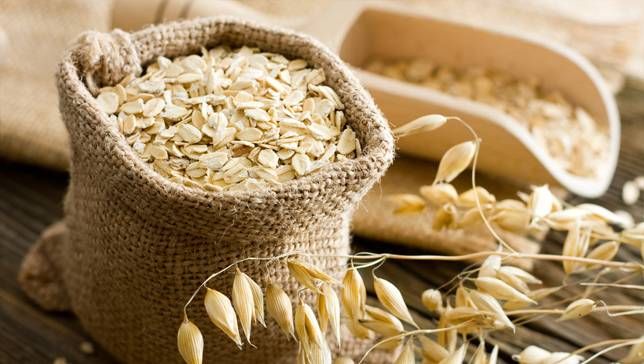
Lāʻau Lapaʻau | What Is Oats {Avena sativa}

Crooked Bear Creek Organic Herbs's avatarCrooked Bear Creek Organic Herbs

Also, Known As:

  • Avena Sativa
  • Common Oats
  • Groats
  • Oats
  • Wild Oats

The plant-based cereals called the oats – botanical name: Avena sativa – is a very nutritious food and remedy. The oat is rich in protein, has lots of beneficial minerals such as calcium and magnesium, trace elements and potassium as well as iron – while also being very high in vitamin content. The presence of these bodybuilding nutrients in the oats makes for strong bones and teeth, most of these vital minerals found in the oats are also necessary for the maintenance of a healthy nervous system in a human being. Remedies made from the oats were traditionally used as a herbal nerve tonic; this tonic was given to patients to treat problems like depression, and mental debility as well as nervous exhaustion. Eating oats is a very good remedy when withdrawing from the effects of tranquilizers and antidepressant medications. The oats not only stimulates the body but also boosts energy levels up…

View original post 1,378 more words

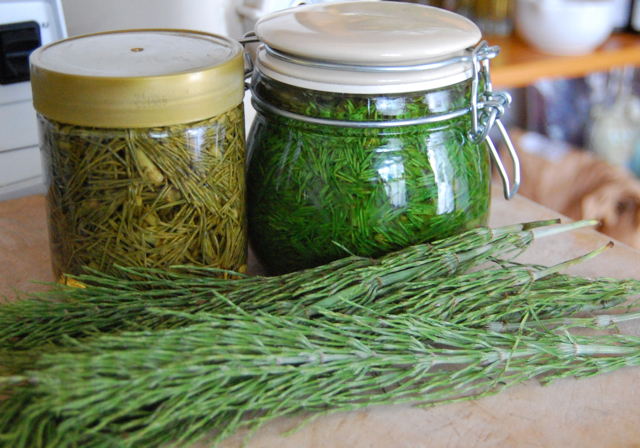
Lāʻau Lapaʻau | What Is Horsetail {Equisetum arvense}

Crooked Bear Creek Organic Herbs's avatarCrooked Bear Creek Organic Herbs

Also, Known As:

  • Bottlebrush
  • Horsetail
  • Mare’s Tail
  • Scouring Rush
  • Shave Grass

Horsetail is a well-known herb; it is a perennial herb growing in moist loamy or sandy soil found in much of the North American continent, as well as in similar climates in Europe and Asia. The morphology of the horsetail herb is very strange and the plant has a creeping or string-like root name. The roots at the nodes are turned into numerous hollow stems of two kinds. Horsetail begins growth in two stages, initial growth of the plant is through a fertile and flesh-colored stem, this stem can grow to a height of four to seven inches and comes out a cone like a spike – this spike contains spores of the plant. The initial stem does not last long and withers away. The second stem is a green and sterile structure reaching a length of eighteen inches in height…

View original post 2,622 more words

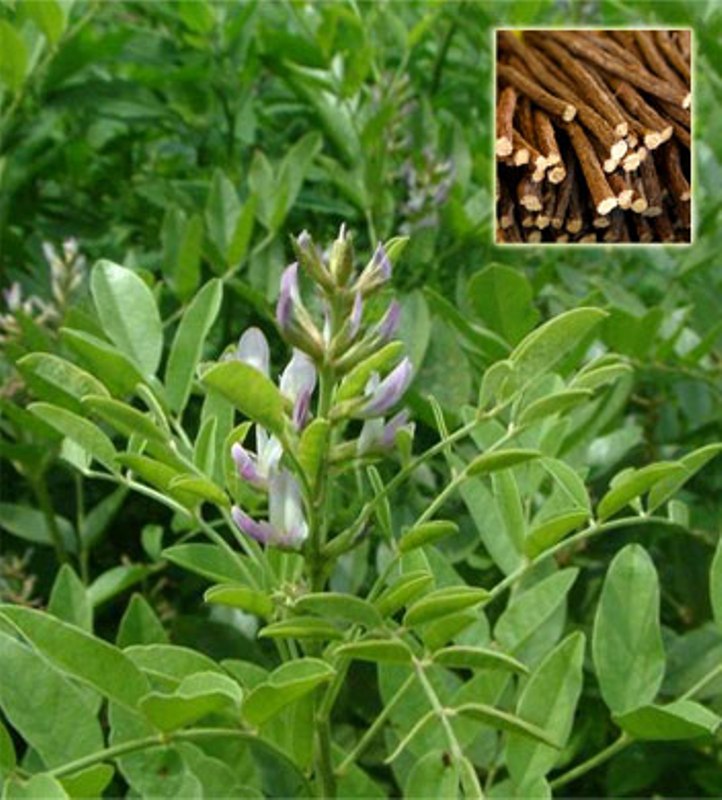
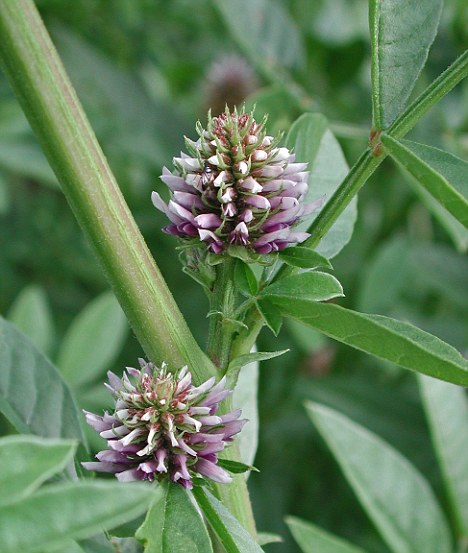
Lāʻau Lapaʻau | What Is Licorice Root?

Crooked Bear Creek Organic Herbs's avatarCrooked Bear Creek Organic Herbs

Glycyrrhiza glabra

Also, Known As:

  • Chinese Licorice
  • Gan Cao
  • Kan-ts’ao
  • Kuo-lao
  • Licorice
  • Licorice Root
  • Ling-t’ung
  • Liquorice
  • Mei-ts’ao
  • Mi-kan
  • Mi-ts’ao
  • Sweet Licorice
  • Sweet Wood
  • Yasti Madhu

Licorice refers to the roots and rhizome of a variety of plants belonging to the species Glycyrrhiza glabra L. of the family Fabaceae. This is a European species and possesses a sweet yellow wood. There are also Asian species of the plant like Glycyrrhiza uralensis Fisch. and others. In the commercially available licorice in the US markets, all these species are included since a significant part of licorice is imported from China and other Asian countries.

licorice root plant
The herb has expectorant and demulcent properties and has been used traditionally in the treatment of common cold and coughs. The medication is commonly called licorice root or Glycyrrhiza and has also been in use as a flavoring agent. Licorice has been popular for long, in many parts of the…

View original post 3,009 more words

Spirituality | There is only conditional love, there is nothing called unconditional love.

You said that the love of the mother to the newborn baby is unconditional. In no way, in no way. And it should be apparent. Does the mother love the baby of the neighbor? And, is this not the condi… […]

Source: There is only conditional love, there is nothing called unconditional love.

Lāʻau Lapaʻau | Your Apothecary Cabinet: The Healing Properties Of Herbs

Crooked Bear Creek Organic Herbs's avatarCrooked Bear Creek Organic Herbs

There have been lots of pharmaceutical studies to evaluate the active elements present in herbs to discover the reason as well as the manner in which they work. A relatively outmoded method is to classify the herbs by exploring the types of health conditions that they can aid in curing. Identifying the actions of the herbs and the manner in which they may be employed together forms the basis of a comprehensive approach.

For example, in a number of instances, the action of herbs is owing to certain chemical or a blend of chemicals present in them – the sedative herb valerian is a perfect example of this. Alternatively, the action may also be owing to a multifaceted synergetic interaction between the different elements of the herbs. Nevertheless, the best way to comprehend the actions of the herbs is to consider them as characteristics all together and to interpret the chemical…

View original post 2,900 more words

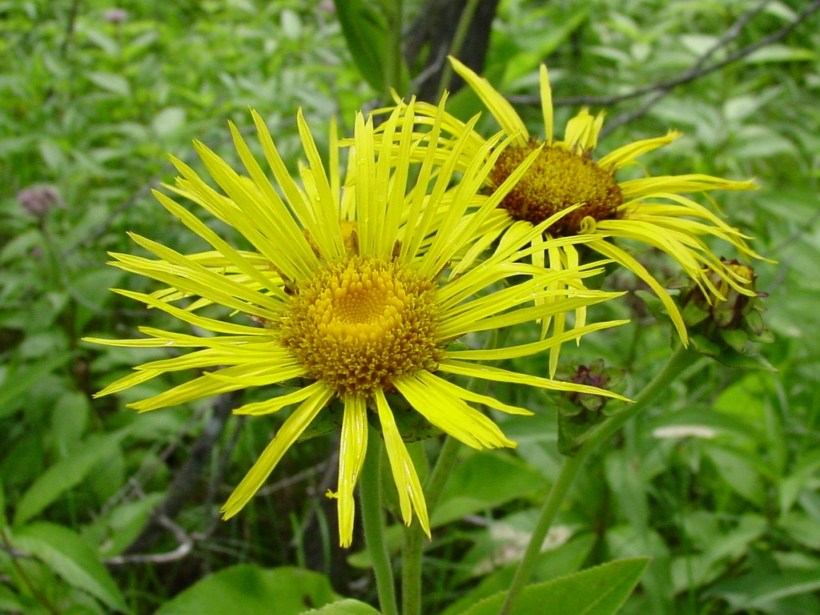
Lāʻau Lapaʻau | What Is Elecampane?

Crooked Bear Creek Organic Herbs's avatarCrooked Bear Creek Organic Herbs

Inula helenium

Also, Known As

  • Elecampane
  • Horseheal
  • Scabwort

Elecampane (botanical name Inula helenium) is a tall, bristly perennial plant that is native to south-eastern Europe and western Asia. This herb, which bears yellow flowers resembling the daisy, has been naturalized in North America and is found growing in abundance in the moist meadows, fields and along the roads in the central and eastern regions of the United States and neighboring Canada. Elecampane belongs to the Asteraceae family and grows up to a height of four to six feet. The herb has a heavy branching stem that emerges from a basal rosette (a circular arrangement of leaves at the base) with leaves that are large, oval-shaped and pointed at the end. The herb bears vivid yellow flower heads during the period between the middle to the end of the summer. The flower heads of elecampane are generally four inches in diameter…

View original post 3,333 more words

Lāʻau Lapaʻau | Amazing Benefits of Ashwagandha Root for Women

Crooked Bear Creek Organic Herbs's avatarCrooked Bear Creek Organic Herbs

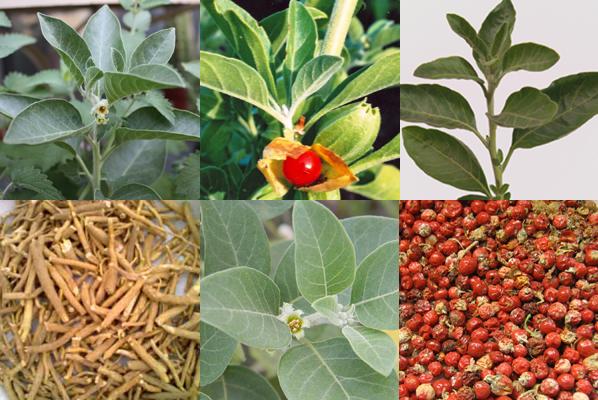
Ashwagandha, also known as Indian ginseng, is an Ayurvedic herb commonly used in traditional Indian medicine. Investigations into the herb’s powerful effects on the body have sparked an explosion of interest, and research has reported the exciting potential for human health, specifically its effects on mental, physical, and emotional health.

Benefits of Ashwagandha Root

Ashwagandha may enhance energy, support aging, and stimulate sex drive. Here are 7 benefits women may experience with ashwagandha.

1. Promotes Graceful Aging

Stress, both metabolic and emotional, dramatically affects aging. Cortisol, the body’s stress hormone, contributes to muscle loss and weakness, wrinkles, and cognitive impairment. Research has found that ashwagandha improves resistance to stress, possibly decreasing cortisol production. One study of 64 individuals observed a reduction in stress and a significant decrease in cortisol levels in individuals taking ashwagandha compared with placebo.

2. Menopausal Support

Ashwagandha acts on the endocrine system by encouraging hormone balance. A study involving…

View original post 889 more words

Lāʻau Lapaʻau | Ashwagandha Root Extract Improves Symptoms of Obsessive-Compulsive Disorder in Patients Taking Selective Serotonin Re-uptake Inhibitors

Crooked Bear Creek Organic Herbs's avatarCrooked Bear Creek Organic Herbs

  • Ashwagandha (Withania somnifera, Solanaceae)

  • Obsessive-Compulsive Disorder

Obsessive-compulsive disorder (OCD), characterized by stressful, repetitive, and intrusive thoughts or obsessions followed by actions or compulsions, is thought to be linked to a defect in the serotonergic system. A common treatment is the use of selective serotonin reuptake inhibitors (SSRIs), but they are considered only mildly effective, with 40-60% of patients failing to respond. In Ayurvedic herbal medicine, ashwagandha (Withania somnifera, Solanaceae) is considered to be a rejuvenating and revitalizing herb. Its roots, which are used to enhance mental and physical health, have anxiolytic and antidepressant properties due to the presence of bioactive glycowithanolides, and the alkaloids withanine and somniferine are used for nervous disorders. Animal studies also have shown it to enhance serotonergic transmission. The goal of this randomized, double-blind, placebo-controlled trial was to verify the efficacy of ashwagandha root extract as an adjunct therapy to treat the…

View original post 511 more words

Lāʻau Lapaʻau | Scarlett Pimpernel

The Wonky Pot Apothecary's avatarThe Wonky Pot Apothecary

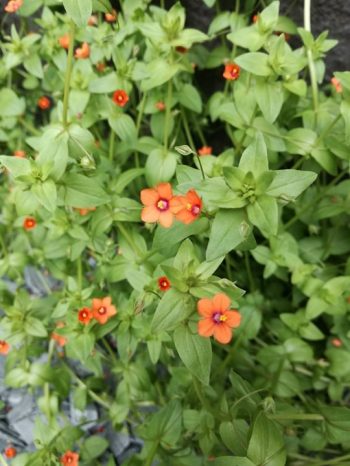
(This flower is no longer used due to its toxicity)

Scarlett Pimpernel

Scarlet Pimpernel

Botanical Name: Anagallis arvensis.

The Genus name Anagallis derives from the Greek word “anagelas”, meaning “to laugh” and probably stems from the notion of the past ages that the herb could boost mood and relieve depression.

Common Names: Red pimpernel, pimpernel, red chickweed, poor man’s weatherglass, bird’s-eye, nonsblom (Norwegian), murajes (Spanish), mouron des champs (French), Acker-Gauchheil (German), nónblóm (Icelandic), puna-alpi (Finnish), rödmire (Swedish), rød arve (Danish).

Family Name: Primulaceae

Habitat: Scarlet pimpernel is most likely native to the Mediterranean region, but has now been introduced to most parts of the world with a temperate climate. It prefers relatively sandy soil and can not tolerate shade very well. The species is spread by agricultural farming and occurs primarily as a weed in farmlands, fields, and gardens. It can also be found growing in fallow land, along…

View original post 1,247 more words
Paradigm Shift | 9 Ways to Spot a Fake Guru or Spiritual Teacher 

The old paradigm of life-controlling and mind-manipulating belief systems has left many to finally realize they have been living in an artificial reality created by egotistical people on power trips. This has led to a situation where many are wandering, trying to find their own way in a world without many true leaders. As  […]

Source: 9 Ways to Spot a Fake Guru or Spiritual Teacher ⋆ SHIFT

Lāʻau Lāpaʻau | Your Apothecary Cabinet: Herbal First Aid Kit…

Crooked Bear Creek Organic Herbs's avatarCrooked Bear Creek Organic Herbs

Being prepared with my favorite remedies gives me peace of mind on the road or trail, and keeps me from having to search out herbal products in an unfamiliar town — or from having to resort to padding my heels with mullein leaves to ease the agony of a broken blister while on a backpacking trip.

I’ve had plenty of opportunities to put my first-aid kit to use, from treating blisters and bug bites to motion sickness and colds. I choose simple, multipurpose remedies and store them in a small padded nylon lunch box that’s always ready to toss into the car. For backpacking trips, I pare my kit down to arnica gel, echinacea, peppermint and chamomile tea bags, crystallized ginger, insect repellant, a tin of herbal salve, a tiny bottle of lavender essential oil, and an assortment of bandages and moleskin.

With the following herbs and essential oils, you…

View original post 1,626 more words

Lāʻau Lāpaʻau | Your Apothecary Cabinet: Common Base Oils

Crooked Bear Creek Organic Herbs's avatarCrooked Bear Creek Organic Herbs

Vegetable and herbal oil are used in creams, lotions, massage, facial and body oils, gels, and salves.

Sweet Almond (Prunus amygdalis var. dulcis) and Apricot Kernel (Prunus armeniaca): emollients, can relieve itchiness and dryness.


Arnica (Arnica montana): indicated for bruises, varicose veins, burns, strains and sprains, arthritis, and myalgia.


Avocado (Persea Americana): wonderful oil for regenerative skin care, indicated for dry, itchy, or mature skin, antioxidant, nourishes the skin.


Baobab (Adansonia digitata) and Marula (Scelerocara birrea): emollient, soothes inflamed skin, dry skin, sunburn.


Borage (Borago officinalis) and Evening Primrose (Oenothera biennis): excellent regenerative skin care oils, nourishing, indicated for psoriasis, eczema, inflamed and dry skin conditions.


Calendula (Calendula officinalis): anti-inflammatory, wound healing, soothes dry irritated skin, insect bites, cell regenerative.


Coconut (Cocos nucifera): emollient, slightly occlusive to the skin, blend…

View original post 1,233 more words

Lāʻau Lāpaʻau | Your Apothecary Cabinet: Herbal Oils

Crooked Bear Creek Organic Herbs's avatarCrooked Bear Creek Organic Herbs

Herbal oils are simply oils infused with herbs, much as you would steep rosemary in olive oil for culinary purposes. Healing herbal oils can be taken internally for a variety of ailments, can be used externally for therapeutic or daily beauty routines, and can be incorporated into herbal salve recipes. Dried herbs are preferred since fresh herbs will sometimes ferment.

Basic Herbal Oil:

1 cup finely ground dried herbs {flowers, leaves, roots, barks, and/or seeds}

1 1/4 cups almond, jojoba, or olive oil

In a blender or food processor, combine the herbs and oil. Blend or process until puree for greater extractability. Pour the mixture into a clean glass jar with a lid, making sure the plant material is completely submerged in the oil. If it’s not, add more oil until the herbs are covered by about 1 inch of liquid. Cover the jar and store it in a dark…

View original post 775 more words

Lāʻau Lāpaʻau | Hemp Agrimony

The Wonky Pot Apothecary's avatarThe Wonky Pot Apothecary

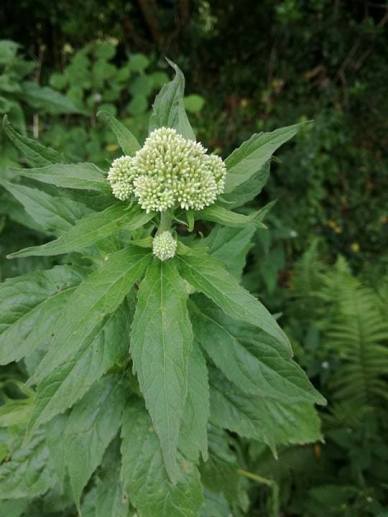
Hemp Agrimony

Hemp Agrimony

Botanical Name: Eupatorium cannabinum L.

The genus name Eupatorium can be traced back to the ancient Greek king Mithridates Eupator (120-63 BC), who apparently was the first to use species in this genus as a medicine. The species name cannabinum is only due to the resemblance the leaves have to hemp leaf (Cannabis sativa) because those two plant species, in fact, are not related.

Other Common Names: Common hemp agrimony, water agrimony, common Dutch agrimony, St. John’s herb, water maudlin, gravel root, sweet-smelling trefoil, holy rope.

Family Name Compositae

Habitat: The plant is found wild in most parts of Europe, but it is also found in West Asia and North Africa. It grows in moist woodlands, fens, marshes and along rivers and canals.

Description: Hemp agrimony is a perennial plant of the Asteraceae family. It can grow up to one and a half…

View original post 480 more words