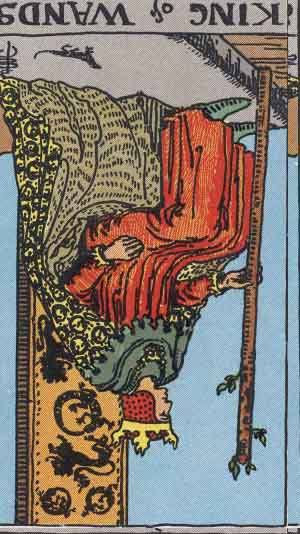
Tarot Contemplation – King of Wands (rev.)

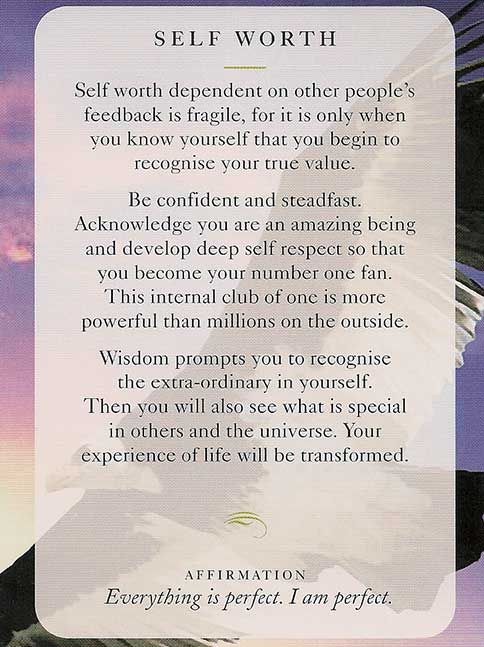
When the King of Wands appears reversed, it indicates that you r someone around you is having trouble with authenticity. It could be that you are having trouble knowing what you truly want, or who you want to be.  You could be doing things that don’t feel aligned with your authentic self. Someone else may seem like a phoney to you.  You may come across someone who is a real charmer, but does not follow up on his or her promises. You may be using authenticity as an excuse to do what you want.  You, or someone around you, may have an attitude that says, “I am who I am, and if you don’t like it, I don’t give a damn.” Though it is important to follow our inner light, doing so with lack of consideration may be ill advised.  This reversed King could also be a warning against risky behavior, such as gambling with your financial security or physical safety. Ask yourself if you could survive the worst-case outcome of the risk you’re taking. If not, a change of plans may be in order.

Daily Words of the Buddha for October 04, 2017

Pāli Word a Day for October 04, 2017 — sabbasaṅkhaarasamatha — the calming of all conditions

Cakkhumā,
visamānīva,
vijjamāne parakkame.
Paṇḍito jīvalokasmiṃ,
pāpāni parivajjaye.

A person with good eyes,
encountering a treacherous, uneven place,
would try hard to avoid it.
A wise person, in the world of life,
should avoid evil deeds.

Udāna 5.43
Translated from Pāli by Thanissaro Bhikkhu

Phenomenology of the Wisdom Quest, by Sensei Erwin Rinban | Bellésprit Magazine

Understanding the Various Kinds of Spiritual Seekers

The Wisdom Quest exists in infinity of themes, varieties, settings and environments. Souls are attempting to reach a more advanced state of consciousness through a combination of hard work, effort, talent, skill, serendipity and grace. Soul categories can be understood more comprehensively to fall into three major categories  […]

Source: Phenomenology of the Wisdom Quest | Bellésprit Magazine

La’au Lapa’au:  Plants in Mythology – Myth Encyclopedia – Greek, god, story, legend, names, ancient, tree, snake, norse, world, Chinese

In many cases, human life ends with death and burial in the ground. Plants are just the opposite. They emerge from the earth and draw nourishment from it. For this reason, many mythological traditions associate plants with birth or rebirth and with the eternal cycle of life springing forth from death.

The magical plant or herb of immortality sought by Gilgamesh, the hero of ancient Mesopotamian mythology, provides one example of how myths use plants as symbols of life and of the healing power of nature. However, because some plants yield poisons and some die in winter, plants can also represent death and decay.

Various trees, shrubs, herbs, grains, flowers, and fruit appear in myths and legends as general symbols of rebirth, decay, and immortality. Some plants have acquired much more specific meaning in folklore.  […]

Source: Plants in Mythology – Myth Encyclopedia – Greek, god, story, legend, names, ancient, tree, snake, norse, world, Chinese


Polynesian Mythology – Myth Encyclopedia – god, legend, war, world, creation, life, hero, people, children

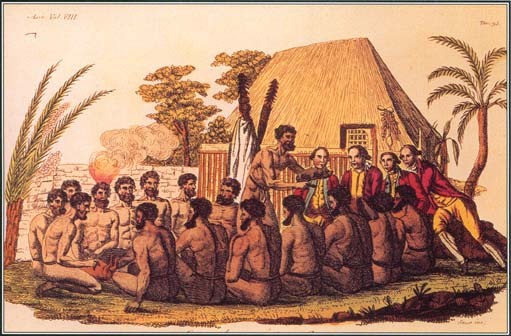
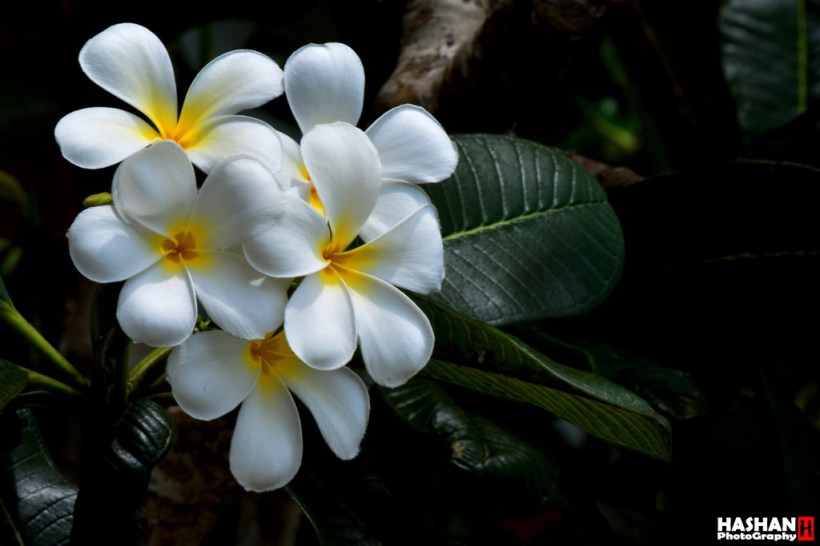
Polynesia is a vast region of the Pacific Ocean consisting of many hundreds of widely separated, culturally and politically diverse island groups. Ranging from Midway and Hawaii in the north to New Zealand in the south, the triangular area called Polynesia also includes Tahiti, Samoa, Tonga, Tuamotu, the Cook Islands, and the Pitcairn Islands. Although the mythology of Polynesia took different forms on various islands, many of the basic stories, themes, and deities were surprisingly similar throughout the region.  […]

Source: Polynesian Mythology – Myth Encyclopedia – god, legend, war, world, creation, life, hero, people, children

Nostradamus and Chinese Prophets Had Startlingly Similar Predictions | Ancient Origins

By Tracy Xu

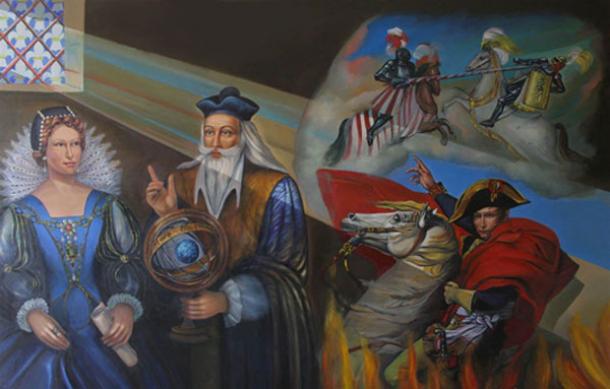
The prophecies Nostradamus made in the 16th century have drawn much attention and interest in the Western world. Many in the West may be unfamiliar, however, with the famed Chinese book of prophecy, “Tui Bei Tu”. Some of the predictions in “Tui Bei Tu” match almost perfectly with those of Nostradamus, particularly one that specifies the year 1999.  […]

Source: Nostradamus and Chinese Prophets Had Startlingly Similar Predictions | Ancient Origins

Scientists Remove Genes from Human Embryo for First Time

While it’s easy to think that humans are knee-deep in the wilds of genetic engineering, but we’re actually only in its nascent stages with new milestones coming all the time.

That said, a team of researchers has announced that they’ve used CRISPR on human embryos for the first time.  […]

Source:  Read more here.

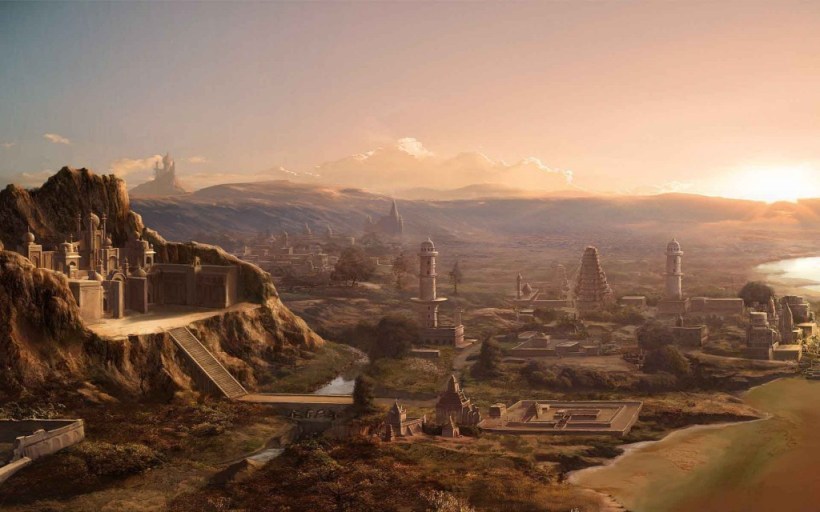
New study: Indus Valley Civilization predates Ancient Egyptian civilization

A new study indicates that the Ancient Indus Valley Civilization is around 8,000 years old and predates Ancient Egyptian and Mesopotamian by thousands of years. Based on a new study, researchers have come to the conclusion that the ancient Indus Valley civilization –best known for their well-planed cities—is around 8000 years old predating Ancient Egypt and Mesopotamian civilizations The Indus Valley Civilization has already been considered by researchers as one of the oldest civilizations on the planet, but it turns out they date further back then scientists previously believed. While many people around the globe consider the Ancient Egyptian and Sumerian civilization as one of the most complex civilization to have developed in the distant past, the truth is that the Indus Valley Civilization might predate them by some 2,500 years. But not only does the new study reveal fascinating details about this ancient civilization, but it also sheds light on why the flourishing ancient

Source: New study: Indus Valley Civilization predates Ancient Egyptian civilization

Daily Words of the Buddha for October 02, 2017

Pāli Word a Day for October 02, 2017 — ṭhiti — stability, steadfastness; duration, continuance

Sa vedagū,
Vūsitabrahmacariyo,
Lokantagū,
Pāragatoti vuccatī.

One who is a master of knowledge,
Who has lived the holy life,
Is called one gone to the world’s end,
One who has reached the further shore.

Itivuttaka 4.109
The Udāna and the Itivuttaka, trans. John D. Ireland

Ghost Beliefs in Polynesia: When Spirits Return and Possess | Ancient Origins

A belief in ghosts is held by many cultures (both modern and ancient) around the world. Some of these ghost beliefs are well-known, whilst others, such as those held by the Polynesians, are less so. In terms of geography, Polynesia covers a large area in the central and southern parts of the Pacific Ocean.  […]

Source: Ghost Beliefs in Polynesia: When Spirits Return and Possess | Ancient Origins