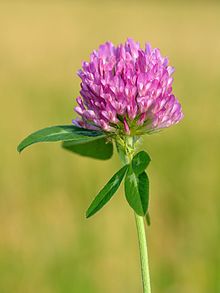
Habitat: Red clover grows commonly in the wild throughout Europe, Asia, and Africa and has been naturalised to North America. It is used as a grazing food for cattle and as a green manure as is a nitrogen–rich crop.
Description: Red clover is a perennial plant and a member of the Leguminosae or Fabaceae family also know as as…
This thanks giving roast is from my new #VeganChristmas book. I call it my ‘No-Turkey’ and its literally the best vegan roast I have ever made. So festive & meaty. Perfect to get non vegans interested in vegan food. Christmas & thanks giving is a time for peace so I think there should be less animals on dinner tables so this is why I made my #VeganChristmas book. The vegan roast is made with Wheat gluten also known as seitan – and I show you exactly how to make seitan. I love making it & this is one of my favourite seitan recipes I’ve made even complete with my vegan seitan bacon which I made in an earlier recipe video. Hope you have a great vegan thanks giving & vegan Christmas. Oh ps.. The recipe gets even better as you can even make a vegan gravy with the broth that you cook the roast in!
Vegan party food this week … dough balls with vegan cheese sauce. Flavoured with rosemary and smoked paprika, they are actually incredible. The perfect vegan Christmas party food & it’s a simple recipe. The cheese dip is almost like a vegan fondue! All your friends & family will love them.
I am so proud to Welsh & cooking some #veganised classic dishes from my country was really fun. In the video I make, glamorgan sausages, which I can describe as to something similar to a croquette packed full of lovely sautéed #Welsh leek. I also make Welsh rarebits, which were so tasty, basically fancy cheese on toast & of course as a sweet, I had to make #WelshCakes, this little pan cooked cakes are beautiful. Please try these recipes and let me know what you think.
3 incredible Christmas dishes with a Ramsay twist: chilli and turmeric roast potatoes, mulled wine with dry roast spiced nuts and an absolutely incredible pumpkin soup with wild mushrooms. Pure indulgence.
This is the first episode in Season Three, Chorizo Style Hot Dogs! Made using Seitan, a really amazing recipe for sausages that can be grilled, baked & even BBQ’d! I hope you enjoy.
Since making this video, I sadly have found that The Beer I used in this video is no longer vegan, so please make sure you choose a 100% vegan brand. Apologies for this. Gaz
Many of you requested it, it took some practice but I manage to come up with the perfect recipe, that is meaty, sticky & of course smokey! These seitan ribs are the perfect party food & serve 8-10. Yes theres lots of ingredients but thats how you produce the most amazing flavour. Make sure you knead the dough firmly for 10 minutes. Otherwise the seitan will be spongey. I also served it with fluffy mashed potatoes & tender stem broccoli. I hope you enjoy.
It’s easy to make and is a big hit at festive gatherings.
With the holidays come more gatherings and, for some, more sickness and anxiety. A great way to enhance your immune system and your mood is to incorporate this unexpected ingredient into your diet. Lemongrass improves blood circulation, boosts the immune system and metabolism, and helps calm the nervous system. […]
Ventilator-associated pneumonia (VAP) is a common bacterial infection among patients in intensive care units (ICUs). For patients placed on a ventilator, the risk for nosocomial pneumonia and mortality is higher than for other patients. The use of anti-bacterial mouthwashes is recommended to prevent the occurrence of VAP. Among the available mouthwashes, chlorhexidine is highly effective in reducing dental plaque and pathogenic microorganisms; however, studies investigating the efficacy of chlorhexidine for the prevention of VAP have yielded conflicting results. Extracts of echinacea (Echinaceaspp., Asteraceae) aerial parts have immuno-stimulant, anti-inflammatory, and mild antimicrobial properties. This double-blind, randomized, controlled clinical trial compared the effects of echinacea and chlorhexidine mouthwashes on the oral microbial load in ICU patients who underwent tracheal intubation.
The study included 70 patients admitted to the ICUs in three hospitals in Arak, Iran, between April 2014 and October 2014 who underwent intubation. The patients were randomly assigned…
The benefits of lemon water are countless, as this healthy refreshing drink improves health in numerous ways. Lemons are incredibly healthy fruits, being a rich source of dietary fiber, Vitamin B6, Iron, Potassium, and high amounts of vitamin C. According to Dr.Axe, a cup of lemon juice contains approximately: 61 calories 21 grams carbohydrates 0.9 gram […]
When schools in California’s Sausalito Marin City District return to session this August, they will be the first in the nation to serve their students 100 percent organic meals, sustainably sourced and free of genetically modified organisms (GMOs). More than 500 students at Bayside MLK Jr. Academy in Marin City and Willow Creek Academy in […]
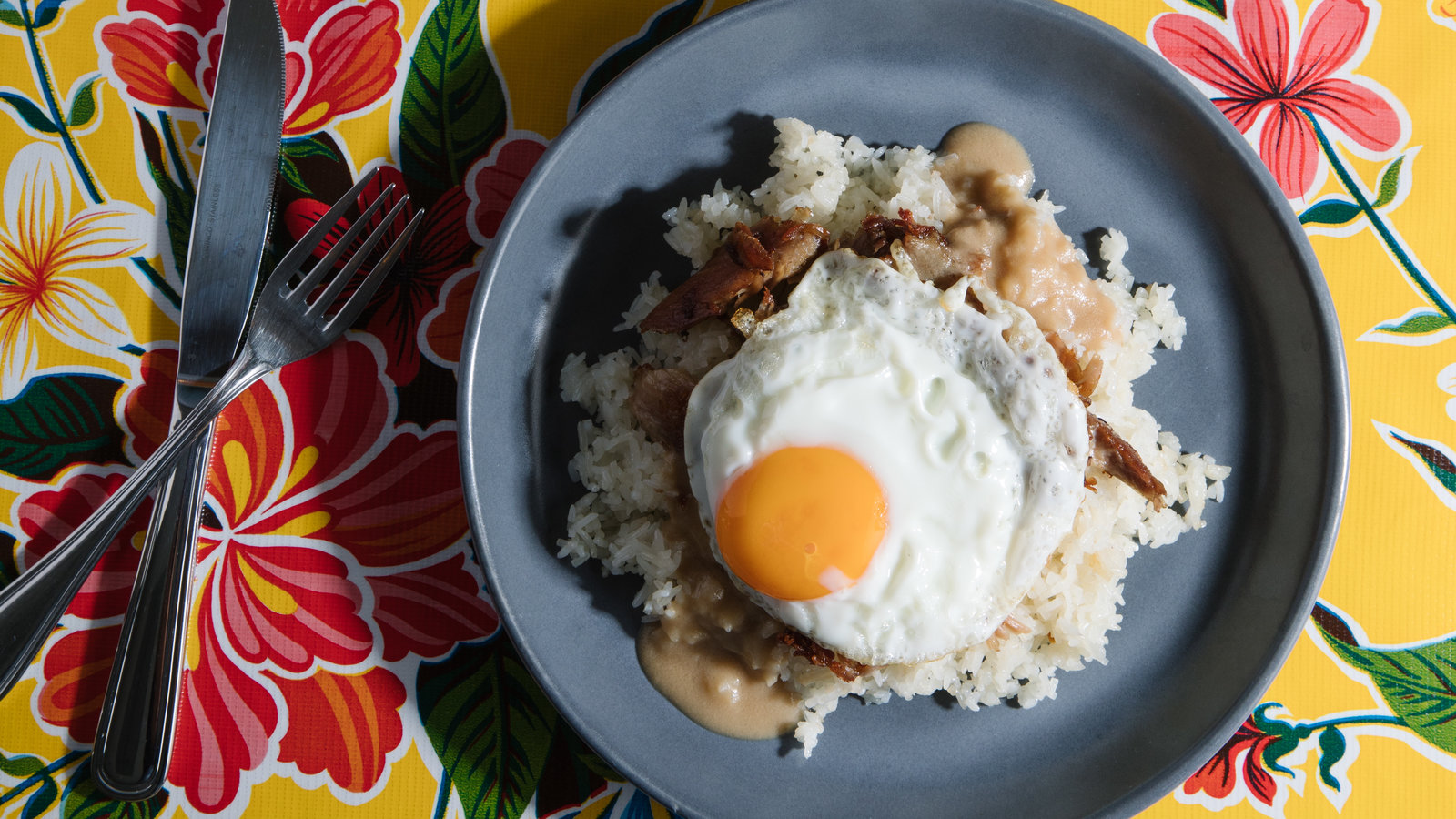
LOS ANGELES — When Chad and Chase Valencia were growing up in Southern California, their mother, Priscilla Valencia, made sure they stayed in touch with their Filipino heritage. […]
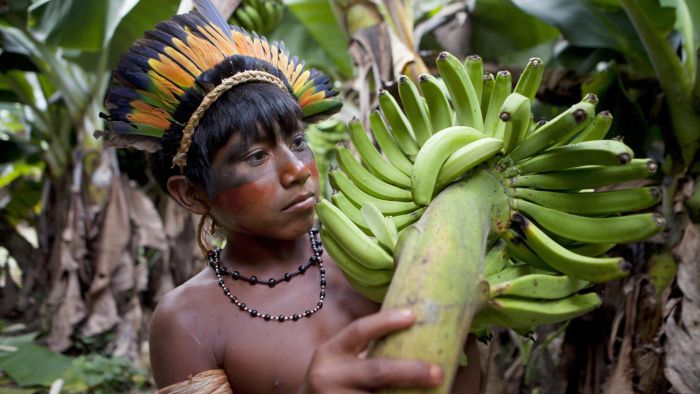
Most of the edible plants in the rainforest were planted by humans over 4500 years ago, new study finds. Modern farmers should look to these ancient forest gardeners for the key to sustainable food production. Ancient humans were practicing a form of agriculture known as horticulture or permaculture in the […]
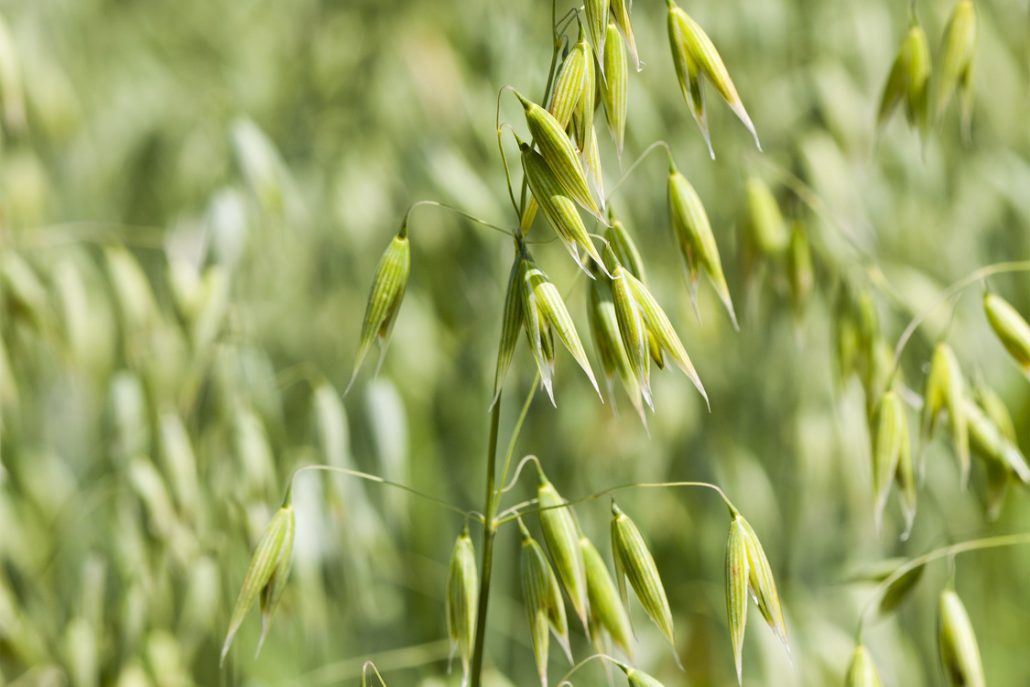
Other Common Names: Common oat, groats, herb oats, oatgrass, oats, wild oats.
Habitat: Oat straw grows in moderate temperatures such as Northern Europe. It grows well in dry wastelands, cultivated ground, and meadows alike. It is a hardy zone 2-type plant that can be grown in heavier soils although it normally prefers sandy or loamy soils. It requires good drainage but can grow in a high acid soil. It does require sun, and cannot grow in the shade. Oat straw tolerates drought well. Although it is widely distributed as a cereal crop it is just as often found in garden beds or planted to prevent soil erosion. The fruit, seeds, and straw are typically gathered in August.
Plant Description: The oat straw plant is an annual grass. It stands erect with a flat, rough, but elongated leaf…
Gordon Ramsay shows how to fillet a salmon into 10 equal pieces, remove all the meat from a lobster, fillet a pork steak from a loin plus some basic and important knife skills to use on peppers and herbs. All taken from Culinary Genius.
Revisit some archive Ramsay classics from the channel, and be inspired to cook this winter. Recipes include a roasted tomato soup with cheese on toast, beef brisket, apple and cranberry crumble, shepherds pie and a spiced rice pudding.
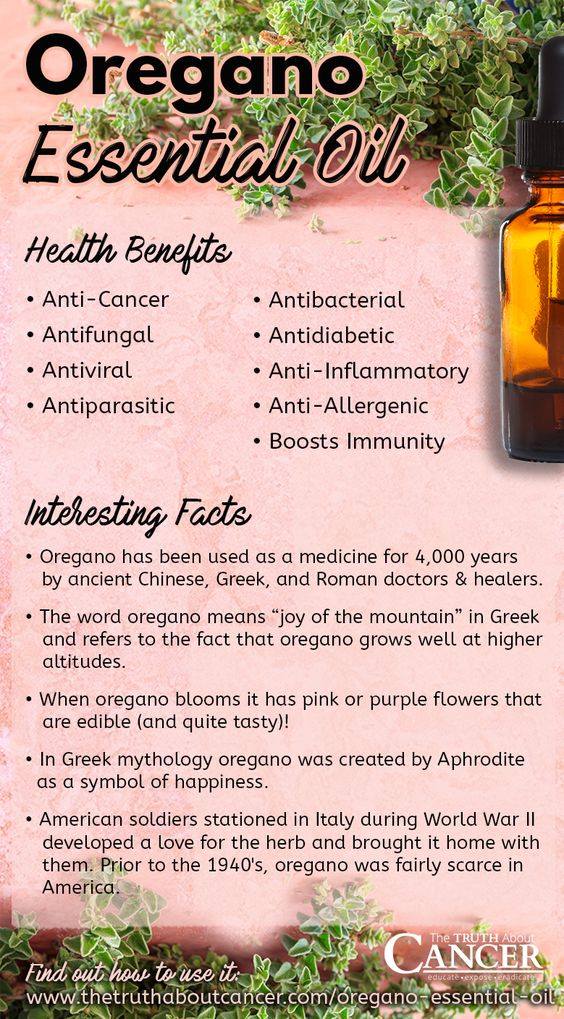
It’s that time of year, so do yourselves a favor and pick up a 15ml bottle of food-grade Oil of Oregano (origanum vulgare, so read the labels) … a couple drops in warm water consumed first thing every morning will give your body the anti-bacterial, anti-viral and anti-fungal healing edge capabilities you’ll need to side step colds and flu this winter (and any season, really). It’s a little spicy and reminds you of drinking a pizza, but this small act of kindness will save you big time. Get smart and do this for your body’s health!
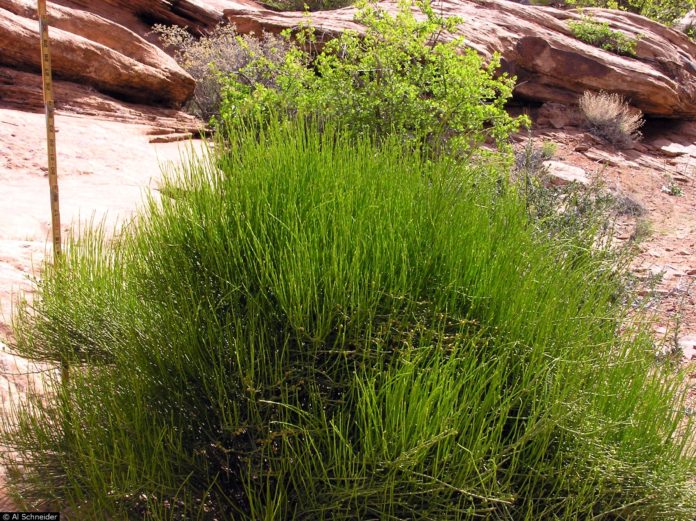
Ephedra (Ephedra sinica, E. equisetina, and E. intermedia; Ephedraceae) herb (primarily stem tissue) is used in Japanese Traditional Medicine (Kampo) formulations. Ephedra herb is defined in the Japanese Pharmacopoeia as stem material containing ˃0.7% ephedrine alkaloids (ephedrine and pseudoephedrine). Ephedrine alkaloids (EAs) are thought to be responsible for the analgesic, anti-inflammatory, antipyretic, antitussive, and diaphoretic effects of ephedra. EAs stimulate adrenaline receptors and may induce adverse effects such as hypertension, heart palpitations, insomnia, and dysuria (painful urination). Due to deaths attributed to excessive intake or misappropriate use of ephedra, the US Food and Drug Administration (FDA) has prohibited the sale of supplements containing EAs. These authors have reported that ephedrine alkaloid-free ephedra extract (EFE) has analgesic, anti-influenza, and c-Met receptor inhibitory effects (the latter suppresses the metastasis of cancer cells). These findings suggest that the pharmacological effects of ephedra are not solely due to EAs, and…
Anise or aniseed (Pimpinella anisum, Apiaceae) is an herbaceous annual that grows to almost a meter (3.3 feet) in height.1,2 The lower leaves of the plant are dark green, heart-shaped, and shallowly lobed, while the upper leaves are feathery. In the summer, the plant produces small, white flowers in an umbrella-shaped head, and, in the fall, these flowers produce aromatic fruits that are three to four millimeters in length. These fruits, called “anise seeds” in the market and referred to in the rest of this article as “seeds,” are the medicinal and culinary portion of the plant.
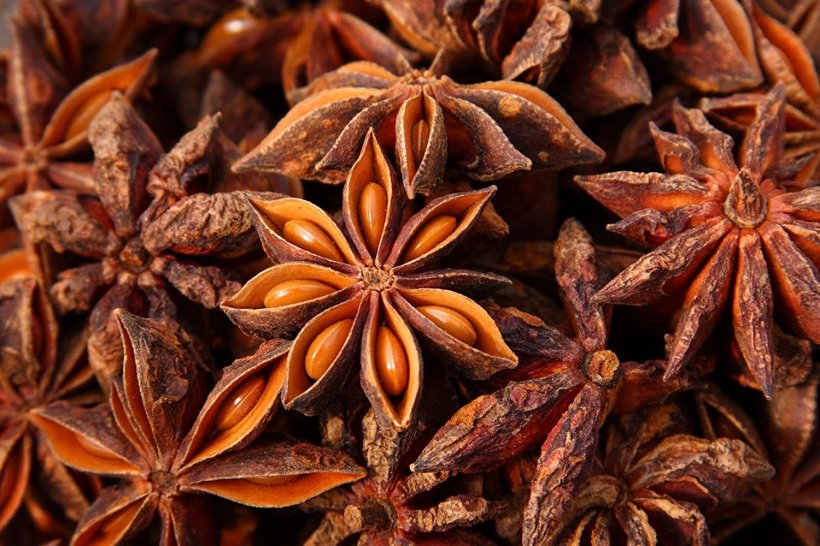
The cultivation of anise, which is native to the Anatolian peninsula, Greece, and Egypt, has spread to other countries. The plant grows well in warm, frost-free climates.3,4 Anise should not be confused with fennel(Foeniculum vulgare, Apiaceae), licorice (Glycyrrhiza glabra, Fabaceae), or star anise (Illicium verum, Schisandraceae), which have…
In this video clip Dr. Robert Morse and Dr. Marcie Troyer explain the true cause of sickness and disease, as well as how to regain and maintain health. This video clip was created using the following video: ‘Eyeopening Interview with Dr. Robert Morse & Marcie – The True Cause of Sickness & Disease’ …
Dr. Robert Morse is the creator and founder of God’s Herbs, Dr. Morse’s Herbal Health Club, and the International School of Detoxification. He is degreed in Naturopathy, Naturopathic Medicine, Biochemisty, Iridology, Herbology, Nutrition and Fitness. He has lectured and taught in the Natural Health Sciences throughout the world for the past 30 years and has appeared on numerous television news programs and international documentaries where he has presented findings, case studies, and educated on detoxification and cellular regeneration.
Dr. Morse holds a Doctorate of Science in Biochemistry from the Brantridge Forest School in Sussex, England and a Doctorate of Naturopathic Medicine from the Southern College of Naturopathic Medicine. He is a Master Herbalist with degrees from many institutes, a member of the American Naturopathic Medical Association, as well as being a Board Certified Naturopath by the Board of Examiners of the American Naturopathic Medical Certification and Accreditation Board. Dr. Morse is also an Honorary Member of Associacao Profissional dos Especialistas da Medicina Tradicional (Portugal). He was given an Honorary Degree from the Medical Association of Portugal for his professional work in Tissue Regeneration.
Dr. Marcie is a Certified Naturopathic Doctor and Natural Health Professional as well as a Regenerative Detoxification Specialist, currently offering counseling appointments at Dr. Morse’s Herbal Health club after relocating from Indiana.
She owned and operated Healthy Perspective from 2004 through 2012 where she became certified in Reflexology (2004), Neurolymphatic Massage (2007), Rife Technology (2005), Kinesiology (2007) and training in Theophostic Counseling. She has experience in Nutritional Counseling in addition to teaching classes and working with abuse with women and children. Marcie has studied at the American School of Massage, as well as Trinity School of Natural Health in Warsaw, IN. She has been a Detoxification Specialist since 2010, and joined Dr. Morse’s team as a counselor at the Herbal Health Club in 2012.
You can also add 1 tsp sesame oil (1/2 tsp if using strong, pure sesame oil) for an interesting taste (normally with sugar). I do this sometimes when I get bored with regular tamagoyaki.
ONIGIRI
1/2 cup Japanese rice
1 cup Water Furikake (any kind)
Do not rinse the rice too much as you’ll want to retain much of the starch for onigiri. Make sure to soak the Japanese rice for ~15 min before cooking. Put your flame on high; once the water starts rapidly boiling, set the flame to low/simmer. Once cooked, put it on high for 10sec, and then kill the flame. Let sit (lid on) for 10 min before opening. Or just use a rice cooker.
You can add 1 tbsp sesame oil (1/2 tbsp if strong sesame oil) to the rice for a change – similar to how some Koreans do their crispy rice balls (jumeokbap?). If you can find small umeboshi (pickled plum), you can stick one inside the onigiri. Japanese umeboshi is best, but are normally pretty large. Chinese pickled plums on the other hand are normally smaller (but more sour, and I’ve never seen one that’s pitted).
TOOLS
The ONIGIRI MOULDS | I use are from Daiso and come in 2 sizes per pack. For bigger onigiri, you can use any other container e.g. a Japanese sandwich mould. Get one online here (https://amzn.to/2RxVQOX)
The TAMAGOYAKI PAN is a simple one I got off Ebay for around A$50 (Japanese brand, made in China, but sturdy). A bit expensive for a small pan, but this one is surprisingly quite thick and from experience distributes heat really well. It is optional and you can use a regular round pan, but obviously a rectangular tamagoyaki pan makes things a whole lot easier. Get a similar one (https://amzn.to/2RAjBpO)
My mother passed down her macaroni and cheese recipe to me about 20 years ago. I have made my own tweaks since then to create what is now known as my Ultimate Five-Cheese Macaroni and Cheese. Made with a blend of sharp cheddar, Monterey Jack, mozzarella, Pecorino Romano, and parmesan cheeses, this dish has become a favorite of every single person who has tasted it. Yes, this recipe is a little labor intensive, but it is well worth it!
I normally cook this dish in glass. For this video, it was cooked in my Lodge 3-quart enameled cast iron Dutch oven. I have also had success with cooking this dish in a regular, ‘well-seasoned’ cast iron skillet. If cooked in glass, increase your temperature to 400 degrees. Also, the deeper your dish, the longer it will take to cook. If your dish is shallow, it will take less time. So, you may want to do a test run to be sure of the appropriate times for your cookware.
New research shows that old human cells can be rejuvenated using chemicals similar to resveratrol (a substance found in red wine and dark chocolate). […]
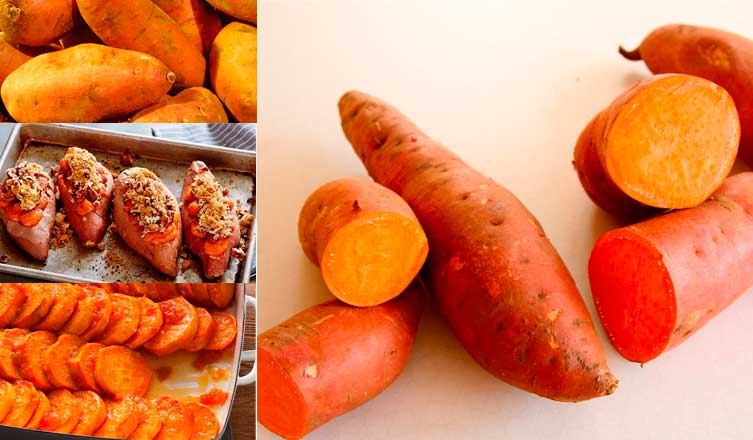
The sweet potato (Ipomoea batatas, Convolvulaceae) is a trailing, herbaceous perennial in the morning glory family.1,2 It is indigenous to Central and South America and grows best in subtropical climates, spreading along the ground and producing oblong, tuberous roots. There are more than 400 sweet potato varieties, and most have yellow-brown or copper-colored skins with bright orange or yellow-red flesh.3 Orange-fleshed sweet potatoes (OFSPs) are the most common varieties consumed, but white, cream, yellow, pink, and deep purple varieties also exist. The sweet potato plant has alternate, heart-shaped leaves and produces funnel-shaped white, pink, or rose-violet flowers that appear in clusters in the leaf axils as the plant matures.4
Taxonomic confusion can arise over the common name “yam” that often is given to sweet potatoes in the market. Botanically speaking, true yams belong to the genus Dioscorea (Dioscoreaceae) and are much less common in the United…
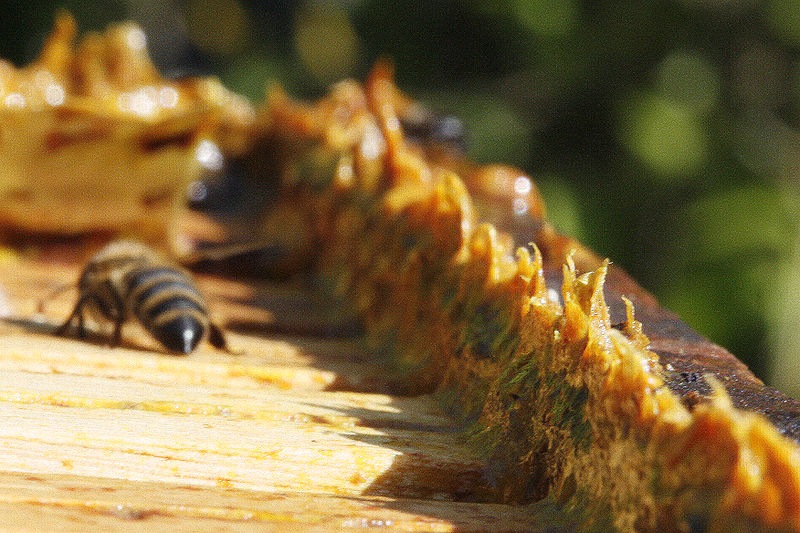
Propolis is made by bees from a combination of plant resins, wax, and saliva. It is used in the hive as a building material, disinfectant, and embalming agent. Propolis has many reported health benefits for humans, due to its antimicrobial, antioxidant, and anticancer properties. Multiple factors impact the composition of propolis, including location, the season of harvest, local flora, and species of bee. Mexico is a major honey producer, with production in Yucatán, Campeche, Jalisco, and Chiapas; each region producing propolis which contains a variety of active compounds. This study assessed the antioxidant properties of five samples of propolis from two states in Mexico.
Propolis samples were collected from five regions in Mexico; four from the state of Chiapas (1-4), and one from the state of Yucatán (5). Samples 1, 2, 3, and 5 were collected from Apis mellifera bee breeders, while sample 4 was collected from a wild colony…









 Hālau 'Aha Hui Lānākila