Category: Na Mana’o
Shared Practitioner Notes
Aloha Spirit | Aloha Is Our Intelligence – A Visit With Manu Aluli Meyer
Mo’olelo | Indigenous Wisdom in Bold Color: Meleanna Meyer and Maile Meyer on Indigenous Hawaiian Art – TEDxManoa
A tireless enthusiast for constructive and creative change in community, Meleanna loves to work to envision ways to make positive inroads wherever there is a need or call for positive change. A visual artist, activist, educator and filmmaker, Meleanna comes from a long line of dedicated folks who want to make a difference – on the ground, in places where indigenous voices and wisdom needs to be heard. She believes wholeheartedly that a return and honoring of indigenous wisdom traditions will ultimately save the planet.
New Old Wisdom, the calling forth and reintegration of wisdom traditions of our elders from all indigenous points on the planet are what is called for in these times. Focused intention, built in community through collaborative efforts is key to any real, substantive, sustainable change.
Maile is the third of seven children born to Emma Akana Aluli and Harry Meyer. Raised in Kailua on O’ahu, educated in Honolulu town and on the continent, Maile returned home in the 1980s and started a family, and several businesses. Native Books, Native Books & Beautiful Things, Na Mea Hawai’i, Mana Hawai’i and Mea Makamae were all started to honor and expand the presence of things Hawaiian in Hawai’i.
Most recently, Maile has been interested in supporting contemporary Hawaiian artists through her work with Maoli Art in Real Time POP-UP galleries at the Hawaii Convention Center and special creative collaborations including the Hawai’i Kakou Community Mural and the Sheraton Waikiki Helumoa Murals. The mural projects have been close collaborations with her sister Meleanna Meyer.
La’au Lapa’au | Hyssop

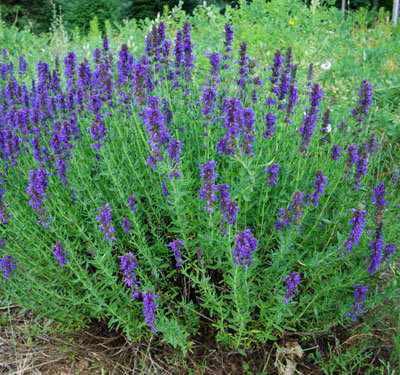
Hyssop
Botanical Name: Hyssopus officinalis.
Family Name: LAMIACEAE
Other Common Names: Curdukotu, hastipippili, hisopo, yanagi-hakka.
Habitat: Hyssop is native to the Mediterranean countries and temperate parts of Asia but is now widely cultivated all over the world and often used as a decorative plant.
Plant Description: Hyssop is a perennial plant from the family of Lamiaceae or the mint family. This family contains a wide variety of medicinal and kitchen herbs. Other well-known plants in this family are for example peppermint, basil, sage, lavender, thyme, and catnip. Like all members of the mint family, hyssop has a slender, square stem with opposite positioned leaves and can reach heights of up to two feet. Hyssop flowers from June through October with purple-blue coloured flowers that are very fragrant and attract nectar-drinking insects. Some cultivars have white or pink-coloured flowers.
Hyssop leaves and green…
View original post 1,120 more words
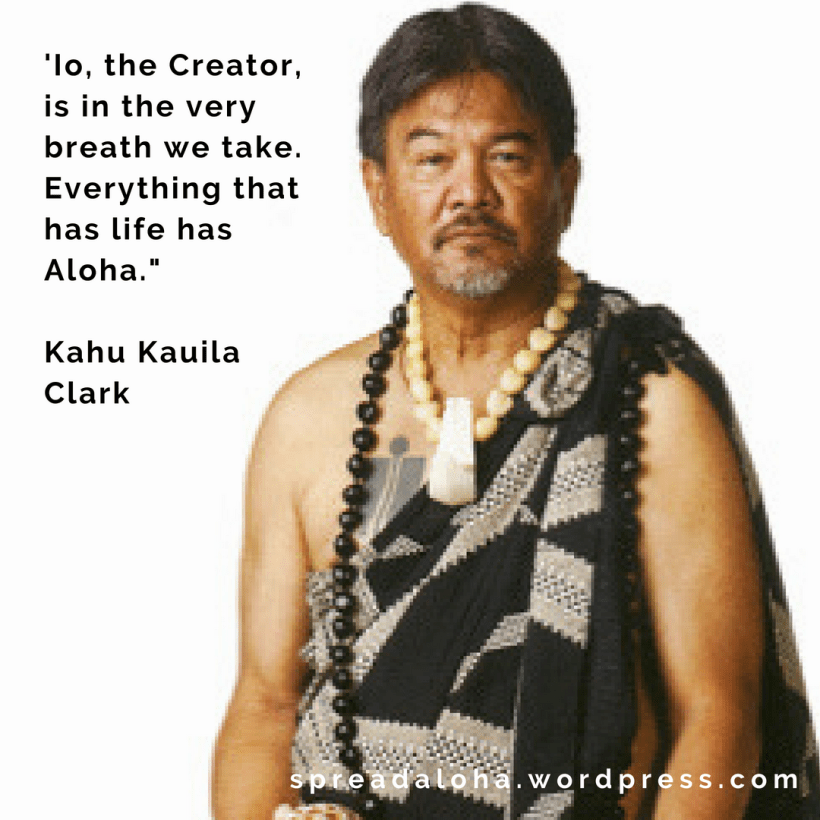
Aloha Spirit | One Breath, One Life – Kahu Kauila Clark
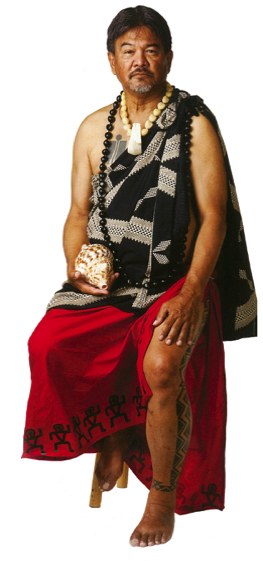
Kahuna means the keeper of the secrets … Kahu means to care for the knowledge and to share the ancient knowledge with the rest of the world. That is the responsibility of a Kahu.
We, as the children of all creation, are charged with that same responsibility – kuliana — of sharing the ancient knowledge with all of the beings of this world … Mālāma Honua … to take care of the Earth.
All of this cultural understanding was encoded in Aloha, and that Aloha concept meant that there was One Creator, and that creator was ‘Io (EE-oh), and that everything was alive including spaces, buildings, rocks, plants, animals, fish, the ocean, the land.
Aloha is the cornerstone of the Hawaiian culture. The behavior of Aloha is demonstrated through the Honi. The Honi is done by the touching of the noses and breathing in a deep breath down to your spiritual center, which is right below your navel. Every breath you take, you take God within you. The whole idea of the Ha is that it is your connection to all of the universe, and your connection to Creator. It is also your connection to others. So, when you share your spirit, that is the greatest gift you have.
This is one of the medicines we use in ceremony and in healing … the Lau Ki, or Ti leaf. The significance of this is that the Ti leaf represents ‘Io. ‘Io is the Hawaiian hawk that connects us to ‘Io, the Creator. This is where we use the Ti leaf, very much like the Native Americans use the eagle feather. As we pray, we use the Ti leaf to take our prayers to the Creator, on the wings of ‘Io, the Hawaiian hawk.
Looking at quantum physics, nothing is created or destroyed … so we have spirits all around us at all times. The knowledge and education of the ancestors continues to live and it thrives. The University is the Universe. The energy runs through all the generations, so that it’s not past, present and future. It is Now in our na’au. And what emphasizes the Now is your breath. The only thing that is happening right now is your breath.
How do we define health? The Hawaiian definition of health is happiness. Hau’oli means happiness based in good health.
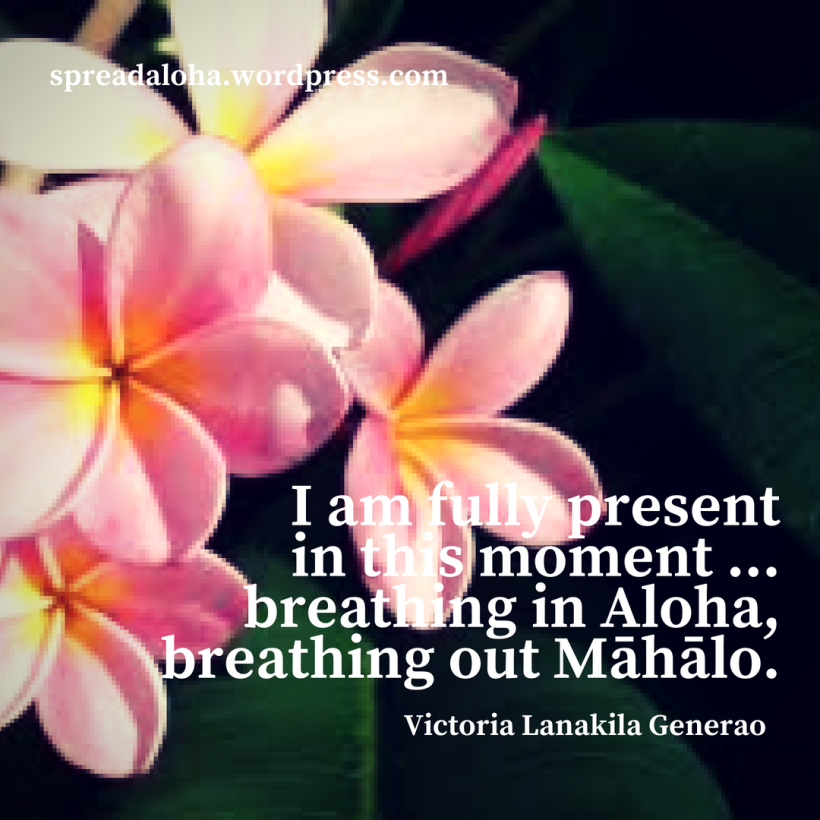
Māhālo is thank you, but it’s not just thank you. It’s thank YOU for making me a part of your Spirit. It starts with spirituality and ends with spirituality. And when you say mahalo you emphasize the HA … so it is māhālo.
— Kahu Kauila Clark
Mo’olelo | Pre-Pa’ao Hawai’i Spirituality, Beliefs and Practice – with Kauila Clark
Host Hong Jiang speaks with Certified Traditional Hawaiian Practitioner Kauila Clark about Pre Paao Hawaiian beliefs, spirituality and practice.
History | Can You Pass This Hard Hawaiian History Test?
Mo’olelo | King David Kalākaua: The Original Most Interesting Man In The World

King David Kalākaua was the last king of Hawaii. But he was much more than that — he was a traveler, a dreamer, a tech nerd. Or maybe he was fond of drinking, reveling and gambling. It depends on who you ask. But one thing he was not: Boring. […]
Source: King David Kalākaua: The Original Most Interesting Man In The World
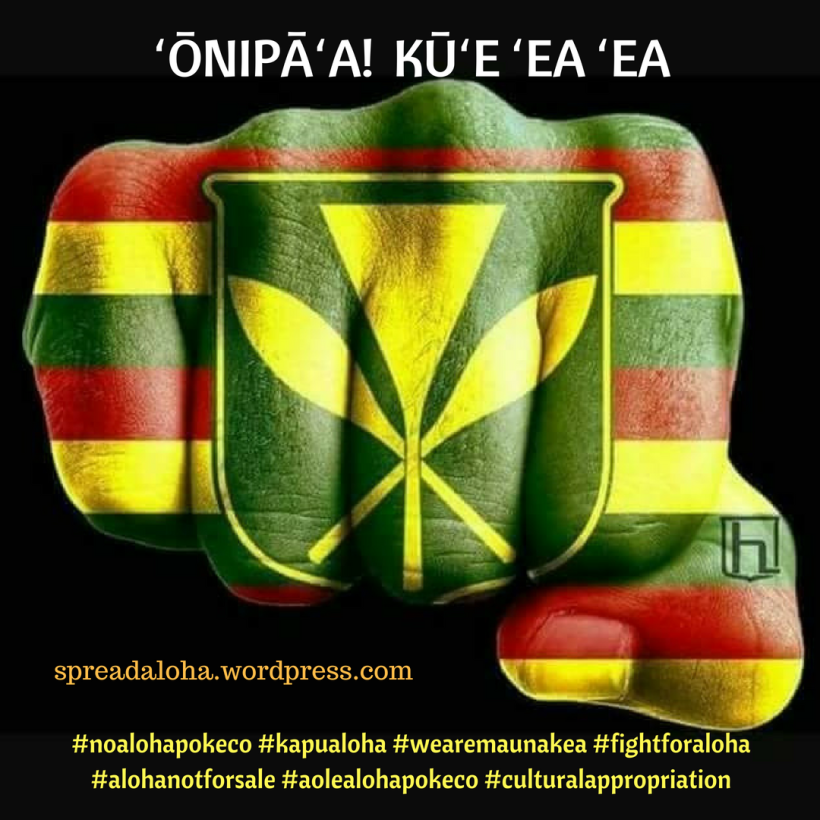
Aloha Spirit | Aloha is NOT for Sale!
Ho’oponopono | How to Heal After the Cruel Words of a Toxic Person

If you’ve ever been subject to the cruel and venomous words of a toxic person, here are some things that helped me recover and gain control of my thoughts […]
Hāʻawina ‘Elima i Nā ʻŌlelo Hawaiʻi | Hawaiian Language Lesson #5
Aloha ‘Aina | Molokai Island, Hawaii
Mo’olelo | Our Molokai – I Aloha Molokai
Aloha Is Akin To Ubuntu

Hāʻawina ‘Eha i Nā ʻŌlelo Hawaiʻi | Hawaiian Language Lesson #4
Aloha Spirit | Living The Sacred Teachings of Aloha
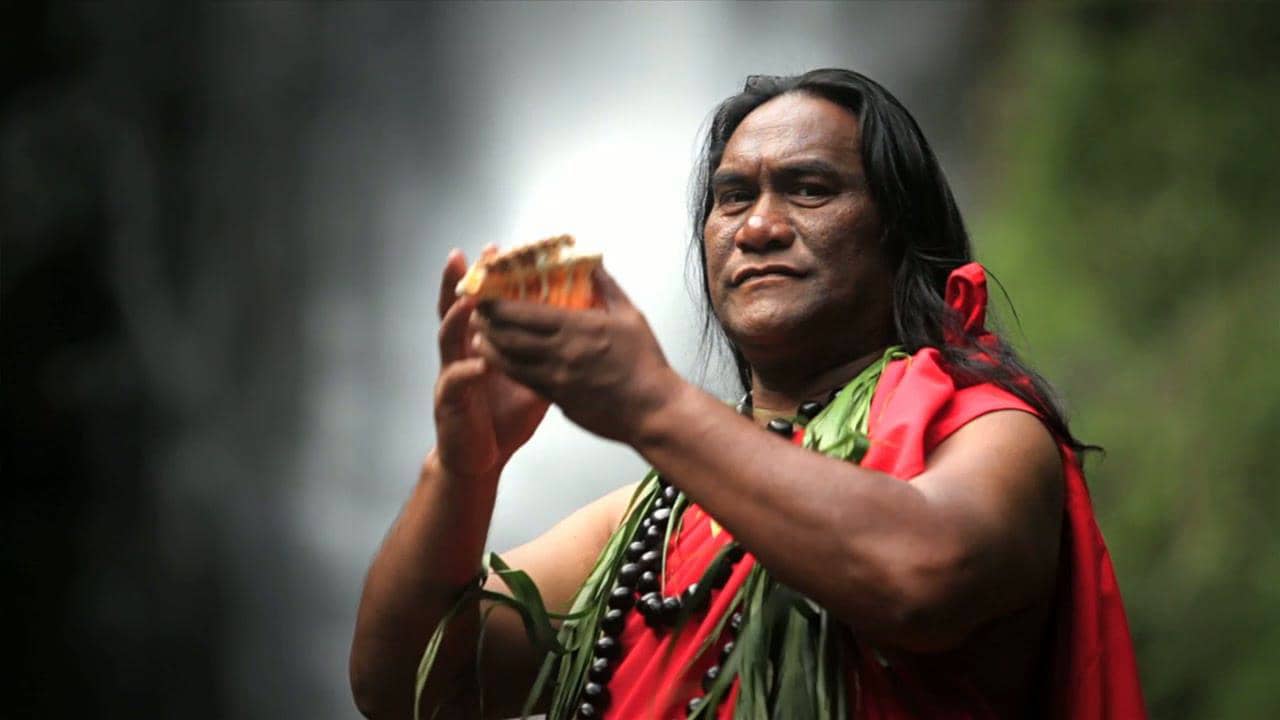
Hāʻawina ‘Ekolu i Nā ʻŌlelo Hawaiʻi | Hawaiian Language Lesson #3
Daily Meditation

Mo’olelo | Hawaii’s Rain Dancers Summon Storms
Mo’olelo | Molokai – Ho’i ‘i ka Pono | Return to Pono
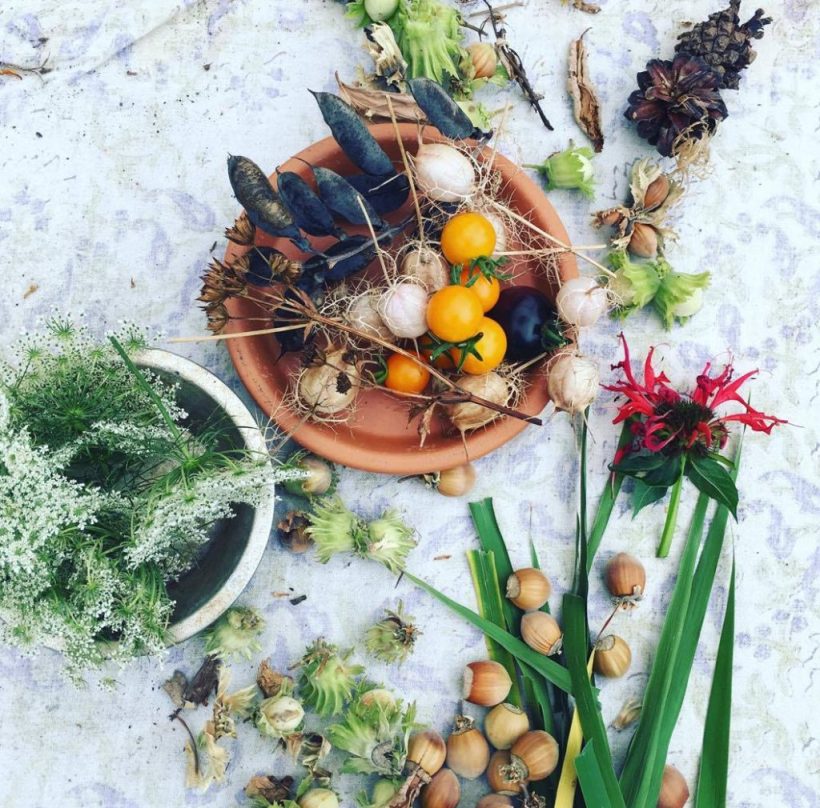
La’au Lapa’au | Native American Herbs of the Northeast

A look to the past reveals some of the most important plants used by Eastern woodland tribes – and an inestimable connection to nature.
My adventure into the historical uses of many Native American plants began when Maine native Kerry Hardy, author of Notes on a Lost Flute: A Field Guide to the Wabanaki, presented a program for Western Maine’s Greater Lovell Land Trust, billed as “Native American Plant Medicine” last summer. So many plants and so many uses! I was intrigued to find out more about these plants and explore the wealth of medicinal knowledge from Eastern Woodlands tribes like the Mohawk, Wyandot {Huron}, and Iroquois. From Hardy’s work, as well as from the research of author Charlotte Erichsen-Brown, I enjoyed a glimpse into how these tribes looked to nature for healing – and how early pioneers benefited from their knowledge.
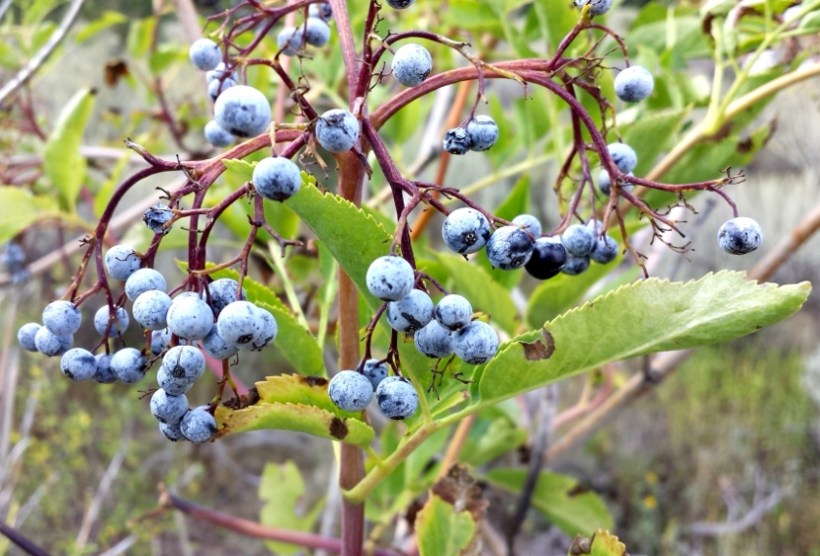
The Essential Elderberry
Hardy’s book focuses on…
View original post 2,088 more words
Nā ʻŌlelo Hawaiʻi | Vocabulary
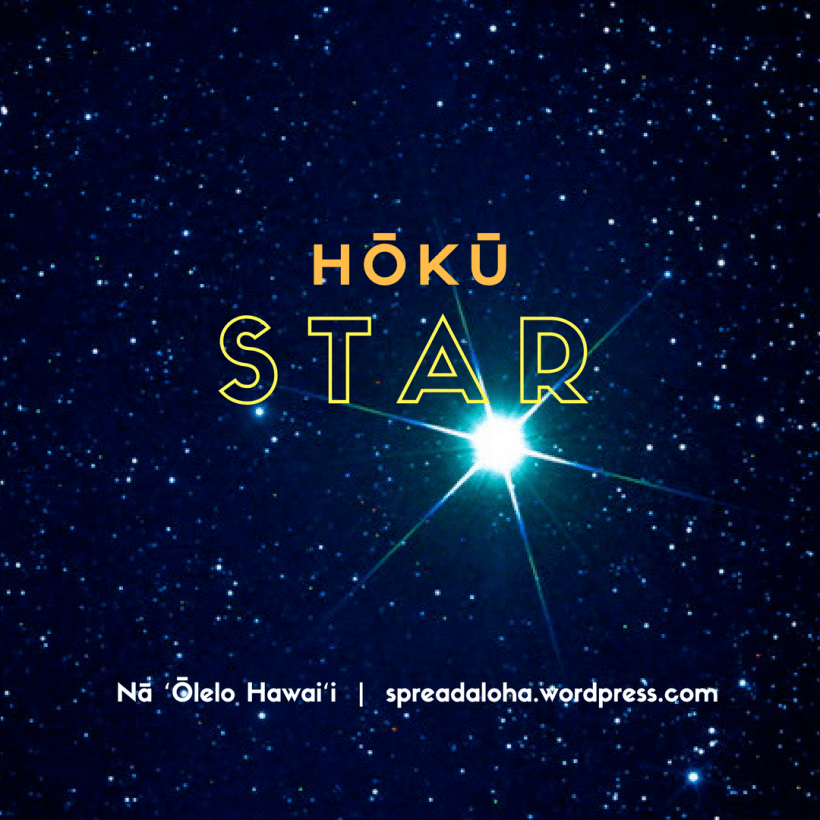
Hāʻawina ‘Elua i Nā ʻŌlelo Hawaiʻi | Hawaiian Language Lesson #2
Learn Hawaiian language (ʻŌlelo Hawaiʻi) for free with our online educational series.
Sacred Geometry | Spirit Science 21 ~ Toroidal Flow
Hawaiian Perspectives On Life – Hoʻoponopono, Lemuria, Quantum medicine and Sovereignty | Lilou Mace
Nā ʻŌlelo Hawaiʻi | Hawaiian Language
Breathing Meditation | Aloha-Māhālo
Entheogens | Amazonian psychedelic may ease severe depression, new study shows
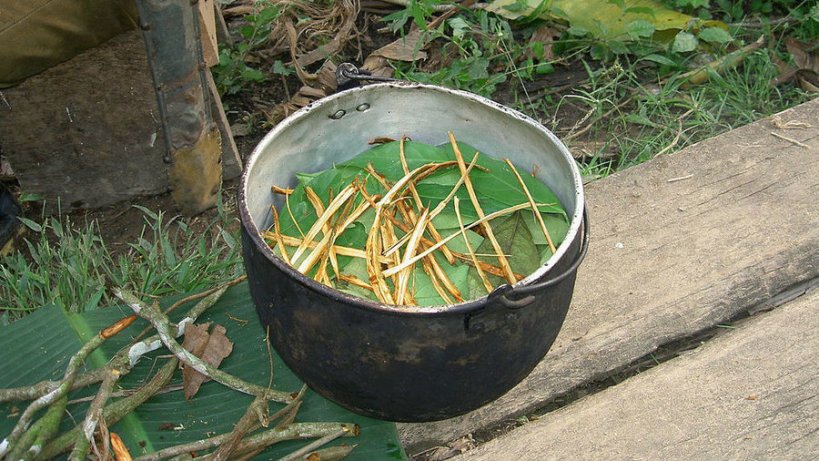
The medicinal properties of ayahuasca come from two plants: Banisteriopsis caapi, a psychedelic brew that Amazonian indigenous populations have long used for spiritual purposes, and Psychotria viridis. The first randomized, placebo-controlled clinical trial of the beverage show that it can ease severe depression.
Source: Amazonian psychedelic may ease severe depression, new study shows
PBS Hawaii – Insights: Native Hawaiian Sovereignty
Pono: Ancient Hawaiian Belief System
Nā Moʻōlelo | Hawaiian Gods and Goddesses
PBS Hawaii – HIKI NŌ Episode 424 | Focus on Hawaiian Culture | Full Program
Haiku Corner