Meditation Session | 1 Hour Kundalini Rising 432Hz – All Chakra Awakening Simultaneously

Wow! What a journey!!! So many things going on down deep in the layers of the music… mystical things. This version of the “Kundalini Rising” video is identical to my original version in every way except one; the music has been performed in the A432Hz tuning. I will let you be the judge. What do you think? Especially those of you who have experienced my original “Kundalini Rising” video. Does this version affect you more? Is there a noticeable difference? Can you feel it? Please comment on your views of the 432 effect.

Natural 432Hz Harmonics – Theoretically 432Hz vibrates more in tune with the natural energy of the universe, the universe in which we are a part of. The idea here is that the music is more harmonic when tuned to 432. Harmonic with what? Us, the world, the universe; nature. The principal is that if A is tuned to 432, and all of the other notes are in tune with the A, then the music is more vibrationally in tune with us, thus having a more powerful affect on us. It is said that 432Hz is healing to us down to a cellular level, even our DNA is positively affected by the vibrations.

Kundalini Rising – Stimulate and awaken the Serpent Goddess/Kundalini energy, causing it to rise through all of your Chakras simultaneously. From the Root Chakra, through the Sacral, Solar Plexus, Heart, Throat, Brow and Crown. Rising through your body/soul through each Chakra until it reaches your Crown Chakra and rises above you to connect with the universe that you are part of. When Kundalini Shakti is conceived as a goddess, when it rises to the head, it unites itself with the Supreme Being (Lord Shiva). Then the aspirant becomes engrossed in deep meditation and infinite bliss.

The visuals in this video are very powerful, magical illusions. What you see is what YOU project into it from your mind. You will see many things if you focus on the visuals in this video. You will still see them even if you have your eyes closed. Remember too, when seeing the visuals, it is all about your own perception.

Kundalini is now widely known outside of the Hindu religion and many cultures globally have created their own ways to awaken the kundalini energy within people. Without explanation, an increasingly large percentage of people are experiencing kundalini energy awakenings spontaneously which means, it is not vital to follow a distinct set of instructions or rules in order to awaken the energy.

Kundalini can also awaken spontaneously, for no obvious reason or triggered by intense personal experiences such as accidents, near death experiences, childbirth, emotional trauma, extreme mental stress, and so on. Some sources attribute spontaneous awakenings to the “grace of God”, or possibly to spiritual practice in past lives…

It is reported that Kundalini awakening results in enlightenment and bliss. This awakening involves the Kundalini physically moving up the central channel to reside within the Sahasrara Chakra above the head. This movement of Kundalini is felt by the presence of a cool or, in the case of imbalance, a warm breeze across the palms of the hands or the soles of the feet. Many systems of yoga focus on the awakening of Kundalini through meditation, pranayama breathing, the practice of asana and chanting of mantras. In physical terms, one commonly reported Kundalini experience is a feeling like electric current running along the spine.
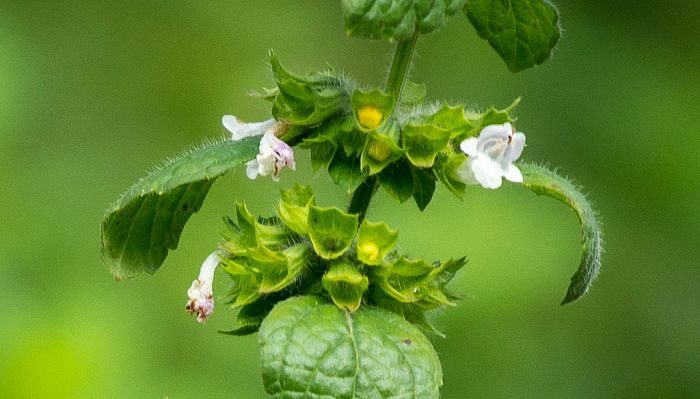
Biodiversity and Phytochemistry of Lemon Balm

Crooked Bear Creek Organic Herbs's avatarCrooked Bear Creek Organic Herbs

Lemon balm (Melissa officinalis, Lamiaceae) is a plant native to the eastern Mediterranean and western Asia that has been used traditionally as a spice, tea, and medicine. Modern pharmacological studies have reported lemon balm to possess antioxidant and antimicrobial properties. The purpose of this study was to investigate how essential oil composition, especially rosmarinic acid content and antioxidant activity, changes between lemon balm subspecies, plant parts, and harvests.
Central European climate conditions allow for permanent lemon balm fields with multiple yearly harvests. The 28 lemon balm accessions analyzed in this study comprised two subspecies, officinalis (MOFF) and altissima (MALT). They were planted in March 2008 at the Leibniz Institute of Plant Genetics and Crop Plant Research (IPK) in Gatersleben, Germany, and then harvested in June and August 2013. To procure samples, the plants were dried, separated into leaves and stems, and then hydrodistilled. Gas chromatography/mass spectrometry (GC/MS) and…

View original post 673 more words

Full Moon Animal Totem | Owl (retreat)

Our modern western life is always full of demands and noise.  It keeps our mind busy, but we can rarely find true answers and inspiration in this constant turmoil.  Sometimes it is beneficial, and even necessary, to remove ourselves from this frenetic world and get back to ourselves. 

The spirit of the Owl is inviting you now to retreat, to be alone and silent.  Many people are actually afraid of this.  They see solitude as loneliness, silence as dullness and inactivity as boredom.  But, take a bit of time in nature.  Put down your smartphone.  Switch off the TV … and you may actually enjoy this moment of respite.
Your mind, as well as your body, needs to have a rest.  You may be surprised by the insights you will receive if you pause for a moment and listen to your inner voice.
Message from the Owl:

“Take some time to retreat and enjoy being alone.”

Culture | Samhain Traditions

What should you do during your Samhain ritual? Here are a few ideas taken from the most popular Samhain and Halloween traditions.
  1. Hold a dumb supper. On Samhain’s evening, place pictures of the deceased on the dinner table. Light some candles. Eat your meal in silence to honour those who died in the past year. Open up your psychic sense to see if the dead have joined you. More info here.
  2. Make an offering to the dead. Before you eat, set aside a portion of the meal for the dead. It doesn’t have to be only the deceased of the year: it can be your family ancestors, or any other spirit. When you are done eating, place the dish on your altar next to the pictures representing them. Say a few words to honour them. When the ritual is over, leave the offering on your porch overnight.
  3. Make a shamanic journey. Samhain is the perfect time of the year to travel between the worlds, since the veil is thinner (I don’t know how many times I wrote that already!). On Samhain evening, cast a sacred circle of power like you usually do. Then, get into a state of transe (you can listen to a drumming track like this one). When you’re ready, imagine that you are going down through a rabbit hole. Then, let the images flow. Learn more about shamanic journeying here.
  4. Carve a pentagram into a pumpkin for protection. I found this amazing tutorial if you’re interested. When you’re done, charge your pumpkins with energy. Ask the God and Goddess of Samhain to activate your spell. Then, place your pumpkin on your porch to protect your home.
  5. Bob for apples. You remember the kid’s game we talked about? To turn it into a divination game, carve a rune into each apple. Ask a question out loud before your start. The apple that you pick will give you the answer.
Of course, those are only a few suggestions. Since Samhain has a very rich history, the possibilities are endless! You could even invent your own Samhain tradition. The important part is to make it work for you!

How to Connect with Nature – A Short Guide on Spirituality, Nature and Awareness

You want to be able to connect with nature. This article explains the concept and gives you an exercise to learn how to do so and develop awareness.  […]

Source: How to Connect with Nature – A Short Guide on Spirituality, Nature and Awareness 

Bridge divides, cultivate belonging and inspire harmony through the power of music.


A reverence for Interdependence is primary. If our lives interpenetrate not only with human creatures but with the wilder others as well, then how we enact our lives – how we participate, how we engage our relationships with the Earth community – may matter more than we can imagine. Could we human creatures teach ourselves a new story, a story of embodied awe and reverence for rain, for rivers and oceans?   Practice weaving together ecology with spirituality now. Teach yourself to regard water – even, and especially, tap water – as a gift, as an unfathomable elixir … as the holy essence of our lives.

The Promise Of A Shaman


If you come to me as a victim I will not support you.
But I will have the courage to walk with you through the pain that you are suffering.
I will put you in the fire, I will undress you, and I will sit you on the earth.
I will bathe you with herbs, I will purge you, and you will vomit the rage and the darkness inside you.
I’ll bang your body with good herbs, and I’ll put you to lay in the grass, face up to the sky.
Then I will blow your crown to clean the old memories that make you repeat the same behavior.
I will blow your forehead to scare away the thoughts that cloud your vision.
I will blow your throat to release the knot that won’t let you talk.
I will blow your heart to scare fear, so that it goes far away where it cannot find you.
I will blow your solar plexus to extinguish the fire of the hell you carry inside, and you will know peace.
I will blow with fire your belly to burn the attachments, and the love that was not.
I will blow away the lovers that left you, the children that never came.
I will blow your heart to make you warm, to rekindle your desire to feel, create and start again.
I will blow with force your vagina or your penis, to clean the sexual door to your soul.
I will blow away the garbage that you collected trying to love what did not wanted to be loved.
I will use the broom, and the sponge, and the rag, and safely clean all the bitterness inside you.
I will blow your hands to destroy the ties that prevent you from creating.
I will blow your feet to dust and erase the footprints memories, so you can never return to that bad place.
I will turn your body, so your face will kiss the earth.
I’ll blow your spine from the root to the neck to increase your strength and help you walk upright.
And I will let you rest.

After this you will cry, and after crying you will sleep,
And you will dream beautiful and meaningful dreams,
and when you wake up I’ll be waiting for you.
I will smile at you, and you will smile back
I will offer you food that you will eat with pleasure, tasting life, and I will thank you.
Because what I’m offering today, was offered to me before when darkness lived within me.
And after I was healed, I felt the darkness leaving, and I cried.

Then we will walk together, and I will show you my garden, and my plants, and I will take you to the fire again.
And will talk together in a single voice with the blessing of the earth.
And we will shout to the forest the desires of your heart.
And the fire will listen and whisper the echo, and we will create hope together.
And the mountains will listen and whisper the echo, and we will create hope together.
And the rivers will listen and whisper the echo, and we will create hope together.
And the wind will listen and whisper the echo, and we will create hope together.
And then we will bow before the fire, and we will call upon all the visible and invisible guardians.
And you will say thank you to all of them.
And you will say thank you to yourself.

Aura Colors

The following descriptions of aura colors are meant to give you general insight into the interpretation of your auric state. Please be aware that your aura colors can (and do) change over time, depending on your life stories, emotions and situations. Please also take into consideration that not all meanings of colors are relevant all at once. Just like all things in life – it’s not black and white. This brief guide is produced in collaboration with Twelve Month Aura, and is meant to be a starting point for self-discovery and aura awareness.

AURA AURA is an experiential portrait project of Detroit-based creative, Eileen Lee. The project serves as a vessel for exploring the #HUMANATMOSPHERE by utilizing analog technology and instant film that is no longer being produced. Aura photography by appointment in Detroit, Michigan. Available for special events, weddings, pop-ups and more in Michigan, Illinois, Ohio, Indiana, Pennsylvania, New York, and Worldwide.  […]

Source: Colors

Cultural Anthropology | Oral History Suggests Māori Proverbs on Bird Extinction Mirrored Fears of Indigenous Group’s Own Decline

The moa, a giant flightless bird, served as symbol of extinction and reflection of Māori fears over encroaching European presence  […]

Source: Oral History Suggests Māori Proverbs on Bird Extinction Mirrored Fears of Indigenous Group’s Own Decline

Spirit Animal Oracle: Grandmother Spider (Creativity)

Mother Spider is a very powerful spirit. Far from the ugly critter image we usually use to depict her, she is a master creator. The Spider is certainly one of the most talented architects in Nature, and symbolizes art and creativity.

Spider encourages you to express yourself in a creative form. It is also reminding you that you are the creator of your life. We all constantly weave complex mental, emotional and social patterns. How does your web look? Clean and structured, or rough and messy? Maybe it is time to use your creative power to bring harmony back into your life and to focus again on what is important. As the creator of your reality, you have the power to consciously weave the life of your dreams. Ask the Spider to guide you in this process.

As a side note, spiders are also wonderful loving parents. Some species don’t hesitate to offer their own body so that there babies can feed. This is certainly the ultimate sacrifice a mother could make for her children! So please, next time you see a spider in your house, don’t kill it. Thank it for it’s creative message and if you don’t want to have it as your guest, gently relocate it outside.

MESSAGE FROM THE SPIDER: “You are the architect of your life. Be creative!”

Spirit Animal Oracle | The Mole (Introspection)

Here is a beautiful Sioux legend which says a lot about the spirit of the Mole. In ancient times, The Creator gathered all of Creation and said, “I want to hide something from the humans until they are ready for it. It is the realization that, as a part of me, they create their own reality.” Many creatures suggested places to hide this knowledge, but none of them were really satisfactory, as humans would finally explore them. Finally, Grandmother Mole, who lives within the heart of Mother Earth and sees with her spiritual eyes — rather than her physical eyes — spoke up: “Why don’t we hide it inside the humans? That is the last place they will look for it.” The Creator laughed, and replied in an instant: “It is done.”

The Mole has a profound and rich connection with its inner self. Like the Mole, you may benefit now from solitude and introspection. Don’t look for solutions around you, as all your answers are only within yourself. Get back to yourself, and look inside Examine your emotions and understand your patterns. It may not be pretty, but explore even your darkest corners and deepest wounds. Be honest and don’t try to embellish things. Only when you really know yourself, will you be able to initiate deep changes.

MESSAGE FROM THE MOLE: “Look within yourself and find your own answers. You can only heal what you are aware of. Know thyself.”

A Glass Of Salt Water And Vinegar Will Detect Negative Energies In Your Home – The Minds Journal

We all have felt negative and positive vibes from people quite a few times in our life. Even if science is not yet ready to put a name to it, emotional energy is very real, and important like thermal energy or potential energy of matter.

A Glass Of Salt Water And Vinegar Will Detect Negative Energies In Your Home  … […]

Source: A Glass Of Salt Water And Vinegar Will Detect Negative Energies In Your Home – The Minds Journal

La’au Lapa’au | Hyssop

The Wonky Pot Apothecary's avatarThe Wonky Pot Apothecary

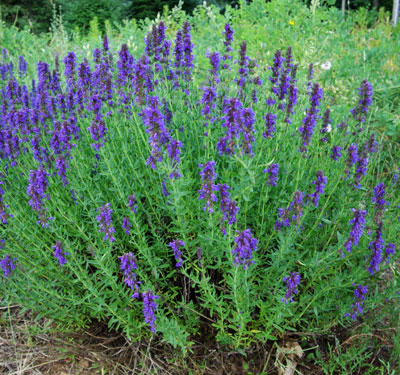
Hyssop_Hyssopus_officinalis

Hyssop

Botanical Name: Hyssopus officinalis.

Family Name: LAMIACEAE

Other Common Names: Curdukotu, hastipippili, hisopo, yanagi-hakka.

Habitat: Hyssop is native to the Mediterranean countries and temperate parts of Asia but is now widely cultivated all over the world and often used as a decorative plant.

Plant Description: Hyssop is a perennial plant from the family of Lamiaceae or the mint family. This family contains a wide variety of medicinal and kitchen herbs. Other well-known plants in this family are for example peppermint, basil, sage, lavender, thyme, and catnipLike all members of the mint family, hyssop has a slender, square stem with opposite positioned leaves and can reach heights of up to two feet. Hyssop flowers from June through October with purple-blue coloured flowers that are very fragrant and attract nectar-drinking insects. Some cultivars have white or pink-coloured flowers. 

Hyssop leaves and green…

View original post 1,120 more words

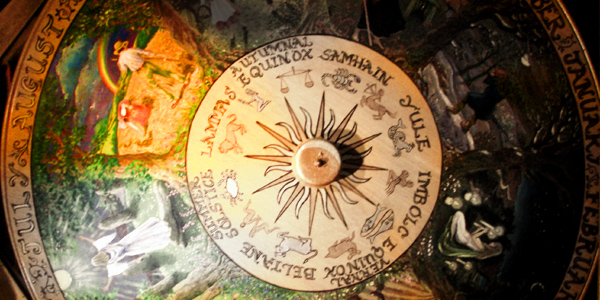
Lifestyles  |  Lammas: Where Did It Come From?

The excitement of the harvest season has permeated the fabric of history since the agriculturally based societies were first established. Having weathered the delicate beginning of the planting stage and found mercy from the myriad catastrophes that could befall the crops, Lammas heralded the onset of the time of tremendous work met with equal reward. Wheat is thought to have been the first grain to translate out into deliberate agricultural production and the festival of the wheat harvest was of great significance.  […]

Source: Lammas: Where Did It Come From?

La’au Lapa’au | Native American Herbs of the Northeast

Crooked Bear Creek Organic Herbs's avatarCrooked Bear Creek Organic Herbs

A look to the past reveals some of the most important plants used by Eastern woodland tribes – and an inestimable connection to nature.

My adventure into the historical uses of many Native American plants began when Maine native Kerry Hardy, author of Notes on a Lost Flute: A Field Guide to the Wabanaki, presented a program for Western Maine’s Greater Lovell Land Trust, billed as “Native American Plant Medicine” last summer. So many plants and so many uses! I was intrigued to find out more about these plants and explore the wealth of medicinal knowledge from Eastern Woodlands tribes like the Mohawk, Wyandot {Huron}, and Iroquois. From Hardy’s work, as well as from the research of author Charlotte Erichsen-Brown, I enjoyed a glimpse into how these tribes looked to nature for healing – and how early pioneers benefited from their knowledge.

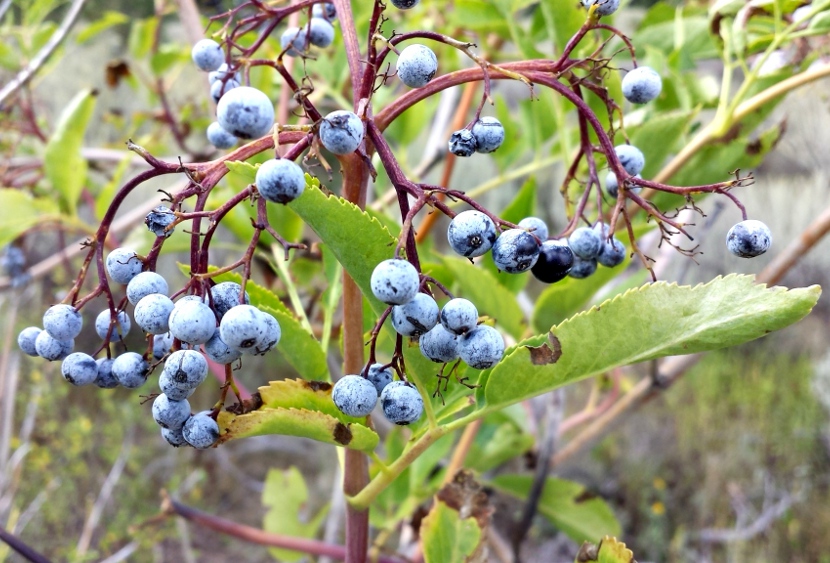
elderberries-af-canyon-3-2013-09-05

The Essential Elderberry

Hardy’s book focuses on…

View original post 2,088 more words

La’au Lapa’au | White Horehound

The Wonky Pot Apothecary's avatarThe Wonky Pot Apothecary

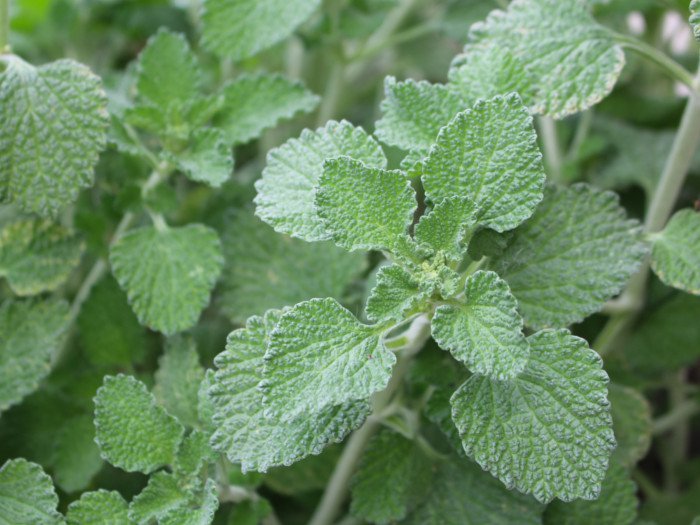
whitehorehound

White Horehound

Botanical Name:Marrubium vulgare.

Family Name: Lamiaceae

Other Common Names; Seed of horus, bull’s blood, eye of the star, adorn, houndsbane, haran haran, grand bonhomme, blanc rubi, mapiochin, Andorn (German), marrube vulgaire (French), marrubio (Spanish), kransborre (Swedish).

Habitat: White horehound is probably native to the Mediterranean countries but can be found growing wild in many places in central and southern Europe, northern Africa, and much of Asia. In Asia, it grows in the western temperate regions of the Himalayas, Kashmir, north-western India, southwestern Pakistan and southeastern Iran. It has been introduced and has become naturalised in many countries around the world with suitable climate. Horehound is easy to cultivate and can be propagated by seeds or cuttings. The plant thrives in a nutrient-poor soil in sunny and dry habitats. Like most plants in its family, it can flourish in wastelands and can be commonly found…

View original post 785 more words

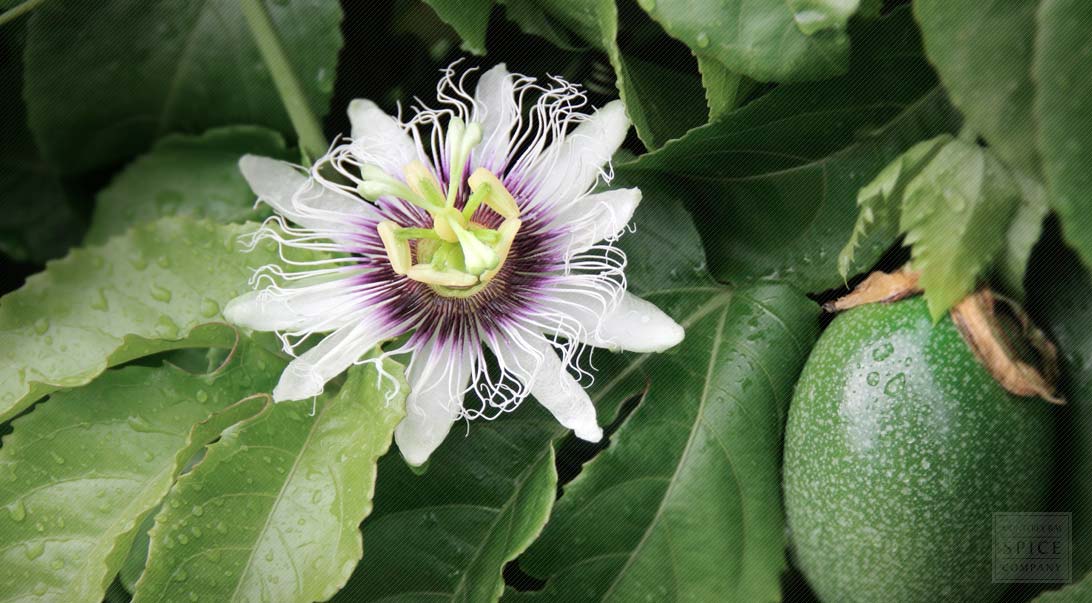
La’au Lapa’au | Passionflower

The Wonky Pot Apothecary's avatarThe Wonky Pot Apothecary

Image result for passionflower

Passionflower

Botanical Name: Passiflora incarnata.

Family Passifloraceae

Other Common Names: Maypop, passiflora, passionflower.

Habitat: Passion flower is native to North, Central, and South America. This plant is mostly tropical, but some varieties may grow in colder climates. Passion flower prefers shaded, dry areas, such as those along fences and woods. It can be cultivated from a cutting or seeds in full sun with good drainage.

Plant Description: The passion flower plant has a long vine which may grow to 9.2 meters in length. It has alternate, serrate leaves with finely toothed lobes. The white flowers have a purple center. The mystery of the beautiful blossom developing from an unassuming bud was compared to the Passion of Christ because the plant parts were thought to represent the crucifixion, giving rise to the name passion flower. This flower blooms from May to July. The fruit of this…

View original post 986 more words

La’au Lapa’au | Rosemary

The Wonky Pot Apothecary's avatarThe Wonky Pot Apothecary

rosemary-2

Rosemary

Botanical Name:Rosmarinus officinalis.

Family: Lamiaceae

Common Names: Compass plant, compass weed, incensier, dew of the sea, polar plant, romero (Spanish), mi-tieh-hsiang (Chinese), rosmarin (Swedish).

Habitat: Rosemary is native to the Mediterranean countries, but is now grown worldwide as a spice and medicinal herb. The plant thrives best in a warm sunny climate.

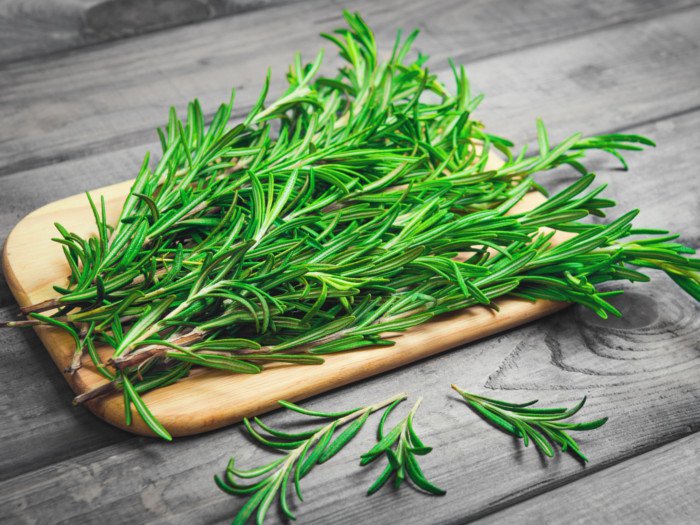
Description: Rosemary is an evergreen shrub like plant that belongs to the mint family (Lamiaceae). It can grow up to 2 meters (6 feet) high and the flowers are petite and pale blue that appear in slight clusters up the stems. The leaves are slender and look a lot like curved pine needles. They are green on top and gray beneath. The dried herb is brownish green in color.

Plant Parts Used: Leaves, flowers, stems, branches. Commercially, the entire plant is used. An essential oil is extracted from the leaves and flowers by steam distillation.

View original post 1,544 more words

Lāʻau Lapaʻau | Administration and Dosing of Medical Cannabis

Crooked Bear Creek Organic Herbs's avatarCrooked Bear Creek Organic Herbs

Despite centuries of medical use and several modern studies, 80 years of cannabis (Cannabis sativa, Cannabaceae) prohibition have left clinicians undereducated about its therapeutic uses. A 2017 US study found that 89.5% of surveyed residents and fellows felt unprepared to prescribe cannabis and just 35.5% felt prepared to answer patients’ questions about it. Only 9% of US medical schools include clinical cannabis content in curricula.* While there is a lack of randomized controlled trials (RCTs) in cannabis therapeutics, researchers and caregivers are recognizing RCTs’ limitations in applicability to individual patients, who may be better served by individualized evidence-based practices. Cannabis’ effects vary depending on many factors. It is desirable to find a “sweet spot” of dosing that provides symptom relief without adverse effects (AEs) like unwanted euphoria. The authors combine a review of the literature and their own clinical observations to offer guidance on Good Clinical Practices (GCPs)…

View original post 836 more words

Lāʻau Lapaʻau | Bergamot

The Wonky Pot Apothecary's avatarThe Wonky Pot Apothecary

bergamot-Uses

Bergamot

Botanical Name Citrus Bergamia.  

Common Name Bergamot Orange, Bergamott (Swedish), Bergamottorange (Danish), Bergamotte, (German), Bergamotier (French).

Family Name Rutaceae

Ayurvedic/ Tcm Name: Fo Shou Gan

Meridians: Liver, Spleen, Stomach, Heart

Key TCM Actions & Medicinal Uses: Liver and Spleen Qi Stagnation/Moves Qi: digestive disorders, gas, depression, emptiness, grief, nausea, bloating, loss of appetite, vomiting. Lifts and Harmonizes Qi/Calms Shen: mental fatigue, depression, insomnia, anxiety, mood swings.

Parts Used The Essential Oil, Which Is A Light Yellow Or Pale Green Liquid With An Extremely Rich, Sweet And Fruity Taste.

Native Region The Plant Is Endemic To Tropical Southeast Asia. Today It Is Cultivated In Many Subtropical Areas Around The World, Especially In Southern Italy And The Ivory Coast.

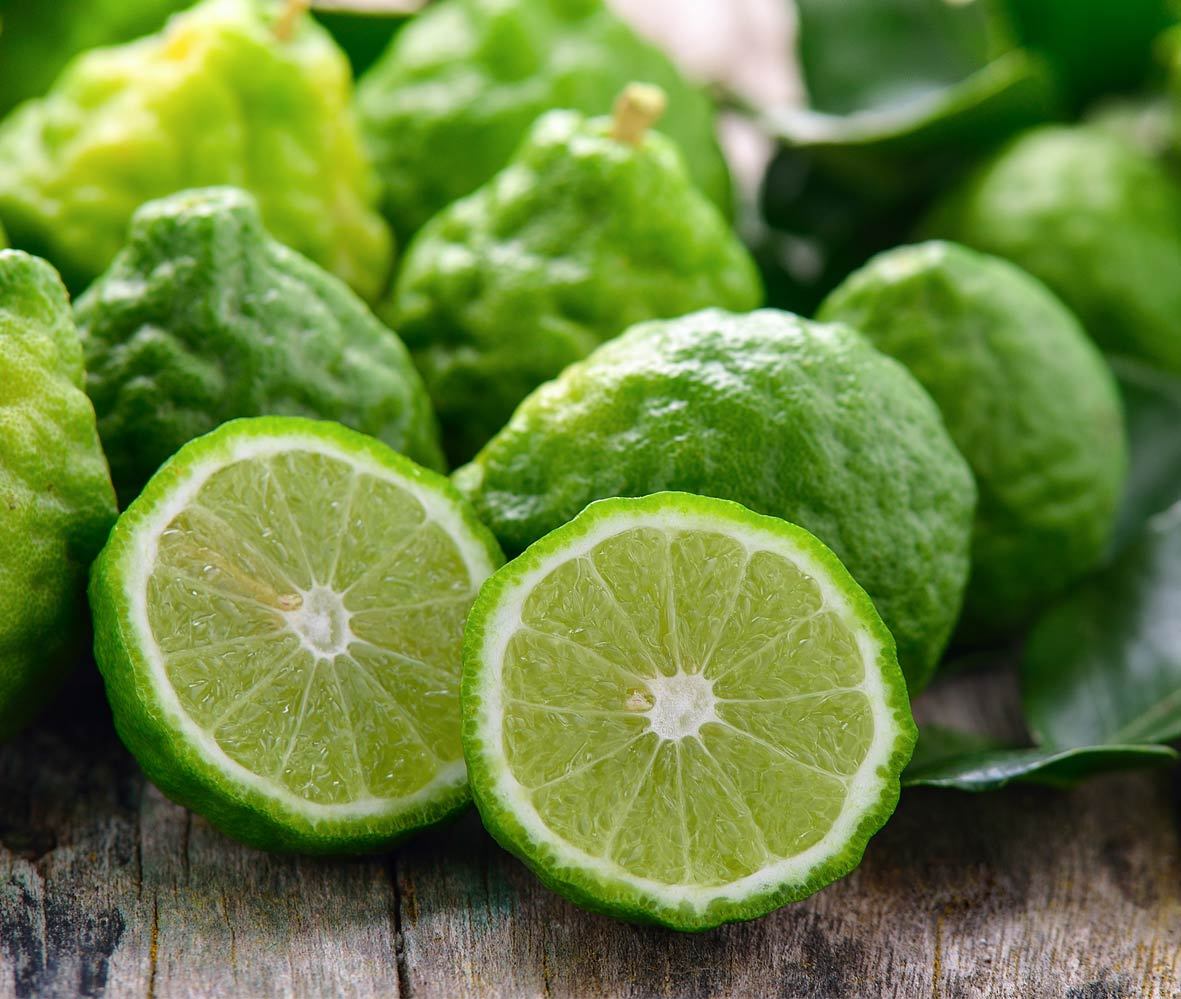
Botanical Description Bergamot Is A Small Tree Of The Rutaceae Family (The Rue Or Citrus Family). It Can Grow Up To 4.5 M High And Has Smooth, Oval Leaves And…

View original post 1,173 more words

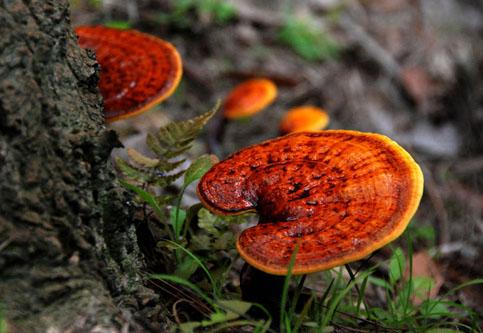
Lāʻau Lapaʻau | Health Benefits of Reishi {Ganoderma lucidum}

Crooked Bear Creek Organic Herbs's avatarCrooked Bear Creek Organic Herbs

Also, Known As:

  • Ling Chi
  • Ling Zhi
  • Reishi

Known in Japan as the ‘phantom mushroom’ because it can be so very difficult to find, the reishi generally grows on old Japanese plum trees. Reishi is so rare that only about 10 mushrooms would be found growing on about 100,000 plum trees. Finally, it was the Japanese Shigeaki Mori who perfected the art of growing the reishi indoors. This art involved culturing wild reishi spores on plum-tree sawdust over an elaborate and arduous two-year time period. The fruiting body of the reishi can be used medicinally.

Also popularly known as the hing zhi “herb of spiritual potency”, the reishi is, in essence, a mushroom that can grow on old rotten logs, fallen tree stumps and other similar areas throughout the coastal regions of China. However, reishi is cultivated in areas as diverse as North America, Taiwan, Japan, Korea, and China for…

View original post 1,024 more words

Lāʻau Lapaʻau | Harvesting Herbs

Crooked Bear Creek Organic Herbs's avatarCrooked Bear Creek Organic Herbs

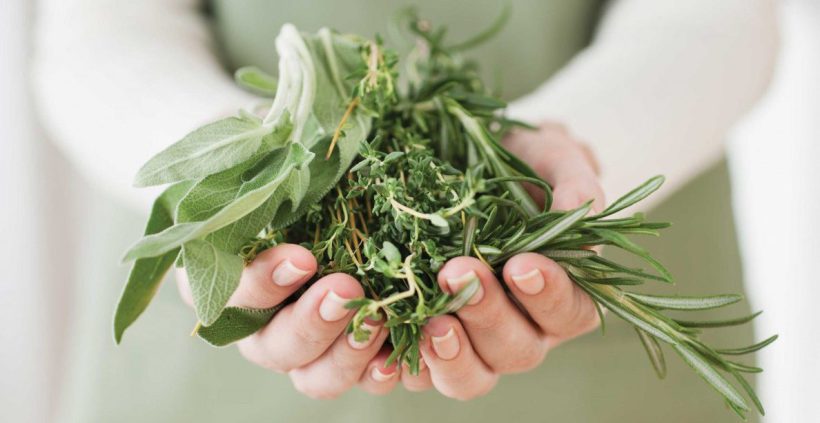
Whether you are collecting the flowers, leaves or stems, you should always harvest them on a sunlit day and only when the dew has dispersed from the plants and prior to the garden being filled with the day’s full heat. In case the plants contain volatile oils, for instance, lemon balm and mints, it is best to harvest them immediately prior to noon. This is because the oils get enough time to move to the leaves, but they have not been evaporated by the heat of the day. As it has been found that rain sweeps away some amount of the aromatic volatile oils, it is advisable that you should wait for at least one day after a rainstorm and then harvest the leaves. Preferably, you should wait for two to three days prior to harvesting, as this will give the plants sufficient time to gather their essential oils.

In…

View original post 2,045 more words

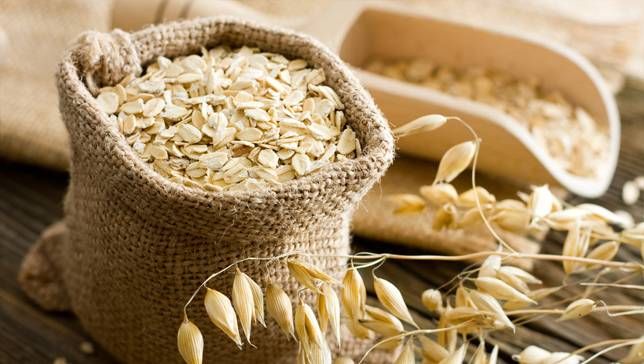
Lāʻau Lapaʻau | What Is Oats {Avena sativa}

Crooked Bear Creek Organic Herbs's avatarCrooked Bear Creek Organic Herbs

Also, Known As:

  • Avena Sativa
  • Common Oats
  • Groats
  • Oats
  • Wild Oats

The plant-based cereals called the oats – botanical name: Avena sativa – is a very nutritious food and remedy. The oat is rich in protein, has lots of beneficial minerals such as calcium and magnesium, trace elements and potassium as well as iron – while also being very high in vitamin content. The presence of these bodybuilding nutrients in the oats makes for strong bones and teeth, most of these vital minerals found in the oats are also necessary for the maintenance of a healthy nervous system in a human being. Remedies made from the oats were traditionally used as a herbal nerve tonic; this tonic was given to patients to treat problems like depression, and mental debility as well as nervous exhaustion. Eating oats is a very good remedy when withdrawing from the effects of tranquilizers and antidepressant medications. The oats not only stimulates the body but also boosts energy levels up…

View original post 1,378 more words