The implications of this information spans many platforms of thought, belief and habit. Worth the hour to listen.
The implications of this information spans many platforms of thought, belief and habit. Worth the hour to listen.
 It’s not the situation that causes pilikia; it’s your attitude toward it. You are in Hell Hotel and out of your kapu space. Check out now! Return to Pono, forgive yourself and go back to the hana (the practice, the work). Mahalo e pomaika’i pilikia. Kalana nui au. Accept, thank and bless (ho’oponopono) the pilikia as you cut its energy cord from your aura. This is how you transmute pilikia into Aloha.

Aloha kakahiaka oukou e hau’oli aloha Po’alima … I lā nani nou oukou. Hoihoi!
Good morning and Happy Aloha Friday to all … Have a wonderful day. Enjoy!
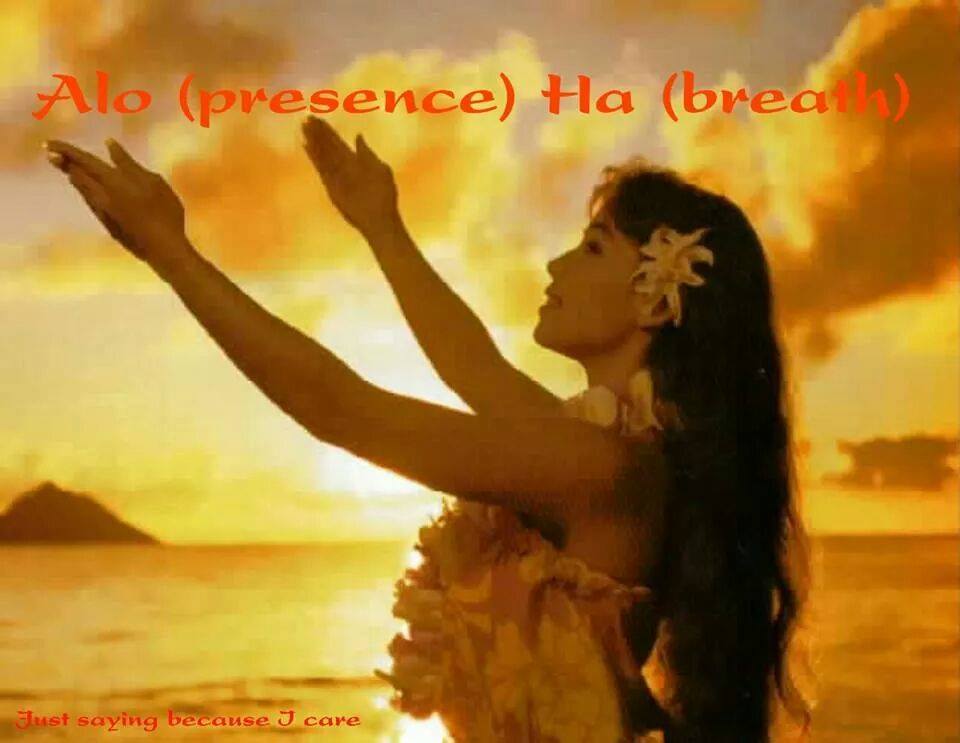 Alo-Ha ~ I present to you the “Breath of God”
ha – I Greet You with the Breath of God,
alo – I present my Self to you (similar to Namaste’, but not)
Two inherent truths: We are spirit beings, and, we are here to live the hu- man experience. Lack of self-love offends who and what we really are and blocks our ability to truly love others and receive love from others. Break the cycle!! Live Aloha!

Prep Time: 15 minutes
Cook Time: 35 minutes
Total Time: 50 minutes
Ingredients:
1 (16.5-ounce) boxed spice cake mix
1 (15-ounce) can plain pumpkin (not pumpkin pie filling)
1/2 cup vegetable oil
1/2 cup water
3 eggs
1 (8-ounce) block cream cheese, softened
4 tablespoons powdered sugar
2 tablespoons lemon juice
1 cups chopped pecans
1/3 cup lightly packed brown sugar
1/2 teaspoon ground cinnamon
Instructions:
Preheat the oven to 350° F and lightly spray a 9X13 baking dish (or pan) with nonstick cooking spray.
Combine the cake mix, pumpkin, oil, water, and eggs in a large bowl and mix until well combined, about 2 minutes.
In another bowl, combine the softened cream cheese, powdered sugar, and lemon juice. Stir until mixed, adding more lemon juice if necessary to get the mixture smooth and just pourable.
Pour half of the cake batter into the baking pan and then drop dollops of the cream cheese mixture on top. Gently spread the cream cheese mixture as much as possible, but don’t stress over getting it perfect. Top with the remaining cake batter and spread evenly.
Mix the chopped pecans, brown sugar, and cinnamon together in another bowl and sprinkle over the top of the batter. Bake for 35 to 40 minutes or until the cake is set. Cool before slicing.
Every so often, we need an angry voice to speak its truth to power and shake us up in the process. Sometimes, we need the dissatisfaction of others to understand what justice actually is. If you feel lost in the mire of helplessness and distraction that defines much of popular culture, watch this video.
 “Yathā ahaṃ tathā ete;
yathā ete tathā ahaṃ.”
Attānaṃ upamaṃ katvā,
na haneyya na ghātaye.
“As I am, so are others;
as others are, so am I.”
Having thus identified self and others,
harm no one nor have them harmed.
Sutta Nipāta 3.710
Gemstones of the Good Dhamma,
compiled and translated by Ven. S. Dhammika
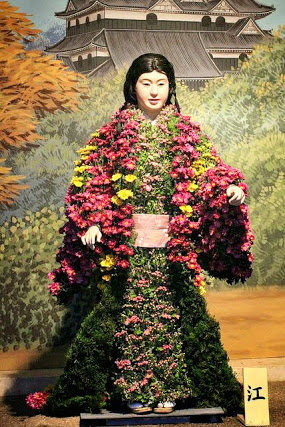
Aloha kakahiaka oukou. Hauʻoli aloha Poʻaha. Maikaʻi iā oukou.
Good morning and Happy Aloha Thursday, everyone. Have an enjoyable day!

|
|
2 tablespoons olive oil
2 lbs fresh white mushrooms, finely chopped
2 pinches salt
2 tablespoons butter
1 cup finely chopped onion
8 cloves garlic, minced
1 cup quick-cooking oats
2 ounces very finely shredded
Parmigiano-Reggiano cheese
1 cup bread crumbs
1/2 cup chopped flat-leaf (Italian) parsley,
|
packed
4 eggs, divided
2 teaspoons salt
freshly ground black pepper to taste
2 pinches cayenne pepper, or to taste
2 pinches dried oregano
6 cups pasta sauce
2 tablespoons very finely shredded
Parmigiano-Reggiano cheese, or to taste
2 tablespoons chopped flat-leaf (Italian)
parsley, or to taste
|
| 1. | Heat olive oil in a skillet over medium-high heat. Add mushrooms to the hot oil, sprinkle with salt, and cook and stir until liquid from mushrooms has evaporated. Stir butter into mushrooms, reduce heat to medium, and cook and stir mushrooms until golden brown, about 5 minutes.
|
| 2. | Stir onion into mushrooms and cook, stirring often, until onion is translucent, 5 minutes. Remove skillet from heat and stir garlic into mushroom mixture until fragrant, about 1 minute. Transfer mixture to a mixing bowl.
|
| 3. | Mix oats into mushroom mixture until thoroughly combined. Gently stir 1 ounce Parmigiano-Reggiano cheese into mixture. Add bread crumbs, 1/4 cup parsley, and 1 egg; season with salt, black pepper, cayenne pepper, and oregano. Mix together with a fork until crumbly. Stir in remaining 1 egg. Mixture should hold together when pressed.
|
| 4. | Cover bowl with plastic wrap and refrigerate at least 4 hours. For best flavor and texture, refrigerate overnight.
|
 Recipe: Samoan Panipopo Coconut Buns
A popular, yet misrepresented, recipe is of panipopo, or coconut buns. There are many recipes on the Internet using ready-made dough, which is not authentic. An authentic recipe can be found by Lei Ne’emia. As with many people who “eyeball” in their cooking, Ms. Ne’emia’s recipe is similarly written. Here is a shortened version that hopefully will give similar results.
Pani Ingredients:
8 c flour
1/2 tsp salt
1/4 c butter, softened
1/4 c sugar (add more or less to preference)
1/4 c dry active yeast
2 c warm water
Pani Preparation:
In a large bowl, rub softened butter into flour and salt. Using of clean hands works best to create the silky, but not greasy, texture that is needed.
Make a well in the middle of the flour mixture. Pour the sugar in the middle.
In a smaller metal or glass bowl, dissolve yeast in really warm water. Avoid using plastic bowls for this recipe. Stir until the yeast is fully dissolved. Add more warm water if necessary. The yeast should be a milky gray color and smell like bread. Pour mixture into the well of sugar.
Using a wooden spoon, fold the ingredients together. Scrape from the sides of the bowl into the middle until everything is combined nicely. If necessary, add more warm water in to make the doughy consistency, but be sure it is really thick and sticky, like pancake batter.
Cover bowl with a damp dish towel and allow it to rise in a warm, dark place for one hour.
Now, the dough should have doubled in size and have holes in it. Spread flour onto a counter top or tabletop, a thick blanket of flour is good. Knead the dough working from the edges inward. Continue kneading flour to the mixture until it can form into a ball. Do not knead too long or the buns will not be fluffy, but dense like bagels.
Cover the dough again and allow to rise another hour.
Preheat oven to 400 degrees F. Cut the dough into chunks a little larger than a golf ball. Roll each chunk into thick “strings”. Tie each string into a knot. Place about 24 knots in each large cake pan. About two and a half to three pans will be needed.
Popo Ingredients:
2 cans pe’epe’e (canned coconut cream)
1 c flour
water
sugar
Popo Preparation:
Fresh coconut cream is always best, but, when there are no coconut trees or coconut tree climbers to pick and crack open a coconut, it is okay to resort to canned coconut cream. A great coconut cream product is made by Kara.
Pour the coconut cream into a container.
In a small bowl, mix together flour and water to make a runny paste. Pour into container. Top off with more water to be sure there’s enough for all the pans. This mixture should be able to fill all the pans and cover at least half of the height of the buns.
Before pouring the mixture onto the buns, it needs to be sweetened with enough sugar to be a bit sweeter than you think it should be.
Panipopo Preparation:
Pour the cream mixture onto the buns. Place the pans in the oven and bake for 20-30 minutes. Be sure to check the cream to be sure it is not too dry. It has to have a chance to boil and the tops of the buns to golden.
While the buns are cooling, be sure to top it off with sugar water to prevent the buns from getting dry. Cover with foil or a damp cloth should work as well.
Best served warm in a shallow bowl with some extra sauce for dipping. Goes great with a warm drink like koko Samoa.
Please note:
Coconut is a laxative if enough is eaten. Be sure to watch your intake!

Ingredients:
Directions:
Bring water to a boil in a kettle then remove from heat. Add Thai tea leaves and steep for 5 minutes; remove tea leaves. Stir sugar into tea until dissolved. Cool to room temperature. Fill glasses with ice; pour tea into each glass until almost full. Stir in desired evaporated milk into each glass.
Serves 3-4
 Serves 6
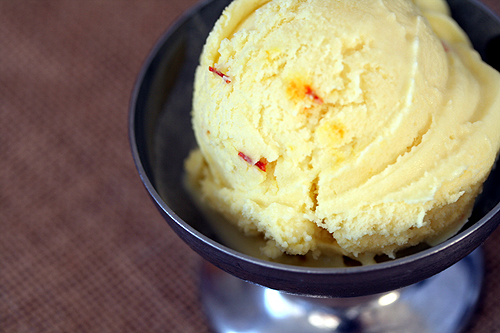
Ingredients:
• 1 (10 ounce) package frozen sliced fruit of your choice
• 1/2 cup sugar
• 2/3 cup heavy cream
Directions:
Combine the frozen fruit and sugar in a food processor or blender. Blend until the fruit is roughly chopped. With the processor running, slowly pour in the heavy cream until fully incorporated. Serve immediately.

Have your meditations become routine and boring?
Are you wondering where that feeling of bliss and excitement went?
Meditation is the backbone of any spiritual practice, but it often becomes routine.
Here are a few tips to make sure you are getting the most out of your meditations:
When you meditate regularly, you build up your prana and spiritual “strength.”
Think of it like a workout. Your first day at the gym is exciting, you feel good. But then the next day, you are tired and sore. You can stay home and lose your momentum, Or you can get back to the gym for another workout. Which one gets you to your fitness goals?
Meditation works the same way.
Your meditations will not take you far if you are so focused on the discomfort in your body that you cannot focus on prana and non-thought.
Get physical exercise and stretch regularly so that your body is comfortable in your meditation position. Drink plenty of water and avoid caffeine before meditating so that you aren’t jittery. Avoid foods that make you feel sluggish, especially right before meditating.
When your body is happy, you are better able to let it go and move deeper into your meditations!
If you find you are not getting the experiences from your meditations that you used to, it is probably because of your expectations…
Maybe you had a great experience, or you heard about a great experience, and now you are trying to recreate that experience for yourself.
You cannot force the experience. By holding this expectation, you are not only blocking the experience you are reaching for, you are also blocking new, and possible more profound, experiences.
Tip #4 View Meditation as an Exploration, Not a Task
Once you set up a regular meditation practice, it is easy to lose your excitement about meditation and all that it has to offer.
Meditation becomes a task…
Something to check off of your to-do list…
While a regular meditation schedule is important in developing a meditation habit, try to change the way you look at your meditation…
When you sit down to meditate, allow yourself to get excited about the new experience you will have today.
When we get into a regular meditation practice, it is easy to forget to prepare yourself for your meditation…
You just plop down, start the music, and go…
But by taking just a couple extra minutes to prepare your body and mind for the meditation, you will get much more out of the practice.
Start by stretching and settling into your meditation position on the floor or in a chair… Take a few deep breaths, breathing in prana, breathing out all of the problems on your mind… Become aware of your body…
See how quiet your mind is, just by taking a little extra time?
I hope these tips help you to maintain and improve your meditations.
In fact, these tips can be applied to any psychic or spiritual skill that has become routine or isn’t progressing as quickly as you would like.

Pono is found only in this moment. I keia manawa ‘uhane nui au. In this moment, I’m Spirit Greatness. This brings you into your kapu space, reinforces the value system of Pono and makes the belief in your Spirit Greatness real I keia manawa.

For most people, when you say that suffering is Grace it seems off the wall to them. And we’ve got to deal now with our own suffering and other people’s suffering. That is a distinction that is very real, because we may see our suffering as Grace but it’s quite a different thing to look at somebody else’s suffering and say it’s Grace.
Grace is something that an individual can see about their own suffering and then use it to their advantage. It is not something that can be a rationalization for allowing another human being to suffer. You have to listen to the level at which another person is suffering. When somebody is hungry, you give them food. As my guru used to say, God comes to the hungry person in the form of food. You give them food and then when they’ve had their belly filled then they may be interested in questions about God. To give somebody a dharma lecture when they are hungry is just inappropriate methodology in terms of ending suffering.
So, the hard answer for seeing suffering as Grace, and this is a stinker really, is that you have to have consumed suffering into yourself. There is a tendency in us to find suffering aversive, and so we want to distance ourselves from it. Like if you have a toothache, it becomes that toothache. It’s not us any more. It’s that tooth. And so if there are suffering people, you want to look at them on television or meet them but then keep a distance from them. Because you are afraid you will drown in it. You are afraid you will drown in a pain that will be unbearable. And the fact of the matter is you have to. You finally have to. Because if you close your heart down to anything in the universe, it’s got you. You are then at the mercy of suffering.
To have finally dealt with suffering is to consume it into yourself. Which means you have to, with eyes open, be able to keep your heart open in hell. You have to look at what is, and say Yea, Right. And what it involves is bearing the unbearable. And in a way, who you *think* you are can’t do it. Who you *really* are, can do it. So that who you think you are has to die in the process.
Like, right now, I am counseling a couple who went to a movie and when they came home their house had burned down and their three children had burned to death. Three, five and seven. And she is Mexican Catholic and he is a Caucasian Protestant. And they are responding entirely different to it. She is going in to deep spiritual experiences and talking with the children and he is full of denial and anger and feelings of inadequacy. In a way, that situation is so unbearable and you wouldn’t ever lay that on another human being but there it is. What may happen is she may come out of this a much deeper, spiritual and a more profound, more evolved person. And he, because the way he dealt with it was through denial, may end up contracted and tight because he couldn’t embrace the suffering. He couldn’t go towards it. He pushed it away in order to preserve his sanity.
There is a process of suffering that requires you to die into it or to give up your image of yourself. When you say, “I can’t bear it”, who is that? In India, they talk about their saints as being the living dead, because they have died to who they thought they were. And they talk about the saints for whom all people are their children, so that everybody that is dying is their child dying. In that way, suffering leads to Grace.
——-
Ram Dass first went to India in 1967. He was still Dr. Richard Alpert, a prominent Harvard psychologist and psychedelic pioneer with Dr. Timothy Leary. He continued his psychedelic research until that fateful Eastern trip in 1967, when he traveled to India. In India, he met his guru, Neem Karoli Baba, affectionately known as Maharajji, who gave Ram Dass his name, which means “servant of God.”
Everything changed then – his intense dharmic life started, and he became a pivotal influence on a culture that has reverberated with the words “Be Here Now” ever since. Ram Dass’ spirit has been a guiding light for three generations, carrying along millions on the journey, helping to free them from their bonds as he works through his own.
 Nutella is so yummy and addictive, but have you ever looked at the list of ingredients on the jar?
Sugar, vegetable oil, hazelnuts (13%), skim milk powder, reduced fat cocoa powder, emulsifier and flavoring.
Not exactly the healthiest, however you can easily make your own using just a few wholesome ingredients!
The secret to making any nut butter is to keep blending.
Don’t be disheartened if your butter still isn’t smooth within the first few minutes, it can take up to 10 minutes of constant processing before it reaches desired consistency.
Ingredients
2 cups roasted hazelnuts
1/2 cup maple syrup
1/2 cup cashew milk
1/4 cup cacao powder
2 Tbsp. coconut oil
1 tsp. vanilla essence
1/4 tsp. celtic sea salt
Directions
Put the hazelnuts into a food processor or blender and blend on medium speed for a few minutes. You might have to scrape down the sides as you go.
Add all the other ingredients and keep blending with the speed on medium, again scraping down the sides if need be. It should take up to 10 minutes before it turns into a smooth, delicious butter.
 People are colours. To me, that is what I see. Not faces, not names. But I know you. I know your colour. You are all colours. All colours in one. Not simply opaqueness, but darkness itself – you are black. Your sublime grace, innate sensuality and eloquent turns of phrase have led me down a path full of colour right into your darkness. A path of hope, of longing, of desire. Your artistry is evident, your kindness obvious as well, and your beauty is beyond tell – but it’s in your darkness where I want to dwell. Come with me on this path of uncertainty, of foreboding, of sin. Share your colour with me. Be you and only you, as I know it’s a place you’ve never been.
 Sabbe sattā, sabbe pāṇā,
sabbe bhūtā ca kevalā,
sabbe bhadrāni passantu.
Mā kañci pāpamāgamā.
May all creatures, all living things,
all beings one and all,
experience good fortune only.
May they not fall into harm.
Aṅguttara Nikāya 4.67
Gemstones of the Good Dhamma,
compiled and translated by Ven. S. Dhammika
 tāyitar — one who protects, shelters or guards
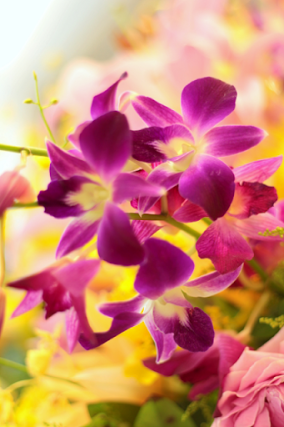 Aloha kakahiaka oukou. Hauʻoli aloha Po’akolu. Maikaʻi iā oukou.
Good morning and Happy Aloha Wednesday, everyone. Enjoy your day!
Activating the Third Eye ~ As we evolve as multi-dimensional beings the piezoelectric calcite crystals of the pineal gland act as receivers of light and information. This audio track serves to access, activate, and increase the “secret of the brain” the Pineal Gland. 22 min. frequency assisted track. Stereo headphones are recommended.
All music tracks are original and the sole property of Source Vibrations. If you would like to use our audio programs for any reason, please feel free to contact us at: webmaster@sourcevibrations.com

 The signposts are indeed indicating greater levels of planetary upheaval, potentially causing more pressure upon our sensitive, changing bodies. The more that I talk with other light servers, I am discovering that many of us are with body pains, tiredness and rising conditions of all types and scale.
It is important to remember that our entire cellular structure is changing as new electromagnetic impulses are constantly entering.
As we increase our vibration, we simultaneously detoxify from the old framework, no matter how advanced our conscious understandings are.
This purification deepens as we go and is a natural part of the experience. With this comes periods of fatigue as our body is constantly recalibrating, while making its gradual transition into a more efficient blueprint and upgraded frequency.
There is critical need to give the body our highest priority to bring as much ease as possible to our biological shift. We can greatly assist it along by paying very close attention to its changing requirements.
This includes new choices in food, different supplementation, always more rest, more play and simple beingness, which is a constant doorknocker for me as well.
There are really no hard and fast rules anymore as to what brings increased energy vibration. It’s happening to everyone and now, it’s merely a matter of keeping our physical vehicles healthy enough to keep up. So much depends upon the personal blueprint and our ability to listen to what the body wants.
For example, having been a vegetarian for years, recently my body wants some meat and dairy to supply it with certain amino acids and protein sequences. It’s been super strange for me psychologically, but my body is feeling in much greater vitality.
With a much greater amplitude of energy running through the body, the nervous system and its neurological activity have a tendency to get overloaded as these higher frequencies of light try to incorporate.
If proper integration is not taken to rest the body from the outer “hustle bustle”, neural circuitry can get majorly stressed and potentially fracture causing a cascade of internal challenges.
Just like a car, any weakening in the engine starts really subtle. The messages, however, are always there and it takes a constantly “tuning in” to our body partner.
Don’t forget too, the ego mind complex is disintegrating and our thoughts are adjusting to brand new perceptions of thinking. This can also cause subtle imbalances affecting the brain waves. It is important to keep ourselves in check, monitoring and adjusting as we go, so that the mind does not get stuck in looping feedback.
The endocrine system, which regulates our physiological functioning through hormones, is currently undergoing a huge upgrade as well. It may experience tremendous energy overloads as it constantly attempts to maintain a state of homeostasis in the body’s metamorphic processes.
Glandular activity can be erratic, causing various effects in body chemicals and triggering internal agitation. If we are not fully grounded in our body, this can result in adrenal and mental burn out, frazzled energy, mind confusion and a long list of reactive emotional states. (More belly laughing is a must.)
Un-integrated energy overload weakens the body’s entire system of immunity, which sets up an environment for increased infection and invading germs. This causes unneeded adversity such as more colds, feeling run down, viral conditions and inflammatory responses, to name just a few.
 Consider that the stem cells that form our blood are born and reach maturity in the bone marrow. Once these cells are mature, they are released into the blood stream where they travel throughout the body preventing infection and supplying needed oxygen and life force energy.
We house a lot of new DNA encodement inside these cells deep in the marrow. If we have healthy immune systems, we have healthy bone marrow and our blood is fortified with more light expanding programs to positively affect all other systems.
This is why it is absolutely crucial that we spend more time building and amplifying our entire system of immunity and to keep it invincibly strong.
 Create, protect and nurture around yourself a sacred space, a place where only you tread. When life seems hard, when your energy fades, when you feel disconnected from your greatness, realize that you violated your Kapu.
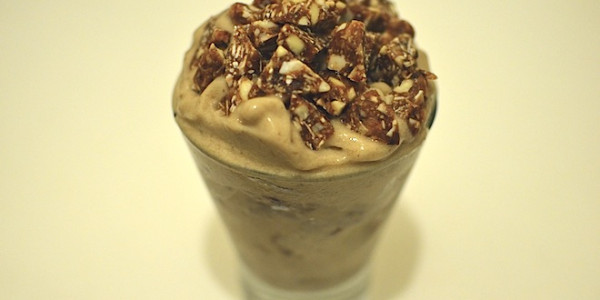

(makes at least 20 servings, depending on how much crumble you want in your ice cream)
(This is for one serving of ice cream)
Directions: To make your crumble, place your oat groats, coconut sugar, chopped pitted dates, cinnamon powder, vanilla and salt in a blender or food processor and pulse until a sticky cookie dough like consistency is reached. Remove from your blender or food processor and stir coconut flakes and chopped almonds in by hand to maintain their shape and crunch. Form into 1/4 inch balls and place in the freezer. When you are ready to make your ice cream, place your frozen bananas, vanilla and coconut or almond milk in a high speed blender or food processor and process until smooth. Remove from your machine and stir in your crumble mixture. Enjoy!

Click image for website
If everyone on the planet was living as vibrantly and as healthy as possible, it would be a much different living experience for all of us.
Our mission is to empower humanity to shift into our natural states of being on all levels; physically, mentally, emotionally and spiritually. We all deserve to live amazing and healthy lives, and it starts now!
Includes 7 healthy snack and dessert recipes, shopping lists, daily group support and more to help you snack the healthy way!
Begins on Monday, September 29th!
Here is how the challenge will work:
1. Below you will find the shopping lists for every item you will need for all 7 days of the challenge. Collect all your items on the list on the weekend prior to the start date.
2. Prep any ingredients that need to be prepared ahead of time (such as peeling and freezing bananas.)
3. On Sunday, September 28th we will post your first recipe. Make that recipe for your dessert, whenever you choose to eat it.
4. Let us know you are following along by taking pictures and sharing them with us as comments to the recipes posted, or just letting us know in comments on the page.
5. Continue on with the following day’s recipe. Repeat steps 3 and 4 until the end of the challenge! Feel free to contact us if you have any questions!
Note: The following shopping lists are not recipes. We will post your first recipe on Sunday, September 28th.
 All right! Get ready to have some fun. Make sure you get your groceries by the end of this coming weekend!
Shopping Lists:
Produce:
Nuts/Seeds:
Grocery:
Spices/Seasonings:
Preparation list:
1. Peel and freeze 3 ripe bananas.
2. Peel, dice and freeze mango.
Tools Needed:
These are all relatively simple recipes, but having a few pieces of equipment will make them all that much easier:

This is a magical time of year! On Tuesday, September 23, we will experience a time when the days and nights are of equal length, otherwise known as the Equinox. Since this day is all about BALANCE it’s miraculous that this experience occurs in both the northern and southern hemispheres. Everyone in the world can celebrate together!
In the northern hemisphere, the nights are growing longer. When this occurs, your energy gets drawn inward so you can find the light within. In the southern hemisphere, the sunny days are more plentiful and you can enjoy the light of the world as you bask in nature. Either way, this is a celebration of light! Nature always reminds us that whenever there is darkness, light will soon follow.
The Equinox also marks the beginning of the sign Libra. In astrology, Libra is the first of what’s known as the relationship signs, and teaches you how to find balance within, no matter what is happening around you or what other people are doing.
The Libra loves to be in partnership – whether it’s romantic, friendship or otherwise, so the tendency is to want to please other people, often at the expense of your own needs. Whenever you do this, this can throw you OFF BALANCE. Have you ever had that experience where you want something and you don’t want to cause conflict so you keep it to yourself? When you do this, you create INNER CONFLICT instead. Eventually, you need to find balance between your needs and pleasing other people. That’s what Libra teaches us!
What’s beautiful is that the day that initiates Libra, the sign of BALANCE occurs on the Equinox – the same day there is harmony between day and night and day, light and dark, yin and yang. We’re going to be in Libra from September 23-October 23. This is the perfect time for you to create more harmony and balance in your life.
New Moon Magic
AND… not only that, but on Tuesday, September 23 at 11:14pm PST (6:14am UTC on September 24th) we will be under a brand new moon. Every new moon is an opportunity for you to set your intentions for the month ahead.
Here are some questions you can ask yourself this new moon:
Am I giving to others so much that I don’t have enough time for myself?
Do I make time in my life to play, recreate and pursue my passions?
Do I give to others more than I allow myself to receive?
How much time do I allow myself to rest instead of work?
Do I keep my thoughts and feelings to myself because I don’t want to disrupt relationship harmony?
Are there any relationships in my life that are no longer making me happy?
Now ask yourself… what do you want instead?
Once you have clarity about what you really want, declare to the Universe that you will choose relationships and situations where you feel inner peace as well as outer harmony. When you do this, the Universe will respond in kind and that’s when magic happens!
Remember, your inner light will always shine no matter what season it is. So have fun, be good to yourself, and radiate love!
~ Kari Samuels
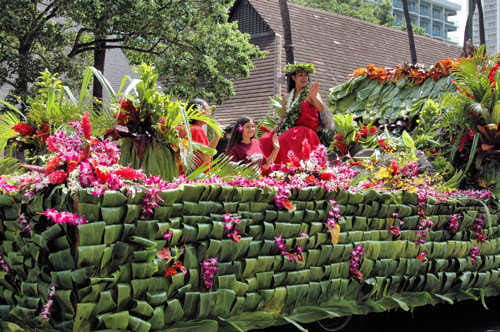 Meditate on this ‘Oli to automatically activate being Pono. Visualize the lei, the eternal circle of love, in which we are surrounded by Spirit, a reminder to live in the moment and express gratitude for all our moments.
(accompanied by Ipu Heke drums)
—–
CREATING THE LEI: Drawing Our Sacred Circle of Learning …
‘Oli (chant): KA LEI ALOHA I NA KUPUNA
Kahea: Ka Lei Aloha I Na Kupuna
Kahea: Ka Lei Aloha!
“Ka lei aloha i na kupuna
Ka lei aloha i na kupuna
Noho au i ka manawa
Noho au i ka manawa
A me na manawa iki ko’u pono
A me na manawa iki ko’u pono
Mahalo nui no pomaika’i nei au
Mahalo nui no pomaika’i nei au”
(repeat twice more)
Kahea: He inoa no Na Kupuna!
Call (loudly spoken): In the name of the Elders/Ancestors/Spirit!
(In the Circle of Love of the Elders)
Call: The Circle of Love!
In the circle of love of Spirit
I am in the moment
And all my moments are pono (righteous).
I am so grateful for all the blessings that surround me
In the circle of love
(repeat each line twice and entire verse twice)
Call: Honored (celebrated) is the name of the Ancestors!

Aloha kakahiaka oukou. Hau’oli aloha Po’alua. I lā nani nou.
Good morning and Happy Aloha Tuesday, everyone … Have a beautiful day!
 Sabbā āsattiyo chetvā,
vineyya hadaye daraṃ,
upasanto sukhaṃ seti,
santiṃ pappuyya cetasā.
With all one’s attachments cut,
with the heart’s pining subdued,
calm and serene and happy is one,
for one has attained peace of mind.
Saṃyutta Nikāya 1.242
Gemstones of the Good Dhamma,
compiled and translated by Ven. S. Dhammika
 Every year, our sages taught, with the cry of the shofar, the entire universe is reborn.
And so, at that time, with our resolutions and our prayers, we hold an awesome power: To determine what sort of child this newborn year shall be—how it will take its first breaths, how it will struggle to its feet and how it will carry us through life for the twelve months to come.
In truth, it is not only once a year: At every new moon, in a smaller way, all life is renewed again.
And so too, every morning, we are all reborn from a nighttime taste of death.
And at every moment—in the smallest increment of time—every particle of the universe is projected into being out of absolute nothingness, as it was at the very beginning.
Which is why there is always hope. Because at every moment, life is born anew. And we are the masters of how this moment will be born.
—
Based on letters and talks of the Rebbe, Rabbi M. M. Schneerson
 Self-power starts with owning your power to choose. In Pono, you are more powerful than you can possibly imagine. The power to living a life of “magic” is based on an inherent understanding that you create your own reality.
 Sukhā virāgatā loke
kāmānaṃ samatikkamo
asmimānassa yo vinayo
etaṃ ve paramaṃ sukhaṃ.
Freedom from lust is happiness in the world,
the going beyond all sensual desires.
But the crushing out of the conceit “I am”–
this is the highest happiness.
Udāna 2.11
Gemstones of the Good Dhamma,
compiled and translated by Ven. S. Dhammika

“Tell me and I forget. Teach me and I remember. Involve me and I learn.” ~ Benjamin Franklin
While meditation practices are usually associated with adults, there is a growing movement focused on implementing mindfulness practices to optimize the health, well-being and happiness of children. From helping kids thrive in school, to being an effective intervention with autism, to even serving kids that are suffering from cancer and other serious health conditions, meditation is showing that it can have a significant long-term positive affect on child development.
In the growing conversation around mindfulness, we’re constantly hearing about meditation in the workplace and tech CEOs who swear by the practice. But less attention is being paid to the quietly growing movement for mindfulness in the family, and the use of meditation to optimize the health, well-being and happiness of children.
It’s not just adults that can stand to benefit from cultivating a focused awareness on the present moment. Research is beginning to shed light on the power of mindfulness as an intervention for a number of behavioral challenges that children face. We’re also starting to recognize that mindfulness practices could be beneficial for children for the same reasons it helps adults, contributing to reduced stress, improved sleep quality and heightened focus.
At increasingly younger ages, kids are facing higher levels of stress, and it may be taking a significant toll on their health. Stressful events in childhood can increase the risk of developing health problems as an adult, but the impact may hit much earlier. A recent University of Florida study found that stressful events can impact a child’s health and well-being almost immediately, and can contribute to the development of physical and mental health problems and learning disabilities.
Sonia Sequeira, Ph.D., a clinical researcher specialized in Investigational Therapies and director of the Institute for Meditation Sciences, has been practicing yoga and meditation for nearly 20 years, and has practiced with her own children for years. Now in her work as a mindfulness researcher, she’s brought contemplative practices to children ages 3-18 who are struggling with autism, cancer, and other physical and mental health problems. Currently, she’s using meditation and chanting to help relieve pain in children with cancer.
It may seem like a tall order to ask your kid to meditate — given that it can be a struggle just to get a child to sit down or eat breakfast — but Sequeira insists that in her years of working with children, she’s found just the opposite.
“There’s an initial resistance, which I think is cultural, and usually it occurs in the presence of the parent,” Sequeira told The Huffington Post. “But it extinguishes very quickly. Teaching mindfulness to children has always been the easiest for me because there’s no set patterns, or at least they’re not set in stone yet. With adults its much more difficult.”
Learning mindfulness practices — including meditation, breathing exercises, yogaasana (postures) and chanting — can have a significant long-term affect on a child’s development.
“[In my research], what really mattered was finding practical tools that were not an on-off or intermittent practice for children, but something they could really grow with and that could affect their physiology as they grow from their young childhood into adolescence,” says Sequeira.
Here’s proof that children need mindfulness just as much as adults do.

Most of the research on mindfulness for children has been conducted in the school setting. Recent studies have shown school mindfulness programs to be effective in reducing symptoms of depression, stress and anxiety among secondary-school children for up to six months after the program. Such programs can also help students focus during exams, as well as reducing stress and boosting happiness among high school students.
Susan Kaiser Greenland, author of The Mindful Child, is one of increasingly many parents fighting for a “mindful revolution in education,” explaining mindfulness programs can aid kids in developing good habits that will help make them happier and more compassionate.
More and more of these programs are beginning to crop up. The Mindful Moment program in Maryland high schools has students start and end each day with a 15-minute yoga and meditation session, and provides a mindfulness room available for personal use throughout the day. The program aims to reduce stress among students and teachers, and to increase four-year graduation rates.
Recent research, conducted by Sequeira and colleagues and published in the journal Autism Research and Treatment, has suggested that meditation has a great deal of potential as a treatment option for children with autism.
“Meditation is one of a few interventions that have been shown to effectively strengthen self-control and character development simultaneously,” the researchers write in a report. “There is much to be gained by exploring meditation as a strategy to override impaired brain synchronicity and debilitating symptoms arising in early years of persons with autism.”
In autism and many other psychological imbalances, the connecting thread is a lack of rhythm, says Sequeira. There’s a challenge of balancing the inner and outer world, and this can distort relationships and interactions with others. In the case of autism, environmental cues become so augmented that the child shuts down from the world to protect themselves. Mantra meditation in particular (a type of meditation that involves the repetition of a word or sound) can help restore a sense of rhythm.
“When you create internal rhythm, there’s a harmonizing and balancing effect,” explains Sequeira. “It facilitates communication, incubation of thoughts… it tells you that you’re in a safe environment and there’s no threat.” “It truly is a top-to-bottom response, and with the children, it restores a natural ability to respond inside to rhythm.”
Children with autism respond well to mantra because it facilitates response, she says.
Being mindful is, at its core, the ability to sustain a focused awareness on the present moment, and practicing mindfulness has been proven to help boost our powers of focus and attention. And it may be just as effective for children as it is for adults.
A 2011 study published in the Journal of Child and Family Studies demonstrated the effectiveness of an eight-week mindfulness program for children ages 8-12 with ADHD, along with a mindful parenting program for their parents. The researchers found that the program reduced parent-reported ADHD behavior. It also increased mindful awareness among both parents and children, and reduced parental stress.
Such programs may be a highly effective intervention either alongside or in the place of traditional ADD and ADHD medications, which come with side effects and may lose their effectiveness over time.
“There are no long-term, lasting benefits from taking A.D.H.D. medications,” James M. Swanson, a psychologist at the University of California, Irvine, told the New York Times. “But mindfulness seems to be training the same areas of the brain that have reduced activity in A.D.H.D… “That’s why mindfulness might be so important. It seems to get at the causes.”
Sequeira has been hard at work for over a year now on a pilot program bringing mantra meditation to children with cancer as a way to reduce pain. While the study is still underway and the results have not yet been finalized, she’s seen an overwhelming positive reaction from both the children and their parents.
“Frequently the children remark that they want to continue beyond the time that’s scheduled, even beyond the point where they had heightened pain,” says Sequeira. “They wanted us to stay there chanting with them for a while. Parents from all over the world speaking different languages are united by mantra that doesn’t have a language meaning but that touches their heart. They felt an enormous sense of peace and did feel that they were contributing to the healing of their children.”
The kids Sequeira works with at Sloan-Kettering also use what she calls a “worrywart waste basket,” in which they make a practice of writing down their concerns on a piece of paper and throwing them away. “They know to do that, and to chant and resolve some of the tension that arises,” says Sequeira.

Mindful parenting, as defined by Mindfulness-Based Stress Reduction founder Jon Kabat-Zinn, consists of “paying attention to your child and your parenting in a particular way: intentionally, here and now, and non-judgmentally.” As Sequeira puts it, creating a mindful family is about “healing the environment and healing the relationships.”
To begin to create a more mindful family and incorporate mindfulness into their children’s lives, parents can start with a daily meditation, yoga or breathing practice. Family dinners can also become mindful by not allowing phones at the table and having a moment of gratitude for the food. Even simple things like positive affirmations and encouraging children to think before they speak can foster an environment of calmness, presence and compassion.
“A child is imprinted with many influences… and all of this shapes a personality” says Sequeira. “When there’s a mindfulness approach to living, it ultimately becomes the personality of the child to truly manifest and become who they are — not trying to become a doctor or a lawyer, but trying to discover their gifts. At the same time, it allows the parents to wean themselves from this very analytical, competitive, linear thinking in life, trying to carry children towards certain goals, which ultimately is stressful for the parent.”
This “group healing,” says Sequeira, will hopefully one day become the basis for a more mindful society.
—–
Syndicated from huffingtonpost.com, Sep 21, 2014
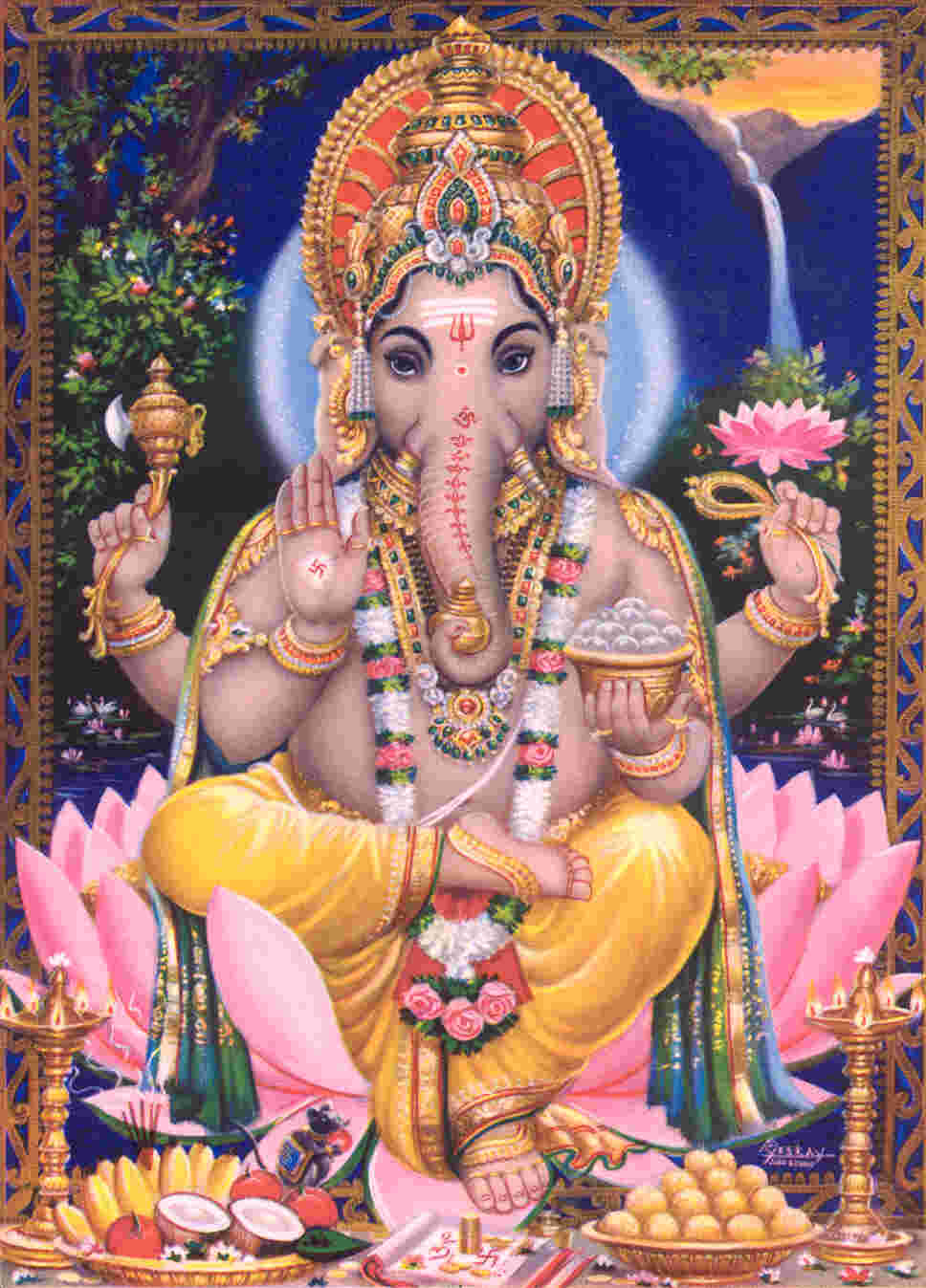
Yoga philosophy is often fleshed out with characters from Hindu mythology. Some people find this off-putting as it rings a distant note of religiosity. This often happens because these colorful characters and stories are viewed as concrete deities, rather than as representations of different aspects of ourselves. Of course, there are sectors of society that regard these archetypes as material divinities, but it is also possible to separate Hindu mythology from a particular religious view point and to use it to illuminate deep seated aspects of ourselves.
One of the most well-known figures in Hindu mythology is Ganesha, the elephant god. His anthropomorphic image is widespread in India, its prominence dating back to the 6th century AD. He is portrayed in a wide variety of situations, from valiantly fighting demons to domestic portraits invoking a sense of familial harmony. While Ganesha is also known as a patron of the arts and sciences, he is most widely revered as the remover of obstacles and the symbol of wisdom. However, Ganesha is also thought to place obstacles in the path of those that need to learn a particular lesson. In this sense, obstacles are regarded as positive forces fostering new perspectives. This encapsulates the deeper sense of wisdom which Ganesha represents.
A traditional way of invoking the Ganesha archetype is through mantra. In many yoga schools, mantras are chanted as a way of getting in touch with those aspects of ourselves we need most in our journey of spiritual realization. The Ganesha mantra translates as the following:
O Mighty Ganesha of Large body, curved trunk, with the brilliance of a million suns, please make all my work free of obstacles, always.
Our internal Ganesha oversees obstacles on material and spiritual planes. Obstacles in our lives occur on many levels, and often simultaneously, from the grossest manifestations of the body to the subtlest impressions of the mind. Yoga philosophy does not differentiate between these levels of being as body is regarded merely as gross mind and mind as subtle body.
This becomes an interesting perspective when we consider the compound ways in which obstacles often seem to manifest in our lives. When we are dealing with extreme mental issues, such as obstacles in our professional lives or relationship dynamics, we often experience concurrent physical ailments. Similarly, serious health problems deeply impact our state of mind. Obstacles resonate on all our levels of being in chorus. To truly start removing these obstacles requires a deeper and more inclusive concept of wisdom – which Ganesha represents.
This sort of wisdom occurs when we manage, through practice, to align our rational faculties with our intuitive ones. Yoga and meditation techniques all aid the process of achieving a state of balance in which this true sense of wisdom becomes more accessible. In this sense, we are all Ganesha’s capable of removing the obstacles in our lives. It is this wisdom which gives birth to the creative insights that resolve our problems.
So next time you are faced with what feels like an insurmountable obstacle, smile as you call to mind the image of the wise and powerful elephant god. Know that he resides within you and that through practice, whichever form works for you, you can achieve the sort of balanced insight that enables you to remove any obstacle in your path. Furthermore, by invoking Ganesha’s wisdom, be reminded that all obstacles are teachers on your journey toward yourself and are in fact your biggest opportunities for growth.
Find Your Magic
Tarot Readings, Inspiration, and Self-Empowerment
Making life on earth magick one moon phase at a time.
Astrologer ~ Mystic ~ Writer
of the Collegium Spiritus Sancti, a Golden Dawn Society
An affiliate of the Alpha et Omega Order of Melchizedek
All Knowledge Is Not Contained In Only One School
Connecting the grant community to #LearnGrants
Channelings & Articles
Magic Spell Books & Grimoires
Native Hawaiian Language Revitalization
Poetry & Tales of Love, Mystery, Magic and Spirituality
Organic Herbs, Herbals, Sustainable Gardening
Mother Nature: Feeding The Mind, Body & Soul, with Food, Medicine & Skincare.
"Inheritor of a Dying World, we call thee to the Living Beauty. Wanderer in the Wild Darkness, we call thee to the Gentle Light..."
Time is the most important thing we've been given
Embracing the Divine Within.
"...That I should bear witness to the truth." - John 18:37 // David E. Robinson, Publisher
 Hālau 'Aha Hui Lānākila