Courts quietly confirm MMR Vaccine causes Autism | True Activist

After decades of passionate debate, parents probably missed the repeated admissions by drug companies and governments alike that vaccines do in fact cause autism. For concerned parents seeking the truth, it’s worth remembering that the exact same people who own the world’s drug companies also own America’s news outlets. Finding propaganda-free information has been difficult, until now.

Source: Courts quietly confirm MMR Vaccine causes Autism | True Activist

Posted in UncategorizedTagged

Health ~ Evidence Mounts on Roundup’s Link to Liver and Kidney Damage

One of the world’s most popular herbicide–Roundup–is making its way back into the headlines in regards to its health and environmental effects. Monsanto, the producer of Roundup (glyphosate), claims this herbicide is safe; however, study after study from independent researchers is showing the exact opposite.

Read the article here.

One of the world’s most popular herbicide–Roundup–is making its way back into the headlines in regards to its health and environmental effects.Monsanto, the producer of Roundup (glyphosate), claims this herbicide is safe; however, study after study from independent researchers is showing the exact opposite.

A new research study is showing that small amounts of exposure – up to thousands of times lower than permitted in drinking water in the U.S. – can produce unfavorable and concerning effects in the liver and kidneys. Could this study be the turning point for finally phasing out Roundup in agriculture? Or will it simply be ignored and human health continue to suffer?

Posted in UncategorizedTagged

Health ~ Four Simple Ways To Change How You Eat

You’ve taken the first step by setting a goal. Now it’s time to start achieving it. Fitness is a vital part of life. And a vital part of being fit is eating right. If you want to be and feel your best in the body, then follow some of these ways to change your daily diet without going on a diet.
EAT MORE OFTEN
It may seem backward, but if you can eat five small meals a day, it will rev up your metabolism, keeping you from feeling tired and unmotivated to exercise.
LOOK AT THE SIDES
Avoid extra calories by opting for healthier sides. Exchange french fries for a side salad or fresh fruit. Or even better, just cut out sides altogether.
COLOR YOUR PLATE
Fill your plate with colorful foods such as fresh veggies and fruits. And because you know you’re eating healthy, you’ll feel better physically and mentally.
DRINK UP
Drinking water is one of the easiest things you can do to help you lose weight. Water jump-starts your metabolism and gives you energy.

Health ~ 7 Toxins Harming Your Brain Right Now

brain-toxins-300x225
Read this interesting article here.
Your brain interacts with every aspect of your body, giving directions to cells and the nervous system. It is essential for supporting good mood and clear thinking, helping to improve your overall quality of life. Here are seven of the most harmful and pervasive toxins you should look out for in order to support brain health.
 
Posted in UncategorizedTagged

Herbalogy ~ Salvia Divinorum: Mexico’s Most Mysterious Healing Herb

wisdomnatureeinstein
Read the entire article here.

Not nearly as well-known as Ayahuasca, but every bit as miraculous, Salvia Divinorum is a small leafy shrub growing in Southern Mexico’s Oaxaca province that is one of nature’s master healing herbs with significant psycho-spiritual effects.

Health ~ Ancient Mega-Virus That Does Not Resemble Any Virus on Earth Is Set To Be Revived

NASA researchers working on the Arctic ice (NASA Goddard Space Flight Centre / Flickr)

Evoking visions of mad scientists, French researchers are set to revive a mega-virus dormant for 30,000 years that they discovered in the permafrost of the Russian Arctic.

The researchers, from the French National Center for Scientific Research, say they will take precautions to revive the specimen under safe laboratory conditions. They published a paper detailing their research in the journal the Proceedings of the National Academy of Sciences. The group of researchers is headed by Jean-Michel Claverie, who runs a laboratory at the French center.

American scientists revived the Spanish Flu virus in 2004 to try to understand its extreme virulence. That virus killed tens of millions of people. The researchers went to Alaska and took samples of lung tissue from a woman who had been buried in permafrost. Using those samples and autopsy tissues, these U.S. scientists pieced together the code for the eight genes. The scientists did the work at what ABC.net calls a “top-security” laboratory of the U.S. Centers for Disease Control and Prevention in Atlanta, Georgia.

The French scientists, who awakened another Siberian virus, known as Pithovirus sibericum, in a petri dish in the lab in 2013, warn that climate change may awaken dangerous viruses in areas of the far north where soil or permafrost is melting and believe it is better to ‘know the enemy’. They found it near the same area as the latest discovery, which they named Mollivirus sibericum.

This is the fourth prehistoric virus found since 2003.

Perhaps the most ground-breaking aspect of the research from 2013 and 2015 is the fact that these Siberian viruses don’t resemble any other virus known on Earth. Modern viruses are tiny and have only a few genes. But Pithovirus sibericum and Mollivirus sibericum contain 500 genes, placing it in a new category of viral giant, a family known as Megaviridae. “Sixty percent of its gene content doesn’t resemble anything on Earth,” said Chantal Abergel, a fellow researcher and wife of Claverie.

Another virus, found in 2003, Pandoravirus, has 2,500 genes. In comparison, the HIV virus has only 12, and Influenza A has eight.

The French researchers call the two viruses they found giant viruses. To qualify as a giant virus it has to be more than a half-micron long—1/1000th of a millimeter.

Pithovirus sibericum is infectious to amoebas but does not appear harmful to human cells, the researchers said. It was found in a 100-foot-deep sample of permanently frozen soil taken from coastal tundra in Chukotka, near the East Siberian Sea.

When they announced the finding of the first virus in 2013, Claverie said: “The revival of viruses that are considered to have been eradicated, such as smallpox, whose replication process is similar to that of Pithovirus, is no longer limited to science fiction. The risk that this scenario could happen in real life has to be viewed realistically.”

Exploration of the Siberian permafrost is expected to increase as it is thought to contain 30 percent of the world’s oil reserves, gold deposits and other key minerals. There is therefore a danger that viruses which humans have never encountered before, and have no immunity to, could emerge from the ice. Claverie called for safeguards against awakening viruses that were once dangerous, such as smallpox.

Ian Branam, a spokesman with the U.S. Centers for Disease Control and Prevention, responded to questions about precautions and safety around virus reanimation. He said in e-mail to Ancient Origins that protocols vary around the world but added:

“Precautions taken include personal protective equipment such as gowns, masks, gloves, shoe covering, etc. Powered respirators are often required as are shower-out procedures when exiting the lab. The lab itself needs to be limited access in a secure facility and have negative air pressure so flow is always into the lab when doors are opened. Waste is sterilized before removal and exhaust air is filtered. Personnel are monitored for any potential symptoms of infection and usually can be asked to record viral signs or check in one or more times a day to confirm no symptoms (fever, etc.)”

CDC technician dons an older-model positive-pressure suit before entering one of the CDC’s earlier maximum containment labs.

CDC technician dons an older-model positive-pressure suit before entering one of the CDC’s earlier maximum containment labs. (Wikipedia)

When asked how the French scientists could know if the Siberian virus could infect amoebas but not humans, he replied: “Without knowledge of the specifics, it could be because contemporary viruses like it infect amoeba. When obtained, experiments will probably be conducted to see if it is infectious for other organisms using cell lines and possibly animal models if infectivity is suspected on the basis of the in vitro cell lines.”

Read more: http://www.ancient-origins.net/news-science-space/ancient-mega-virus-does-not-resemble-any-virus-earth-set-be-revived-003804#ixzz3mRgHNo54
Follow us: @ancientorigins on Twitter | ancientoriginsweb on Facebook

Health ~ How To Make Rejuvelac, a Probiotic-rich Drink

Rejuvelac is a cultured probiotic-rich drink made by fermenting freshly sprouted grains in water.  It first became popular in the 1960’s under the influence of living food enthusiast Dr. Ann Wigmore, the original founder of the Hippocrates Health Institute.  Born in Lithuania, “Dr. Ann”, as she was called, is believed to have acquired the recipe from her Baltic origins.  The beverage is closely related to the traditional Romanian drink, called Bors, a fermented wheat bran used to make a sour soup called ciorba.  Rejuvelac is a cultured probiotic-rich drink made by fermenting freshly sprouted grains in water, traditionally wheat is used, but we also use rye as well as gluten-free millet and quinoa. Plus, we show you how to make rejuvelac from sprouted wheat as well as sprouted quinoa.

Rejuvelac is also an essential ingredient to making your own Vegan cheeses.  (Check out this blog’s Food section for Miyoko Schinner’s recipes for making meltable Mozzerella cheese and your own Vegan butter.)

Organic Quinoa Seeds – 16oz – 1lb – http://bit.ly/1GlGT8h
Wheat Seed (for Wheatgrass): Hard Red – Organic 8oz to 50lbs – http://bit.ly/1Pls9v8
Organic Wheatgrass Sprouting Seed, Mountain Rose Herbs – 4oz to 1lb – http://bit.ly/1BaKkjq
Organic Kamut Grain – 16oz – 5lbs – http://bit.ly/1L6Efo2
Jarden 52505 Wide Mouth Ball Jar, 32-Ounce, Case of 12
Sprout-Ease – Econo-Sprouter Toppers Set – 3 Piece(s) – http://amzn.to/1KP9uGs
Ball Mason Jars Wide-Mouth Can or Freeze – 16 oz 12pk – http://amzn.to/1QWhIfu
Jarden 52505 Wide Mouth Ball Jar, 32-Ounce, Case of 12 – http://amzn.to/1G3eBML

Rejuvelac Page: http://bit.ly/1FHiICl

Additional Sourced Info:

Anne Wigmore Natural Health Institute: http://bit.ly/1SdShZn
Wild Fermentation: http://bit.ly/1G3eErO
Gut Flora: http://bit.ly/YWNmFW

All information is for educational purposes only and is the personal view of the author; not intended as medical advice, diagnosis or prescription. This information has not been evaluated by the FDA and is not intended to cure or prevent any disease.

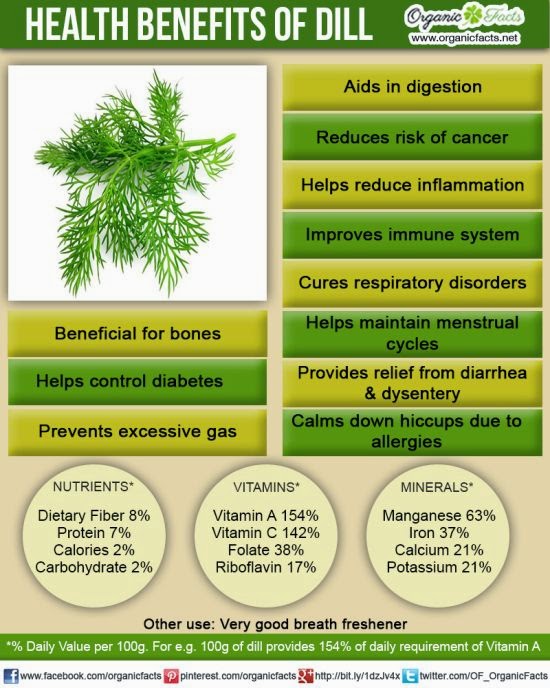
Health Benefits of Dill

Read entire article here.
                                                     Read entire article here.

The health benefits of dill include its ability to boost digestive health, as well as provide relief from insomnia, hiccups, diarrhea, dysentery, menstrual disorders, respiratory disorders, and cancer. It is also good for oral care, and can be a powerful boost for your immune system and can protect you from bone degradation. It is also an anti-inflammatory substance, which means that it can protect you against arthritis. Furthermore, it can reduce excess gas, and is considered a carminative.

Dill, scientifically known as Anethum Graveolens, has been used for culinary and medicinal purposes for hundreds of years. Both the seeds and the leaves can be used. Apart from giving a strong, tangy, appetizing flavor and taste, dill has many medicinal properties, which mainly come from certain compounds called Monoterpenes, as well as flavonoids, minerals and certain amino acids.


Harvard Unveils MRI Study Proving Meditation Literally Rebuilds The Brain’s Gray Matter In 8 Weeks

Original article here

Test subjects taking part in an 8-week program of mindfulness meditation showed results that astonished even the most experienced neuroscientists at Harvard University.  The study was led by a Harvard-affiliated team of researchers based at Massachusetts General Hospital, and the team’s MRI scans documented for the very first time in medical history how meditation produced massive changes inside the brain’s gray matter.  “Although the practice of meditation is associated with a sense of peacefulness and physical relaxation, practitioners have long claimed that meditation also provides cognitive and psychological benefits that persist throughout the day,” says study senior author Sara Lazar of the MGH Psychiatric Neuroimaging Research Program and a Harvard Medical School instructor in psychology. “This study demonstrates that changes in brain structure may underlie some of these reported improvements and that people are not just feeling better because they are spending time relaxing.”

Sue McGreevey of MGH writes: “Previous studies from Lazar’s group and others found structural differences between the brains of experienced meditation practitioners and individuals with no history of meditation, observing thickening of the cerebral cortex in areas associated with attention and emotional integration. But those investigations could not document that those differences were actually produced by meditation.”  Until now, that is.  The participants spent an average of 27 minutes per day practicing mindfulness exercises, and this is all it took to stimulate a major increase in gray matter density in the hippocampus, the part of the brain associated with self-awareness, compassion, and introspection.  McGreevey adds: “Participant-reported reductions in stress also were correlated with decreased gray-matter density in the amygdala, which is known to play an important role in anxiety and stress. None of these changes were seen in the control group, indicating that they had not resulted merely from the passage of time.”

“It is fascinating to see the brain’s plasticity and that, by practicing meditation, we can play an active role in changing the brain and can increase our well-being and quality of life,” says Britta Hölzel, first author of the paper and a research fellow at MGH and Giessen University in Germany.

You can read more about the remarkable study by visiting Harvard.edu.  If this is up your alley then you need to read this: “Listen As Sam Harris Explains How To Tame Your Mind (No Religion Required)

Food ~ Researchers: Tart Cherries Have ‘Highest Anti-Inflammatory Content of any Food’, by Elizabeth Renter

red_reportFruits and vegetables don’t only hold the key to better health overall, they can be used to treat and prevent very specific ailments. For example, using ginger to fight an upset stomach or cranberries to prevent urinary tract infections are two well-known plant-healing remedies. Another notable example is with tart cherries, and how the tiny red fruit can effectively fight inflammation and prevent arthritis.

According to researchers with Oregon Health & Science University, tart cherries have the “highest anti-inflammatory content of any food”. This is a remarkable statement considering all of the fruits and vegetables with anti-inflammatory properties. These anti-inflammatory properties are also likely responsible for the many health benefits of cherries.

The researchers discovered that tart cherries, like Montmorency and Balaton in particular, are rich in phenolics and anthocyanins, more so than sweet cherry varieties like Bing, Lambert, and Rainier. These compounds are known to reduce inflammation considerably, which is why cherries are quickly rising as one of the best home remedies for gout and other inflammatory-related issues.

In this particular study, the researchers analyzed 20 women between the ages of 40 and 70 with inflammatory osteoarthritis. The women drank tart cherry juice twice daily for three weeks. At the end of the three week period, the researchers found “significant reductions” in inflammation markers. The reductions were most pronounced in women who had the highest inflammation levels at the start of the period.

A study from 2001 indicated the anthocyanins in tart cherries were as effective as ibuprofen and naproxen (over-the-counter inflammation and pain medications) at suppressing enzymes associated with arthritis. Best of all, there are no side effects.

Another previous study—this one from Baylor Research Institute—found that a single daily dose of tart cherry extract helped reduce pain associated with osteoarthritis but more than 20 percent.
Natural pain relieving and anti-inflammatory foods should be staples in the diets of people who have to deal with conditions like arthritis. The alternatives—like ibuprofen, naproxen, and acetaminophen—can be quite dangerous.

For example, research spanning from 1995 to 2006 found a connection between hearing loss and ibuprofen use. But hearing loss isn’t the only risk. Over-the-counter pain medications have also been tied to birth defects, blindness, strokes, and intestinal bleeding.
Natural alternatives include tart cherries, curcumin (found in turmeric), and willow bark – all effective options without the side effects.

Health ~ Brazilian Wasp Venom Found To Kill Cancer Cells Without Harming Healthy Cells

Read the article here

According to recent studies conducted by Professor Mario Palma at Sao Paulo State University Brazilian wasp venom has the ability to kill cancer cells while not causing any harm to healthy cells. His research fond that the specific wasp that has the correct venom for this task is the Polybia paulista. The toxin produced by this wasp is called MP1 (Polybia-MP1) is what has been known to single out and destroy cancer cells.

“Cancer therapies that attack the lipid composition of the cell membrane would be an entirely new class of anticancer drugs. This could be useful in developing new combination therapies, where multiple drugs are used simultaneously to treat a cancer by attacking different parts of the cancer cells at the same time,” Paul Beales, co-author of the study said.

Another researcher on the team, João Ruggiero Neto from São Paulo State University further explained the process, saying that “Formed in only seconds, these large pores are big enough to allow critical molecules such as RNA and proteins to easily escape cells. The dramatic enhancement of the permeabilization induced by the peptide in the presence of PE and the dimensions of the pores in these membranes was surprising.”

Read More: http://www.trueactivist.com/brazilian-wasp-venom-found-to-kill-cancer-cells-without-harming-healthy-cells/?utm_source=fb&utm_medium=fb&utm_campaign=antimedia

“Did Ancient People Really Have Lifespans Longer Than 200 Years?”, by Tara Macisaac

Read the entire article here.

It isn’t only biblical figures who lived to well-seasoned ages of 900 years or more. Ancient texts from many cultures have listed life spans most modern people find simply and literally unbelievable. Some say it’s due to misunderstandings in the translation process, or that the numbers have symbolic meaning—but against the many explanations are also counterarguments that leave the historian wondering whether the human lifespan has actually decreased so significantly over thousands of years.

For example, one explanation is that the ancient Near East understanding of a year could be different than our concept of a year today. Perhaps a year meant an orbit of the moon (a month) instead of an orbit of the sun (12 months).

But if we make the changes accordingly, while it brings the age of the biblical figure Adam down from 930 to a more reasonable 77 at the time of his death, it also means he would have fathered his son Enoch at the age of 11. And Enoch would have only been 5 years old when he fathered Methuselah.

Similar inconsistencies arise when we adjust the year figures to represent seasons instead of solar orbits, noted Carol A. Hill in her article “Making Sense of the Numbers of Genesis,” published in the journal “Perspectives on Science and Christian Faith” in December 2003.

Similar problems have arisen when adjusting ages in ancient texts with the assumption that authors used a certain pattern for skewing the actual ages (such as multiplying them by a given number).

“Numbers [in Genesis] could have both real (numerical) and sacred (numerological or symbolic) meaning,” Hill wrote.

Mathematical Patterns?

In both Genesis and in the 4,000-year-old Sumerian King List—which lists the reigns of single kings in Sumer (ancient southern Iraq) as exceeding 30,000 years in some cases—analysts have noted the use of square numbers.

Much like the Bible, the King List shows a steady decline in lifespans. The list differentiates between pre-flood and post-flood reigns. The pre-flood reigns are significantly longer than the post-flood, though even post-flood lifespans are shown to be several hundred years or more than 1,000 years. In the Bible, we see a progressive decline over the generations from Adam’s 930-year life, to Noah’s 500 years, to Abraham’s 175.

Dwight Young of Brandeis University wrote of the post-flood lifespans in the Sumerian King List: “It is not merely because of their largeness that some of these numbers appear artificial. Etana’s 1560 years, to cite the longest, is but the sum of the two preceding reigns. … Certain spans seem simply to have arisen as multiples of 60. Other large numbers may be recognized as squares: 900, the square of 30; 625, the square of 25; 400, the square of 20 … even among smaller figures, the square of six appears more frequently than one might expect.” Young’s article, titled “A Mathematical Approach to Certain Dynastic Spans in the Sumerian King List,” was published in the Journal of Near Eastern Studies in 1988. Paul Y. Hoskisson, director of the Laura F. Willes Center for Book of Mormon Studies wrote along a similar vein of the patriarch ages in the Bible in a short article for the Neal A. Maxwell Institute for Religious Scholarship.

On the other hand, looking at patterns, co-founder of the Church of God in South Texas Arthur Mendez thinks the rate of decline in longevity from pre-flood times as recorded in ancient texts to today matches the rate of decay observed in organisms when they are exposed to radiation or toxins.

Accounts in Many Cultures, Including Chinese and Persian

In ancient China, super-centenarians were also commonplace, according to many texts. Joseph P. Hou, Ph.D., acupuncturist, wrote in his book “Healthy Longevity Techniques”: “According to Chinese medical records, a doctor named Cuie Wenze of the Qin dynasty lived to be 300 years old. Gee Yule of the later Han dynasty lived to be 280 years old. A high ranking Taoist master monk, Hui Zhao, lived to be 290 years old and Lo Zichange lived to be 180 years old. As recorded in the The Chinese Encyclopedia of Materia Medica, He Nengci of the Tang dynasty lived to be 168 years old. A Taoist master, Li Qingyuan, lived to be 250 years old. In modern times, a traditional Chinese medicine doctor, Lo Mingshan of Sichuan province, lived to be 124 years old.”

Dr. Hou said the Eastern key to longevity is “nourishing life,” including not only physical nourishment, but also mental and spiritual nourishment.

The Shahnameh or Shahnama (“The Book of Kings”) is a Persian epic poem written by Ferdowsi around the end of the 10th century A.D. It tells of kings reigning 1,000 years, several hundred years, down to 150 years, and so on.

Depiction of Laozi in E.T.C. Werner's Myths and Legends of China

Depiction of Laozi in E.T.C. Werner’s Myths and Legends of China (Public Domain). Laozi was said to have gone to live as a hermit at the age of 160.

Modern Claims of Longevity

Even today, people report lifespans of some 150 or more years. These reports often come from rural areas, however, where documentation is scant. Documentation was probably even less valued in rural communities more than a century ago, making it harder to prove such claims.

One example is that of Bir Narayan Chaudhary in Nepal. In 1996, Vijay Jung Thapa visited Chaudhary in Tharu village of Aamjhoki in the Tarai region. Chaudhary told him he was 141 years old,  Thapa wrote in an article for India Today. If this claim was true, Chaudhary trumped the Guinness World Record holder for the longest life ever recorded by almost 20 years.

A photograph of Bir Narayan Chaudhary

A photograph of Bir Narayan Chaudhary. Image source: thedogintheclouds.com

But Chaudhary didn’t have the papers to prove it. He did, however, have collective village memory.

“Almost all the elders around remember their youth when Chaudhary (already an elder) would talk about working in the first Nepal survey of 1888,” Thapa wrote. “Village logic goes that he must have been more than 21 then, since the survey was a responsible job. Chaudhary claims to have been 33 and still a stubborn bachelor.”

Many people in the Caucasus region of Russia similarly claim ages reaching even over 170 years without the documentation to back their claims.

Dr. Hou wrote: “These exceptionally long-lived people have invariably lived humble lives, doing hard physical work or exercise, often outdoors, from youth well into old age. Their diet is simple, as is their social life involving families. One example is Shisali Mislinlow who lived to be 170 years old and gardened in the Azerbaijan region in Russia. Mislinlow’s life was never hurried. He said, ‘I am never in a hurry, so don’t be in a hurry to live, this is the main idea. I have been doing physical labor for 150 years.’”

A photo of Shisali Mislinlow

A photo of Shisali Mislinlow taken in 1970. (Wikipedia)

A Matter of Faith?

The issue of longevity in ancient times has long been connected to Taoist practices of internal alchemy, or mind-body cultivation, in China. Here, longevity was connected with virtue. Likewise it is intertwined with Western spiritual beliefs as part of the Bible.

Mendez quoted first century Roman-Jewish historian Titus Flavius Josephus: “Now when Noah had lived three hundred and fifty years after the Flood … But let no one, upon comparing the lives of the ancients with our lives, and with the few years which we now live, think that what we have said of them is false; or make the shortness of our lives at present an argument, that neither did they attain to so long a duration of life, for those ancients were beloved of God, and [lately] made by God himself; and because their food was then fitter for the prolongation of life, might well live so great a number of years: and besides, God afforded them a longer time of life on account of their virtue, and the good use they made of it.”

For now, modern scientists are left either to believe what ancient records and village memory have to say about seemingly unbelievable lifespans, or to consider the accounts exaggerations, symbolism, or misunderstandings. For many, it’s simply a matter of faith.

The article ‘Did Ancient People Really Have Lifespans Longer Than 200 Years?’ was originally published on The Epoch Times and has been republished with permission.

Featured image: ‘Abraham and the Angels’ by Aert de Gelder (Wikipedia). Abraham was said to have lived to the age of 175.

Health ~ Exploring the Relationship Between Autism and Creativity

autism-creativity-public
The finding could help researchers understand more about the relationship between autistic traits and how the brain adapts to problem solving in the general population. This image is for illustrative purposes only.

Neuroscience News |

New research has found that people with high levels of autistic traits are more likely to produce unusually creative ideas.

Psychologists from the University of East Anglia (UEA) and University of Stirling examined the relationship between autistic-like traits and creativity. While they found that people with high autistic traits produced fewer responses when generating alternative solutions to a problem – known as ‘divergent thinking’ – the responses they did produce were more original and creative. It is the first study to find a link between autistic traits and the creative thinking processes.

The research, published today in the Journal of Autism and Developmental Disorders, looked at people who may not have a diagnosis of autism but who have high levels of behaviours and thought processes typically associated with the condition. This builds on previous research suggesting there may be advantages to having some traits associated with autism without necessarily meeting criteria for diagnosis.

Co-author of the study Dr Martin Doherty, from UEA’s School of Psychology, said: “People with high autistic traits could be said to have less quantity but greater quality of creative ideas. They are typically considered to be more rigid in their thinking, so the fact that the ideas they have are more unusual or rare is surprising. This difference may have positive implications for creative problem solving.”

Previous studies using the same tasks have found most people use simple undemanding strategies, for example word association, to produce the obvious answers first. Then, they move on to more cognitively demanding strategies and their answers become more creative. The new research suggests that people with high autistic traits go straight to these more difficult strategies.

“People with autistic traits may approach creativity problems in a different way,” said Dr Doherty. “They might not run through things in the same way as someone without these traits would to get the typical ideas, but go directly to less common ones. In other words, the associative or memory-based route to being able to think of different ideas is impaired, whereas the specific ability to produce unusual responses is relatively unimpaired or superior.”

Dr Doherty said the finding addressed an apparent paradox – that in a condition characterised by restricted behaviour and interests, some of the best known people with autism, such as British architectural artist Stephen Wiltshire and American author and activist Temple Grandin, seem to be unusually creative. The British Channel 4 television series the Autistic Gardener also illustrates the unique contribution someone with autism can make to a creative activity such as garden design.

The finding could help researchers understand more about the relationship between autistic traits and how the brain adapts to problem solving in the general population.

Dr Catherine Best, Health Researcher at the University of Stirling, said: “This is the first study to find a link between autistic traits and the creative thinking processes. It goes a little way towards explaining how it is that some people with what is often characterised as a ‘disability’ exhibit superior creative talents in some domains.

“It should be noted that there is a lot of variation among people with autism. There can be people whose ability to function independently is greatly impaired and other people who are much less affected. Similarly not all individuals with the disorder, or the traits associated with it, will exhibit strengths in creative problem solving. Trying to understand this variation will be a key part of understanding autism and the impact it has on people’s lives.”

The researchers analysed data from 312 people who completed an anonymous online questionnaire to measure their autistic traits and took part in a series of creativity tests. Participants were recruited through social media and websites aimed at people with Autistic Spectrum Disorder and their relatives. Seventy-five of the participants said they had received a diagnosis of an Autistic Spectrum Disorder.

To test their divergent thinking participants were asked to provide as many alternative uses as they could for a brick or a paper clip. Their responses were then rated for quantity, elaborateness and unusualness. People who generated four or more unusual responses in the task were found to have higher levels of autistic traits.

Some of the more creative uses given for a paper clip were: as a weight on a paper airplane; as wire to support cut flowers; counter/token for game/gambling; as a light duty spring. Common ones included: hook; pin; to clean small grooves; make jewellery.

Participants were also shown four abstract drawings and asked to provide as many interpretations as they could for each figure in one minute. The higher the number of ideas produced, the lower the participant’s level of autistic traits tended to be.

About this autism research

Source: Cat Bartman – University of East Anglia
Image Source: The image is in the public domain
Original Research: Abstract for “The relationship between subthreshold autistic traits, ambiguous figure perception and divergent thinking” by Catherine Best, Shruti Arora, Fiona Porter, and Martin Doherty in Journal of Autism and Developmental Disorders. Published online August 13 2015doi:10.1007/s10803-015-2518-2


Abstract

The relationship between subthreshold autistic traits, ambiguous figure perception and divergent thinking

This research investigates the paradox of creativity in autism. That is, whether people with subclinical autistic traits have cognitive styles conducive to creativity or whether they are disadvantaged by the implied cognitive and behavioural rigidity of the autism phenotype. The relationship between divergent thinking (a cognitive component of creativity), perception of ambiguous figures, and self-reported autistic traits was evaluated in 312 individuals in a non-clinical sample. High levels of autistic traits were significantly associated with lower fluency scores on the divergent thinking tasks. However autistic traits were associated with high numbers of unusual responses on the divergent thinking tasks. Generation of novel ideas is a prerequisite for creative problem solving and may be an adaptive advantage associated with autistic traits.

“The relationship between subthreshold autistic traits, ambiguous figure perception and divergent thinking” by Catherine Best, Shruti Arora, Fiona Porter, and Martin Doherty in Journal of Autism and Developmental Disorders. Published online August 13 2015 doi:10.1007/s10803-015-2518-2

‘What Oysters Reveal About Sea Change’, by Mark Bittman

In years past, when Lana lived in the San Francisco Bay Area, she enjoyed the oysters offered at the Hog Island Oyster Company restaurant at the San Francisco Ferry Terminal.  This is the third in a series of videos about sustainable agriculture and healthy eating. The series was produced in collaboration with the Global Food Initiative at the University of California.

New York Times  | This is kind of the good news/bad news department, as so many things are:  The good news is that terrific oysters are being farmed in several locations in California; the bad news is that ocean acidification — the absorption of carbon dioxide into the sea, a direct result of high levels of carbon in the atmosphere — is a direct threat to that industry.

I saw both when I visited Hog Island Oyster Co. in Marshall, an operation north of San Francisco on Tomales Bay. (Actually, I’ve eaten at and of Hog Island dozens of times, and even shot video there for a PBS series more than 10 years ago.)

I went with Tessa Hill, who’s been researching ocean acidification at Bodega Marine Laboratory for eight years. Hill studies how changes in marine chemistry impact a variety of marine animals, including oysters, whose shells are getting thinner, smaller and more susceptible to predators. Her research looks at current conditions and develop a baseline for tracking the effects of climate change going forward.

This isn’t theoretical: Hog Island had noticed that its oysters (which arrive as babies “imported” from Oregon and Washington) grow less reliably, more slowly, and with a higher mortality rate than they did several years ago. The business and Hill have since formed a partnership, and Hill’s team dropped instruments monitoring temperature, salinity, pH and oxygen among the oyster beds to see what, if anything, can be done to help the company plan for the future.

Ocean acidification, like everything associated with climate change, is probably going to get worse before it gets better. But in addition to gathering data that Hog Island can use to protect their crop, understanding the impact of climate change and ocean acidification — in this case, oysters that will most likely become more expensive — can help us make those connections less theoretical and more real.

Back to the good news:  I got to go on a cool boat ride and eat a couple of dozen oysters. A slight mitigation of the bad news.

How Long To Nap For The Biggest Brain Benefits

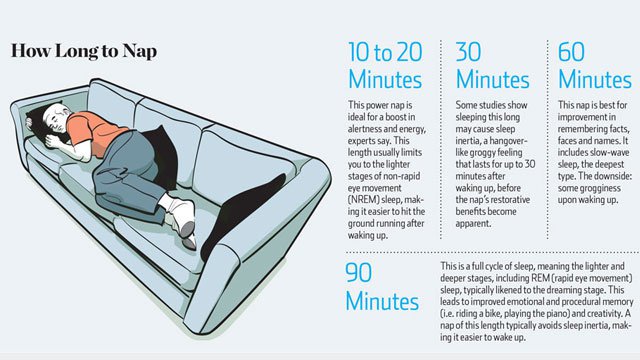
Napping can be great! But sometimes when you wake up after a nap, you feel groggy, almost as if you are more tired than you were before taking the nap. Why does this happen? According to Dr. Michael Breus, “If you take it longer than 30 minutes, you end up in deep sleep. Have you ever taken a nap and felt worse when you woke up? That’s what’s happening — you’re sleeping too long and you’re going into a stage of sleep that’s very difficult to get out of.”[1]

nap_biggest_brain_benefits

Benefits of Naps

So what are the most ideal ways to nap? Napping can be seen as a quick reboot or boost for the brain. Think of when your computer is starting to perform slowly and things aren’t responding up to par, after you shut everything down and do a reboot, things are back up to speed. The brain is quite similar in that as you nap, even for very short periods of time, benefits can be seen in a number of areas.

Sleep experts suggest that taking a 10-to-20-minute power nap can give you a quick burst of alterness and mental clarity when you don’t have much time. This can be used throughout the day, late at night, before something important, or right before you are trying to beat the final boss of a video game you’ve been playing all night and you know you’ll need the extra quickness.

When I was interested in trying to maximize my time awake (which I still am, but haven’t tried much lately) I did some research into sleeping cycles and how to minimize the amount of sleep you need while still being able to function well. I ended up choosing a cycle that gave me a core sleep and then several naps throughout the day that lasted about 20 minutes. I found that after the 20 minute naps, I felt great – I was very alert, my mental clarity was high, and I was ready to go for the next 3 or 4 hours easily.[2]

I found though, that near the beginning of my experiment with cycles, I would start to lose cognitive clarity as I got closer to the end of the day. While this was part of the transition portion of the cycle, I got to feel what it’s like when the brain just isn’t getting enough deep sleep. According to Dr. Mednick, this is where longer naps of 60 minutes or so are said to be good for increasing that cognitive power again. [1] Mednick also states that the 90-minute nap will likely involve a full cycle of sleep, which aids creativity and emotional and procedural memory, such as learning how to ride a bike. Waking up after REM sleep usually means a minimal amount of sleep inertia.

Naps Summarized

A study evaluating the recuperative effects of short and ultra short naps found that napping for 5-10 minutes can create a heightened sense of alertness and increase cognitive ability when compared to not taking a nap at all.

If you are looking for a quick recharge: nap for 5 – 20 minutes.

If you are looking for deeper sleep rejuvenation: nap for 60 – 90 minutes.

Final tip: When you take your shorter naps, sit up slightly, as it will allow you to avoid falling into a deeper sleep. If you dream during these power naps, it could be a sign that you are sleep deprived.

The Scientific Power of Naps:

Sources:

1.http://online.wsj.com/news/articles/SB10001424127887323932604579050990895301888

2. http://www.collective-evolution.com/2013/07/13/alternative-sleep-cycles-7-10-hours-is-not-needed/

http://www.spiritscienceandmetaphysics.com/how-long-to-nap-for-the-biggest-brain-benefits/


Food ~ 15 Foods You Aren’t Eating But Should Be (# 4 is Really Good!)

Read the entire article here.

Ok, so you eat kale, drink bone broth, and brew your own kombucha, but there are some super healthy foods you never give a second thought to- but you should!

There are plenty of healthy foods that probably never see your shopping cart, others that you may never have heard of, or some of these you might have simply forgotten about. So keep reading and find out the 15 super nutritionally dense foods you probably aren’t eating but that you will be after you read this list!

Health ~ A Million Ways That Lemons Can Save Your Life

Read the entire article here.

America has known about lemons since at least the 16th century, when Christopher Columbus brought them to what is now Florida. Lemons (and limes) were very valuable at the time for the protection they offered against scurvy. During the Gold Rush in California, lemons were so popular and in such unbelievably high demand that people were willing to pay the unheard price of $1 each. This would be expensive even for today, but imagine that in the 1800’s!

Although high levels of vitamin C and alkalizing effects on the body are no doubt among the great reasons to always keep lemons around (or to plant your own tree) these sour fruits have a type of antioxidant known as flavonoids that can fight inflammation, heart disease, and cancer, according to the Journal of Agricultural and Food Chemistry.

The Ancient Egyptians thought that drinking the juice or eating lemons would protect you from poison. Although there are many health benefits to lemons and their juice, protection from poison might not be one of them, but they will certainly help to protect you from disease and infection, which can save your life. They are also powerful cleaning and beauty agents, which are almost as important, right?!

Well, although we might not have quite a million things listed here, it might seem like it. This list contains valuable information about how you can use lemons for your health, for cleaning, for beauty treatments, and more!

Keep reading to find out just how valuable lemons actually are and why people would pay a buck a piece for one!

The Science of Stress and How Our Emotions Affect Our Susceptibility to Burnout and Disease by Maria Popova

How your memories impact your immune system, why moving is one of the most stressful life-events, and what your parents have to do with your predisposition to PTSD.

I had lived thirty good years before enduring my first food poisoning — odds quite fortunate in the grand scheme of things, but miserably unfortunate in the immediate experience of it. I found myself completely incapacitated to erect the pillars of my daily life — too cognitively foggy to read and write, too physically weak to work out or even meditate. The temporary disability soon elevated the assault on my mind and body to a new height of anguish: an intense experience of stress. Even as I consoled myself with Nabokov’s exceptionally florid account of food poisoning, I couldn’t shake the overwhelming malaise that had engulfed me — somehow, a physical illness had completely colored my psychoemotional reality.

This experience, of course, is far from uncommon. Long before scientists began shedding light on how our minds and bodies actually affect one another, an intuitive understanding of this dialogue between the body and the emotions, or feelings, emerged and permeated our very language: We use “feeling sick” as a grab-bag term for both the sensory symptoms — fever, fatigue, nausea — and the psychological malaise, woven of emotions like sadness and apathy.

Pre-modern medicine, in fact, has recognized this link between disease and emotion for millennia. Ancient Greek, Roman, and Indian Ayurvedic physicians all enlisted the theory of the four humors — blood, yellow bile, black bile, and phlegm — in their healing practices, believing that imbalances in these four visible secretions of the body caused disease and were themselves often caused by the emotions. These beliefs are fossilized in our present language —melancholy comes from the Latin words for “black” (melan) and “bitter bile” (choler), and we think of a melancholic person as gloomy or embittered; aphlegmatic person is languid and impassive, for phlegm makes one lethargic.

Chart of the four humors from a 1495 medical textbook by Johannes de Ketham

And then French philosopher and mathematician René Descartes came along in the seventeenth century, taking it upon himself to eradicate the superstitions that fueled the religious wars of the era by planting the seed of rationalism. But the very tenets that laid the foundation of modern science — the idea that truth comes only from what can be visibly ascertained and proven beyond doubt — severed this link between the physical body and the emotions; those mysterious and fleeting forces, the biological basis of which the tools of modern neuroscience are only just beginning to understand, seemed to exist entirely outside the realm of what could be examined with the tools of rationalism.

For nearly three centuries, the idea that our emotions could impact our physical health remained scientific taboo — setting out to fight one type of dogma, Descartes had inadvertently created another, which we’re only just beginning to shake off. It was only in the 1950s that Austrian-Canadian physician and physiologist Hans Selye pioneered the notion of stress as we now know it today, drawing the scientific community’s attention to the effects of stress on physical health and popularizing the concept around the world. (In addition to his scientific dedication, Selye also understood the branding component of any successful movement and worked tirelessly to include the word itself in dictionaries around the world; today, “stress” is perhaps the word pronounced most similarly in the greatest number of major languages.)

But no researcher has done more to illuminate the invisible threads that weave mind and body together than Dr. Esther Sternberg. Her groundbreaking work on the link between the central nervous system and the immune system, exploring how immune molecules made in the blood can trigger brain function that profoundly affects our emotions, has revolutionized our understanding of the integrated being we call a human self. In the immeasurably revelatory The Balance Within: The Science Connecting Health and Emotions (public library), Sternberg examines the interplay of our emotions and our physical health, mediated by that seemingly nebulous yet, it turns out, remarkably concrete experience called stress.

Esther Sternberg by Steve Barrett

With an eye to modern medicine’s advances in cellular and molecular biology, which have made it possible to measure how our nervous system and our hormones affect our susceptibility to diseases as varied as depression, arthritis, AIDS, and chronic fatigue syndrome, Sternberg writes:

By parsing these chemical intermediaries, we can begin to understand the biological underpinnings of how emotions affect diseases…

The same parts of the brain that control the stress response … play an important role in susceptibility and resistance to inflammatory diseases such as arthritis. And since it is these parts of the brain that also play a role in depression, we can begin to understand why it is that many patients with inflammatory diseases may also experience depression at different times in their lives… Rather than seeing the psyche as the source of such illnesses, we are discovering that while feelings don’t directly cause or cure disease, the biological mechanisms underlying them may cause or contribute to disease. Thus, many of the nerve pathways and molecules underlying both psychological responses and inflammatory disease are the same, making predisposition to one set of illnesses likely to go along with predisposition to the other. The questions need to be rephrased, therefore, to ask which of the many components that work together to create emotions also affect that other constellation of biological events, immune responses, which come together to fight or to cause disease. Rather than asking if depressing thoughts can cause an illness of the body, we need to ask what the molecules and nerve pathways are that cause depressing thoughts. And then we need to ask whether these affect the cells and molecules that cause disease.

[…]

We are even beginning to sort out how emotional memories reach the parts of the brain that control the hormonal stress response, and how such emotions can ultimately affect the workings of the immune system and thus affect illnesses as disparate as arthritis and cancer. We are also beginning to piece together how signals from the immune system can affect the brain and the emotional and physical responses it controls: the molecular basis of feeling sick. In all this, the boundaries between mind and body are beginning to blur.

Indeed, the relationship between memory, emotion, and stress is perhaps the most fascinating aspect of Sternberg’s work. She considers how we deal with the constant swirl of inputs and outputs as we move through the world, barraged by a stream of stimuli and sensations:

Every minute of the day and night we feel thousands of sensations that might trigger a positive emotion such as happiness, or a negative emotion such as sadness, or no emotion at all: a trace of perfume, a light touch, a fleeting shadow, a strain of music. And there are thousands of physiological responses, such as palpitations or sweating, that can equally accompany positive emotions such as love, or negative emotions such as fear, or can happen without any emotional tinge at all. What makes these sensory inputs and physiological outputs emotions is the charge that gets added to them somehow, somewhere in our brains. Emotions in their fullest sense comprise all of these components. Each can lead into the black box and produce an emotional experience, or something in the black box can lead out to an emotional response that seems to come from nowhere.

Illustration from ‘Neurocomic,’ a graphic novel about how the brain works. Click image for more.

Memory, it turns out, is one of the major factors mediating the dialogue between sensation and emotional experience. Our memories of past experience become encoded into triggers that act as switchers on the rail of psychoemotional response, directing the incoming train of present experience in the direction of one emotional destination or another.

Sternberg writes:

Mood is not homogeneous like cream soup. It is more like Swiss cheese, filled with holes. The triggers are highly specific, tripped by sudden trails of memory: a faint fragrance, a few bars of a tune, a vague silhouette that tapped into a sad memory buried deep, but not completely erased. These sensory inputs from the moment float through layers of time in the parts of the brain that control memory, and they pull out with them not only reminders of sense but also trails of the emotions that were first connected to the memory. These memories become connected to emotions, which are processed in other parts of the brain: the amygdala for fear, the nucleus accumbens for pleasure — those same parts that the anatomists had named for their shapes. And these emotional brain centers are linked by nerve pathways to the sensory parts of the brain and to the frontal lobe and hippocampus — the coordinating centers of thought and memory.

The same sensory input can trigger a negative emotion or a positive one, depending on the memories associated with it.

Illustration by Maurice Sendak from ‘Open House for Butterflies’ by Ruth Krauss. Click image for more.

This is where stress comes in — much like memory mediates how we interpret and respond to various experiences, a complex set of biological and psychological factors determine how we respond to stress. Some types of stress can be stimulating and invigorating, mobilizing us into action and creative potency; others can be draining and incapacitating, leaving us frustrated and hopeless. This dichotomy of good vs. bad stress, Sternberg notes, is determined by the biology undergirding our feelings — by the dose and duration of the stress hormones secreted by the body in response to the stressful stimulus. She explains the neurobiological machinery behind this response:

As soon as the stressful event occurs, it triggers the release of the cascade of hypothalamic, pituitary, and adrenal hormones — the brain’s stress response. It also triggers the adrenal glands to release epinephrine, or adrenaline, and the sympathetic nerves to squirt out the adrenaline-like chemical norepinephrine all over the body: nerves that wire the heart, and gut, and skin. So, the heart is driven to beat faster, the fine hairs of your skin stand up, you sweat, you may feel nausea or the urge to defecate. But your attention is focused, your vision becomes crystal clear, a surge of power helps you run — these same chemicals released from nerves make blood flow to your muscles, preparing you to sprint.

All this occurs quickly. If you were to measure the stress hormones in your blood or saliva, they would already be increased within three minutes of the event. In experimental psychology tests, playing a fast-paced video game will make salivary cortisol increase and norepinephrine spill over into venous blood almost as soon as the virtual battle begins. But if you prolong the stress, by being unable to control it or by making it too potent or long-lived, and these hormones and chemicals still continue to pump out from nerves and glands, then the same molecules that mobilized you for the short haul now debilitate you.

These effects of stress exist on a bell curve — that is, some is good, but too much becomes bad: As the nervous system secretes more and more stress hormones, performance increases, but up to a point; after that tipping point, performance begins to suffer as the hormones continue to flow. What makes stress “bad” — that is, what makes it render us more pervious to disease — is the disparity between the nervous system and immune system’s respective pace. Sternberg explains:

The nervous system and the hormonal stress response react to a stimulus in milliseconds, seconds, or minutes. The immune system takes parts of hours or days. It takes much longer than two minutes for immune cells to mobilize and respond to an invader, so it is unlikely that a single, even powerful, short-lived stress on the order of moments could have much of an effect on immune responses. However, when the stress turns chronic, immune defenses begin to be impaired. As the stressful stimulus hammers on, stress hormones and chemicals continue to pump out. Immune cells floating in this milieu in blood, or passing through the spleen, or growing up in thymic nurseries never have a chance to recover from the unabated rush of cortisol. Since cortisol shuts down immune cells’ responses, shifting them to a muted form, less able to react to foreign triggers, in the context of continued stress we are less able to defend and fight when faced with new invaders. And so, if you are exposed to, say, a flu or common cold virus when you are chronically stressed out, your immune system is less able to react and you become more susceptible to that infection.

Illustration from ‘Donald and the…’ by Edward Gorey. Click image for more.

Extended exposure to stress, especially to a variety of stressors at the same time — any combination from the vast existential menu of life-events like moving, divorce, a demanding job, the loss of a loved one, and even ongoing childcare — adds up a state of extreme exhaustion that leads to what we call burnout.

Sternberg writes:

Members of certain professions are more prone to burnout than others — nurses and teachers, for example, are among those at highest risk. These professionals are faced daily with caregiving situations in their work lives, often with inadequate pay, inadequate help in their jobs, and with too many patients or students in their charge. Some studies are beginning to show that burnt-out patients may have not only psychological burnout, but also physiological burnout: a flattened cortisol response and inability to respond to any stress with even a slight burst of cortisol. In other words, chronic unrelenting stress can change the stress response itself. And it can change other hormone systems in the body as well.

One of the most profound such changes affects the reproductive system — extended periods of stress can shut down the secretion of reproductive hormones in both men and women, resulting in lower fertility. But the effects are especially perilous for women — recurring and extended episodes of depression result in permanent changes in bone structure, increasing the risk of osteoporosis. In other words, we register stress literally in our bones.

Art from ‘Evolution’ by Patrick Gries and Jean-Baptiste de Panafieu. Click image for more.

But stress isn’t a direct causal function of the circumstances we’re in — what either amplifies or ameliorates our experience of stress is, once again, memory. Sternberg writes:

Our perception of stress, and therefore our response to it, is an ever-changing thing that depends a great deal on the circumstances and settings in which we find ourselves. It depends on previous experience and knowledge, as well as on the actual event that has occurred. And it depends on memory, too.

The most acute manifestation of how memory modulates stress is post-traumatic stress disorder, or PTSD. For striking evidence of how memory encodes past experience into triggers, which then catalyze present experience, Sternberg points to research by psychologist Rachel Yehuda, who found both Holocaust survivors and their first-degree relatives — that is, children and siblings — exhibited a similar hormonal stress response.

This, Sternberg points out, could be a combination of nature and nurture — the survivors, as young parents for whom the trauma was still fresh, may well have subconsciously taught their children a common style of stress-responsiveness; but it’s also possible that these automatic hormonal stress responses permanently changed the parents’ biology and were transmitted via DNA to their children. Once again, memory encodes stress into our very bodies. Sternberg considers the broader implications:

Stress need not be on the order of war, rape, or the Holocaust to trigger at least some elements of PTSD. Common stresses that we all experience can trigger the emotional memory of a stressful circumstance — and all its accompanying physiological responses. Prolonged stress — such as divorce, a hostile workplace, the end of a relationship, or the death of a loved one — can all trigger elements of PTSD.

Among the major stressors — which include life-events expected to be on the list, such as divorce and the death of a loved one — is also one somewhat unexpected situation, at least to those who haven’t undergone it: moving. Sternberg considers the commonalities between something as devastating as death and something as mundane as moving:

One is certainly loss — the loss of someone or something familiar. Another is novelty — finding oneself in a new and unfamiliar place because of the loss. Together these amount to change: moving away from something one knows and toward something one doesn’t.

[…]

An unfamiliar environment is a universal stressor to nearly all species, no matter how developed or undeveloped.

In the remainder of the thoroughly illuminating The Balance Within, Sternberg goes on to explore the role of interpersonal relationships in both contributing to stress and shielding us from it, how the immune system changes our moods, and what we can do to harness these neurobiological insights in alleviating our experience of the stressors with which every human life is strewn.

Best Ayurvedic Tips for Weight Loss


Obesity is one of the most dreaded lifestyle ailments today and is spreading like an epidemic all across the world. Owing to slavery to the taste buds and lethargic living conditions, being obese and overweight is affecting all age groups and either sex. The main problem with weight gain is that not only does it affect the confidence and mental stability of the obese person (making him easy target to mockery), overweight and obesity lays foundation of many other serious diseases. No doubt, weight loss is much sought after by one and all.


Weight Loss in Ayurvedic Dosha TypesAccording to Ayurveda philosophy, Kapha type of individual (having more of water and earth in their constitution) is more likely to gain weight easily. Although, the Vata types having more of air and ether, would generally be skinny and devoid of much fat. The fire types or Pitta dosha personalities who are generally gifted with proportional body weight, could be gaining weight just in case they lose their balance.

In the case of weight gain or obesity, it is believed that the Kapha dosha gets accumulated which further slows down the fat metabolism and leads to the disease of obesity. Therefore, Ayurveda believes that of the three basic dosha types, those people who have more of Kaha dosha in their system generally have a low BMR and gain weight easily. Thus, for weight loss, the Kapha types need to be more strict and careful with themselves both in the terms of diet intake and undertaking exercise routine.


Ayurvedic Tips for Weight loss

  • So as to bring down the body weight, or the Medha dhatu, it is regarded essential to practice daily exercise not only of the body, but also of the mind.
  • Many Yoga exercises have been specified for the purpose of easy weight loss. Also, there are deep breathing exercises, orPranayama, which can be undertaken so as to accelerate your weight loss program.
  • The habit of sleeping in the daytime is to be discouraged.
  • Dry massages and enemas prove helpful for weight loss.
  • The weight loss dry massage technique which is called as Udvartana is an effective remedy for weight gain and obesity. It provides weight loss, tones the skin, removes cellulite, loosens fat molecules and eliminates them from the sub-cutaneous level and removes Kapha toxins from the body.
  • A glass of lukewarm water along with a few drops of lemon juice and half a teaspoon honey is to be taken on an empty stomach first thing in the morning.


Yoga therapy for Weight LossYoga therapy when undertaken along with Ayurvedic diet and lifestyle plan for weight loss, in the form of Yoga asanas, Yoga techniques and Pranayama, helps in providing considerable weight loss. Yoga asanas like Trikon asanaBhujang asanaSurya Namaskar and deep breathing techniques like Bastrika pranayama and kapal bhati pranayama are some of the effective yoga poses for weight loss.

Yoga sessions work wonderfully well with Ayurvedic therapies for weight loss. These help to make you eat only what is needed for the body and the urge to eat more and frequently will disappear on its own. This is the reason why Ayurvedic weight loss program with Yoga practice is the most successful program. Once you are hooked on it you will stay with it, and the body slowly returns to its normal weight and keeps it.


Mudra Therapy for Weight LossSurya Mudra is another effective therapy recommended in Yoga for weight loss. The ring finger is made to settle at the root of the thumb, with the thumb exerting a little pressure on the ring finger. As this alignment tends to increase warmth in the body systems, it is generally recommended to be practiced for fifteen to twenty minutes daily.


Ayurvedic Analysis of Weight Gain and ObesityObesity or Aatisthula or Medho Roga as referred in Ayurveda text is regarded to be one among the eight ‘nindya prakruties’ (undesirable constitution) of the body.  In the Ayurvedic texts, Charaka has described; obesity is one of them and is described as ‘Medoroga’. In an Obese person, individual Medas (Fat) is excessively nourished and remaining other Dhatus (tissues) get malnourished.


Ayurvedic Medicine for Weight LossSome Ayurvedic medicines and herbal medicinal formulations like Trifla churan, Mandoor bhasm, Swarnmakshik bhasm, guggulu and shilajit are available in the markets and can help in weight loss. Medicinal formulations like Medhohar guggul or Triushanaadi loha are generally prescribed. These should be taken under a qualified Ayurvedic doctor’s supervision. These would mainly help in weight loss provided other diet and lifestyle measures for weight loss are followed.


Ayurvedic Diet for Weight lossFood items sweet in taste should be decreased in daily diet schedule and at the same time intake of diet components containing pungent, astringent and bitter tastes should be encouraged. Food items like oatsbarleyhoney, pulses like moong and arhar, and herbs like dried ginger, bitter gourd, aamla, soye etc. help in removing excess body fat and aid in weight loss.

Health ~ 8 Beers You Should Stop Drinking Immediately!

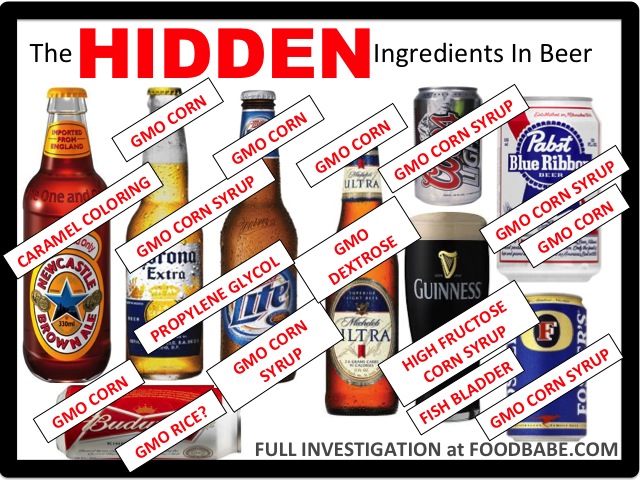
Beer-GMO

All of use enjoy in a good beer once in a while, especially with a good snack. But very few of us know that all beers are not the same, especially in their value. Most people don’t actually know that contents of the beer they enjoy on occasions. Did you know that there are GMO beers?

There are various types of beer, and they all possess their own distinct taste, but they all also possess a potential to cause different problems for the body.

Always bear in mind that beer is one of the only types of beverage that is not monitored by the FDA.

So, if you are one of those that enjoy a cold one you should be aware of the eight most dangerous types of beer! The following ones contain some unfavorable ingredients so you should avoid them at all costs:

  1. Newcastle Brown Ale

Newcastle Brown Ale and beers like it have caramel coloring in their content, which is not good for your health. Class 3 and 4 caramel coloring is made from ammonia, which is classified as a carcinogen. Thus, your chances of developing cancer are increased by this carcinogenetic addition to the beer.

  1. Budweiser

This beer was also proved to be very dangerous, and probably many Budweiser drinkers out there will not be happy with this discovery. Even though so much advertised, this type of beer is very dangerous for your health. This iconic beer contains genetically modified (GMO) corn. In 2007, Greenpeace discovered experimental GMO rice in Budweiser’s beer.

  1. Michelob Ultra

Michelob Ultra is also high ranking on our dangerous list. Given the dangers associated with a sweetener it contains, professionals urge you to eliminate this beer from your choices. Namely, this beer contains a GMO sweetener, otherwise known as GMO dextrose.

  1. Pabst Blue Ribbon

Stay clear of this historical beer, your body will thank you. It actually contains two dangerous substances, the first one being a GMO corn, which is bad enough, and the second one is a GMO corn syrup.

  1. Miller Lite

This one has been tested and proven to also contain GMO corn and GMO corn syrup. As mentioned before, these key ingredients are detrimental to your health.

  1. Guinness

There are some dangerous ingredients that are used to produce this popular beer as well. Guinness is contained in glass, which comes from fish bladder. Moreover, it also contains fructose corn syrup that has been banned from many different types of food and drinks. Nevertheless, Guinness claims they no more use fructose corn syrup.

  1. Coors Light

Many people are not aware of the dangers associated with Coors Light. This beer also contains GMO corn syrup, which has proved to be costly for your health. So try to avoid it although it is very popular, and often advertised well.

  1. Corona Extra

Corona contains GMO corn syrup and Propylene Glycol, which is said to also extremely harmful to your health. Many of you love to enjoy a Corona occasionally, but now you are aware of the ingredients that are used in its production.

So, next time you are having a couple of drinks, remember the above facts and choose a beer that is not featured on this list, or better, avoid drinking beer at all.

Source: www.fhfn.org
Other included sources linked in FHFN’s article:
http://www.realfarmacy.com/8-beers-that-you-should-stop-drinking-immediately/
http://www.webmd.com/vitamins-supplements/ingredientmono-1007-beer.aspx?activeingredientid=1007&activeingredientname=beer

Health ~ Confirmed: Parabens Cross the Human Placenta and 4 Ways to Protect Your Baby, by Eleni Roumeliotou

Green Med Info | Research shows that prenatal exposure to parabens can cause long-term problems to the growing baby. We now know that parabens cross the human placenta. The good news is that there are ways to protect your developing baby. 

Endocrine disruptors have been repeatedly associated with pregnancy and fetal complications in animals, but there is limited research about how these chemicals behave inside the human body. We now know that the omnipresent preservatives known as parabens can easily cross the human placenta and accumulate in the blood of the growing baby.

The US pilot study, which clarified this issue, was published in May 2015 and evaluated the levels of commonly used parabens in the blood of 50 pregnant women and upon delivery, in the blood of their babies (1). Parabens where found in 94% of women and their newborns. This makes sense, since it is estimated that parabens are included in approximately 22,000 products, so avoiding them is not exactly a piece of cake. However, the most impressive finding of this small study was the fact that in more than 50% of the cases, the babies had significantly higher amounts of the most popular paraben (methyl-paraben) in their blood than their mother did. The mean concentration of methyl-paraben in pregnant women was 20.41 ng/l, while newborn babies had a mean concentration of 36.54 ng/l. This is a significant difference and a whole lot of parabens for a newborn baby with immature kidneys and detoxification mechanisms.

There is plenty of research proving that prenatal exposure to parabens can cause long-term problems to the growing baby. As many endocrine disruptors, parabens mimic estrogen and affect the sensitive hormonal balance required for a healthy pregnancy and baby. Accurate hormone signals regulate the proper development of the baby during pregnancy, which justifies the fears that parabens can affect the baby´s health in the long-run.

The list of possible effects of parabens to babies is long. Selected research in animals suggests that prenatal exposure to parabens is linked to autistic-like behavioral symptoms in infants (4), impaired social behavior (5), decreased sperm number and motility later in life (6) and learning difficulties (7) among other problems. But this is not just about the babies; women can be harmed by parabens too.  Scientific research suggests that parabens may be linked to breast cancer, which is a reasonable concern, given the fact that inside the body, parabens act like a weak type of estrogen.


Tainted Science and Lack of Regulation

Since parabens are mainly found in cosmetics and personal care products, a considerable effort has been made by the industry to convince that parabens are practically non-toxic in the concentrations used in cosmetics. The latest report by the Cosmetic Ingredient Review (CIR) Expert Panel, which is exclusively funded by the Personal Care Products Council (the industry trade association), is worryingly reassuring the safety of parabens and indirectly promotes the use of parabens in cosmetics by setting very high safety threshold for adults and especially for infants (2,3). Unfortunately the specific report does not take into account the fact that people are exposed to a cocktail of parabens, rather than a single paraben, on a daily basis. In other words, there is no assessment of the additive and cumulative risk of multiple paraben exposure from daily use of multiple cosmetics and personal care products.

Bear in mind that parabens, and other endocrine disruptors (i.e. phthalates), are not regulated by the FDA, which essentially means that the cosmetics industry is unregulated when it comes to the ingredients of their products.


4 steps to limit parabens exposure

  1. Only choose cosmetics and personal care products, which explicitly state that they are “paraben-free”. If there is no indication of parabens in the label, this does not necessarily mean that they are not there.
  2. Lotions and perfumes are the kinds of products associated with high exposure to parabens. In general, parabens are essential for products with high water content (i.e. moisturizing lotions), which are prone to bacterial and/or fungal contamination. Opt for formulas based on less water, such as bar lotions, solid perfumes, which require less preservatives.
  3. If possible, buy preservative-free cosmetics in small batches and use them quickly. Products with natural preservatives, such as grapefruit seed oil and vitamin E are also a good choice.
  4. Foods with a long shelf life, such as beer, syrups, salad dressings, jams, canned foods, tortilla shells, frozen desserts and other frozen dairy products also contain parabens. Eating fresh food and cooking your meals from whole, local ingredients is a great way to avoid parabens and a whole group of other unhealthy chemicals.

References

[1] Towers CV, Terry PD, Lewis D, Howard B, Chambers W, Armistead C, Weitz B, Porter S, Borman CJ, Kennedy RC, Chen J. 2015. Transplacental passage of antimicrobial paraben preservatives. J Expo Sci Environ Epidemiol.

http://www.ncbi.nlm.nih.gov/pubmed/25944699

[2] Final amended report on the safety assessment of Methylparaben, Ethylparaben, Propylparaben, Isopropylparaben, Butylparaben, Isobutylparaben, and Benzylparaben as used in cosmetic products. Int J Toxicol. 2008;27 Suppl 4:1-82.

http://www.ncbi.nlm.nih.gov/pubmed/19101832

[3] Cosmetic Ingredient review.  http://www.ctfa.org/

[4] Ali EH, Elgoly AH. 2013. Combined prenatal and postnatal butyl paraben exposure produces autism-like symptoms in offspring: comparison with valproic acid autistic model. Pharmacol Biochem Behav. 111:102-10.

http://www.ncbi.nlm.nih.gov/pubmed/24036472

[5] Kawaguchi M, Morohoshi K, Imai H, Morita M, Kato N, Himi T. Maternal exposure to isobutyl-paraben impairs social recognition in adult female rats. Exp Anim. 2010;59(5):631-5.

http://www.ncbi.nlm.nih.gov/pubmed/21030791

[6] Kang KS, Che JH, Ryu DY, Kim TW, Li GX, Lee YS. 2002. Decreased sperm number and motile activity on the F1 offspring maternally exposed to butyl p-hydroxybenzoic acid (butyl paraben). J Vet Med Sci. 64(3):227-35.

http://www.ncbi.nlm.nih.gov/pubmed/11999442

[7] Kawaguchi M, Irie K, Morohoshi K, Watanabe G, Taya K, Morita M, Kondo Y, Imai H, Himi T. Maternal isobutyl-paraben exposure alters anxiety and passive avoidance test performance in adult male rats. Neurosci Res. 65(2):136-40.

http://www.ncbi.nlm.nih.gov/pubmed/19560493

[8] Karpuzoglu E, Holladay SD, Gogal RM Jr. 2013. Parabens: potential impact of low-affinity estrogen receptor binding chemicals on human health. J Toxicol Environ Health B Crit Rev. 16(5):321-35.

http://www.ncbi.nlm.nih.gov/pubmed/23909435 

Health ~ The Aspirin Alternative Your Doctor Never Told You About

Read full article here

Millions use aspirin daily without realizing its true dangers. The good news is that there is a natural alternative which preliminary research indicates is safer and more effective.

WARNING: Never discontinue a pharmaceutical product without the guidance of a physician. Doing so could have serious, if not life threatening side effects. This article is for informational purposes only. Nothing here is intended as or should be substituted for medical advice. 

Aspirin is taken faithfully by millions every day as a preventive measure against heart attack, often without the user having any awareness of the serious health risks associated with it, some potentially fatal. You can view over 60 adverse effects of aspirin on the GreenMedInfo.com’s aspirin research page if you have any doubts about how serious a concern this is.

Aspirin’s widespread popularity is based on its much-touted blood-thinning properties. But there are safer, surprisingly more effective and far more natural alternatives on the market today.

For instance, pycnogenol, a branded form of an extract of French maritime pine bark, can be found on the shelves of thousands of health food stores around the country, and unique among natural products, has a broad base of human clinical research supporting its use for a wide variety of health conditions. You can view GreenMedInfo.com’s pycnogenol research page take a look at the published research.

Moreover, in cross comparison tests, pycnogenol has been found at least as effective as aspirin in preventing blood from clotting, but at significantly lower doses and with a superior safety profile.

Health ~ Do you Know What Will Happen if You Drink Coconut Water For 7 Days

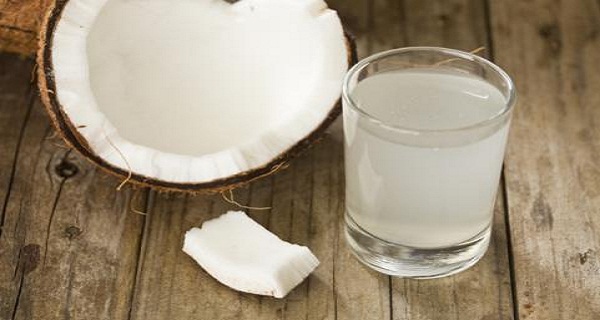
coco_water

Many people are claiming that coconut water has a magical effect on our health. You may have heard about the coconut oil and some benefits it offers. In this article you will learn about the biggest benefits of coconut water of which you may never heard.

– See more at: http://www.healthyfoodteam.com/do-you-know-what-will-happen-if-you-drink-coconut-water-for-7-days/#sthash.1Lg6xEVP.dpuf

A History of Using Electricity for Pain Management and Tissue Repair

giant-moray-eels   Electricity has been used for generations for health reasons. An original use was an electrical charge could create life like responses and the most famous was Galvani who applied an electrical charge to a dead frog’s leg and it would “jump”. What was this magical force? It was a static charge and when the frog leg was touched the electrical charge stimulated the dead muscle tissue. Since Galvani there have been multiple uses of electricity to maintain or restore health in people.

Today the same principle is used to establish if a nerve has been severed or is dead. A direct current electrical charge is supplied to test if the charge can go from the point of stimulation to the point of detection. An example would be applying a charge at the shoulder to see if the charge can be detected at the wrist. This helps determine if there is “healthy innervation”. If no heightened electrical charge is detected then the clinician goes closer to the point of stimulation testing to find where the charge is lost. Chances are excellent there is disease or destruction at this
point. This process helps determine if rehabilitation is possible or not.

For decades an electrical charge, described as “high voltage” or preferably “pulsed galvanic stimulation”, has been used to make bed sores, decubitus ulcers, heal. The tissue in the open wound is gray, or if dead, necrotic, and the wound is not healing. A simple 5 – 20 minute charge is applied to start or accelerate the healing. Upon the body being stimulated to repair itself the wound bed turns red/pinkish from the increase in blood vessels transporting oxygen and nutrients to the area and healing resumes. The same phenomena is observed using tens units or interferential therapy units to facilitate healing.

Today the same type phenomena is being used to jump start stem cells to replicate body parts, also has been observed to start the process of cell division for new life creation from the combining of sperm and embryo. The magical ingredient for many beginnings of cell division is a small electrical charge.

Another use of the same electrical phenomena has been to make bones heal, unionization. The typical incident where electrotherapy is used is the motorcycle crush accident where the leg bones are crushed in an accident. The leg is exposed to a car and the impact splinters the bone. After cleaning and setting the bones are not healing. In the past if the fracture does not heal and the leg is not functional then amputation was the result. Today a “bone growth
stimulator” may be used and is generally very successful if the patient had/has the proper nutritional content to allow the body to heal the bones. The practice of using electricity, such as the bone growth stimulator or interferential unit, has become so commonplace that often many different orthopedic bone repair procedures involve the application of some form of electrical device to increase the growth rate and decrease the rehab. time while also protecting the patient against new injury. When healing increases there is less harm of further or future injury. This is especially true with neck injuries and the cervical bones need to heal as rapid and functionally as possible.

One of the first uses of electricity was for pain control. The disease, trigeminal neuralgia, is often referred to as the “suicide disease” due to the pain becoming so unbearable that the patient had rather die than live in such misery. During Roman days there are records of patients suffering from this and the remedy for treating this excruciating pain was to put an eel in a bowl of water and have the patient then put their face into the bowl. The eel emitted an electrical charge, this was a reaction to the possibility of food for the eel and the reaction was to “stun the prey” so the eel could eat. The electrical discharge from the eel in the water also produced a sensitizing effect after the initial pain of the electrical discharge had worn off, and the patient was pain free for some time period.

Today the time period is referred to as “carryover pain relief” or “residual pain relief” and is the amount of time after interferential therapy stimulation a patient goes before, or if, the pain returns. Today the use of interferential machines, often referred to as pain machines, tends to increase the carryover pain relief time period by giving the patient the ability to treat when needed. With the freedom to treat as needed, which is before the pain really starts, then the pain is never allowed to start.

For as long as there have been humans on this earth there has been the use of electricity to aid the body in healing and to stop pain. Today with the advanced materials and knowledge of how to regulate electricity from a machine to the body, advanced concepts are emerging that are benefiting human health and eliminating human suffering.

One of the most recent advantages has been the ability for patients to have FDA approved electrical medical devices, such as interferential and tens machines and self treat as needed. Many of the primary fundamental causative agents for positive medical results comes from a basic understanding of electrical charges and how our body uses those charges needed and disposes of those not needed. It is characteristic of our daily food intake where we often consume foods that are inherently bad from a nutritional point of view, yet as long as we consume enough of the necessary nutrients our body continues to live, heal and avoid disease . And also the body uses the right foods and discharges the junk food with it’s unhealthy ingredients.

Next, our body seems to work the same way with positive and negative electrical charges by using the negative or positive charges as needed while allowing the opposite polarity to pass through and be discharged. It’s truly amazing of the resiliency of the human body and the ability to heal itself when given the electrical nutrients needed.

Time and time again the phenomenon of electrical charges causes positive change for our daily living and health.

Just consider it. Maybe, just maybe, with the advent of interferential units combined with tens units we’ve reached the point for many innovative therapies with devices that allow self treatment.

Health ~ The Mind Altering Effects of Chocolate

choco_faceNeed to do something important this afternoon?  Don’t take any chances – eat chocolate first.

According to researchers from Northern Arizona University, brain scans show dark chocolate boosts attention and alertness so you perform better.

In a study published in the journal NeuroRegulation[i] researchers used electroencephalography, or EEG technology to take brain images of 122 undergraduate students.  Brain activity was measured before eating chocolate, then five minutes and 60 minutes after eating chocolate.

Results showed that eating high cacao content chocolate – 60% cacao – made the brain more alert and attentive.

Results showed that eating high cacao content chocolate – 60% cacao – made the brain more alert and attentive.

The chocolate also increased blood pressure for a short time even though in the long run chocolate is known to be a vasodilator. It widens blood vessels and lowers blood pressure.

The authors noted that an earlier meta-analysis of randomized controlled trials had shown that over a two week period cocoa can lead to significant decreases in systolic and diastolic pressure.  Those decreases translate into a 20% reduction in strokes, a 10% reduction in coronary heart disease, and an 8% decrease in all-cause mortality.[ii]

In one study of 470 elderly men, those who ate about 2.3 grams of cocoa powder per day over five years had significantly lower blood pressure translating to a 45-50% decrease in cardiovascular and all-cause risk.[iii]

The authors attribute the vasodilation effects of chocolate to an increase in nitric oxide induced by the cacao flavanols.

The researchers also tested a combination of 60% cacao chocolate and 128 mg of L-theanine, an amino acid found in green tea.  Studies show L-theanine produces calming alpha waves in the brain and reduces blood pressure.

In this study, L-theanine added to the chocolate counteracted cacao’s short-term blood pressure spike.  Instead researchers noted an immediate drop in blood pressure.

The authors speculated on the possibility that millions of hypertension patients could eat a bar of this heart healthy chocolate every afternoon and their blood pressure would drop into the normal range, and they would be more alert and attentive.

The study was sponsored by the Hershey Company which provided the chocolate.  Currently there is no product on the market that combines dark chocolate with L- theanine.  In the meantime, you could enjoy a cup of green tea with your chocolate snack.

But make sure you eat dark chocolate.  The authors noted that a regular chocolate bar with high sugar and milk content won’t give you the same effect.  It’s only the high-cacao content chocolate that has the benefits.

In this study, students received one gram of chocolate for each kilogram of body weight.  That’s about the equivalent of a 2.4 ounce chocolate bar for a 150 pound person.

Chocolate has many other powerful medicinal properties.  Studies also show chocolate:

When choosing your chocolate make sure it’s:

1. Dark and Raw.  The darker the chocolate the less sugar is added.  Aim for at least 70% cacao content.  And raw cacao is even better.  The more cacao is processed, the more flavanols are destroyed.

2. Organic.  Non-organic cocoa may contain residues of the dangerous herbicide glyphosate (the active ingredient in Roundup), and other pesticides used in conventional farming.

3. Free Trade. Cacao crops are often unfairly traded, and have even been linked to child enslavement.

To learn more about the 40+ evidence-based benefits of chocolate visit Green Med Info’s page onChocolate Health Benefits.

[i] Michelle Montopoli, Larry C Stevens, Constance Smith, George Montopoli, Stephanie Passino, Somer Brown, Lena Camou, Katie Carson, Shannon Maaske, Kathleen Knights, William Gibson, Joyce Wu. “The Acute Electrocortical and Blood Pressure Effects of Chocolate.” Neuro Regulation, Vol 2., No. 1, 2015 http://www.neuroregulation.org/article/view/14652

[ii] Taubert, D., Roesen, R., & Schomig, E. (2007). “Effect of cocoa and tea intake on blood pressure: A meta-analysis.” Archives of Internal Medicine, 167(7), 626–634

[iii] Buijsse, B., Feskens, E. J. M., Kok, F. J., & Kromhout, D. (2006). “Cocoa intake, blood pressure, and cardiovascular mortality: The Zutphen elderly study.” Archives of Internal Medicine,166(4), 411–417. http://dx.doi.org/10.1001/archinte.166.4.411

—–
Margie King is a graduate of the Institute for Integrative Nutrition®.  A Wharton M.B.A. and corporate attorney for 20 years, she left the world of business to pursue her passion for all things nutritious. Margie is the author of Nourishing Menopause: The Whole Food Guide to Balancing Your Hormones Naturally. She is also a professional copywriter and natural health, beauty and nutrition writer. To contact Margie, visit www.NourishingMenopause.com.

Health ~ This Essential Oil Has Recently Been Proven To Kill Lung, Oral and Ovarian Cancer

Thymus vulgaris
Thymus vulgaris

Studies have found that the super herb thyme essential oil potently kills lung and breast cancer cells.

The essential oil of common thyme (Thymus vulgaris) which usually known as “oil of thyme” contains 20-54% thymol. Thymol belongs to a naturally occurring class of compounds known as “biocides”. Biocides are substances that can destroy harmful organisms. When thymus is used alongside other biocides, such as carvacrol, it has strong antimicrobial attibutes. Scientists tested thyme for its antibacterial activities in vitro toxicology against three human cancer cell lines. What they found is that thyme kills lung cancer cells, oral and ovarian cancer (i).

Thyme is a native to the Mediterranean, and was originally given the name “thyme” in Greece, they still use it in their cooking mixed with olive oil. Oil from the common herb thyme was discovered to kill up to 97% of human lung cancer cells. Recent research has shown that if you mix thyme and olive oil it will enhance the availability of hydroxytyrosol, olive oil’s most potent anti-cancer compound. Could this be the reason why Greeks have about half the rate of cancer compared to the rest of USA and the Europe. Thyme essential oil, has also been used in Ayurvedic and traditional medicine due to its strong antioxidant, anti-bacterial, and anti-fungal (killing yeast like Candida) properties. Also, oncologist researchers at Celal Bayar University in Turkey carried out a study to find what effect Wild Thyme (Thymus serpyllum) might have on breast cancer cells. They looked at the effects of Wild Thyme on cell death and epigenetic events in breast cancer cells. Epigenetics is the study of changes in gene expression caused by mechanisms that do not involve alterations in DNA sequence. They reported in the journal Nutrition and Cancer that Wild Thyme caused cell death in the breast cancer cells. The study authors concluded that Wild Thyme “may be a promising candidate in the development of novel therapeutic drugs for breast cancer treatment.” (ii)

Check out the video below and learn – Thyme Essential oil – distillation self produced.

Fresh thyme also makes a great addition to a healthy diet focused on organic fruits, vegetables and whole foods and can be used as a herb in cooking or simply prepared as a tea.

—–

References:

(i) ncbi.nlm.nih.gov

(ii) Effects of Thymus serpyllum Extract on Cell Proliferation, Apoptosis and Epigenetic Events in Human Breast Cancer Cells

——

Thank you for reading this article, if you found it interesting please share with family and friends by hitting the share links below.


Source:  www.naturalcuresnotmedicine.com

Health ~ 2-Minute Exercise to Undo The Spinal Damage Caused by a Lifetime of Sitting

2-minute-reclining-pose-to-help-undo-the-damages-of-sitting-11-600x375

If you work for up to eight hours on your computer, make sure you stretch your back to prevent any health problems that may appear as a result of your sedentary lifestyle.

Sitting mostly affects lower back, causing a huge pressure, which can later result in severe health problems. Watch the following video and perform these exercises on a daily basis.

You will notice some improvement right away, and do not worry if you cannot stretch as professionals do. It may take some practice before being able to master in doing these exercises.

HEALTH ~ Cinnamon and Honey: The Magic Mixture

Cinnamon_Honey

It is found that mixture of Honey and Cinnamon cures most of the diseases. Honey is produced in most of the countries of the world. Honey has been used as a vital medicine for centuries. Scientists of today also accept honey as a very effective medicine for all kinds of diseases. Honey can be used without any side effects for any kind of diseases. Today’s science says that even though honey is sweet, if taken in the right dosage as a medicine, it does not harm diabetic patients also. Here we present a list of diseases that can be cured by Honey and Cinnamon as researched by western scientists.

Arthritis 
Take one part honey to two parts of lukewarm water and add a small teaspoon of cinnamon powder, make a paste and massage it on the itching part of the body slowly. It is noticed that the pain recedes within a minute or two. Or arthritis patients may daily, morning and night take one cup of hot water with two spoons of honey and one small teaspoon of cinnamon powder. If drunk regularly even chronic arthritis can be cured. In a recent research done at the Copenhagen University, it was found that when the doctors treated their patients with a mixture of one tablespoon Honey and half teaspoon cinnamon powder before breakfast, they found that within a week out of the 200 people so treated practically 73 patients were totally relieved of pain and within a month, mostly all the patients who could not walk or move around because of arthritis started walking without pain.

Hair Loss 
Those suffering from hair loss or baldness, may apply a paste of hot olive oil, one tablespoon of honey, one teaspoon of cinnamon powder before bath and keep it for approx. 15 min. and then wash the hair. It was found to be very effective.

Bladder Infections 

Take two tablespoons of cinnamon powder and one teaspoon of honey in a glass of lukewarm water and drink it. It destroys the germs of the bladder.

Toothache 
Make a paste of one teaspoon of cinnamon powder and five teaspoons of honey and apply on the aching tooth. This may be done 3 times a day daily till such time that the tooth has stopped aching.

Cholesterol 
Two tablespoons of honey and three teaspoons of Cinnamon Powder mixed in 16 ounces of tea water, if given to a cholesterol patient, it reduces the level of cholesterol in the blood by 10% within 2 hours. As mentioned for arthritic patients, if taken 3 times a day any chronic cholesterol is cured. As per the information received in the said journal, pure honey taken with food daily relieves complains of cholesterol.

Cold and Cough 
Those suffering from common or severe colds should take one tablespoon lukewarm honey with 1/4 teaspoon cinnamon powder daily for 3 days. This process will cure most chronic cough, cold and clear the sinuses.

Infertility 
Since ancient times, it is commonly known, that the use of honey strengthens the semen of men. If impotent men regularly take two tablespoon of honey before sleeping, their problem will be solved. In China, Japan and Far-East countries, women who do not conceive and to strengthen the uterus have been taking cinnamon powder for centuries. Women who cannot conceive may take a pinch of cinnamon powder in half teaspoon of honey and apply it on the gums frequently throughout the day, so that it slowly mixes with the saliva and enters the body.

Upset Stomach 
Honey taken with cinnamon powder cures stomach ache and also clears stomach ulcers from the root.

Gas 
According to the studies done in India & Japan, it is revealed that if honey is taken with cinnamon powder the stomach is relieved of gas.

Heart Diseases 
Make a paste of honey and cinnamon powder, apply on bread instead of jelly and jam and eat it regularly for breakfast. It reduces the cholesterol in the arteries and saves the patient from heart attack. Also those who have already had an attack, if they do this process daily, are kept miles away from the next attack. Regular use of the above process relieves loss of breath and strengthens the heartbeat.

Immune System 
Daily use of honey and cinnamon powder strengthens the immune system and protects the body from bacteria and viral attacks. Scientists have found that honey has various vitamins and iron in large amounts. Constant use of honey strengthens the white blood corpuscles to fight bacteria and viral diseases.

Indigestion 
Cinnamon powder sprinkled on two tablespoons of honey taken before food, relieves acidity and digests the heaviest of meals.

Influenza 
It has been proved that honey contains a natural ingredient, which kills the influenza germs and saves the patient from flu. Longevity Tea made with honey and cinnamon powder, when taken regularly arrests the ravages of old age. Take 4 spoons of honey, 1 spoon of cinnamon powder and 3 cups of water and boil to make like tea. Drink 1/4 cup, 3 to 4 times a day. It keeps the skin fresh and soft and arrests old age. Life span also increases and even if a person is 100 years old, starts performing the chores of a 20 year old.

Pimples 
Three tablespoons of honey and one teaspoon of cinnamon powder paste. Apply this paste on the pimples before sleeping and wash it next morning with warm water. If done daily for two weeks, it removes pimples completely.

Skin Infections 
Eczema, ringworm and all types of skin infections are cured by applying honey and cinnamon powder in equal parts on the affected parts.

Weight Loss 
Daily in the morning, 1/2 hour before breakfast on an empty stomach and at night before sleeping, drink honey and cinnamon powder boiled in one cup water. If taken regularly it reduces the weight of even the most obese person. Also drinking of this mixture regularly does not allow the fat to accumulate in the body even though the person may eat a high calorie diet.

Bad Breath 
People of South America, first thing in the morning gargle with one teaspoon of honey and cinnamon powder mixed in hot water. So their breath stays fresh throughout the day.

Source:

http://www.curejoy.com/co…/cinnamon-honey-the-magic-mixture/

How to Control Uric Acid Levels in 10 Ways

Having an abnormal state of uric acid in your body can bring about numerous issues, for example, gouty joint pain, kidney stones and renal failure. It is additionally connected with hypertension and cardiovascular sickness.

Having an abnormal state of uric acid may be brought about from increased production of uric acid in the body or diminished discharge of it through the kidneys. A terrible eating regimen additionally contributes in having large amounts of uric acid. Abundance liquor, weight or an underactive thyroid are all components that can expand the levels of uric acid.

how-to-control-uric-acid-levels-in-10-ways-600x320

The ideal levels are:

  • Men: 3.4–7.0 mg/dL
  • Ladies: 2.4–6.0 mg/dL

Controlling your uric acid levels could be possible through activity, fasting and some natively constructed cures that help a considerable measure. Here are 10 home cures that will help you keep up your levels to the ideal qualities.

  1. Apple Cider Vinegar

Being a characteristic cleaning agent and detoxifier, apple fruit extract vinegar can help expel squanders like uric acid from the body. It contains malic acid that helps separate and dispense with uric acid. Apple juice vinegar additionally aides restore the antacid corrosive adjust in the body and gives mitigating and cell reinforcement advantages.

Include one teaspoon of crude, natural, unpasteurized apple cider vinegar to a glass of water. Drink this arrangement a few times each day.

You can progressively build the measure of apple cider vinegar up to two tablespoons every glass of water and proceed with this cure until your uric acid levels descend.

Note: Do not take apple cider vinegar in abundance as it may diminish potassium levels in the body. Additionally, it may meddle with diuretic medications.

  1. Lemon Juice

Despite the fact that it may appear that lemon juice will make the body more acidic, in reality, it creates an antacid impact and aides kill uric acid. Additionally, its vitamin C content likewise helps lower uric acid levels.

Squeeze the juice of a lemon into a glass of warm water. Drink it in the morning on an empty stomach. Proceed for a couple of weeks.

You can likewise take vitamin C supplements. For legitimate measurements and suitability, counsel your doctor.

  1. Cherries

Cherries and dark berries contain chemicals that help decrease uric acid levels. Also, purple and blue-shaded berries contain flavonoids called anthocyanins that help lower uric acid and decrease aggravation and solidness.

Eat one-half measure of fruits every day for a couple of weeks. You can likewise drink maybe some tart cherry juice for around four weeks.

Likewise, include blueberries, strawberries, tomatoes, bell peppers, and other vitamin C and cell reinforcement rich fruits and vegetables to your eating routine.

  1. Baking Soda

Baking soda, also called bicarbonate of soda, is exceptionally helpful for bringing down uric acid levels and decreasing gout torment. It aides in keeping up with the characteristic basic adjust in the body and makes the uric acid more solvent and simpler to flush out of the kidneys.

Blend one-half teaspoon of baking soda in a glass of water. Drink up to four glasses of this every day for two weeks. You can drink it each two to four hours.

Note: Do not take this cure all the time. Additionally, don’t take after this cure in the event that you experience the ill effects of hypertension. Individuals at the age 60 or even older ought not to drink more than three glasses of this baking soda arrangement a day.

  1. Olive Oil

Most vegetable oils transform into rank fats when warmed or handled. The smelly fats devastate the fundamental vitamin E in the body, which is crucial for controlling uric acid levels.

Settle on chilly squeezed olive oil instead of utilizing vegetable oil, margarine or shortening in your cooking and heating. Olive oil contains monounsaturated fats that stay stable when warmed. Also, it is high in vitamin E and cell reinforcements, and has mitigating advantages.

  1. Water

Drinking a lot of water aides in upgrading uric acid separating. It aides in weakening the uric acid and fortifies the kidneys to dispose of abundance sums from the body through pee.

In addition, drinking adequate water routinely can decrease the danger of repetitive gout attacks. In an internet-based study introduced at the 2009 yearly meeting of the American College of Rheumatology, analysts found that members who drank five to eight glasses of water in the 24-hour period before a conceivable gout attack had a 40 percent diminished danger of an attack contrasted and the individuals who drank stand out glass of water or less.

Drink no less than eight to 10 glasses of water for the duration of the day.

Likewise, incorporate more liquids and new, water-rich fruits and vegetables in your eating routine.

  1. A Low-Purine Diet

Purines are nitrogen-containing aggravates that separate into uric acid, accordingly expanding levels in the body. They are basically found in animal proteins.

Keep away from animal proteins like meat, organ meats, fish and poultry. Vegetables, yeast, mushrooms, asparagus and beans are additionally high in purine. Lager, as well, is rich in purine.

  1. High-Fiber Foods and Starchy Carbohydrates

Food high in dietary fiber helps in lowering uric acid levels by engrossing it and after that dispensing with it from the body. You can likewise eat food with bland starches as they contain just little measures of purine.

Entire grains, pieces of fruit, pears, oranges and strawberries are a few cases of high fiber food that you can join in your eating regimen. Bland sugars are nourishments like rice, entire grain pasta, tapioca (additionally called sabudana), quinoa, potato, oats and bananas.

You can likewise drink green papaya tea to keep the development of uric acid and treat uric acid and gout related issues. The papain in green papaya helps the body keep up a basic state and goes about as a calming agent.

  1. Dairy Products

Low-fat milk and dairy items have been connected with lower plasma urate focuses and diminished danger of gout. Skim milk, for instance, contains orotic acid that reductions the re-assimilation of uric acid and advances its evacuation through the kidneys.

Drink one to 5 mugs of skim milk a day.

Tofu, as well, can help modify plasma protein focus and increment uric acid freedom. Soy milk, then again, has been found to increment uric acid.

  1. Wheatgrass Juice

Wheatgrass aides restore alkalinity in the blood. Additionally, it is rich in vitamin C, chlorophyll and phytochemicals that advance detoxification. It is likewise a decent wellspring of protein and amino acids as a distinct option for eating animal protein.

Basically drink one ounce (two tablespoons) of wheatgrass juice blended with a crush of lemon juice every day until your uric acid level descends.

Extra Tips

  • Limit your liquor allow as it meddles with the end of uric acid.
  • Dodge high-fructose corn syrup or glucose-fructose syrup as they have a tendency to increment uric acid levels.
  • Get consistent practice and keep up a sound weight. It is accepted that greasy tissue has a tendency to increment uric acid creation.
  • Eat an adjusted eating regimen that is high in complex sugars and low in protein. Maintain a strategic distance from refined carbs, for example, white bread, cakes and confections.
  • Curtailed food high in fat as it brings down the body’s capacity to dispose of uric acid.


Sources/References:
www.healthyfoodteam.com
Other included sources linked in Healthy Food Team’s article –www.healthdigezt.com – Original Article Source

Health ~ 8 Simple Exercises For Knee Pain Relief


Read article here
Read article here

In this article we give you 8 exercises by Robin McKenzie, a physiotherapist from New Zealand. The McKenzie Method is the most thoroughly studied diagnostic treatment based on back pain. This program is an amazing way to treat knee pain and restore painless movement.

NOTE: For optimal results, do the following stretches 10 times every 2 hours until bedtime.