Everyone wants to have a healthy beautiful white smile. Unfortunately, many people, without knowing it, suffer from gingivitis, the mildest form of periodontal (gum) disease. If this condition is left untreated, it can lead to advanced gum disease called periodontitis. Sometimes gum disease is caused by another type of infection in the body, but with all other types of gum disease, it can generally be treated and healed in a matter of 1 to 2 weeks. If you have ever had to have root canals or have metal fillings, you, too, should follow these instructions for a healthy mouth and to stop gum disease before it starts.
Pecans, the second most popular nut in America, has been eaten and enjoyed by the Native Americans for eons. It’s packed full of healthy goodness, not to mention a delectable buttery taste.
Pecan nuts come from very large deciduous trees and are related to the hickory family. This tree is native to us here in America in the central and southern parts of the country and is now grown all over the world. Usually harvested October through December the raw nuts are then dehydrated so they can be stored.
It’s winter time, folks, and the holidays are right upon us! You know what this means; presents, food, family, friends, and the flu. It’s the kick in the butt no one wants to get, but nearly everyone does.
Or do you plan on going the toxic, mercury filled flu shot route? You know, it doesn’t have to be one or the other! You can avoid that kick in the butt and the injection by taking a proactive, yet natural approach to fending off the cold and flu bugs this year. How? By taking probiotics. Yep, probiotics.
One of the main functions of the good bacteria in your digestive system is to stimulate and improve your immune response. By keeping your gut bacteria healthy and strong, you will also be keeping your immune system healthy.
If you have ever seen that television series “The Killer Inside Me”, you realize that parasites are no joke. They can cause numerous health problems and even death.
The very thought of a parasite sucking up our blood or eating parts of our bodies is just plain gross and it might seem as if that’s something happens in “other” countries, not in America, but it’s much more common than most people think, even in developed countries such as Britain and the US. Anytime you do a detox program, be sure you add the necessary compounds needed to kill parasites. If you know you have picked up parasites, then do a detox while you are killing off the parasitic infection. Just think of killing parasites and detoxing your body as two parts of one program and something that should always be done together, like changing the oil and the oil filter in your car.
The body maintains a delicate acid-alkaline balance. Everything from healthy cells to cancer cells to soil quality and ocean life is affected by pH.
The body maintains a delicate acid-alkaline balance. Everything from healthy cells to cancer cells to soil quality and ocean life is affected by pH.The term pH stands for “potential hydrogen” which is the measure of hydrogen ions in a particular solution. In the case of our bodies, that solution refers to our body’s fluids and tissues.
The pH scale measures how acidic or alkaline a substance is and ranges from 0 to 14. Seven is neutral. Below 7 becomes increasingly acidic, above 7 increasingly alkaline.
Proper pH varies throughout your body for many reasons.
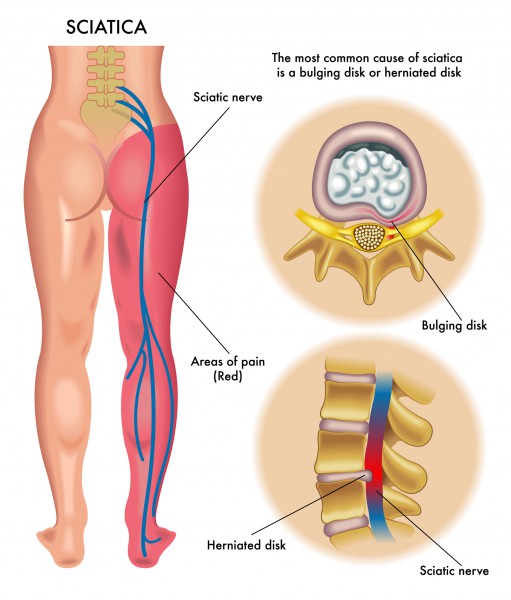
The sciatic nerve is one of the largest nerves in the body. It begins at the lower spine and runs through the buttocks and down the lower limb to the foot. This nerve provides movement, feeling and strength in the legs.
About 40% of the world’s population will suffer from sciatica at some point in their lives. Sciatica is a condition that can cause pain, numbness, tingling, and weakness in the lower limbs, but it is often mistaken for lower back pain or even leg cramps. It starts as a pressure or pinch on the nerve, and then continues as a pain down the back to the legs.
In this informative and timely video presentation, David outlines the facts about essential oils, and dispels many common misconceptions and claims that confuse what is scientifically known and how they should be properly used.
Some of the topics covered in this video:
– An overview of the historical uses of aromatic plants, and some of the early concepts of contagion and microbes
– A summary of some of the scientific research on the anti-microbial powers of essential oils
– How essential oils work biochemically
– The safe and effective daily use of essential oils
– An examination of the recent FDA warnings given to 2 large essential oil companies concerning the use of medical claims
We encourage you to watch this video presentation and share it with friends and family.
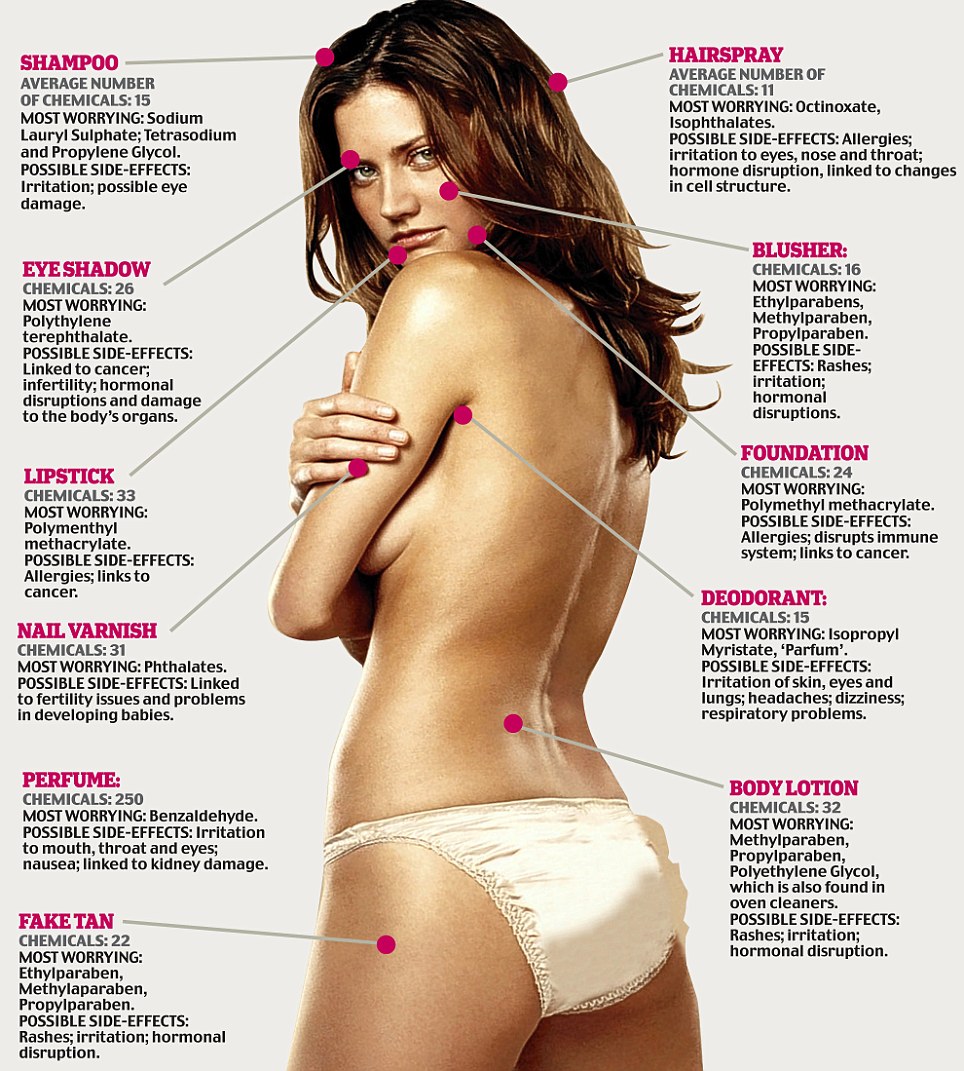
It’s not easy sifting through the endless lists on the internet about products that harm the body. Immersing yourself in research can become overwhelming, we know. So to free up some of your valuable time here are the top 12 cancer-causing products that may be lurking in your home. Thanks to the Cancer Prevention Coalition (CPC), Ralph Nader, and smartklean.com here are the 12 most common products manufactured by big business and found in American homes that you need to avoid.
DID YOU KNOW …
About the myriad of trade names for formaldehyde?
Formaldehyde is a highly toxic substance and one of the most common indoor air pollutants. It is a highly suspected cancer-causing agent. It is an irritant to the eyes, nose, throat and lungs and may cause a wide variety of reactions, including skin reactions, ear infections, headaches, depression, joint pain, dizziness, nausea, fatigue, vomiting, sleep disturbances, and many more. How many of these names would you have recognized as formaldehyde? Manufactures can legally use over 30 different trade names for this chemical, such as the following:
Check your house and do your homework by reading your labels. We all need to be aware of these environmental toxins affecting our health. Get safer products in your home for yourselves and your family NOW!
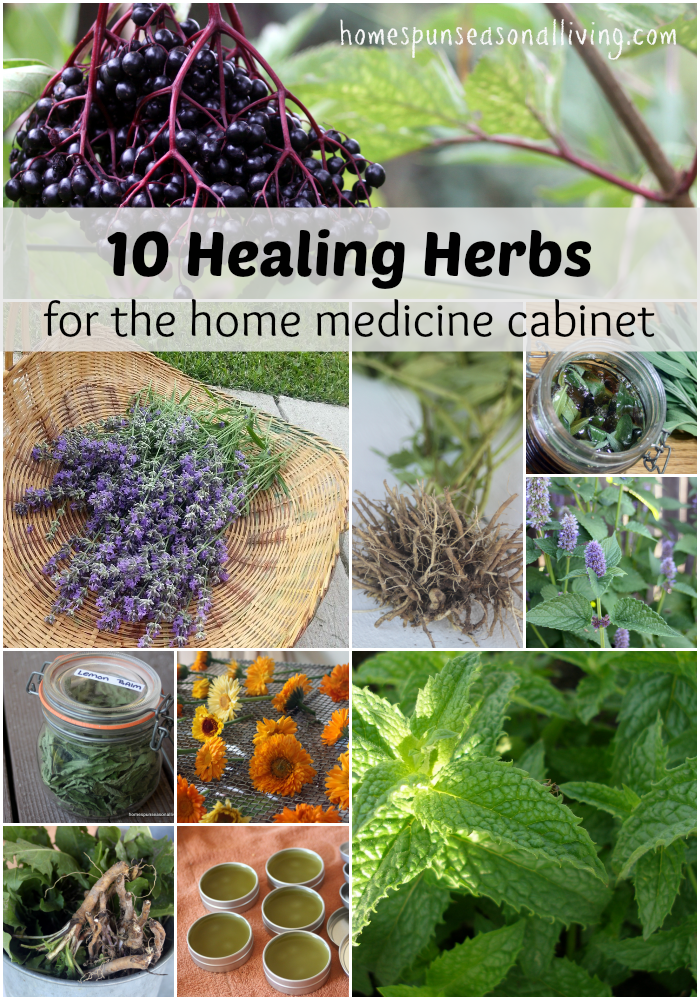
This list covers a wide area of herbal healing remedies, from lavender for dry dry skin to mint for an upset tummy, these remedies and herbs are a great alternative to turn to instead of store bought medicines!
Head over to this website now to start your herbal journey!
“I have never smoked a single joint in my life and I am an opponent of all drugs. Classical medicine is my calling. However when I faced lung cancer I tried everything”, says the doctor. He claims to be cured by cannabis oil.
The fifty-year old doctor from Serbia had been detected with lung cancer with metastasis to the lymph nodes 6 months ago. Stage two of three. He began to use cannabis oil. He fully supports the opportunity to legalize marijuana for medical purposes.
When was the last time you enjoyed fresh homemade baked bread?
In generations prior, our grandparents were consuming foods that were healthier than the pesticide ridden, genetically modified and hormone injected food that is rampant today. Before big box food companies became money hungry and clever, there was a plethora of foods being distributed that were pure and non manipulated.
To increase their profit margin, increase the longevity of produce lasting and increase the size of harvests, many companies today have resorted to methods like using heavy pesticides and genetically modifying plants to make their crops more resistant to bugs and more resilient against the elements. In other words, the focus shifting from creating healthful, quality foods to creating adulterated foods that endanger the health of the masses.
Over the years, the nutritional villain has been deemed many different things; two of which are fat and sugar. This was simply a way to direct attention away from the actual issue, which is the quality of our food. Merely all whole foods can be eaten in moderation with no health risks.
However, eating too much of foods that are pumped full of chemicals is the true health detriment. Our grandparents may have seemingly indulged too much; but the contrary is true. Our bodies need fat and sugar as two of the crucial macronutrients in our diets.
Thus, they might have eaten meals that have a significant fat and/or sugar intake; but their bodies were able to remain balanced and healthy because the pesticides, GMO’s and hormones from animal products were not an issue.
(Click on the above image to read the entire article.)
Based on “An Introduction To Biodynamic Agriculture”,
originally published in Stella Natura
What is Biodynamic Agriculture? In seeking an answer let us pose the further question: Can the Earth heal itself, or has the waning of the Earths vitality gone too far for this? No matter where our land is located, if we are observant we will see sure signs of illness in trees, in our cultivated plants, in the water, even in the weather.
Organic agriculture rightly wants to halt the devastation caused by humans; however, organic agriculture has no cure for the ailing Earth. From this the following question arises: What was the original source of vitality, and is it available now?
Biodynamics is a science of life-forces, a recognition of the basic principles at work in nature, and an approach to agriculture which takes these principles into account to bring about balance and healing. In a very real way, then, Biodynamics is an ongoing path of knowledge rather than an assemblage of methods and techniques.
Biodynamics is part of the work of Rudolf Steiner, known as anthroposophy – a new approach to science which integrates precise observation of natural phenomena, clear thinking, and knowledge of the spirit. It offers an account of the spiritual history of the Earth as a living being, and describes the evolution of the constitution of humanity and the kingdoms of nature. Some of the basic principles of Biodynamics are:
Broaden Our Perspective
Just as we need to look at the magnetic field of the whole earth to comprehend the compass, to understand plant life we must expand our view to include all that affects plant growth. No narrow microscopic view will suffice. Plants are utterly open to and formed by influences from the depths of the earth to the heights of the heavens. Therefore our considerations in agriculture must range more broadly than is generally assumed to be relevant.
Reading the Book of Nature
Everything in nature reveals something of its essential character in its form and gesture. Careful observations of nature – in shade and full sun, in wet and dry areas, on different soils, will yield a more fluid grasp of the elements. So eventually one learns to read the language of nature. And then one can be creative, bringing new emphasis and balance through specific actions.
Practitioners and experimenters over the last seventy years have added tremendously to the body of knowledge of Biodynamics.
Cosmic Rhythms
The light of the sun, moon, planets and stars reaches the plants in regular rhythms. Each contributes to the life, growth and form of the plant. By understanding the gesture and effect of each rhythm, we can time our ground preparation, sowing, cultivating and harvesting to the advantage of the crops we are raising. The Stella Natura calendar offers an introduction to this study.
The Life of the Soil
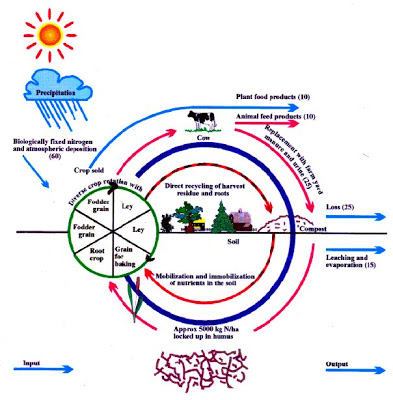
Biodynamics recognizes that soil itself is alive, and this vitality supports and affects the quality and health of the plants that grow in it. Therefore, one of Biodynamics fundamental efforts is to build up stable humus in our soil through composting.
A New View of Nutrition
We gain our physical strength from the process of breaking down the food we eat. The more vital our food, the more it stimulates our own activity. Thus, Biodynamic farmers and gardeners aim for quality, and not only quantity.
Chemical agriculture has developed short-cuts to quantity by adding soluble minerals to the soil. The plants take these up via water, thus by-passing their natural ability to seek from the soil what is needed for health, vitality and growth. The result is a deadened soil and artificially stimulated growth.
Biodynamics grows food with a strong connection to a healthy, living soil.
Medicine for the Earth: Biodynamic Preparations
Rudolf Steiner pointed out that a new science of cosmic influences would have to replace old, instinctive wisdom and superstition. Out of his own insight, he introduced what are known as biodynamic preparations.
Naturally occurring plant and animal materials are combined in specific recipes in certain seasons of the year and then placed in compost piles. These preparations bear concentrated forces within them and are used to organize the chaotic elements within the compost piles. When the process is complete, the resulting preparations are medicines for the Earth which draw new life forces from the cosmos.
Two of the preparations are used directly in the field, one on the earth before planting, to stimulate soil life, and one on the leaves of growing plants to enhance their capacity to receive the light. Effects of the preparations have been verified scientifically.
The Farm as the Basic Unit of Agriculture
In his Agriculture course, Rudolf Steiner posed the ideal of the self-contained farm – that there should be just the right number of animals to provide manure for fertility, and these animals should, in turn, be fed from the farm.
We can seek the essential gesture of such a farm also under other circumstances. It has to do with the preservation and recycling of the life-forces with which we are working. Vegetable waste, manure, leaves, food scraps, all contain precious vitality which can be held and put to use for building up the soil if they are handled wisely. Thus, composting is a key activity in Biodynamic work.
The farm is also a teacher, and provides the educational opportunity to imitate natures wise self-sufficiency within a limited area. Some have also successfully created farms through the association of several parcels of non-contiguous land.
Economics Based on Knowledge of the Job
Steiner emphasized the absurdity of agricultural economics determined by people who have never actually raised crops or managed a farm.
A new approach to this situation has been developed which brings about the association of producers and consumers for their mutual benefit. The Community Supported Agriculture movement was born in the Biodynamic movement and is spreading rapidly. Gardens or farms gather around them a circle of supporters who agree in advance to meet the financial needs of the enterprise and its workers, and these supporters each receive a share of the produce as the season progresses. Thus consumers become connected with the real needs of the Earth, the farm and the Community; they rejoice in rich harvests, and remain faithful under adverse circumstances.
There are seemingly endless choices when it comes to buying essential oils and for every oil, there are at least a dozen uses. From blends to the basics, here we’ll give you some great ideas for just what to do with that impressive collection growing in your cabinet.
1. Boost Cleaning Power of natural household cleansers with Orange, Lemon, or Grapefruit oil.
2. Deodorize Your Fridge with Lime, Grapefruit, Bergamont, or Lemongrass after cleaning or added to baking soda box
3. Freshen Trash Bins with Geranium, Grapefruit, or Lemon oil sprinkled into baking soda. Shake mixture into the bottom of cans and refresh as needed.
4. Deter Flying Insects with Peppermint, Lavender, Citronella, Lemongrass, or Rosemary oil around windows and doors
5. Disinfect Your Dish Sponge with Lemon oil between uses.
6. Freshen Bathrooms with Lemon, Grapefruit, Lavender, Rosemary, or Geranium oil in a diffuser.
7. Eliminate Lingering Food Odor with Clove, Cinnamon, or any citrus oil added to pots of simmering water
8. Infuse Your Shoes with Geranium, Basil, or Lavender oil to keep foot odor at bay.
9. Neutralize Pet Odor with Geranium, Lavender, or Lemon oil. Mix ten to twenty drops of essential oil in a small spray bottle filled with apple cider vinegar. Shake well before each use.
10. Refresh Carpets with Geranium, Lavender, Lemon, or Peppermint oil added to baking soda. Sprinkle mixture into carpet, let sit for at least 15 minutes, then vacuum up.
11. Dissolve StubbornSubstances like wax, oil, chewing gum, or glue with Lemon oil.
12. ScrubSinks with a mixture of Bergamot and Lime oils diluted in water.
13. Scent Your Vacuum Bag by dousing a cotton ball with your favorite essential oil and dropping it into the vacuum bag or filter.
14. Wash Fruit and preserve its freshness with Grapefruit oil.
15. Repel Spiders and Rodents by spraying Peppermint oil mixed in water around windows and doors. Douse a cotton ball with Peppermint oil and stuff into corners of windows where spiders may be able to enter. Use the same method anywhere you think rodents might be able to access your home.
16. Neutralize Paint Odor with 10 ml of Peppermint oil added to a can of fresh paint.
17. Scent Your Bath Towels by sprinkling a dozen or so drops of a favorite oil onto a small piece of terry cloth and toss it in the dryer with clean towels.
18. Remove Mites from Bedding with a few drops of Eucalyptus oil mixed with water and added to the washing machine.
19. Add Aroma to Your Fireplace by applying ten or so drops of essential oil to a dry log. Allow the oil to permeate the wood for at least a couple of days before burning.
20. Transform a Candle by adding a few drops of essential oil to the hot melted wax near the wick after the candle has been burning for a few minutes.
21. Freshen the Air by adding twenty drops of your favorite oil to a small spray bottle filled with water. Spray as desired and always remember to shake well before each use.
22. Lighten the Mood in a room with Lavender, Rose, Ylang Ylang, Roman Chamomile, or Orange oil added to a diffuser.
23. Relax Your Mind and Body by adding Chamomile, Lavender, Bergamot, or Cedarwood oil to your bath water.
24. Scent Your Whole Home with your favorite essential oil or blend of oils sprinkled onto the new furnace filter each month.
25. Remove Lingering Smoke Odor with Eucalyptus, Rosemary, and Tea Tree diluted in water in a small spray bottle. Shake before each use.
26. Stay Alert while driving or studying by inhaling the scent of any combination of Lavender, Sage, Frankincense, Lemon, Peppermint, Lemongrass, and/or Basil oils.
27. Unwind After a Hard Day by dropping Basil, Grapefruit, or Peppermint oil into a candle-powered oil burner.
28. Invigorate Your Office with Ylang Ylang, Basil, Orange, or Jasmine oil added to a diffuser.
29. Create a Relaxing Environment in your break room or lobby using Chamomile, Lavender, Bergamot, or Cedarwood in a diffuser.
30. Scent Letters and Cards with fragrant essential oils that complement a holiday or special occasion.
31. Liven Up Silk Flowers with a matching floral essential oil. Mix oil with water in a small spray bottle, shake well, and apply to flowers. Refresh as needed.
32. Cure Nausea with Ginger or Nutmeg oil. Rub a few drops on soles of feet and relax until nausea passes.
33. Soak Sore Feet in Peppermint oil added to an Epsom salt foot bath.
34. Bolster Your Immune System with Oregano oil rubbed on the bottoms of feet.
35. Relieve Menstrual Cramps with one part Clary Sage, Basil, or Rosemary oil mixed with four parts carrier oil. Massage into abdomen and cover with a warm compress for fifteen minutes. Repeat as needed.
36. Soothe a Headache by mixing two drops each of Peppermint, Eucalyptus, and Lavender oil per six drops of carrier oil. Massage into temples, behind ears, on back of neck, across forehead, and under nose for quick relief.
37. Open Your Airways by inhaling the vapor of Eucalyptus and Lavender oils mixed equal parts with a carrier oil. Rub onto chest before bed for a better night’s sleep.
38. Avoid Germs While Traveling by packing a small spray bottle containing equal parts Cinnamon, Clove, Eucalyptus, Lemon, and Rosemary oils diluted in water. Shake well before each use.
39. Stop Hair Loss with Burdock Root, Ginger, Hops flower, Lavender, Rosemary, Thyme, or Yarrow oils mixed with a carrier. For more information, check out the Top 10 Remedies for Thinning Hair.
40. Detoxify Your Body by soaking in a warm Epsom salt bath infused with Rosemary and Juniper oils.
41. Disinfect Cuts and Scrapes with Lavender or Tea Tree oil. Dilute one-to-one in a carrier oil for those with sensitive skin.
42. Reduce Fever by adding equal parts Sage, Frankincense, and either Peppermint, Eucalyptus, Pine, or Rosemary oil to a bath. Add the same oils to lukewarm water and sponge onto feverish skin.
43. Relieve Tension by massaging a few drops of Lavender oil under the ear just behind the jaw, into temples, and over stiff neck muscles.
44. Relax Tired Muscles with Eucalyptus, Sage, and Basil oils added to a warm Epsom salt bath.
45. Say “Goodnight” to Insomnia by sprinkling Chamomile and Lavender oils onto your pillow. Add several drops of both oils to a cotton ball and keep near your head while resting.
46. Loosen Stiff Joints with a couple of drops Wintergreen, Juniper, or Vetiver oil mixed with about a teaspoon of carrier oil. Gently massage into achy joints.
47. Protect Skin from Sunburn by mixing one part Myrrh oil, one part Carrot oil, and two parts Jojoba oil. Apply liberally for sun protection equivalent to SPF 30.
48. Deodorize Upholstery with Geranium, Lavender, Lemon, Peppermint, or Ylang Ylang oil in baking soda. Dust on, let set for a few minutes, then vacuum off.
49. Air Condition-Air Freshen by clipping a cotton ball in front of an air vent and adding a few drops of your favorite oil.
50. Have a Little Fun. Cut two identical pine trees out of green felt and another out of paperboard. Glue felt to both sides of paperboard and hang from your rear-view mirror. Scent with pine oil and refresh as needed.
Depression often has multiple causes, and these causes are generally intertwined — which means there is not just one way of dealing with it.
From what I’ve seen during 46 years of working with clients who are suffering from depression, medication has been the least effective treatment. In fact, many of my clients come to me because the medication isn’t working and is causing multiple detrimental side effects.
So what does cause depression, and what’s the best way to treat it? These are the five major causes of depression that I’ve discovered.
1. Emotional self-abandonment
The most common cause of depression is self-abandonment, both emotional and physical.
You emotionally abandon yourself when you judge yourself, allowing your programmed ego mind to be in charge, rather than your present, loving self.
When you turn to addictions to avoid and numb your feelings, you are emotionally abandoning yourself, and you may be physically abandoning yourself — depending on the addiction.
When you blame others for your feelings and try to make another responsible for your happiness, safety and self-worth, you are emotionally abandoning yourself.
If you treated an actual child this way, he or she would likely be depressed. The same thing happens on the inner level with your inner child.
2. Physical self-abandonment
You abandon yourself physically when you:
Regularly eat sugar and processed foods
Overconsumption of sugar likely contributes to depression, and most processed foods turn to sugar in the body. You are physically abandoning yourself when you don’t eat fresh, clean organic food.
Don’t get enough sleep
It’s also well known that a lack of sleep causes depression. When you aren’t disciplined enough to get adequate sleep — or you’re putting too much caffeine or other stimulants in your body, preventing sleep — you are physically abandoning yourself.
Don’t get adequate exercise
Studies indicate that exercise itself is often enough to decrease depression. When you are not disciplined enough to get regular and adequate exercise, you are physically abandoning yourself.
Don’t drink enough water
A lack of adequate hydration can cause both anxiety and depression. You are physically abandoning yourself when you don’t drink enough water. Try to drink a half ounce of water per pound of body weight per day.
Expose yourself to toxins
Consistently exposing yourself to toxins, such as chlorinated drinking water, GMO products, pesticides, food additives, asbestos or household mold, is physically self-abandoning and can cause or add to depression.
3. Unhealed trauma
Severe depression can result from unhealed trauma from childhood abuse and neglect, or from unhealed traumatic events that occurred as an adult. You’re abandoning yourself when you don’t do all you can to get the help you need to heal trauma.
There are many excellent trauma therapies currently available to support you in healing trauma. When you allow fear or self-judgment to get in the way of healing trauma, depression may result.
4. Lack of connection with others
Loneliness is often a major cause of depression. Keeping yourself isolated from others, or not doing all you can to meet like-minded people, is unloving to yourself. We are social beings and sharing with others is vital to our well-being.
Being in a disconnected relationship can be as lonely as being alone — and sometimes even lonelier. If you are often lonely in your relationship, then you need to find a way to get the help you need to either improve your connection with your partner or leave the relationship.
5. Over-reactive microglia
Microglia are cells in our brain that are part of our immune system. In his book, Total Recovery, Dr. Gary Kaplan says all trauma to the body — whether it’s from self-abandonment, abuse, illness, surgery, junk food, chemical exposure or environmental toxins — has a cumulative effect on the microglia.
When trauma has accumulated in the microglia, a single triggering incident, such as a minor surgery, can cause the microglia to become over-reactive, which then causes depression and chronic pain. All of the causes listed above can be contributing factors in causing the microglia to up-regulate. In order to down-regulate the microglia, you need to focus on healing each of the above issues.
Instead of avoiding these issues with medication, why not learn how to heal them? The results might amaze you!
As Hippocrates famously said, “Let thy food be thy medicine” — and what easier way to do that than by incorporating the top 36 foods for detoxing your body into your diet regularly? Foods truly can have a powerful cleansing effect on the body. They are more subtle than herbs or supplements, but they also taste good and can be consumed regularly and safely, which makes them ideal for long term health and wellbeing. Cleansing more slowly over time is gentler on the body and mind but still produce tangible results. By including detoxing foods in your diet daily, you will be setting yourself up for lifelong wellness. It’s truly simple and beautiful — food as medicine — how much easier does it get than that?
You have probably heard of seed saving, where you save a plant’s seeds or tubers at the end of a growing season to serve as the seed source for the following year. This is great because choosing the proper plants and practicing proper seed-saving methods gives you to a free, self-perpetuating garden year after year. Saving seed also means you can share seeds with friends and neighbors, so everyone can start growing their own.
Many people, however, are not as familiar with the concept of a personal seedbank. A personal seedbank is like seed saving on steroids. You save seed for the coming season’s planting, but you also bank seed for longer storage, just in case.
What that “just in case” might be varies. Some people have created a personal seedbank as insurance against crop failures. Others believe a personal seedbank is necessary in the event of a partial (or…
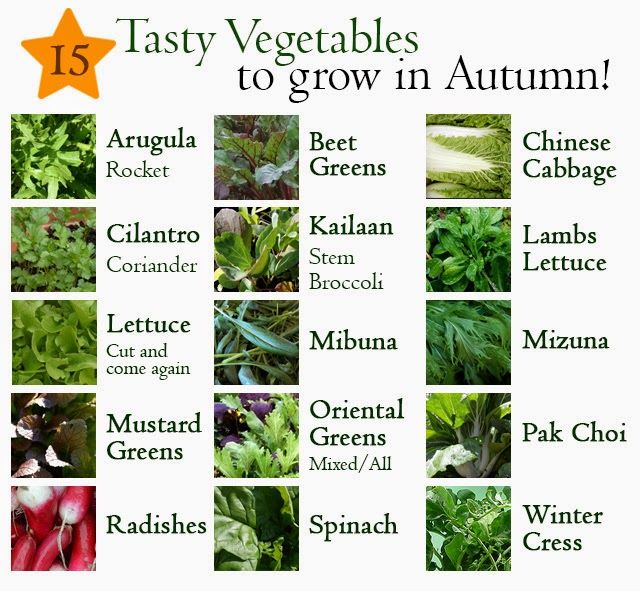
For me it’s been a tough year to find time for my allotment but on the other hand I’ve been growing loads of greens and herbs at home. Whether you’re a busy person or short of space, growing edibles in containers is an efficient way to garden. Place your pots on a balcony or the patio outside your kitchen door and you can have a steady and convenient supply of salad leaves throughout the summer and autumn. Bring them into a greenhouse or conservatory and you can continue the harvest throughout the cooler months.
Nutritional genomics or Nutrigenomics is a new science studying the relationship between human genome, nutrition and health
97% of the genes known to be associated with human diseases result in monogenic diseases, i.e. a mutation in one gene is sufficient to cause the disease
Modifying the dietary intake can prevent some monogenic diseases
Can eating broccoli prevent cancer? This could actually benefit carriers of the gene like GSTM1, but not others …
Carries of CYP1A2 gene could be at higher risk of a heart attack if they consume a considerable amount of caffeine
Studies have shown that the NAT2 acetylator genotype had a higher risk of developing colon cancer in people who consumed relatively large quantities of red meat
Consider #Coffee : A number of studies offer evidence that drinking java lowers heart-disease risk, most likely as a result of antioxidants and other beneficial compounds in coffee beans. But a few studies show heavy coffee drinkers having a higher than average risk of heart disease—leaving scientists scratching their heads. Nutrigenomics suggests an explanation. In people with the genetic variant that causes sluggish metabolism of caffeine, the stimulant sticks around in the bloodstream longer than usual, where it may disrupt normal heart rhythms and boost blood pressure, overwhelming any benefit. Quick metabolizers, on the other hand, clear the caffeine fast from their bloodstreams but still enjoy the benefits.
Type 2 #Diabetes offers another example. Several studies suggest eating too much #sugar and refined carbohydrates—foods linked with big jumps in blood sugar—can lead to type 2 diabetes. But when researchers look at large groups of subjects, no clear link emerges. The reason may be that only some people are #genetically sensitive to the effects of these foods on blood sugar.
#Cholesterol : Can nutrigenomics explain why some people’s cholesterol levels respond to a healthy diet and others’ don’t? Here, too, there are plenty of clues. Scientists have detected one gene variation that seems to enhance the health benefits of polyunsaturated fats, for example, giving people who possess it a bigger boost in good cholesterol when they eat a diet rich in plant oils. Another appears to make bad-cholesterol levels more likely to soar when people eat a high-fat diet. “Variants in a gene called APOE, which controls cholesterol metabolism, seem to be especially important,” Ordovas told me. People with one genetic pattern see a big drop in cholesterol levels when they switch to a healthier diet. Those with a slightly different pattern get almost no benefit at all.
A study conducted at Stanford University looked at the long-term effects of #weightloss using a few different diets assigned at random. Results showed that some participants lost weight on one type of #diet such as low-fat, while others did not. The study then tested participants’ #DNA for 3 specific gene variations and found that those using the best diet for their DNA lost as much as 2 1/2 times more weight than those not using their best DNA diet.
“It makes sense because our genes control hormone levels, enzyme levels – all the basic levels of #metabolism . And how we metabolize food determines what happens to the nutrients and calories we take in” – ays David Katz, MD, nutrition expert and founder of the Yale Prevention Center
Many common diseases, such as #obesity#cancer #diabetes and #cardiovascular diseases, are #polygenic diseases, i.e. they arise from the dysfunction in a cascade of genes, and not from a single mutated gene. Dietary intervention to prevent the onset of such diseases is a complex and ambitious goal
We don’t think of sesame seed paste as a ‘life saver,’ but new research shows it is capable of reducing blood markers of cardiovascular disease risk by 39% within only six weeks.
Sadly, in the Western world, when the average Joe thinks of protecting himself from heart disease, aspirin and statin drugs are often as high on the list – if not higher – than exercise and eating better. Through decades of intense marketing and miseducation millions have been made to think of the #1 killer as an inevitable force; one against which we fling pills and various pharmaceutical potions to ‘minimize risk,’ never to strike to the core of the problem and resolve it permanently.
We are constantly trying to restrict what we eat. Every day we hear about yet another food we should cut out completely, or we get berated for not catching onto the latest food fad fast enough. One of the recurring stories in the food tabloids is the evil of sugar, and while it is true that in general the overall sugar consumption of the human race has increased exponentially and no doubt has adverse effects of our health, it has also meant the defamation of less guilty subject, chocolate.
Mmm. Chocolate.
Unfortunately much of the chocolate that we find on the market today is not chocolate at all, but rather a flimsy syrupy substitute masquerading as the real thing. This trite treat has lost all of its original zest and surely too its mystique. Chocolate originated in the foothills of the Andes, in the Amazon and Orinoco basins of South America. The cocoa bean was deemed so valuable that it was used as a common currency before the Spanish conquest. Montezuma the Second, Emperor of the Aztec civilization (the story goes) drank nothing but chocolate. He enjoyed his royal beverage in a golden goblet, whipped into a mouth-watering froth and flavored with vanilla and spices. It wasn’t long before chocolate was introduced to the Europe, and it was soon revered as the delicacy among delicacies. Revered isn’t too strong a word either: chocolate’s Latin name, Theobroma Cacao literally means “food of the gods”.
The reason why chocolate was so highly regarded was the titillating sense of elevation that people originally experienced when partaking (and its ability to act as a powerful aphrodisiac was presumably also well noted). Today we know that the stimulating effects of chocolate come from the compound Theobromin, and that chocolate is a rich source of antioxidants which may well have anti-aging properties. Chocolate also contains high levels of flavonoids which are said to have a positive effect on the heart.
Recent studies done on the Kuna people, who consume large amounts of cocoa as part of their daily lives, found that they have significantly lower rates of heart disease and cancer, which should be unsurprising, as it has been linked to a reduction in blood pressure. The benefits of cocoa are even believed to extend to the brain’s abilities to learn and remember.
With all these incredible benefits at our chocolaty fingertips, it’s a wonder we don’t consume more of this charmed stuff. And after you tire of the cheap imitations, you’ll find that raw cocoa and dark chocolate products are readily available, and that they open up a whole new range of decadent culinary experiences. For instance, try adding a scoop of raw chocolate to your morning porridge. Chocolate can even be grated over salads, and adds a sensuous depth of flavor to a humble stew.
And the moral of this decadent tale? Don’t deprive yourself of the chance to savoir this godly delicacy, and say yes to the magic that is chocolate.
Click on image for Karta Purkh Singh Khalsa’s website
Traditional Chinese Medicine (TCM), alongside Ayurveda, is one of the two oldest established paradigms of herbal medicine that people still practice. “It is the second-largest medical system in the world after Western medicine,” according to Alan Tillotson, Ph.D., R.H., a Chinese herbalist in private practice in Wilmington, Delaware, and a prominent member of The American Herbalists Guild.
The history of Chinese herbalism is one of persistent and ongoing processes of observation and refinement of ideas in the real world. Centuries of formulation of theories, and testing of these theories in practice, have resulted in the system we recognize as Traditional Chinese Medicine today.
Fundamentally, the ancient sages concluded that “like increases like”. In other words, an external factor, when introduced to the body, will create a similar reaction in the body of the person experiencing the change. For example, going out into the cold weather will make your body cold. Battling the wind will make your metabolism instable. Eating heavy food will make your body heavy. This seems obvious on the surface, and it is ultimately pretty easy to grasp intuitively, but putting together all the intricacies of every possible effect of every possible natural medicine on every possible person is a daunting task. This metaphor of energetics creates a system that is complex enough to represent the tremendous complexity of the human being, yet simple enough in concept to be useful.
Energetic evaluation of the body is based on experiencing the body with the human senses. Since everyone experiences the world in subtly different ways, it takes centuries, potentially, for a consensus to develop among practitioners about any given remedy. It creates a structure in which herbs can consistently be identified and understood. According to energetic systems, including TCM, the sum total of an herb is the important consideration.
For example, we may know from modern science that an herb has antibacterial activity. We want to give that herb to treat an acute bacterial infection. But we also know that the herb tends to increase body temperature — it is “hypermetabolic, or “hot”. If the patient has a fever, or is a person who is particularly prone to develop inflammation that is difficult to control, we would think twice about using that specific herb. It might kill the bacterium very nicely, and treat the infection, but the whole person would be worse off as a net total than before we started. Instead, we would seek out an herb that would kill the infection, but which had a “cooling” energy. This difference in approach can make a world of difference in clinical practice, and gives us an invaluable tool in managing a case for the best in the long term, and in treating the person as a whole human being. We don’t want to make people better in the short run, while we make them worse in the long run.
The properties of herbs are collated systematically according to their energetics — taste, temperature, effect before and after digestion and similar factors.
The TCM system of health care begins with a differentiation of the individual’s energetic situation, starting with the most basic divisions, and extending the process of differentiation to a great degree of individuality.
TCM is based on the principle of unconditional, unifying energy of all phenomena. Called “qi” (pronounced “chee”), it is ephemeral, active, constantly changing and warm. Qi is vital energy, the basis for all organic life, and for all inorganic substances, as well. It is the animating force that gives us our capacity to move, think, feel, and work. When one is young and energetic, one has abundant qi, but as one’s qi declines with age, one becomes subject to degenerative diseases and lowered vitality. This concept of qi is the basis for the success of TCM in the area of health maintenance and longevity.
Qi is all about movement, evolution and change. It’s ephemeral, so we perceive its effects, not its substance. It is associated with movement, odor, sound and form. It is connected with the intuitive, unlimited and spiritual qualities of life. The great symbol of qi is the sun, the most unlimited source of energy we experience in daily life.
In the Chinese view, the primary principle of health is recognizing and promoting the flow of qi and eliminating its blockage. All TCM techniques, whether herbs, diet, acupuncture, or others, are ultimately aimed at balancing qi.
Each person is a garden in which doctor and patient together cultivate health. Every being has a unique ecology to be planted, tilled and tended. Like a gardener uses compost, water and weeding to grow robust plants, TCM uses acupuncture, herbs and food, seeking to tenderly nurture and nudge the entire garden back into harmony, to recover and prolong good health.
TCM views people as worlds in miniature, so it seeks to improve our capacity to balance and replenish our own capabilities. TCM minimizes the erosion of our soil by enriching it, makes the most of the flow of nutrients by increasing circulation, and helps avert blocks that obstruct the movement of bodily fluids and energies. Therefore, TCM anticipates problems by upholding our interior landscape.
Contrast that worldview with that of contemporary medicine, which looks for “busted” parts to replace. Typically, modern conventional medicine intervenes only after a crisis arises, whereas TCM aims to correct depletion and stagnation at earlier stages, avoiding greater problems later on.
While Chinese medicine excels at enhancing recuperative power, immunity, and the capacity for pleasure, work, and creativity, it can remedy ailments as well.
Creating Balance
According to Chinese cosmology, the whole of creation is born from the marriage of two opposite principles, Yin and Yang. Earth and Heaven, winter and summer, night and day, cold and hot, wet and dry, inner and outer, body and mind are reflections of this pairing of opposites. Creating and maintaining a harmony between these opposites means health, good weather, and good fortune, while disharmony brings disease, disaster, and bad luck. The entire aim of TCM is to restore harmony, in the world and in the body.
TCM is based upon a universal notion, expressed in nature in bi-polar terms Yin and Yang. Energies that characterize the complementary yet opposing materialization of all phenomena, yin and yang are the most basic divisions of energy in the universe. That which is above corresponds to a below; heat is complimented by cold, night is pursued by day. In all of manifest creation, qi is divided and apparent in duality.
The concept of yin and yang pervades all of traditional Chinese thought, not just in medicine, but in other forms of science and art as well. The concept of yin and yang is the idea that everything has its opposite.
We might think of this as two basic forces operating in nature. One force is an outward, expansive, linear, positive force that changes things. The other is an inward, contractive, downward, negative force that is hidden and unmanifest. The outward force is the yang force and is associated with heaven, light, up, daytime, male traits, function and so forth. The inward force is the yin force and is associated with such things as darkness, winter, nighttime, female traits and structure. All matter and energy in the universe can be represented on the spectrum of yin merging into yang. Health is yin and yang in balance.
Tasty Medicine
Taste is one way of deciding which herbs have the needed actions. It represents a sensory method of ascertaining the biochemical action of a given herb or food, in other words, the remedy’s “energy”.
The five tastes include pungent (spicy), salty, sour, bitter and sweet.
We do not actually have taste buds for pungent. It is called a taste, but is more correctly an irritation of the tissues- a mouth sensation. Spicy taste stimulates, warms and dries dampness. It is used in conditions of excess dampness (mucus) in the lungs, which are associated with the metal element. Spicy taste increases digestion, circulation and secretions.
Salty foods, such as seaweeds, bring out the yang flavor of food and provoke a yang effect in the body. Salty taste retains fluids, moistens tissue and supports the kidneys. It softens masses, such as cysts and benign tumors, and relaxes muscles.
Sour taste is found in foods containing organic acids. Sour taste enhances digestion, especially of proteins. It also enhances liver function. Sour also dries mucus, tightens tissues, stimulates digestion and promotes bile flow. The concept of sour taste also incorporates the tissue sensation of astringent, which is the tightening and drying of tissue.
Bitter taste is, all in all, detoxifying and anti-inflammatory. Bitter remedies can be used in small doses before meals as a digestive preparation, stimulating secretion of digestive juices and provoking both appetite and efficient digestion. Bitter taste is cold, so is used to “clear heat”- reduce inflammation, in Western terms.
Sweet taste is nourishing, so is used to tonify. It builds, feeds and harmonizes tissue. The waste byproducts of this building process are acid, though, so we need to be conscious of keeping the body pH balanced when we are in a rebuilding, healing, phase.
Turn up the Heat
An important factor of Chinese energetics is the temperature of the disease. TCM classifies herbal actions based on temperature, and the concept includes influence on metabolic rate and effect on actual body temperature.
A good way to understand the broad concept of temperature is a spectrum from hypometabolic (cold) to hypermetabolic (hot). As the metabolic rate increases, more calories per minute are burned. Temperature and all other biological processes increase. The opposite is true for the cold direction.
Less extreme conditions are classified as warm or cool and most illnesses fall in this range.
TCM always has something to offer for nagging chronic complaints that bother us. Western medicine may heroically rescue us, but Chinese medicine can protect and preserve our health every day. These two great systems offer a great set of complements to each other.
A native North American wildflower, evening primrose is commonly called “evening star” because its bright yellow flowers open at dusk. It’s a favorite with herb and native plant gardeners and can grow up to 4 feet or 5 feet tall. The seeds are a rich source of gamma-linolenic acid (GLA), an essential fatty acid with wide-ranging health benefits.
Native Americans valued evening primrose both as a food and a medicine. They applied a poultice made from the plant to bruises to relieve swelling and made a tea from the root to ease coughs. European settlers took their cue from native peoples, using evening primrose to treat wounds, coughs, sore throats, and digestive upsets. In the 1980s, evening primrose soared in popularity when researchers discovered that its seeds are a gold mine of GLA, a compound rarely found in plants.
Evening primrose oil (EPO) is used to treat a variety of health problems caused by a deficiency in essential fatty acids. These include premenstrual syndrome (PMS), fibrocystic breast pain, eczema, rheumatoid arthritis, and diabetic neuropathy. Other conditions that evening primrose may help treat include high blood pressure, high cholesterol, attention deficit disorder, and ulcerative colitis.
GLA is essential for the production of prostaglandins, hormonelike compounds that influence almost every bodily system. Prostaglandins decrease inflammation, stimulate hormone production, and help regulate blood clotting, blood pressure, and PMS-related water retention. If the body is working properly, it converts omega-6 fatty acids (found in vegetable oils, nuts, and seeds) into GLA. But many factors can inhibit this conversion, including advancing age; a diet compromised by excessive saturated fats, trans fats, or alcohol; zinc deficiency; and some medical disorders, such as diabetes, multiple sclerosis, and cancer. Evening primrose oil supplies a direct source of GLA to the body, bypassing the need for conversion of omega-6s and helping to restore healthy levels of prostaglandins
In colonial America, evening primrose seeds were often substituted for poppy seeds in baking. More compelling is research supporting the use of evening primrose oil for diabetic neuropathy, a common complication of long-term diabetes that causes nerve damage in the legs, feet, arms, and hands. One double-blind study evaluated 111 people with diabetes for one year who were given either 480 mg of GLA daily or a placebo. The researchers found that those given GLA experienced significant improvement in neurological symptoms (Diabetes Care, 1993, vol. 16, no. 9).
GLA also has shown promise as an effective treatment for rheumatoid arthritis, a painful and disfiguring type of inflammatory arthritis. In a 1996 study, researchers gave 56 patients with active rheumatoid arthritis GLA supplements or a placebo. After six months of treatment, participants taking GLA experienced reduced arthritic symptoms (Arthritis and Rheumatism, 1996, vol. 39, no. 11).
(NaturalNews) An increasing number of people in the world today are becoming intolerant to gluten, which is a specific protein found in wheat, rye and barley. Sensitivity to the gluten protein now affects roughly 18 million Americans. This growing problem has given rise to an ever-expanding industry of “gluten-free” products. In recent years, the “gluten-free” label has become an advertising ploy, backed by little accountability. Now, the FDA is getting involved, announcing new regulations to enforce the meaning of the “gluten-free” label.
A neuroscientist Paul D. MacLean was the person who revealed this theory after years of research in 1960s. He proposed that our brain was not one, but three interconnected brains, each one representing a distinct evolutionary step and each one possessing its own intelligence.
Each brain is connected to one another by the nerves and operates with a distinct intelligence, subjectivity, and memory. Emotion and thought, therefore, comes from two different but inter-connected brains – limbic brain (emotion) and neocortex (conscious thought).
In what position do you sleep most often? It turns out this is a very important question. Getting enough sleep is the most important thing – but did you know that how you sleep can also impact your health? – Click on the image, above, to read more.
You May be Surprised or Shocked by this Video about Milk or,
Then again, if you are informed about the hazards of milk, especially homogenized, pasteurized, loaded with hormone and anti-biotic milk, this comes as no surprise.
I personally gave up drinking milk a long time ago. I do occasionally have some cheese or butter, but certainly not everyday.
I have several friends who have an allergy to dairy. This is beyond just lactose intolerance. What about the proteins that are in the milk?
There are a lot of people who might have an issue with milk sensitivity and don’t even realize it. For a self experiment, I am going to avoid dairy for 3 weeks. That means cutting out cheese, yogurt, butter and all milk products. That means reading food labels carefully.
Personally, I haven’t had a glass of milk in over a decade. I haven’t missed it one bit.
There are much better and healthier sources of calcium:
leafy green vegetables
broccoli, kale, spinach
Salmon, sardines
Sesame seeds,
blackstrap molasses
corn tortillas
almonds
oranges
Milk is not the only source of calcium on the planet. This list of calcium containing foods contains some good healthy options.
Milk is certainly on the “Acidic” side of the alkaline diet chart.
Goat milk product are a better option for some people. Others are better off giving up milk and dairy altogether. Sometimes self experimentation is the best way to figure out just what is right for you.
Raw Goat Milk is slightly alkaline. Almond Milk is an excellent alkalizing choice. Almond milk also has much less chance of food allergy/sensitivity issues.
Check out what Dr. Hyman has to say about dairy and inflammation on the Dr. Oz show.





















 Hālau 'Aha Hui Lānākila