Daily Words of the Buddha for September 20, 2017

Pāli Word a Day for September 20, 2017 — tappetar — one who satisfies, a giver of good things

Yo ca vassasataṃ jīve
apassaṃ udayabbayaṃ
ekāhaṃ jīvitaṃ seyyo
passato udayabbayaṃ.

Better it is to live one day
seeing the rise and fall of things
than to live a hundred years
without ever seeing the rise and fall of things.

Dhammapada 8.113
The Dhammapada: The Buddha’s Path of Wisdom, translated from Pāli by Acharya Buddharakkhita

Daily Words of the Buddha for September 19, 2017

Pāli Word a Day for September 19, 2017 — anamatagga — without beginning or end, epithet of saṃsāra “whose beginning and end are alike unthinkable”

Yo ca vassasataṃ jīve
dussīlo asamāhito
ekāhaṃ jīvitaṃ seyyo
sīlavantassa jhāyino.

Better it is to live
one day virtuous and meditative
than to live a hundred years
immoral and uncontrolled.

Dhammapada 8.110
The Dhammapada: The Buddha’s Path of Wisdom, translated from Pāli by Acharya Buddharakkhita

Daily Words of the Buddha for September 18, 2017

Pāli Word a Day for September 18, 2017 — upasama — stillness, calm

Apādakehi me mettaṃ,
mettaṃ dvipādakehi me;
catuppadehi me mettaṃ,
mettaṃ bahuppadehi me.

I have love for the footless,
for the bipeds too I have love;
I have love for those with four feet,
for the many-footed I have love.

Aṅguttara Nikāya 4.67
Gemstones of the Good Dhamma, compiled and translated by Ven. S. Dhammika

Daily Words of the Buddha for September 17, 2017

Pāli Word a Day for September 17, 2017 — anārambha — the exertionless

Māvamaññetha pāpassa, “Na mantaṃ āgamissati.”
Udabindunipātena, udakumbhopi pūrati.
Bālo pūrati pāpassa, thokaṃ thokampi ācinaṃ.

Think not lightly of evil, saying, “It will not come to me.”
Drop by drop is the water pot filled.
Likewise, the fool, gathering it little by little,
fills oneself with evil.

Dhammapada 9.121
The Dhammapada: The Buddha’s Path of Wisdom, translated from Pāli by Acharya Buddharakkhita

Daily Words of the Buddha for September 16, 2017

Pāli Word a Day for September 16, 2017 — atituṭṭhi — extreme joy

Yo sahassaṃ sahassena
saṅgāme mānuse jine,
ekañca jeyyamattānaṃ
sa ve saṅgāmajuttamo.

Though one may conquer
a thousand times a thousand people in battle,
yet one indeed is the noblest victor
who conquers oneself.

Dhammapada 10.103
The Dhammapada: The Buddha’s Path of Wisdom, translated from Pāli by Acharya Buddharakkhita

The Buddhic Mind

Happy novice Buddhist monk looking out the window at Indian village monastery in Inle Lake, Shan State, Myanmar (Burma).

“Calmness of mind does not mean you should stop your activity. Real calmness should be found in activity itself. We say, “It is easy to have calmness in inactivity, it is hard to have calmness in activity, but calmness in activity is true calmness.”

― Shunryu Suzuki


Source:  Zen Mind, Beginner’s Mind: Informal Talks on Zen Meditation and Practice

Daily Words of the Buddha for September 15, 2017

Pāli Word a Day for September 15, 2017 — ajjavatā — straight forwardness, integrity, honesty

Santaṃ tassa manaṃ hoti, santā vācā,
ca kamma ca, sammadaññā,
vimuttassa, upasantassa tādino.

Calm is one’s thought, calm one’s speech,
and calm one’s deed, who, truly knowing,
is wholly freed, perfectly tranquil and wise.

Dhammapada 7.96
The Dhammapada: The Buddha’s Path of Wisdom, translated from Pāli by Acharya Buddharakkhita

Daily Words of the Buddha for September 14, 2017

Pāli Word a Day for September 14, 2017 — aññātar — one who knows, a knower of dhamma

Sabbattha ve sappurisā cajanti.
Na kāmakāmā lapayanti santo.
Sukhena phuṭṭhā atha vā dukhena
na uccāvacaṃ paṇḍitā dassayanti.

The good renounce (attachment for) everything.
The virtuous do not prattle with a yearning for pleasures.
The wise show no elation or depression
when touched by happiness or sorrow.

Dhammapada 6.83
The Dhammapada: The Buddha’s Path of Wisdom, translated from Pāli by Acharya Buddharakkhita

Daily Words of the Buddha for September 13, 2017

Pāli Word a Day for September 13, 2017 — sukhādhivahaṃ — brings happiness, bliss

Selo yathā ekaghano vātena na samīrati,
evaṃ nindāpasaṃsāsu na samiñjanti paṇḍitā.

Just as a solid rock is not shaken by the storm,
even so the wise are not affected by praise or blame.

Dhammapada 6.81
The Dhammapada: The Buddha’s Path of Wisdom, translated from Pāli by Acharya Buddharakkhita

Daily Words of the Buddha for September 12, 2017

Pāli Word a Day for September 12, 2017 — vītasoka – vīta + soka = free from + grief — free from sorrow, grief, mourning

Hitānukampī sambuddho
yadaññamanusāsati,
anurodhavirodhehi
vippamutto tathāgato.

When the Buddha teaches others
he does so out of compassion,
because the Tathagata is wholly freed
from both favour and aversion.

Saṃyutta Nikāya 1.150
Gemstones of the Good Dhamma, compiled and translated by Ven. S. Dhammika

The Buddhic Mind

“When a rainbow appears vividly in the sky, you can see its beautiful colors, yet you could not wear as clothing or put it on as an ornament. It arises through the conjunction of various factors, but there is nothing about it that can be grasped. Likewise, thoughts that arise in the mind have no tangible existence or intrinsic solidity. There is no logical reason why thoughts, which have no substance, should have so much power over you, nor is there any reason why you should become their slave.” ~ Dilgo Khyentse Rinpoche

Daily Words of the Buddha for September 11, 2017

Pāli Word a Day for September 11, 2017 —  anuvāta — a forward wind, the wind that blows from behind, a favorable wind

Carañce nādhigaccheyya
seyyaṃ sadisamattano,
ekacariyaṃ daḷhaṃ kayirā;
natthi bāle sahāyatā.

Should a seeker not find
a companion who is better or equal,
let one resolutely pursue a solitary course;
there is no fellowship with the fool.

Dhammapada 5.61
The Dhammapada: The Buddha’s Path of Wisdom, translated from Pāli by Acharya Buddharakkhita

Daily Words of the Buddha for September 10, 2017

Pāli Word a Day for September 10, 2017 — tejin — having light or splendour, shining forth, glorious

Candanaṃ, tagaraṃ, vāpi uppalaṃ, atha vassikī —
etesaṃ gandhajātānaṃ —
sīlagandho anuttaro.

Of all the fragrances —
sandal, tagara, blue lotus and jasmine —
the fragrance of virtue is the sweetest.

Dhammapada 4.55
The Dhammapada: The Buddha’s Path of Wisdom, translated from Pāli by Acharya Buddharakkhita

We’re not part of Nature, we are Nature. #IRMA | I AM HERE

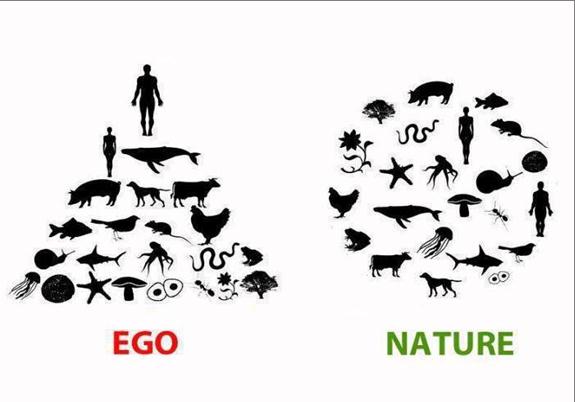
Nature is ultimately beyond the control of the human mind. Volcanic eruption, hurricane, earthquake, drought or plague can make the whole grandiose form of humanity impotent in a day. We are helpless in nature, just as we are helpless in the fate of birth and death. Because we are afraid, we create a separation. We talk of nature as if the human being were not part of it; as if our bodies and minds were not mammalian, as if we were independent and separately existing from the sun, the moon, or even the oxygen in the air. Nature is a “thing” outside of our cities, and sometimes showing up in the cracks in the concrete. Often, it is only noticed when there is a natural dsaster, such as the present devastation of hurricanes sweeping the US. Because we only respect it when it puts our lives in danger, we miss its resource, we stop listening to it and we deny ourselves the source of all we are in body, mind and heart. Nature is increasingly conceived as a threat to our sanity, our health  […]


Source: We’re not part of Nature, we are Nature. #IRMA | I AM HERE

Daily Words of the Buddha for September 09, 2017

Pāli Word a Day for September 09, 2017 — titikkhati — to bear, endure, stand

Jayaṃ ve maññati bālo
vācāya pharusaṃ bhaṇaṃ,
jayañcevassa taṃ hoti
yā titikkhā vijānato.

The fool thinks one has won a battle
when one bullies with harsh speech,
but knowing how to be forbearing
alone makes one victorious.

Saṃyutta Nikāya 1.189
Gemstones of the Good Dhamma, compiled and translated by Ven. S. Dhammika

Daily Words of the Buddha for September 08, 2017

Pāli Word a Day for September 08, 2017 — tiṇṇa — one who has reached the other shore (fig.), gone through, overcome, one who has attained nibbāna

Uttiṭṭhe! Nappamajjeyya!
Dhammaṃ sucaritaṃ care.
Dhammacārī sukhaṃ seti
asmiṃ loke paramhi ca.

Arise! Do not be heedless!
Lead a righteous life.
The righteous live happily
both in this world and the next.

Dhammapada 13.168
The Dhammapada: The Buddha’s Path of Wisdom, translated from Pāli by Acharya Buddharakkhita

Tibet’s Secret Temple: The Long-Hidden Tantric Murals of Lukhang Palace – Adept Initiates

Tibet’s Secret Temple:  The Long-Hidden Tantric Murals of Lukhang Palace

On an island in a pond behind the Potala Palace in Lhasa, Tibet sits the Lukhang Temple, or “Temple to the Serpent Spirits,” a secret meditation space created by the Dalai Lama in the 17th century. For hundreds of years, this temple was closed to anyone but the Dalai Lama himself. Vibrant murals covered its walls, depicting yogis in impossible-looking poses, gurus and kings, crystals surrounded by rainbows, and the vagina that gave birth to the world. Used to initiate Dalai Lamas into yogic and tantric practices in the Dzogchen school of Tibetan Buddhism, very few got to see these murals. Now, though, images of these long-hidden murals are accessible the world over, thanks to American photographer Thomas Laird, who in the spring of 1986 was the first to ever shoot inside this sacred chamber. A new exhibit at London’s Wellcome Collection, Tibet’s Secret Temple: Body, Mind and Meditation in Tantric Buddhism, puts life-size digital facsimiles of the Lukhang’s murals and their esoteric teachings on display. The temple itself was constructed as a three-dimensional mandala, a sacred geometrical shape representing the Buddhist universe, with three tiers represent the […]

Source: Tibet’s Secret Temple: The Long-Hidden Tantric Murals of Lukhang Palace – Adept Initiates


Daily Words of the Buddha for September 07, 2017

Pāli Word a Day for September 07, 2017 — accantapariyosāna — the absolute end

Yo mātaraṃ pitaraṃ vā,
jiṇṇakaṃ gatayobbanaṃ —
pahu santo na bharati
taṃ parābhavato mukhaṃ.

Though being well-to-do,
not to support father and mother
who are old and past their youth —
this is a cause of one’s downfall.

Sutta Nipāta 1.98
Everyman’s Ethics: Four Discourses by the Buddha (WH 14), translated by Narada Thera

Daily Words of the Buddha for September 05, 2017

Pāli Word a Day for September 05, 2017 — akutobhaya — that which has nothing to fear from anywhere

Kāyamuniṃ vācāmuniṃ,
manomunimanāsavaṃ,
muniṃ moneyyasampannaṃ.
Āhu ninhātapāpakaṃ.

Silent in body, silent in speech,
silent in mind, without defilement,
blessed with silence is the sage.
One is truly washed of evil.

Itivuttaka 3.67
Gemstones of the Good Dhamma, compiled and translated by Ven. S. Dhammika

Daily Words of the Buddha for September 04, 2017

Pāli Word a Day for September 04, 2017 — anāvattin — one who does not return

Manopakopaṃ rakkheyya;
manasā saṃvuto siyā.
Manoduccaritaṃ hitvā,
manasā sucaritaṃ care.

Let one guard oneself against irritability in thought;
let one be controlled in mind.
Abandoning mental misconduct,
let one practice good conduct in thought.

Dhammapada 17.233
The Dhammapada: The Buddha’s Path of Wisdom, translated from Pāli by Acharya Buddharakkhita

Daily Words of the Buddha for September 02, 2017


Kāyappakopaṃ rakkheyya;
kāyena saṃvuto siyā.
Kāyaduccaritaṃ hitvā,
kāyena sucaritaṃ care.

Let one guard oneself against irritability in bodily action;
let one be controlled in deed.
Abandoning bodily misconduct,
let one practice good conduct in deed.

Dhammapada 17.231
The Dhammapada: The Buddha’s Path of Wisdom, translated from Pāli by Acharya Buddharakkhita

Daily Words of the Buddha for August 30, 2017

Murex Ramosus

Anupubbena medhāvī, thokaṃ thokaṃ, khaṇe khaṇe,
Kammāro rajatasseva,
niddhame malamattano.

One by one, little by little, moment by moment,
a wise one should remove one’s own impurities,
as a smith removes dross from silver.

Dhammapada 18.239
The Dhammapada: The Buddha’s Path of Wisdom, translated from Pāli by Acharya Buddharakkhita

Daily Words of the Buddha for August 28, 2017

Pāli Word a Day for August 28, 2017 — parama — the ultimate

Na tena paṇḍito hoti
yāvatā bahu bhāsati.
Khemī, averī abhayo
‘‘paṇḍito’’ti pavuccati.

One is not wise
because one speaks much.
One who is peaceable, friendly and fearless
is called “wise”.

Dhammapada 19.258
The Dhammapada: The Buddha’s Path of Wisdom, translated from Pāli by Acharya Buddharakkhita

Daily Words of the Buddha for August 27, 2017

Pāli Word a Day for August 27, 2017 — karaṇīya — something that should be done

Sukho viveko tuṭṭhassa,
sutadhammassa passato.
Abyāpajjaṃ sukhaṃ loke —
pāṇabhūtesu saṃyamo.

Solitude is happiness for one who is content,
who has heard the Dhamma and clearly sees.
Non-affliction is happiness in the world —
harmlessness towards all living beings.

Udāna 2.11
Gemstones of the Good Dhamma, compiled and translated by Ven. S. Dhammika

Daily Words of the Buddha for August 26, 2017

Pāli Word a Day for August 26, 2017 — jita — conquered, subdued, mastered, victory

Paradukkhūpadhānena,
attano sukhamicchati
verasaṃsaggasaṃsaṭṭho,
verā so na parimuccati.

Entangled by the bonds of hate,
one who seeks one’s own happiness
by inflicting pain on others,
is never delivered from hatred.

Dhammapada 21.291
The Dhammapada: The Buddha’s Path of Wisdom, translated from Pāli by Acharya Buddharakkhita

Daily Words of the Buddha for August 25, 2017

Pāli Word a Day for August 25, 2017 — anoma — not inferior, superior, perfect, supreme

Mattāsukhapariccāgā
passe ce vipulaṃ sukhaṃ,
caje mattāsukhaṃ dhīro,
sampassaṃ vipulaṃ sukhaṃ.

If by renouncing a lesser happiness
one may realize a greater happiness,
let the wise one renounce the lesser,
having regard for the greater.

Dhammapada 21.290
The Dhammapada: The Buddha’s Path of Wisdom, translated from Pāli by Acharya Buddharakkhita