



By Bevin Cohen
I’ve long been amazed by the generous bounty offered to us by Mother Nature. Even as a young boy picking wintergreen berries in the woods, I just couldn’t believe that these tasty treats were available for me to enjoy, in quantities greater than I could ever consume, and the only cost was an afternoon in the shady forest, harvesting the luscious fruits as I listened to the melodious whistling of the birds and the occasional scurried sounds of a startled chipmunk or squirrel.
As an adult, my appreciation for Nature’s endless gifts has only deepened, and I find 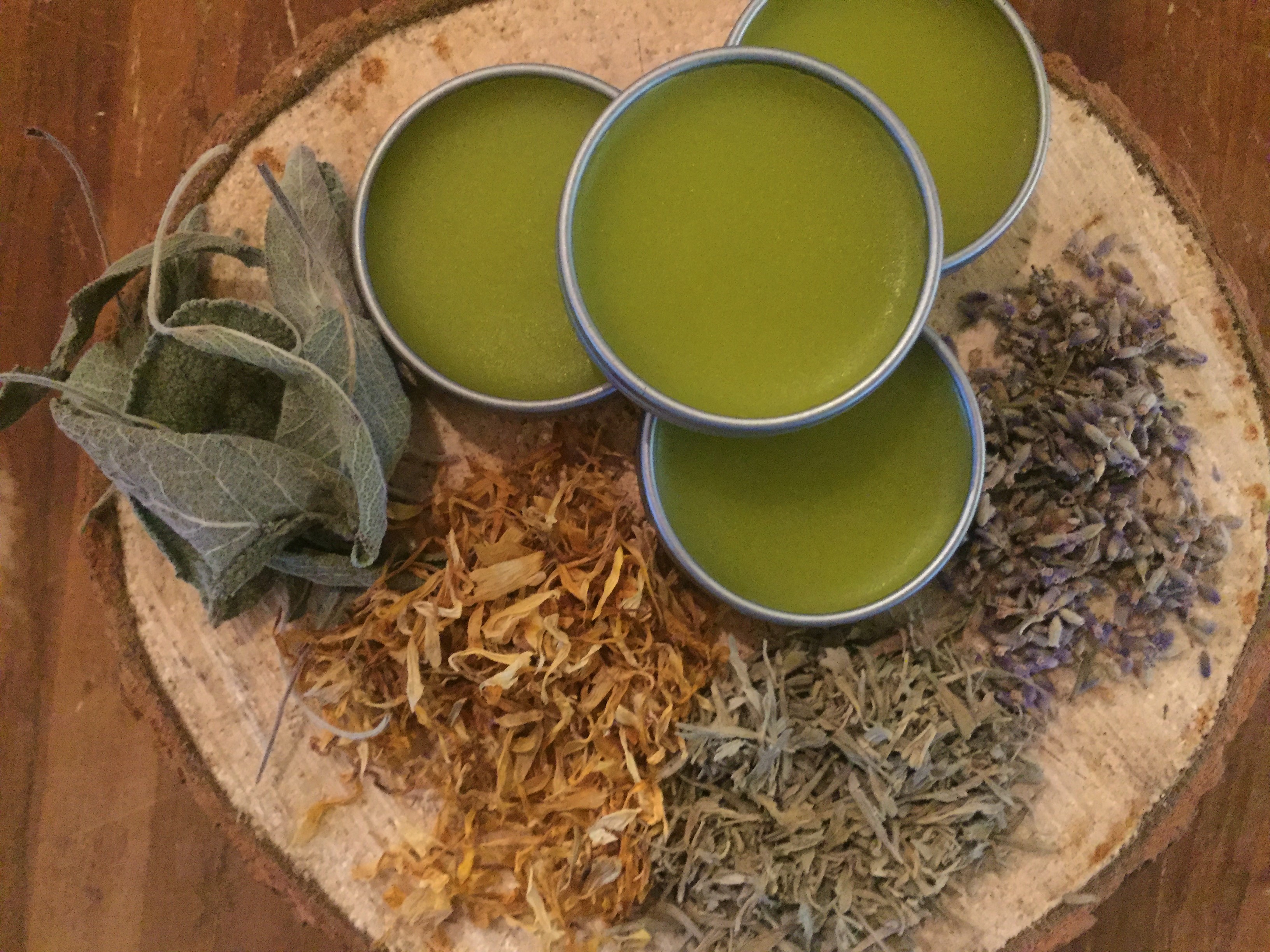 myself preaching her message of abundance to anyone willing to listen. Through my work as an author, herbalist, and educator, I’ve been placed in a unique position to share my knowledge, experiences, and passion with audiences the world over, and the core of my message has always remained the…
View original post 517 more words

Self-love is the ability to be good to yourself, no matter who is or isn’t good to you. As your self-worth elevates by treating your heart to the friendship, support, honor, and validation you deserve, you become less resonant with those who say one thing and do another, make promises only to break them on a regular basis, or take their unprocessed pain out on you. When self-love is active, you are able to honor anyone’s potential, while not placing yourself in toxic partnerships from a standpoint of “what if”.
In self-love, you are able to have a point of view, establish healthy boundaries, and utilize the power of your voice — all from the graceful power of an open heart.
In self-love, you don’t need the agreement of others to set yourself free or anyone’s permission to be as you wish.
Instead, you just need time and space to align with your true essence– cheering, cherishing, and accepting your way into an unwavering depth of clarity, confidence, and inspired action that only your love can activate in you. In time, other members of your soul tribe will appear and what often calls them forward into your reality is how consistently you are willing to emotionally support yourself.
This is why it is essential to love yourself more, not less. Not just as a modality in response to emotional triggers, but as an embodied living practice that becomes as essential to your soul as your breath is for the body. And, when knowing how each “I love you” simultaneously sends blessings of light to every heart on a quantum level, you come to realize the most direct way to heal yourself and transform the planet occurs within the same heart-centered space.


Although statistics show that people over the age of 65 have an increased risk of contracting COVID-19 and dying from complications due to underlying conditions, it appears that it has more to do with nutritional status than age alone. It’s true that the older we get, the more nutritional deficiencies we may have, primarily because of poor dietary choices throughout life.
Unfortunately, nutrition is often overlooked in favor of pharmaceuticals and other medical interventions. But diet plays a critical role in fortifying the immune system and in helping the body fight off and overcome infections such as COVID-19.

The Foundation of a Healthy Immune System
Often missing in public health discussions around immunity and infection are nutritional strategies to encourage the optimal function of the immune system. In spite of the long history and tradition of botanical medicine—supported by a large body of scientific data—herbs are rarely mentioned as useful…
View original post 2,261 more words
Never has it been more important and urgent to regenerate your body and build robust immunity than now, in the midst of our global health crisis.
Acquiring the right knowledge about plant allies, and how to source and prepare them, can be life-changing for you and your family.
Some of the plants and fungi of our immediate natural environment offer remarkable healing power. Plants contain a myriad of compounds that can nourish, balance, and support immune function, thereby increasing your body’s built-in resistance to disease.
Join Plant Medicine for Modern Epidemics Summit, where you’ll discover how plants can purify, protect, and support us — as they sharpen our minds, extend our lives, and deepen our connection with this blessed planet.

The summit includes presentations by more than two dozen leading natural medicine experts, health practitioners, and inspiring…
View original post 266 more words
Sit back and relax with this soothing ambient sleep music composed by Zac. Healing deep sleep music to beat insomnia, anxiety, overthinking and worrying. Breathe with the circle to easily lower stress and cortisol levels.
Insomnia can be detrimental to our physical and mental health. With the help of peaceful sounds and carefully selected frequencies this video can help you overcome even the most severe sleeping difficulties.

Businesses invest in employee perks, so why shouldn’t homeworkers get the same benefit? Here are 5 self-care habits to get into.
Source: 5 self-care habits to get into if you work from home – MOO Blog
Master Song, (English Name: Zak) an authentic and professional Kung-Fu/Wushu Master, a genuine elite trainer & coach from Shaolin, China. He has been training, performing and teaching Kung-Fu/Wushu for 25 years and specialises in Traditional Shaolin Kung-Fu, Contemporary Wushu, Sanda (Kick Boxing), Qigong & Tai Chi.
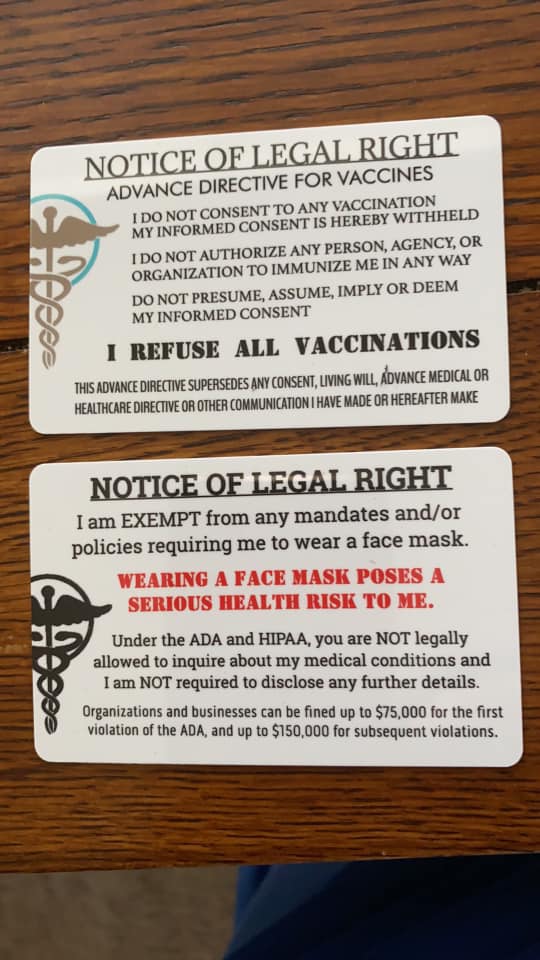
Sign and carry your written Advance Care Directive for Vaccinations and Masks in the form of these cards in your wallet. Yep, this works exactly like a HIPPA Advanced Care Directive that dictates to medical personnel what measures/procedures they can do to your body.
You know the “virus” is a huge smokescreen for other actions happening in our world that are intended to harm the People. Breathing in your own CO2 is just the beginning of bringing that harm to you personally and every person you care about. There are natural remedies that cure most individuals of what is otherwise a cold or flu bug. There are already answers … a cure (Hydrochloriquine, or drinking Tonic Water for the Quinine) … but remaining in abject fear only perpetuates the harm that people like Bill Gates and Dr. Fauci want to spread to YOU.
Stand in your power. Take back control over your body. Do not allow Big Brother Government (whether local or federal) to take control over the one thing that was always and only yours: your physical body. These are ideas definitely worth considering … including all the moral ramifications that kick in when you relinquish your Freedom entirely.
The Choice is yours. Where do you stand with everything happening in our world now??

Research shows that most people spend up to 50 percent of their time in their heads – a tendency that does nothing to increase our happiness and in fact has been proved to be detrimental to it. Instead of being habitually consumed by thoughts of the past or of trying to control the future, mindfulness is a way of engaging with the present moment. It’s a mode of being that helps increase clarity and peace of mind.
It is often in the more repetitive, day-to-day activities that we find ourselves switching into auto-pilot. So why not embrace these moments and see them as an opportunity to be more mindful? Do not to worry about trying to clear the mind of any thoughts or feelings. Instead, try and see yourself taking a back seat; witnessing the thoughts and emotions as they come and go. If you find yourself getting distracted, simply bring your attention back to the physical senses and focus your attention back on the activity itself.
Unmindful: Vague awareness of the sensation of water as you step into the shower. A daily battle with the temperature control trying to work out why the temperature never quite hits the spot. Within seconds your mind wanders back to that episode of American Idol last night. Was Simon Cowell wearing a wig? Is his hair naturally that glossy? I wonder where he gets those high-waisted trousers from…?
Mindful: You become aware of how good the warm water feels as it washes over your skin. Being mindful of the smell of the shower gel, and the sensation your hands passing over your skin; being mindful to set the temperature before you step in the shower; mindful of thoughts cropping up; mindful of how much water you’re using; and mindful of the noise of the water coming to a halt.
2. Being Mindful whilst Brushing your Teeth
Unmindful: Brushing your teeth furiously, whilst noticing your reflection and bemoaning the appearance of that spot that seems to have cropped up from nowhere. Running around the house with the toothbrush hanging out of your mouth, trying to prepare breakfast, pack today’s lunch whilst hunting out those ever elusive car keys.
Mindful: Becoming mindful of the taste and texture of the toothpaste; mindful of the sensation of your feet on the bathroom floor; mindful of the way that your arm moves to direct the brush across your teeth; mindful of each and every tooth.
3. Being Mindful on your Commute
Unmindful: You’re squashed into the train or bus in a way that you didn’t think was humanly possible. The resentment builds as you move through the journey and people launch themselves into the space as though the world is coming to an end and this is the only route to safety. You find yourself holding your breath because you can’t bear the lethal cocktail of body odour and cheap perfume, wishing that you could magically transport yourself to that swim-up bar in the Caribbean you’re gazing at in the newspaper..“Tropicana drinks are free…”
Mindful: Being mindful of the people around you and recognising that they too might be feeling the same discomfort; mindful of the environment as a whole and your resistance to it; mindful of trying to fast forward to dreamt up situations, of escaping the present moment; mindful of the journey and how it feels – is the ride bumpy or is it comfortable and smooth?
4. Being Mindful while Washing Up
Unmindful: You approach the sink with a heavy heart and set about frantically washing the dishes, trying to get the whole thing over with in as little time as possible. You select the pieces of cutlery you know will cause the least amount of bother (the sieve and that greasy pan come last, obviously!) You find yourself day-dreaming out of the window half aware of that sharp knife lurking at the bottom of the sink. You catch sight of your cat purring smugly from the comfort of the sofa. Wouldn’t it be great to be the cat…
Mindful: Becoming aware of the sensations as soon as your hands hit the warm and soapy water; mindful of how you clean the dishes, taking your time to make sure each one of them is thoroughly cleaned; mindful of what’s going on around you without getting wrapped up in the storylines; mindful of the satisfaction of a job well done.
5. Being Mindful in the Queue
Unmindful: You stand twitching, full of impatience in the queue. You look at your phone and scan aimlessly through old emails and texts, searching for something, anything that might distract you from the boredom of waiting. You sigh loudly when you notice someone fumbling with their purse at the cashier desk. Can’t these people be more prepared? You feel around your bag getting everything out and ready, and realise that you’ve left your credit card on your desk after paying for that concert ticket…
Mindful: You set off mindful and quietly prepared for what you’ll need; mindful of how your mood changes when you first catch a glimpse of the queue for the bank; mindful of how you stand, your breath and where any tensions are as you scan through your body; mindful of the tendency to distract yourself from the present moment; and mindful of how you interact with the people around you.


An experimental gene therapy seems to have staved off a young boy’s Duchenne muscular dystrophy, suggesting new treatments could be on the way. […]
Source: Gene Therapy Lets Boy With Muscular Dystrophy Walk Again
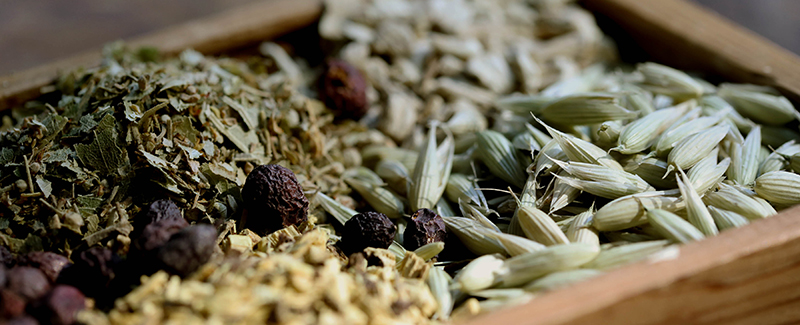
In Traditional Chinese Medicine, summer is the time of Fire and Heart. Support movement, activity, expression and joy with Gan Mai Da Zao Tang. […]
Source: Traditional Chinese Medicine (TCM) Formula for Summer Wellness
By Peggy Riccio

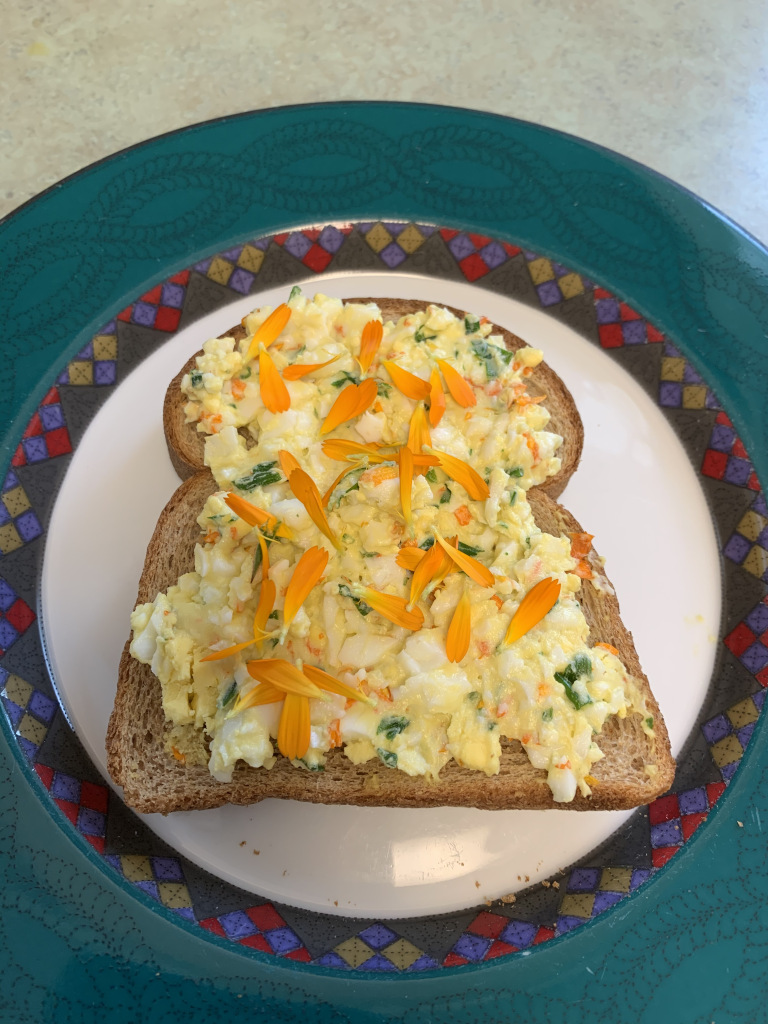
During this time of “unintentional pausing” I have been diving even deeper into the world of herbs. I am growing a wider variety of herbs, watching herbal webinars and cooking demonstrations, and experimenting in the kitchen. Recently, I learned that flowers from culinary herbs are edible. “Edible” in this case simply means one can eat them — not that they are necessarily “tasty.” However, because the flowers are edible, regardless of their taste, they can be used for botanical color and decoration. Think of a painter’s palette with each paint symbolizing a culinary herb in your garden. Think of how that flower can add color and interest to your meals and beverages. Imagine how the flower would look whole, separated, or even minced. The following are great for adding botanical color.
View original post 568 more words

 While on a volunteer trip in Orlando, Florida, I was desperate for bug spray. In the middle of December, the mosquitoes nibbled on any exposed skin they could find, leaving me and the rest of the unprepared Maryland native participants with patches of red swollen bumps on our ankles and arms. Our guides, a retired couple who volunteers with the state parks, became our heroes on the second day of the trip. During our lunch break, the husband saunters over to us, carrying a branch from a nearby shrub and states, “This is spicebush. Crush its leaves and rub it onto your arms. Keeps the bugs away and helps the itch.” Immediately, we passed the branch around, ripped the leaves off the branch, crumpled them, and rubbed the lemon-peppery scented oil onto our skin.
A couple years later, I would learn that spicebush (Lindera benzoin)…
View original post 547 more words
By Debbie Boutelier, HSA Past President & GreenBridgesTM Chair

It’s summer and the living is easy for our pollinators. There is an abundance of blooming plants from which to choose. A little here, a little there, moving pollen around from plant to plant and increasing the abundance. It’s glorious now, but come later in the year, it will not be as easy. Our little miracle workers will be struggling to get enough to eat. I’m also reminded as I watch these miracle workers in action that all of this is threatened, and without our help a lot of the abundance may disappear forever.
What can we do to ensure that these summer miracles continue? We can construct GreenBridgesTM that will provide places of respite and offer safe passage for our native plants and our pollinators. The Herb Society of America offers a program to do just that. Get…
View original post 554 more words
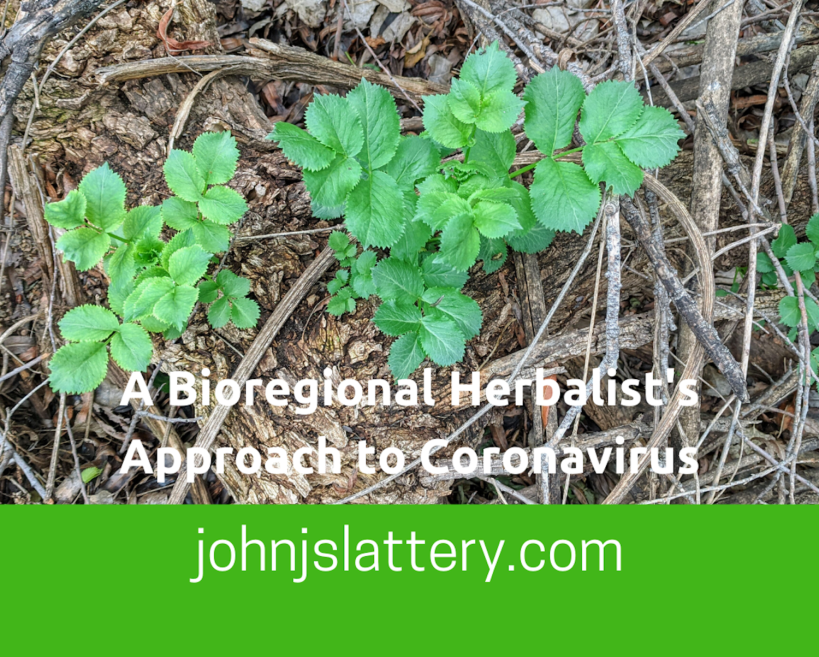
So I thought I’d take some time to write about some of the herbs that I feel will be important upon exposure to CoV-2, but first, to help put some of this in perspective.

Mexican elder leaf (Sambucus mexicana, syn. S. cerulea subsp. mexicana, syn. S. cerulea, etc.)
Elder s one that is often brought up in any discussion of viruses. Not only does elder help prevent attachment through inhibition of neuraminidase, but it also protects ACE-2 making it exceptionally important at the early stages of prevention and limiting the initial impact of the virus. Another aspect of the elder’s effect on humoral immunity is to increase T cell production. This is important due to the virus’ effects on the dendritic cells of the lungs as the progression advances. This hinders…
View original post 1,386 more words
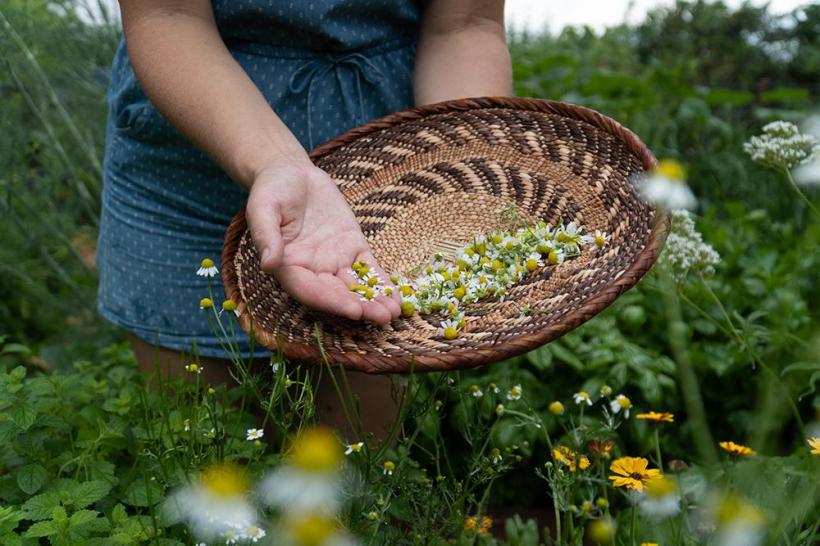
That’s the promise I made at the start of the season. It will be a daily ritual, a practice to keep me in tune with the growth and health of the garden, and a sure way not to miss a bit of garden gossip. Like a bustling city full of honking horns, buses whizzing by, and street conversations half-heard, there is endless activity to observe. Cucumber beetles rapidly working to destroy the cucumber crop. Birds ravishing the cherry tree singing loudly to their friends to join in on the feast. Earthworms patiently turning the soil underfoot. Never a dull moment, but you need to go to the garden every day to keep up.
That has been my biggest lesson gardening this year. If you’re not there to enjoy the first ripe strawberries, the squirrels will be happy to take on that…
View original post 1,040 more words
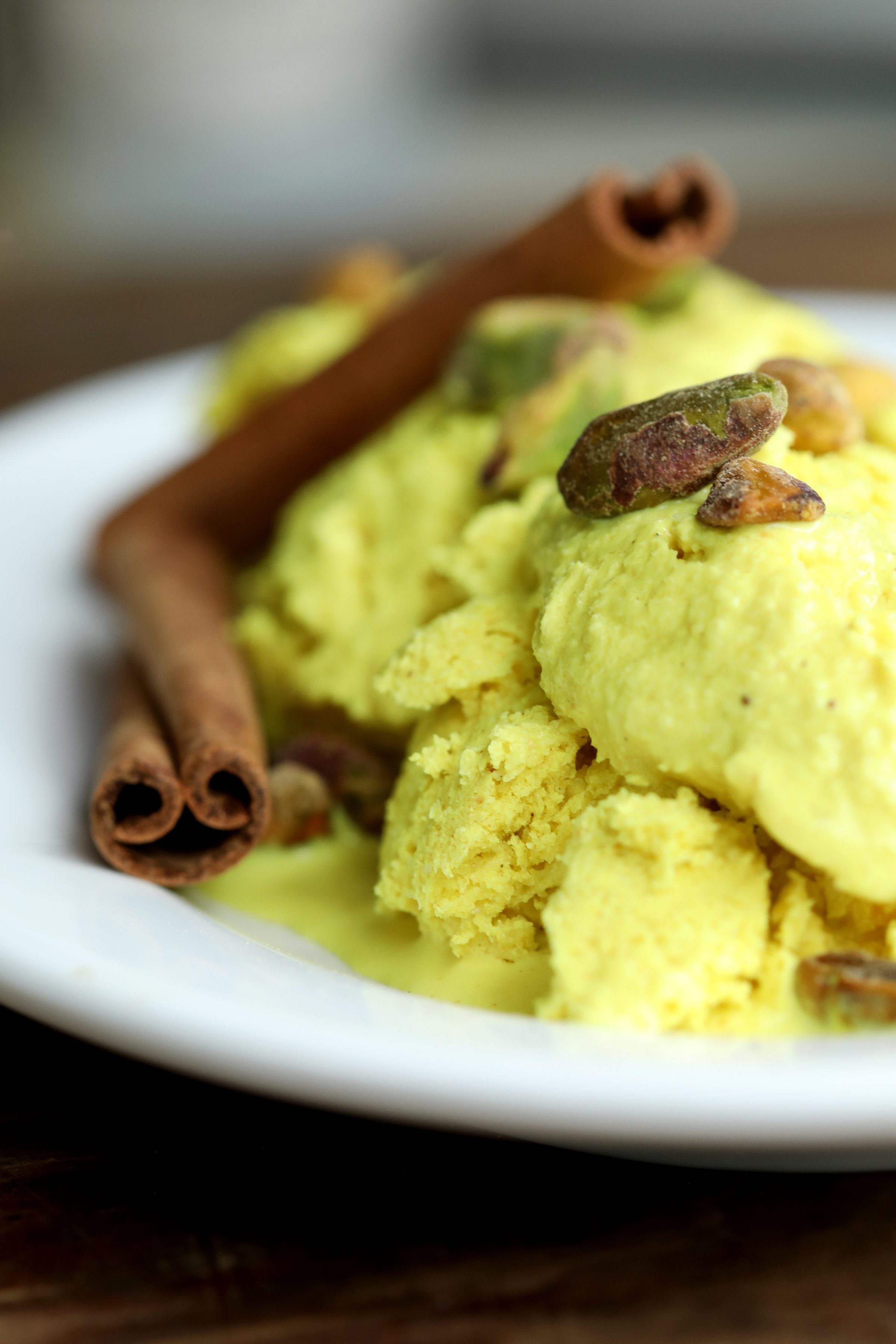
Unique and refreshing vegan ice cream is a delicious golden milk variation for summer. This recipe doesn’t require an ice cream machine.
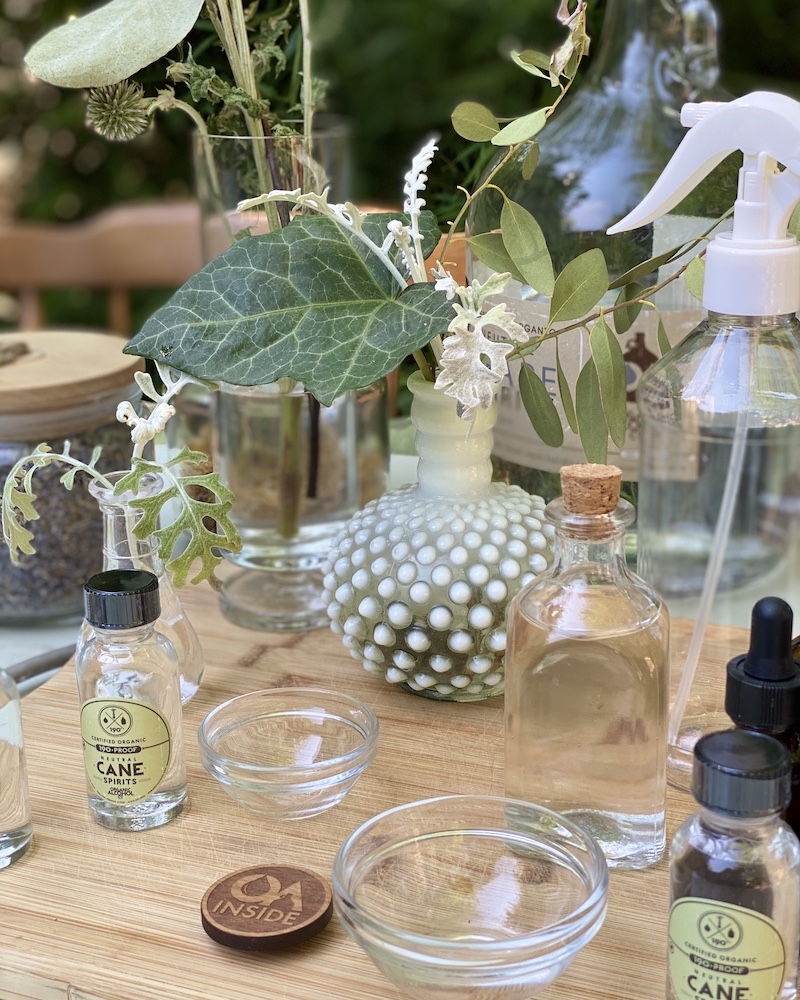
It’s that time of year for patio-chillin’, outdoor grillin’, and camping adventures. When you are looking for something that isn’t laden with chemicals that will keep the pesky insects away, try this DIY Bug Repellent.
I sometimes change up the essential oils I use, but following the lead of many other home-made bug spray recipes, find this blend to be the best in practice (and smells fantastic!). The oil you don’t want to skip is the Citronella because of its power to keep the buzzing at bay.
As with all Essential Oils (EO), test on sensitive skin first to make sure you don’t have any adverse reactions and avoid eyes.
(Added bonus, I sometimes steep rosemary and lavender in my water and witch hazel mix, store in the fridge for a few days before adding to the blend for added oomph!)
View original post 124 more words
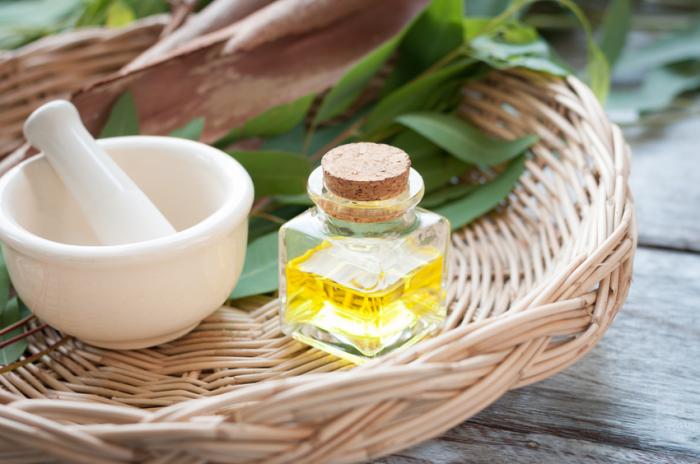
Most of us, gardeners or not, are familiar with mint. But how many of us know that there is a distinctive difference between spearmint and peppermint? The difference between these two mints may be important depending on how you want to use them. […]
Source: Peppermint – Herb of the Month
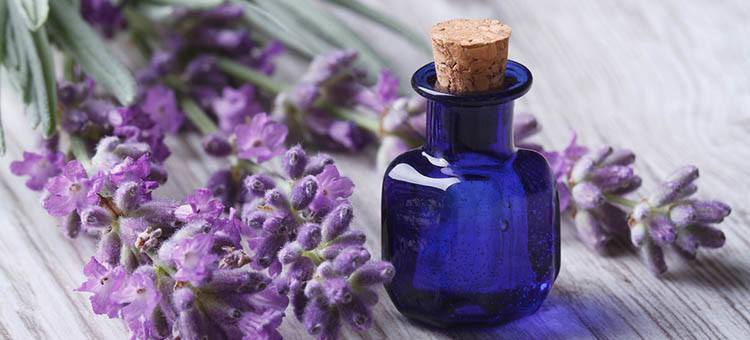
Citation (JAMA style): Bejar E. Adulteration of English Lavender (Lavandula angustifolia) essential oil. Botanical Adulterants Prevention Bulletin. Austin, TX: ABC-AHP-NCNPR Botanical Adulterants Prevention Program; 2020.
The main goal of this bulletin is to provide timely information and/or updates on issues of adulteration and mislabeling of essential oil (EO) of English lavender (Lavandula angustifolia Mill) in particular with lavandin (Lavandula × intermedia Emeric ex Loisel, syn. Lavandula angustifolia Mill. × Lavandula latifolia Medik.), spike lavender (Lavandula latifolia Medik.), linalool and linalyl acetate- rich EOs, terpenes, and synthetic chemicals.
This bulletin may serve as a guide for quality control personnel, the international herbal products, cosmetic, and essential oil industries, and the extended natural products community in general. It is also intended to present a summary of the scientific data and methods on the occurrence of species substitution, adulteration, the market situation, and economic and…
View original post 8,397 more words

I shared Anne’s email with you and a bit of her website for she is my herbalist, my go-to for tinctures, extracts, balms, etc. I have complete trust in her expertise, the products she endeavors to create, her passion, and drive. I am honored and pleased to introduce you to Anne, my herbalist, and friend.
By the way, here is the link to Anne’s shop…
https://www.etsy.com/shop/AnnesBackyardHerbal
| by aspiringherbalist |
I have now been crafting herbal extracts, mainly; Tinctures, Glycerites, Vinegars & Skincare Oil infusions, for 4 years now. Even though I am no expert and consider myself a novice, I have learned a new lesson every year. As I learn and read and discover new ways of determining how to best create a plant extract that is both effective & well-rounded, I also have to consider its flavor, consistency and taste. I have experimented with different combinations of solvents over the…
View original post 937 more words
432 Hz music to raise positive vibrations and clear energy for healing and manifestation of harmony & love. Frequency healing music has the potential to cleanse your energy and raise your vibration. Everything is energy/frequency. So When we listen to 432 Hz music, ambient, meditative, healing or regular music, it can put us into a state of harmonic resonance where the body and mind is aligned with a higher frequency, thus then we can attract from that state of frequency and manifest the things we really want in life. Use this for positive energy and/or clearing out old negative energy.

These fizzy, peace-invoking bath bombs are such a treat! Learn to make DIY lavender bath bombs today, and get a better quality product for less money!
Source: Bath Bomb Recipe with Lavender

American researchers have used ground-breaking technologies to make discoveries about Native American smoking habits. They have, for the first time, found traces of a non-tobacco plant in a pipe. […]
Source: Ancient Pipes Reveal What Natives Americans Were Smoking

I know this is old news for the chem heads, but I know it’s still not being used by the large percentage. It will only get more popular. Isomerizing cbd to turn into thc. Here is a method I found. […]
Source: https://www.thcfarmer.com/threads/isomerization-of-cbd-to-thc.95112/


The cultivar of the Month
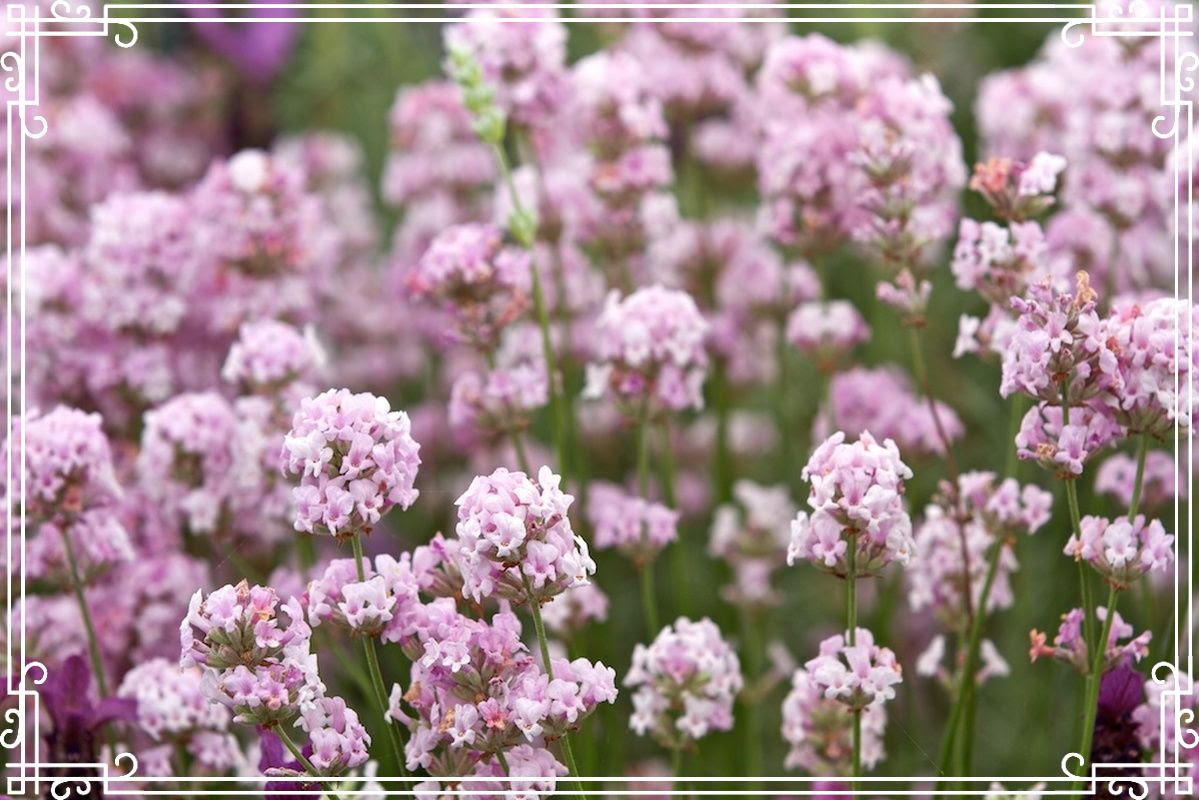 June 2020 Cultivar of the Month
Lavandula angustifolia ‘Hidcote Pink’
Hidcote Pink is another versatile lavender grown in Colorado. It is an excellent culinary variety. It produces an exceptionally sweet oil that several growers use in conjunction with other lavender essential oils to make unique blends. Planted with purple lavenders, the pink flowers make the purple flowers “pop” in the landscape.
Hidcote Pink is not really good for crafting as in drying it loses its pink color and dries to a brown.
Hidcote Pink plants are 30-40″ tall. Stems are in the 6-10″ range. Spacing the plants 36″ apart should allow them to remain separate over the years.
Hidcote Pink was developed by Major Lawrence Johnston in Gloucester, England, and became available around 1958. It is hardy in zones 5-9. It blooms once in the spring.
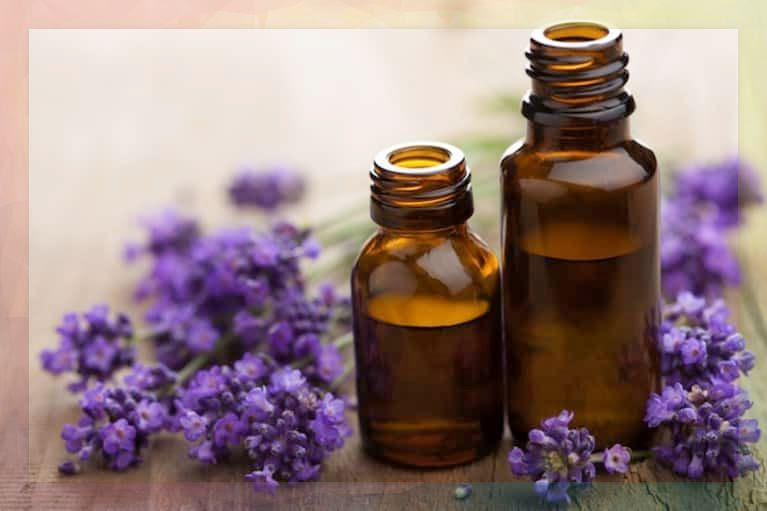
We…
View original post 739 more words
By Amanda Dix
(Blogmasters’ note: Experiencing craft beer is a high point for many connoisseurs these days. While beer in its various forms has been around for millennia, today’s brew-masters have taken beer to a whole new level by adding unique flavor combinations to their recipes. Capitalizing on that trend, many gardens and arboreta are incorporating special tasting events into their program repertoire that highlight the herbs that make each brew unique. Below are some of horticulturist and brewer Amanda Dix’s suggestions for upping your botanical beer game. Even if you don’t brew yourself, these might inspire you to try new things and understand how herbs are woven into this timeless beverage.)
Many culinary dishes and beverages are abundant with tropical herbs, spices, and fruit. Beer is no exception, and using unique ingredients alongside barley, hops, and yeast is very common these days.
When formulating a beer recipe, be sure…
View original post 510 more words
Find Your Magic
Tarot Readings, Inspiration, and Self-Empowerment
Making life on earth magick one moon phase at a time.
Astrologer ~ Mystic ~ Writer
of the Collegium Spiritus Sancti, a Golden Dawn Society
An affiliate of the Alpha et Omega Order of Melchizedek
All Knowledge Is Not Contained In Only One School
Connecting the grant community to #LearnGrants
Channelings & Articles
Magic Spell Books & Grimoires
Native Hawaiian Language Revitalization
Poetry & Tales of Love, Mystery, Magic and Spirituality
Organic Herbs, Herbals, Sustainable Gardening
Mother Nature: Feeding The Mind, Body & Soul, with Food, Medicine & Skincare.
"Inheritor of a Dying World, we call thee to the Living Beauty. Wanderer in the Wild Darkness, we call thee to the Gentle Light..."
Time is the most important thing we've been given
Embracing the Divine Within.
"...That I should bear witness to the truth." - John 18:37 // David E. Robinson, Publisher
 Hālau 'Aha Hui Lānākila