
The Office of Dietary Supplements (ODS) initiated the Centers for Advancing Research on Botanical and Other Natural Products (CARBON) Program in partnership with the National Center for Complementary and Integrative Health (NCCIH) in 1999, in response to a Congressional mandate.
The purpose of the CARBON Program is to promote collaborative, transdisciplinary research on the safety, effectiveness, and mechanisms of action of botanical dietary supplements that have a high potential to benefit human health and to support the development of methods and resources that will enhance the progress of this research.
The CARBON Program includes Botanical Dietary Supplements Research Centers (BDSRC), two Centers focused on enhancing methods and resources for research on the health effects of complex natural products, and pilot projects collaborating with the Centers. All the Centers are jointly funded by ODS and NCCIH, with additional funding from the National Institute on Aging (NIA) for the 2020-2025 project period…
View original post 279 more words





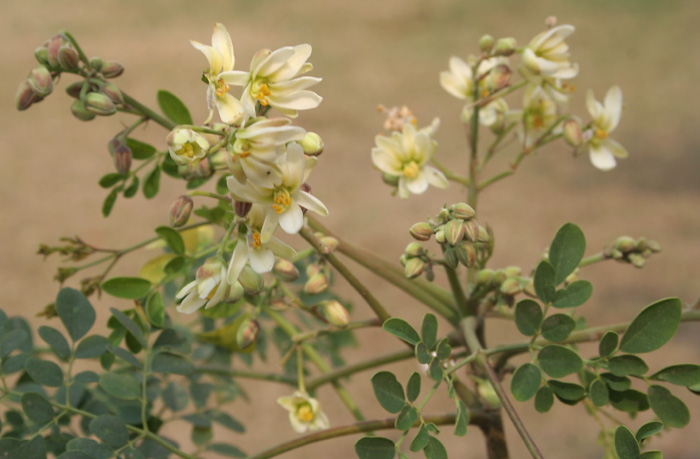 are endemic to Africa, and three species occur in India.1,2 Belonging to the Brassicales order, this plant family is distantly related to cruciferous vegetables like arugula (Eruca vesicaria ssp. sativa, Brassicaceae) and broccoli (Brassica oleracea var. italica, Brassicaceae) and contains many of the same nutrients and sulfurous phytochemicals.1,3 Moringa species grow as stout-stemmed trees or shrubs. Some species are known as bottle trees and have a large root system that enhances water storage and aids the trees’ survival during periods of drought.1 Members of the Moringa genus have corky gray bark and distinct bi- or tri-pinnately compound leaves that have conspicuous swellings, or pulvini, at…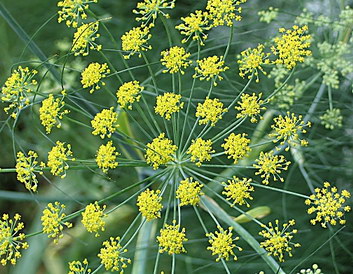















 Hālau 'Aha Hui Lānākila