 Spinach plants with added nanotubes can detect explosive molecules in the soil around them and raise the alarm
Source: Carbon nanotubes turn spinach plants into a living bomb detector | New Scientist
Spinach plants with added nanotubes can detect explosive molecules in the soil around them and raise the alarm
Source: Carbon nanotubes turn spinach plants into a living bomb detector | New Scientist
 Scientists have discovered that Tasmanian devil milk contains an arsenal of antimicrobial compounds that can kill some of the most deadly bacterial and fungal infections known to science – including golden staph .
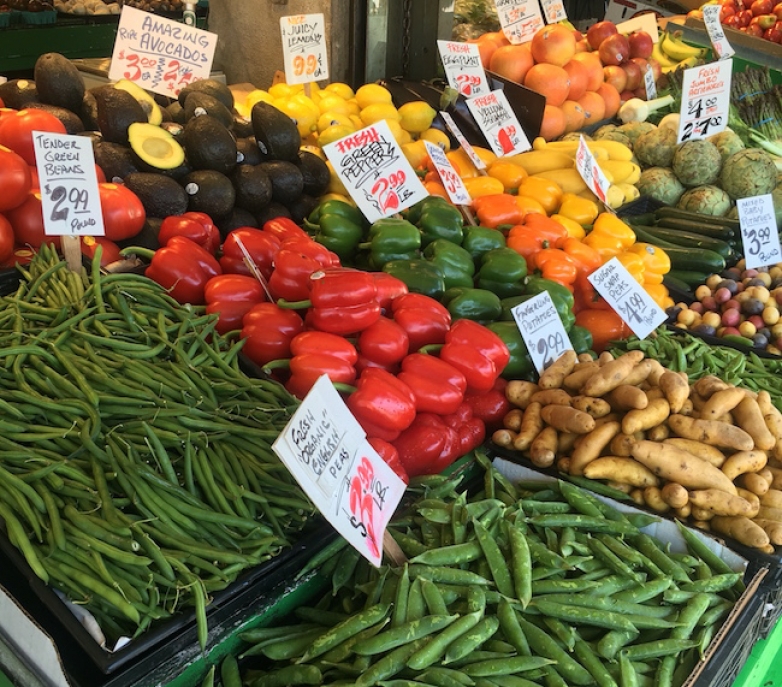 Organic produce is naturally low in chemicals and undeniable better for the environment. But, it’s relatively costly. Consider these key factors before you buy.
Source: Key Factors to Consider Before Buying Organic Produce
 These simple recipes kids can cook are a great way to let children start helping in the kitchen. They love it and you’ll love the help!

KALO (Taro): The life of Kanaka Maoli, the indigenous Hawaiian people, is linked closely with kalo, also known as the taro plant. Kalo is believed to have the greatest life force of all foods. According to the Kumulipo, the creation chant, kalo grew from the first-born son of Wakea (sky father) and Papa (earth mother), through Wakea’s relationship with his and Papa’s daughter, Ho`ohokulani. Haloa-naka, as the son was named, was stillborn and buried. Out of his body grew the kalo plant, also called Haloa, which means everlasting breath. Kalo and poi (pounded kalo) are a means of survival for the Hawaii people. By eating kalo as poi, one at a time as a ritual around the poi bowl (`umeke) at the center of the diners, the protocol of Hawaii is maintained. This is a ceremony of life that brings people together and supports a relationship of `ohana (family) and of appreciation with the `aumakua (ancestors).
Kalo From early times, kalo was the primary food of the Hawaii people, supplemented by other principal and traditional foods: breadfruit (`ulu), sweet potato (`uala), yams, greens, ferns, fruit, fish and seaweed (limu).

Taro came to Hawaii Nei with the earliest Polynesian settlers in their canoes and has been cultivated as a staple and staff of life from ancient times in the tropical and subtropical latitudinal band around the earth. Taro grows in tropical Africa, the West Indies, the Pacific nations and in countries bordering the Indian Ocean in South Asia. In Hawaii, where cultivation has been the most intense, in the early days there were more than 300 varieties of taro. Approximately 87 of these varieties are still recognized today, with slight differences in height, stalk color, leaf or flower color, size, and root type. Some of the local varieties are Mo`i, Lehua, Ha`akea and Chinese.
Taro, whose scientific name is Colocasia esculenta (or antiquorum) is cultivated both in the uplands as high as 4,000 feet, and in marshy land irrigated by streams. The plant is a hearty succulent perennial herb, with clusters of long heart or arrowhead-shaped leaves that point earthward. Taro grows on erect stems that may be green, red (lehua), black or variegated. The new leaf and stem push out of the innermost stalk, unrolling as they emerge. The stems are usually several feet high. Tiny new plants appear around the base of the root corm. The pua, inflorescence, is an open yellow-white tube, enclosing a spike covered with flowers.
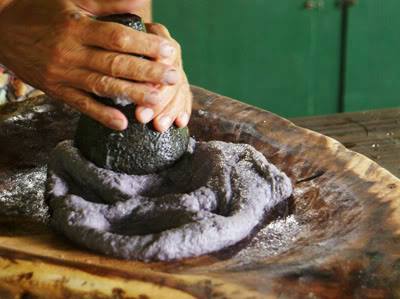
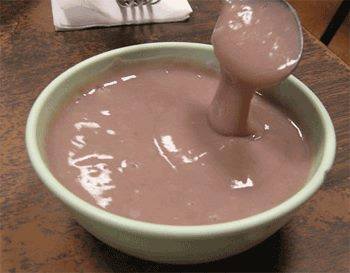
The whole plant: the kalo (corm) and luau (leaves) are eaten, and the huli are replanted. Depending on the variety, all parts of this sturdy and vital plant are eaten. The leaves are cooked as greens, similar to spinach. The tubers are eaten baked, boiled or steamed, or cooked and mashed with water to make poi. The fibrous flesh of the tubers is tough and spongy, ranging in color from white, yellow, lilac-purple and pink to reddish. Most important is the starchy root with enough glutinosity to make quality poi. The stiffest poi is called locally “one finger” and the most liquid “three finger”. “Two finger” poi is considered the best by some. The planters know which kind of taro makes the best poi, which variety has the most tender leaves and which has the necessary medicinal properties.
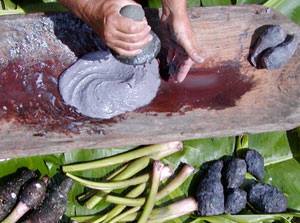
Taro is often fed to babies as their first whole and natural healthy food, as well as to the elderly, for its ease of digestion and high vitamin content. Some people call poi the “soul food” of Hawaii. Poi is eaten fresh or allowed to ferment for a few days, often for longer, creating a sour taste considered pleasant, acid, but not alcoholic. In the old days, a person might consume up to five pounds of poi per day. Several kinds of kalo had such special flavor and color that they were reserved only for the chiefs. It is said that Soviet astronauts ate dehydrated taro in space, adding water to the packets … instant poi!
In the kalo and poi-based agricultural society, the people of ancient Hawaii were dependent on wetland taro. Great skills were needed to terrace, cultivate and irrigate the land along streams, as well as the social and political skills to maintain it. The planters of wetland taro were practicing engineers, building walls of earth reinforced with stone to enclose the lo`i (pond field). Along the banks of the lo`i were planted mai`a (banana), ko (sugarcane), ki (ti), and wauke (paper mulberry) for kapa cloth, also known as tapa. In the pond field, several varieties of fish were grown, such as `awa, `ama`ama, o`opu and aholehole. An acre of wet lo`i could produce 3 to 5 tons of food per year. Dryland taro was grown in the lower forests where the soil was rich and the rainfall sufficient. Stone borders surrounded these gardens and can still be found on a forest hike.
Today there are still functional lo`i along the Keanae, Wailua and Hana coastlines of Maui, as well as other locations throughout these Hawaiian Islands.

In planting both wetland and dryland taro, the huli, the planting material, consists of a 1/2 inch thick slice of the top of the kalo (corm, from which derives the plant’s name) attached to 6 to 10 inches of the leaf-stem. These protrude above the water or dryland where planted.
The bottom of the corm/root is saved for cooking and eating, making taro a recyclable plant. In 6 to 12 months, depending upon plant variety along with soil and water conditions, the taro should be ready to harvest. Each parent tuber produces from two to l5 `oha, side tubers of corms, up to 6 inches in diameter. `Oha means specifically the suckers or shoots concentrically growing from the corm of the kalo/taro plant. Knowing this, it is easy to understand why the Hawaii family as a group is termed `ohana, which literally means “all from the shoots”.
Before kalo can be eaten, all parts of the plant must be cooked, in order to break down the needle-like calcium oxalate crystals present in the leaves, stem and corm. These could be extremely irritating to the throat and mouth lining, causing an acrid burning and stinging sensation.

Lu`au – Taro Leaf Lu`au is the name of the edible taro leaf, from the word lau, leaf. The lu`au leaf is another kinolau of Lono. Lu`au supplies high amounts of vitamins A, B and C, as well as calcium, iron, phosphorus, thiamine and riboflavin. The cooked corm and poi have fewer vitamins, but are an excellent carbohydrate source and have the ability to balance the pH factor in the body, as they are an alkali producing food.
The following are a few of the medicinal uses of poi and the kalo plant. Poi is used to settle the stomach. Mixed with ripe noni fruit, it can be applied topically for boils. Poi can be mixed with pia (arrowroot starch) and taken for diarrhea. Undiluted poi is sometimes used as a poultice on infected sores. A piece of taro stem, haha, can be touched to the skin to stop surface bleeding. Some infections respond to the use of taro leaves mashed with Hawaii salt. This poultice can be applied to an injury, covered and wrapped with a large taro leaf. For a sting from an insect, the stem can be cut and rubbed on the afflicted area.
Mud from the taro patch was used as a black dye for lauhala and kapa cloth, while some leaf-stem juice yielded red dye. Also, diluted poi was used as a paste to glue together pieces of kapa cloth.
The kalo plant is said to be the hiapo, the number one sibling. It is also said to be the kinolau, the body form, of Kane, the procreator. The small round depression where the taro stalk meets the leaf surface is called the piko, from whence comes the name for the human belly button.
c: canoe plants of ancient hawaii
 A low protein, high carbohydrate diet may be the most effective for stimulating a hormone with life-extending and obesity-fighting benefits, according to the latest Australian research.
Source: The “exact opposite” of a Palaeo diet is probably best for long life – ScienceAlert
To us at The Halau, this looks like Apple Pie Lumpia! How yummy is that??!

Apple Pie Egg Rolls! Crispy egg roll crust with a warm apple pie filling… if you liked the OLD McDonalds Apple Pies, you will LOVE these!
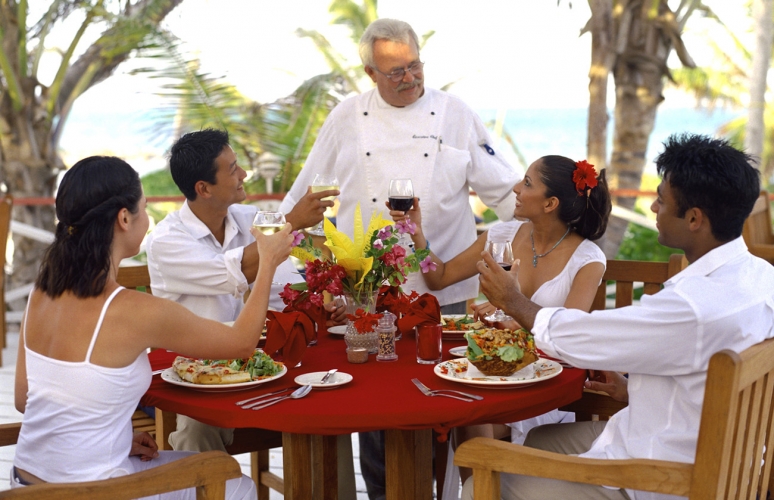
We all want a carefree vacation where we can eat and drink anything we fancy. And you can do just that in many cities and countries, whether you’re snacking in a café in Paris or Pisa or dining in an elegant restaurant in Tel Aviv or Tokyo. But when you travel to far-flung, developing locales—India, Pakistan, Sub-Saharan Africa, Egypt, Guatemala, and Brazil, to name a few—you must be extra vigilant to prevent becoming ill from food- or water-borne germs. These tips can help you avoid “traveler’s tummy” when traveling in the developing world or other places where sanitation or water systems are less than optimal.
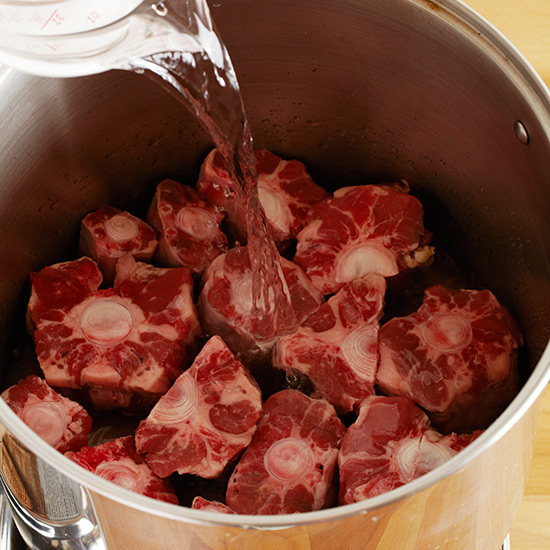 Source: How to Make Pho | Food & Wine
 This honeycrisp apple sangria combines all of your favorite fall flavors into one delicious cocktail. This stuff disappears!

Numerous studies have shown the negative health effects of drinking soda on your waistline and your teeth. Drinking soda however, has far more serious health risks than many of us may realize.
Source: 22 Ways Drinking Soda Will Shorten Your Life | GreenMedInfo | Blog

For the cheesecake:
2 (8 oz) packages cream cheese, softened at room temperature
¾ cup granulated sugar
½ tsp salt
2 large eggs, room temperature
1 tsp vanilla extract
¼ cup sour cream
For the crust:
1 cup graham cracker crumbs
4 tbsp butter, melted
For the topping:
Granulated sugar
LET’S GET COOKING…
Line a muffin tin with cupcake wrappers. Place and seal graham crackers in a freezer bag.
Smash into crumbs. Combine with melted butter. Place a tablespoon of of the crumbs in the cups and press down to form a crust. Chill in the fridge.
Preheat oven to 300F. In a mixing bowl, beat cream cheese until creamy. Add vanilla, sugar, and salt and continue mixing. Then add eggs and sour cream.
Divide the mixture and pour into the chilled cups. Tap the tray gentle to make any air bubbles rise to the top. Bake for about 20 minutes or until firm and a little wobbly in the center.
Chill in the fridge for at least 1 hour. When ready to serve, remove the paper liners.
Show less
A lot of people around the world drink coffee soon as after they wake up. We all love those sunny days, when we can hang out in the garden or in the closest coffee shop and drink coffee with our friends.
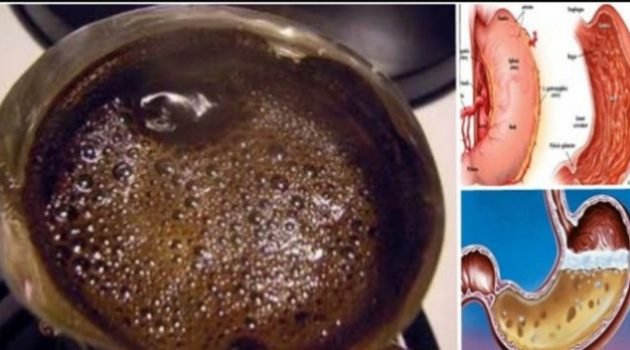
Source: Do you Drink Coffee in the morning on an Empty Stomach? Read this Article! – Fine Living Advice
Marshmallows are a longtime family favorite. Often considered a staple for camping trips, hot cocoa, Thanksgiving classics, and desserts, these sugary treats aren’t doing you any favors. Even though marshmallows are fat-free, they are packed full of sugar. One regular marshmallow contains about 4 grams of added sugar. But as…More

Prep time: 5 mins
Total time: 5 mins
Serves: 8-10
Makes 2 liters
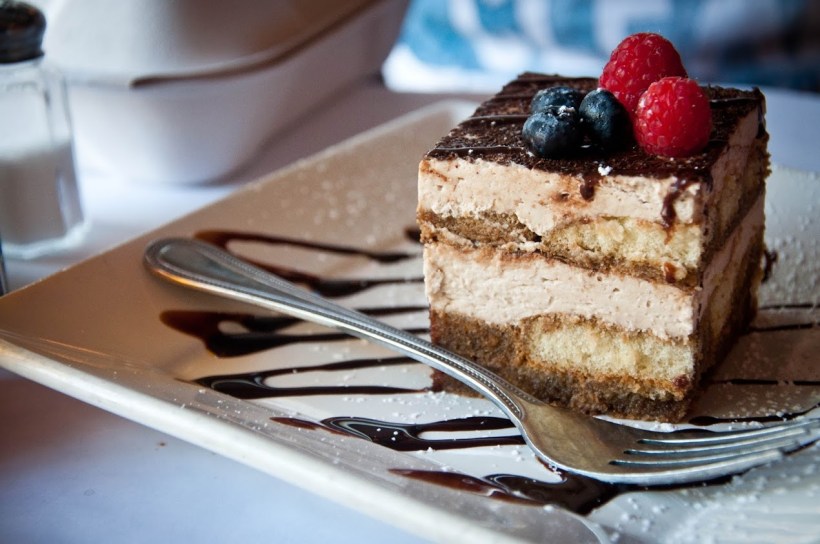
INGREDIENTS
6 egg yolks
1 cup sugar
1¼ cup mascarpone cheese
1¾ cup heavy whipping cream
2 -12 oz packages Savoiardi Lady fingers (crunchy not soft variety)
1 cup cold espresso or strong coffee
½ cup coffee flavored Liquor (optional)1 tbsp cocoa for dusting
INSTRUCTIONS
Combine egg yolks and sugar in the top of a double boiler, over boiling water.
Reduce heat to low, and cook for about 10 minutes, stirring constantly.
This is your sabayon, remove from the heat and whip yolks until thick and lemon colored. (whipping the eggs off the heat should allow them to cool off sufficiently, if you’re going to make a larger batch make sure to give the sabayon time to cool down before adding the rest of the ingredients.)
Add Mascarpone to whipped yolks, beat until combined.In a separate bowl, whip cream to stiff peaks.Gently fold the whipped cream in the mascarpone sabayon mixture and set aside.
Mix the cold espresso with the coffee liquor and dip the lady fingers into the mixture just long enough to get them wet, do not soak them!Arrange the lady fingers in the bottom of a 8 inch square baking dish (or 6×9)Spoon half the mascarpone cream filling over the lady fingers.
Repeat process with another layer.Refrigerate 4 hours or overnight.
Dust with cocoa before serving
PREP TIME 30 mins
TOTAL TIME 30 mins
Author: Chef Dennis via Mama Jeanette Recipe
Serves: 9
Source: http://www.askchefdennis.com/
Image: Alexis Fam
Square foot gardening is a highly efficient type of raised bed garden that allows a large amount of vegetable production in a small space.
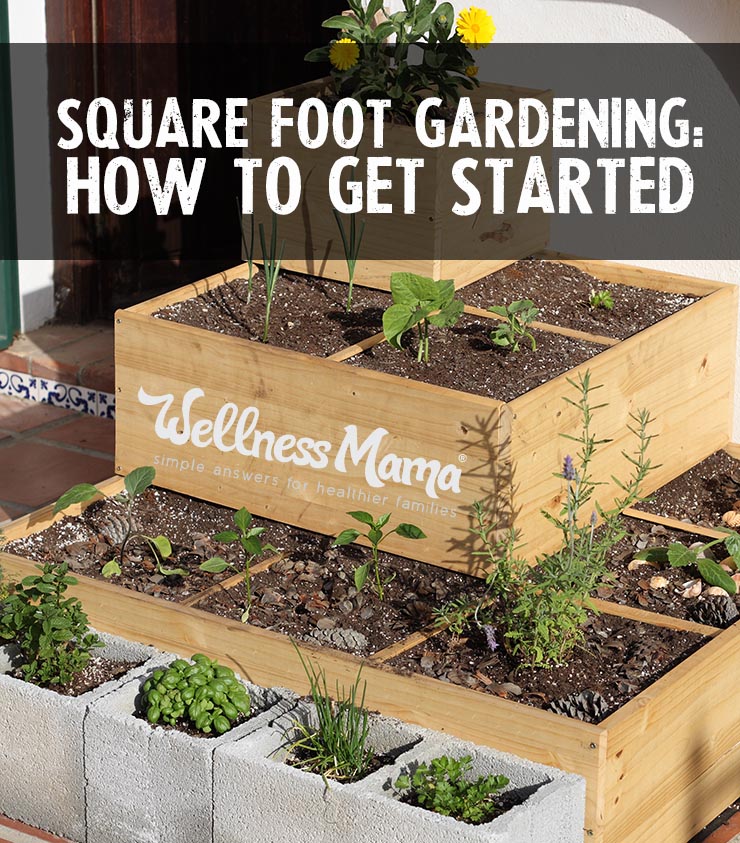
Source: How to Get Started with Square Foot Gardening (and Why)
Before there was granola, there was granula—and billions turned out to be at stake.

Source: Did an Uncredited Woman Invent Breakfast Cereal? | Atlas Obscura

aloo paratha recipe | punjabi aloo ka paratha with step by step video and photo recipe – chapathi stuffed with spiced potato mixture.
Source: aloo paratha recipe | punjabi aloo ka paratha recipe
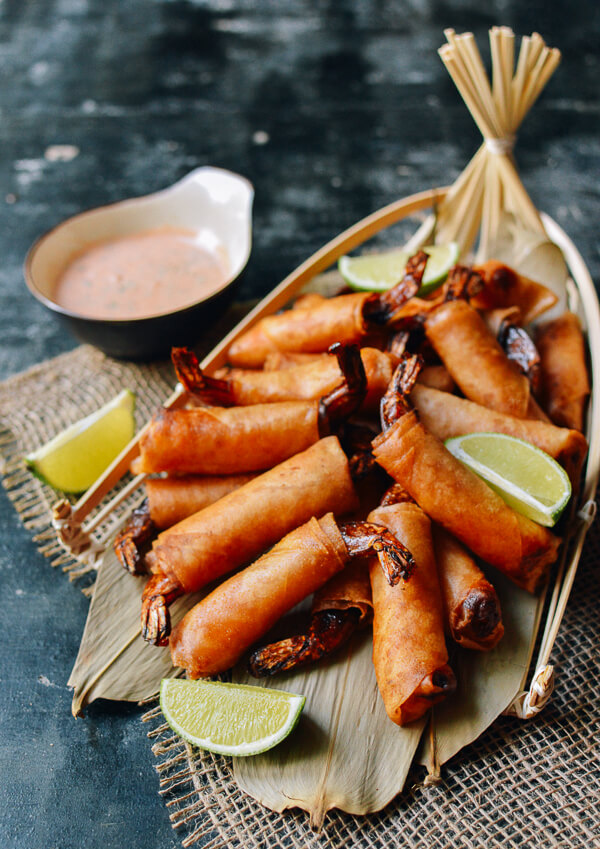
I was first made aware of the existence of firecracker shrimp rather late in life. Namely, uh…a month ago. When they were part of the Katie Chin cooking demo I participated in at Macy’s. Guess I’ve been living under a rock. We didn’t grow up making this appetizer, but I’ve come to know that it’s …

Maybe you’re considering giving up meat to lose weight, trying to lighten your carbon footprint, or you’ve noticed a lot of record-setting endurance atheletes are vegan. Whatever your reason, relying less on animal products can be a great first step in upping your intake of nutrient-rich whole foods.

Source: The 20 Highest Protein Foods Vegetarian Runners Can Eat | Runner’s World
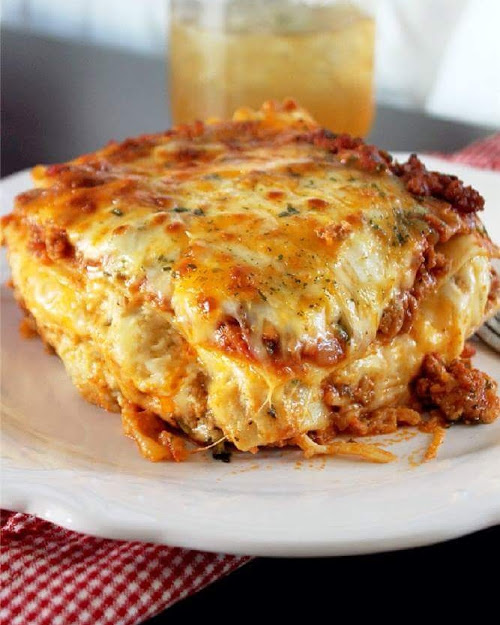
Ingredients
1 lb ground turkey
1 lb andouille sausage, fresh, casing removed
1 box lasagna noodles, dried
1 red onion, diced
1 bell pepper, diced
1 stalk celery, diced
1/2 bunch Italian parsley, minced
4 cloves garlic, minced
2 cups chicken broth
1 28oz. can crushed tomatoes
1 6oz. can tomato paste
1 1/2 tablespoons creole seasoning
1 tablespoon black pepper
1 tablespoon garlic powder
1 tablespoon onion powder
1 tablespoon Italian seasonings
1 teaspoon crushed red pepper
1 teaspoon sugar
For the Ricotta/Cheese Mixture:
1 cup parmigiano reggiano cheese, grated
2 cups sharp cheddar cheese, grated
2 cups jack cheese, grated
8 oz. fresh mozzarella cheese, grated
2 cups ricotta cheese
2 eggs, beaten
extra virgin olive oil
Instructions
Pre heat oven to 375 degrees.
Bring a large pot of salted water to boil. Cook pasta for 6 minutes.
Rinse Pasta with warm water, drain, coat with oil and set aside.
Mix seasonings, reserve 1 tablespoon for ricotta/cheese mixture, and divide remaining seasons in half, set aside.
In a large soup pot heated over medium heat add 2 tablespoon of olive oil, add onion, bell pepper, and celery.
Saute for about 5 minutes, add garlic and cook 1 minute more.
Add ground turkey and andouille sauce, break into small chunks. Season with half of the seasoning blend and cook until browned about 15 minutes.
Add tomato paste and mix well, cook for 5 more minutes.
Add crushed tomatoes and chicken broth, season with remaining seasoning blend and mix well.
Lower heat to medium-low add parsley and cook uncovered for 20 minutes, stirring occasionally.
To Assemble Ricotta/Cheese Mixture:
Mix eggs, ricotta, parmigiano reggiano, 1 cup sharp, jack, and mozzarella cheese with remaining seasoning blend and set side.
To Assemble Lasagna:
In a large greased 13X9 inch casserole dish, place about 1 cup of pasta sauce on the bottom.
Top with lasagna noodles, slightly overlapping noodles.
Top with more pasta sauce, top with about 6 heaping tablespoons of ricotta/cheese mixture.
Top with a handful of remaining grated cheeses and repeat with another layer of lasagna noodles, meat mixture/ricotta cheese mixture/grated cheese.
For the last layer top with noodles, pasta sauce and remaining grated cheeses.
Cover casserole with greased foil and bake at 375 degrees for 30 minutes.
Remove foil and cook 20 minutes more.
Remove from oven, allow to cool 10 minutes. Serve with garlic bread.
Notes
If you can’t find fresh andouille sausage, smoked sausage can be used and diced into small chunks.
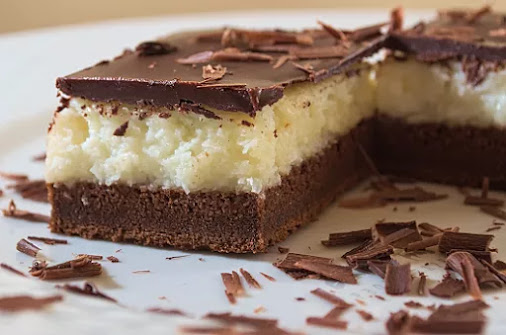
Ingredients:
Cake:
6 eggs
6 tablespoons sugar (lower the glycemic index by using raw Turbinado sugar)
3 tablespoons coconut oil
3 tablespoons cocoa
5 tablespoons flour (use coconut flour to make this gluten-free)
10 g baking powder
Cream:
1 litre of milk
8 tablespoons sugar (remember, Turbinado sugar)
200 g shredded coconut
15 teaspoons flour (again, can substitute coconut flour)
50 g butter
Glaze:
100 g dark chocolate
50 g butter (check out Miyoko Schinner’s Vegan butter – no difference!!)
Preparation:
Beat eggs and sugar until the mixture is foamy, stir in 3 tablespoons of oil, cocoa, flour and baking powder.
The resulting mixture pour into a pre-greased and floured pan and bake at 170 C for 20 min.
While the cake is baking, cook coconut with milk and sugar. When the milk boils add flour and cook over low heat stirring constantly until the flour thickens. In the warm cream mix add butter and stir until dissolved. Still warm cream pour over the cake. Cool off.
Melt chocolate over steam, add butter and stir until dissolved. Pour over cake and let it cool off. The cooled cake cut into squares.
Grilled cheese combined with mac and cheese topped with bacon? This is the ultimate grilled cheese recipe that will satisfy any comfort food craving. Happy Eating!

Source: Grilled Cheese: Bacon Mac and Cheese Grilled Cheese Recipe | Cookmore
In the city’s Ukrainian Village neighborhood, Uncle Mike’s Place doles out lugaw, a rice porridge, free to every customer.
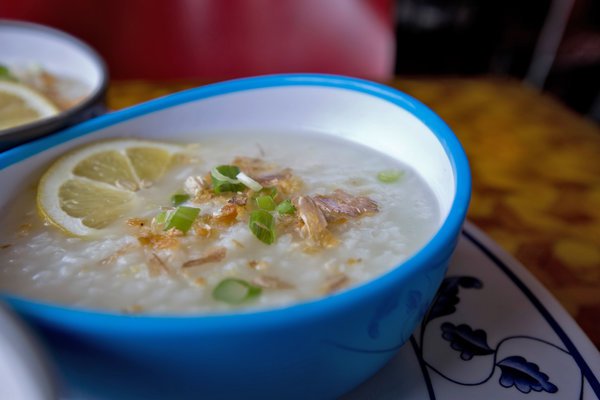
Source: Lugaw, a Filipino Porridge, With a Chicago Accent – NYTimes.com

SWEET POTATO JUICE TO HELP CONTROL BLOOD SUGAR (RECIPE INCLUDED)
Sweet potatoes are an often over-looked vegetable. This is unfortunate, as they contain an abundance of beneficial vitamins and nutrients. They are inexpensive, always readily available, and taste great. Eating sweet potatoes can help your body control blood sugar and improve your overall health, among other benefits.
HEALTH BENEFITS OF SWEET POTATOES
If you are looking for reasons to eat sweet potatoes, look over some of the additional advantages of this super vegetable.
First off, sweet potatoes is one of the rare vegetables that contain vitamin B6. This vitamin helps to reduce the levels of a chemical called homocysteine—which has been linked to heart attacks and various degenerative diseases.
Sweet potatoes are also a good source of vitamins C and D. Vitamin C helps boost your immune system and is an excellent antioxidants that reduces damages done by free radicals. Both vitamins are necessary for bone growth, digestion, and blood cells formation.
Eating sweet potatoes will provide you with iron, magnesium, potassium, and beta-carotene. Iron and magnesium are a couple other useful minerals for boosting your immune system and helping to reduce stress. Magnesium also helps promote better heart health and red and white blood cell production.
The beta-carotene found in sweet potatoes is converted into vitamin A by your body when needed, thus there is no toxicity of overdose. Vitamin A is needed to improve eyesight, your immune system, and is a powerful antioxidant. By eating sweet potatoes, you are receiving beneficial vitamins and nutrients that will help control your blood sugar and increase your immune system.
BUYING AND STORING SWEET POTATOES
There are a few precautions, when you go to the store to buy sweet potatoes. Always check the sweet potatoes before buying. Make sure that they are firm, without any bruises, cracks, holes (think worms) or soft spots. You should also avoid sweet potatoes stored in refrigerated aisles, as the colder temperature can affect the taste.
When you get your sweet potatoes home, you should store them in a cool dark place, but not in the fridge. They should remain fresh for up to ten days.
Always use only organic sweet potatoes!
SWEET POTATO JUICE RECIPE
If you are looking for a way to include sweet potatoes in your diet, you will love this sweet potato juice recipe. It makes a great breakfast or snack and is easy to prepare. You can use your juicer, or if you do not have a juicer, use your blender.
Sweet Potato Juice Ingredients:
1-2 raw sweet potato2 carrots1 jicama4-6 ribs of celeryA pinch of cinnamon
Sweet Potato Juice Directions:
To make your own sweet potato juice, juice all of the produce from the ingredients listed above. Combine the juiced ingredients and sprinkle a little cinnamon on top.
Use this recipe to start adding sweet potatoes to your diet. Have sweet potato juice for breakfast, lunch, or as a midday snack to include more vitamins and minerals in your diet.
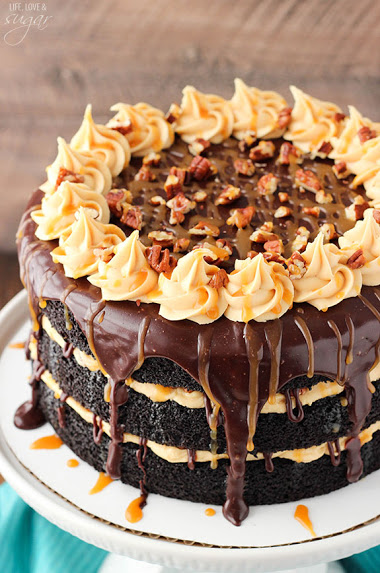
A super moist *Chocolate Cake filled with caramel icing, pecans and chocolate ganache.
INGREDIENTS:
2 cups (260g) flour
2 cups (414g) sugar
3/4 cup (70g) Hershey’s Special Dark Cocoa powder
2 tsp baking soda
1 tsp salt
2 large eggs
1 cup (240ml) buttermilk
1 cup (240ml) vegetable oil
1 tsp vanilla
1 cup (240ml) boiling water
CARAMEL SAUCE AND ICING
1 1/2 cups (310g) sugar
9 tbsp (126g) salted butter, cubed, room temperature
3/4 cup (180ml) heavy whipping cream, room temperature
4 cups (460g) powdered sugar
2-3 tbsp (30-45ml) milk
CHOCOLATE GANACHE
9 oz semi-sweet chocolate chips
3/4 cup (180ml) heavy whipping cream
ADDITIONAL
3/4 cup chopped pecans.
DIRECTIONS:
TO MAKE THE CHOCOLATE CAKE LAYERS:
1. Prepare three 8 inch cake pans with parchment paper circles in the bottom, and grease the sides. Preheat oven to 300°F (148°C).
2. Add all dry ingredients to a large bowl and combine.
3. Add eggs, buttermilk, vegetable oil and vanilla to the dry ingredients and mix well.
4. Slowly add water. Mix well.
5. Divide batter evenly between cakes pans and bake for about 30-33 minutes, or until a toothpick comes out with a few crumbs.
6. Remove cakes from oven and allow to cool for about 10 minutes, then remove to cooling racks to cool completely.
7. Pour sugar into an even layer in a large saucepan.
8. Heat on medium-high heat, whisking the sugar until melted. The sugar will clump up first, but will eventually completely melt. This will take about 10 minutes.
9. Once the sugar has melted, stop whisking and allow to cook until the sugar has turned to a little darker amber color. You may notice a nutty aroma. The change in color will happen quickly, so don’t let it go too long or get too dark or it’ll burn. Remove caramel from the heat.
10. Add butter and whisk until combined. The mixture will bubble up, but keep whisking until all the butter has melted and combined.
11. Slowly pour the heavy cream into the caramel and whisk until incorporated.
12. Cool for about 10-15 minutes before using.
13. Set aside about 1/3 cup of caramel sauce, then transfer remaining caramel sauce to a mixing bowl.
14. Slowly add powdered sugar and milk and mix until smooth.
You can add more or less milk to get the right consistency for the icing.
TO PUT CAKE TOGETHER:
15. Make the ganache by adding the chocolate chips to a metal or glass bowl.
16. Microwave the heavy whipping cream until boiling, then pour over the chocolate chips. Cover bowl with clear wrap for about 5 minutes.
17. Whisk chocolate until smooth. Microwave in 5-10 second increments as needed, if chocolate isn’t fully smooth and melted.
18. When the cakes are cool, remove the tops of the cakes with a large serrated knife so they are flat.
16. Place the first layer of cake on cake stand. Top with 1 cup of the caramel icing and spread into an even layer. Top icing with about 1/4 cup of chopped pecans, then drizzle with some chocolate ganache and caramel sauce.
17. Add second layer of cake and icing and add another 1/4 cup of chopped pecans, caramel sauce and chocolate ganache.
18. Top cake with remaining cake layer.
19. Pour remaining ganache over the cake and allow it to drizzle down the sides of the cake. Refrigerate until the ganache is firm.
20. There should have been a little caramel icing left.
Use that to pipe caramel icing around the top edges of the cake, then sprinkle with remaining chopped pecans and drizzle with caramel sauce.
Recipe from Life, Love, and Sugar.
This coconut flour based recipe for Pineapple Upside Down Cake is a rich and filling low-sugar alternative to cake mix varieties and safe for gluten sensitive. Dad’s favorite recipe just got a great face-lift!
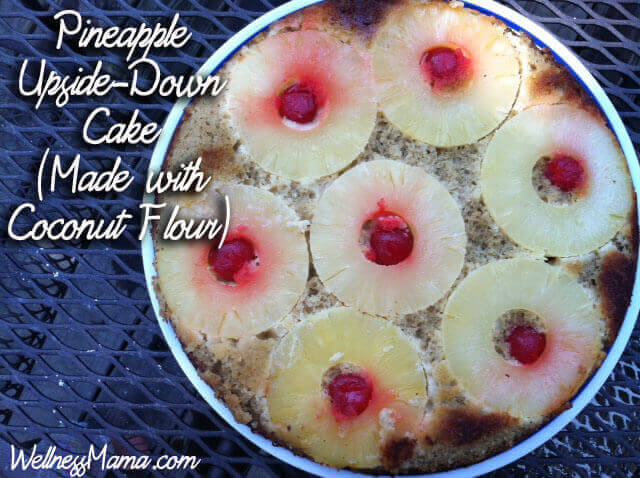
Source: Grain Free Pineapple Upside Down Cake Recipe | Wellness Mama
Find Your Magic
Tarot Readings, Inspiration, and Self-Empowerment
Making life on earth magick one moon phase at a time.
Astrologer ~ Mystic ~ Writer
of the Collegium Spiritus Sancti, a Golden Dawn Society
An affiliate of the Alpha et Omega Order of Melchizedek
All Knowledge Is Not Contained In Only One School
Connecting the grant community to #LearnGrants
Channelings & Articles
Magic Spell Books & Grimoires
Native Hawaiian Language Revitalization
Poetry & Tales of Love, Mystery, Magic and Spirituality
Organic Herbs, Herbals, Sustainable Gardening
Mother Nature: Feeding The Mind, Body & Soul, with Food, Medicine & Skincare.
"Inheritor of a Dying World, we call thee to the Living Beauty. Wanderer in the Wild Darkness, we call thee to the Gentle Light..."
Time is the most important thing we've been given
Embracing the Divine Within.
"...That I should bear witness to the truth." - John 18:37 // David E. Robinson, Publisher





 Hālau 'Aha Hui Lānākila