Daily Words of the Buddha ~ September 23, 2014

double rainbow farmSabbā āsattiyo chetvā,
vineyya hadaye daraṃ,
upasanto sukhaṃ seti,
santiṃ pappuyya cetasā.

With all one’s attachments cut,
with the heart’s pining subdued,
calm and serene and happy is one,
for one has attained peace of mind.

Saṃyutta Nikāya 1.242

Gemstones of the Good Dhamma,
compiled and translated by Ven. S. Dhammika

Daily Words of the Buddha ~ September 22, 2014

ed5ac46f58e2a232632f1646bb9339a8Sukhā virāgatā loke
kāmānaṃ samatikkamo
asmimānassa yo vinayo
etaṃ ve paramaṃ sukhaṃ.

Freedom from lust is happiness in the world,
the going beyond all sensual desires.
But the crushing out of the conceit “I am”–
this is the highest happiness.

Udāna 2.11

Gemstones of the Good Dhamma,
compiled and translated by Ven. S. Dhammika


Daily Words of the Buddha ~ September 21, 2014

"No Name" Lake, Glacier National Park ~ Montana USA
“No Name” Lake, Glacier National Park ~ Montana USA

Taṃ nadīhi vijānātha:
sobbhesu padaresu ca,
saṇantā yanti kusobbhā,
tuṇhīyanti mahodadhī.

Learn this from the waters:
in mountain clefts and chasms,
loud gush the streamlets,
but great rivers flow silently.

Sutta Nipāta 3.725

Gemstones of the Good Dhamma,
compiled and translated by Ven. S. Dhammika


Daily Words of the Buddha ~ September 20, 2014

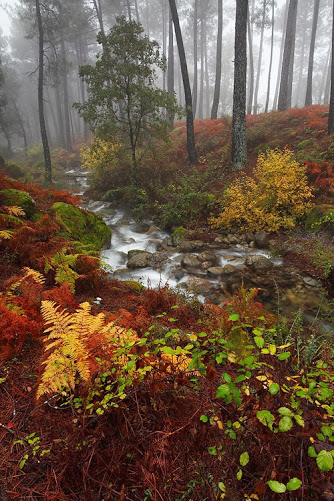
Misty Forest, Basque Country, Spain
Misty Forest … Basque Country ~ Spain

Sabbapāpassa akaraṇaṃ,
kusalassa upasampadā,
sacittapariyodapanaṃ –
etaṃ buddhāna sāsanaṃ.

Abstain from all unwholesome deeds,
perform wholesome ones,
purify your mind –
this is the teaching of the Buddhas.

Dhammapada 14.183
The Discourse Summaries by S.N. Goenka

Rumi ~ My Soul Is From Elsewhere

This is a deeply reflective poem by Rumi (1207-1273) exploring the deep self of what some call the “soul”.

Above and Below was shot by Stefan Werc for the Bagong Silang documentary directed by Zena Merton and produced by Giselle Santos.

Setting: Navotas Cemetery, Manila, The Philippines.
Manila is one of the most overpopulated places on Earth.
There are over 2000 families living above the dead in the Navotas Cemetery. Babies are born and the dead are buried in the same place.
Life goes on.

“All day I think about it, then at night I say it.
Where did I come from, and what am I supposed to be doing?
I have no idea.
My soul is from elsewhere, I’m sure of that,
And I intend to end up there.

This drunkenness began in some other tavern.
When I get back around to that place,
I’ll be completely sober. Meanwhile,
I’m like a bird from another continent, sitting in this aviary.
The day is coming when I fly off,
But who is it now in my ear who hears my voice?
Who says words with my mouth?

Who looks out with my eyes? What is the soul?
I cannot stop asking.
If I could taste one sip of an answer,
I could break out of this prison for drunks.
I didn’t come here of my own accord, and I can’t leave that way.
Whoever brought me here will have to take me home.

This poetry. I never know what I’m going to say.
I don’t plan it.
When I’m outside the saying of it, I get very quiet and rarely speak at all.

We have a huge barrel of wine, but no cups.
That’s fine with us. Every morning
We glow and in the evening we glow again.”

– Rumi


Daily Words of the Buddha ~ September 18, 2014

buddha path sureshAtthamhi jātamhi sukhā sahāyā;
tuṭṭhī sukhā yā itarītarena;
puññaṃ sukhaṃ jīvitasaṅkhayamhi,
sabbassa dukkhassa sukhaṃ pahānaṃ.

Good are friends when need arises;
good is contentment with just what one has;
good is merit when life is at an end,
and good is the abandoning of all suffering.

Dhammapada 23.331

The Dhammapada: The Buddha’s Path of Wisdom,
translated from the Pali by Acharya Buddharakkhita


Daily Words of the Buddha ~ September 17, 2014

Interfaith-facebookSukhakāmāni bhūtāni,
yo daṇḍena na hiṃsati
attano sukhamesāno,
pecca so labhate sukhaṃ.

One who, while oneself seeking happiness,
does not oppress with violence other beings,
who also desires happiness,
will find happiness hereafter.

Dhammapada 10.132

The Dhammapada: The Buddha’s Path of Wisdom,
translated from the Pali by Acharya Buddharakkhita

Daily Words of the Buddha ~ September 16, 2014

autumn mornUṭṭhānako analaso,
Āpadāsu na vedhati,
Acchinnavutti medhāvī,
Tādiso labhate yasaṃ.

Who is energetic and not indolent,
In misfortune unshaken,
Flawless in manner and intelligent,
Such a one to honour may attain.

Dīgha Nikāya 3.273

Everyman’s Ethics: Four Discourses by the Buddha (WH 14),
translated by Narada Thera

Daily Words of the Buddha ~ September 15, 2014

tropical purple flowerYo imasmiṃ dhammavinaye
Appamatto vihassati!
Pahāya jātisaṃsāraṃ dukkhassantaṃ karissatī.

With firm resolve, guard your own mind!
Who so untiringly pursues the Dhamma and the Discipline
Shall go beyond the round of births and make an end of suffering.

Dīgha Nikāya 2.185

Last Days of the Buddha: The Maha-parinibbana Sutta (revised edition),
translated from the Pali by Sister Vajira & Francis Story


Daily Words of the Buddha September 13, 2014

horse yinyang
Chandā dosā bhayā mohā,
Yo dhammaṃ ativattati,
Nihīyati yaso tassa
Kāḷapakkheva candimā.

Chandā dosā bhayā mohā,
Yo dhammaṃ nātivattati,
Āpūrati yaso tassa
Sukkapakkheva candimā.

Whoever through desire, hate or fear,
Or ignorance should transgress the Dhamma,
All one’s glory fades away
Like the moon during the waning half.

Whoever through desire, hate or fear,
Or ignorance never transgresses the Dhamma,
All one’s glory ever increases
Like the moon during the waxing half.

Dīgha Nikāya 3.246

Everyman’s Ethics: Four Discourses by the Buddha (WH 14),
translated by Narada Thera

Daily Words of the Buddha ~ September 12, 2014

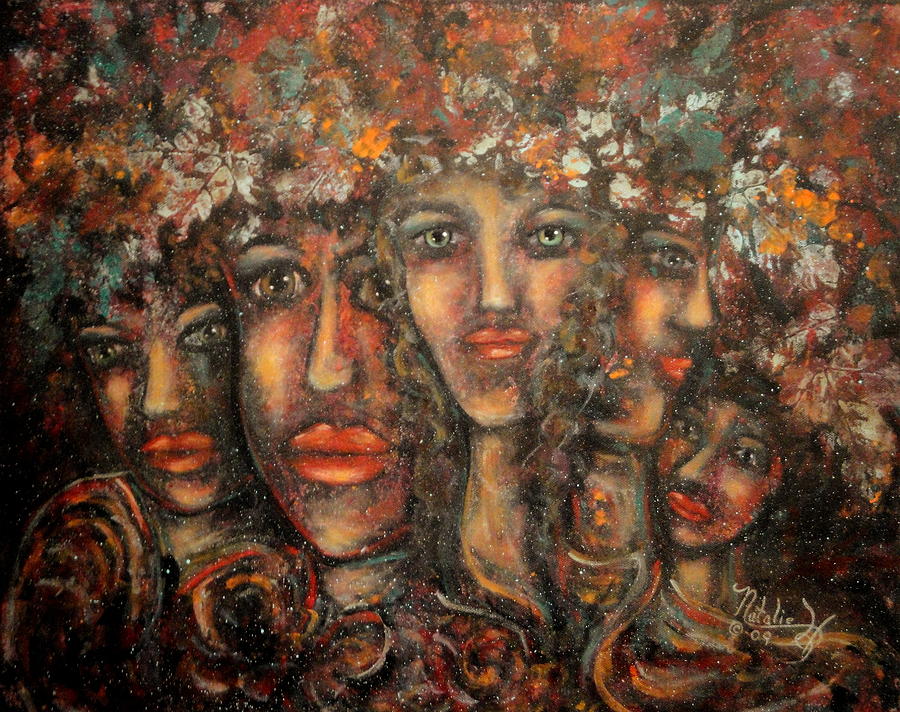
"Close Friends", by Natalie Holland
“Close Friends”, by Natalie Holland

Upakāro ca yo mitto,
sukhe dukkhe ca yo sakhā,
atthakkhāyī ca yo mitto,
yo ca mittānukampako —
etepi mitte cattāro iti viññāya paṇḍito
sakkaccaṃ payirupāseyya
mātā puttaṃ va orasaṃ.

The friend who is a helpmate,
the friend in happiness and woe,
the friend who gives good counsel,
the friend who sympathises too —
these four as friends the wise behold
and cherish them devotedly
as does a mother her own child.

Dīgha Nikāya 3.265

Everyman’s Ethics: Four Discourses by the Buddha (WH 14),
translated by Narada Thera

Daily Words of the Buddha ~ September 10, 2014

sadPahūtavitto puriso
sahirañño sabhojano,
eko bhuñjati sādūni —
taṃ parābhavato mukhaṃ.

To have much wealth
and ample gold and food,
but to enjoy one’s luxuries alone —
this is a cause of one’s downfall.

Sutta Nipāta 1.102
Everyman’s Ethics: Four Discourses by the Buddha (WH 14),
translated by Narada Thera


Daily Words of the Buddha ~ September 09, 2014

snowy white soloPaṇḍito sīlasampanno,
Saṇho ca paṭibhānavā,
Nivātavutti atthaddho,
Tādiso labhate yasaṃ.

Who is wise and virtuous,
Gentle and keen-witted,
Humble and amenable,
Such a one to honour may attain.

Dīgha Nikāya 3.273
Everyman’s Ethics: Four Discourses by the Buddha (WH 14),
translated by Narada Thera

Daily Words of the Buddha ~ September 08, 2014

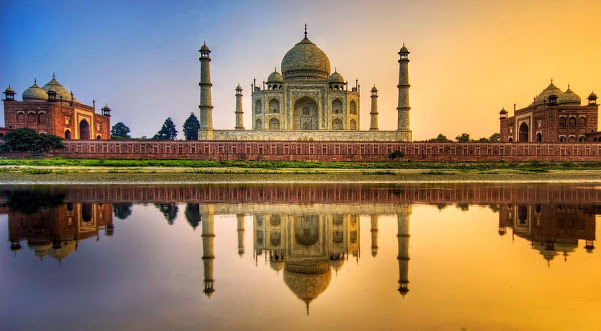
taj mahal panaromic
Maraṇenapi taṃ pahīyati
yaṃ puriso mamidanti maññati.
Etampi viditvā paṇḍito,
na mamattāya
nametha māmako.

At death a person abandons
what one construes as mine.
Realizing this, the wise
shouldn’t incline
to be devoted to mine.

Sutta Nipāta 4.812
Translated from the Pali by Thanissaro Bhikkhu


I Ching ~ Week of September 7, 2014

MENG#4 Meng ~ Without Experience

Above: Ken Mountain Firm rooted, nothing to lose
Below: K’an Water Flowing fast, possible danger
The Wisdom:

The tree is bearing fruit
What has been nurtured has taken root
The fruit is not yet ripe
Take of the fruit now, you will fall ill

In stillness you will hear the voice of spirit calling you to greatness. By listening with trust you can be led to a grand situation that will need time to mellow and mature. You will feel the power in your veins. The ego will likely say: Take it; go for it before it fades. If you move too quickly into the core of the situation, you will find that you do not have the information and the capacity to deal with energy such as this.

What is stirring in you has the depth of many layers, most are hidden To decipher the messages in stillness you will hear the truth that is telling you to hide and conceal your lust and desire for an outcome that will serve you. You need to know more about the essence of the situation before you commit to entering into the flow. The benefit now is to come to the stillness of the mountain.

Do not try to make it appear that you know what you do not. This would be folly and would create obstacles that will be difficult to overcome

The stillness of the mountain is not still at all;
Water flows from the mountain.
This is the symbolic spring of youthful beginnings and experiences;
A youthful attitude now brings success without bounds.

Within your reach, or perhaps just grasped, is the new. Newness is coming or has just come to your work and studies, whether these are inner or outer. In your present relationships and associations or that are on their way to you, your attitude about love, companionship, friendship and commerce requires renewal.

There is some danger here: Moving without the understanding that you are in a situation where you do not yet have the knowledge to undertake would have you move too fast. At this point accept that you do not yet have sufficient knowledge. Therefore, start slowly so that you can absorb the new, hidden, information being shown to you about yourself and your situation.

You are in a great position. But you must accept that in this situation you know very little about how to proceed. Revel in the fact that you are a beginner. Seek the information, teacher or guide who can mentor you into this next stage of abundance and love; take their advice and then go into the quiet of your heart. You are again the student. Accept and embrace that place.

The spring emerges through the rock on the mountain.
This is the new showing itself.
Be steady and clear.
Observe and open your mind and heart.
Be without fear or judgment.

Shoshin is a term in Zen meaning “beginner’s mind.” It refers to cultivating an attitude of openness, eagerness and lack of preconceptions when studying a subject, just as a beginner in that subject would—even if one is already at an advanced level.

Move too fast now you will fall impotent, unable to perform. This will leave you frustrated and the ego will have its way with you telling you are not enough, and that will stop you in your motion toward completion and greatness.

Being of the mind of the young student, the attitude of the beginner, will serve you well. In fact it is the only way in which you can proceed and be free of danger. Be as still and calm as the mountain now and allow the coming flow of knowledge that you will find only in humility. The knowledge you need will be like a spring, that with care soon can become the river. In this way, you will fill the gaps in your knowledge, and this will allow you to be carried to a peaceful and joyous success where you will find abundance, love and peace of mind. Go to the teacher you trust and offer alms of respect and gratitude. This may be a person or it may be the inner voice of wisdom reached in the silence of your quiet mind in meditation.

Each of us has unseen teachers who are wise, patient and kind. You are now at the place where you will be able to hear their voices and feel their compassion and love. So the question comes: “What do I do to connect?” The answers are easy: Be patient, compassionate and kind, and each day, be in wonder as the sun rises and sets. When you see the beauty of nature, when you hear the night bird sing, be as a child whose innocence is in awe of all that is new.

When children first hear an airplane flying overhead they stop in amazement. It seems to linger in the sky above. They look up and listen and watch as it makes its way slowly across their field of vision until it is out of sight. As we became accustomed to the sight, we become complacent as other airplanes make their way across our sky, and we hardly notice them. But then a helicopter would fly our way and we were in wonderment again. The pattern would repeat, and complacency would once again take the place of wonder.

Remember all those many years ago when you would watch bees and ants and be fully engaged with no sense of time? Go into that place and shed the cloak of complacency and see the wonder around you now. Share your vision and feelings with those around you, with no fear of embarrassment, shame or judgment.

In our youth it would seem that summer would never come and a year was such a long time. As we become older a year seemed like just a moment, and our youth seemed to have slipped away. It has not: All that has happened is we have become “sophisticated” and complacent, thinking we know sooo much.

Now the benefit is to teach what you know and listen; make way for the new. This is a path to freedom of thought, consciousness and spirituality. This hexagram comes to help us return to that state of the child in wonderment of the new. Be still and learn. Be still and listen, as you then become the mentor and teacher.

Dignity, integrity, compassion and kindness are your allies in the adventure before you. You are coming to know the unknowable, the hidden truth that is deep within you. You are both student and teacher. In accepting this with a child’s enthusiasm and vision, you will remove obstacles that have been blocking your way toward the waiting abundance, love and spirit. You become the innocent.

Come to know the voice of your heart. As you trust the voice of your heart, your inner knowing, your flow will be like the water that flows from the mountain made full by the spring rains.

In complacency you become dulled to the love around you. This causes loneliness and frustration. In your relationship, friendships, projects, career, or in your own inner journey of spiritual evolution, it will be of great benefit to refresh your knowledge and attitudes. You must learn new ways and think in a new way about how things are showing in your life and how things work. Quiet the ego and move into your inner knowing, your intuitive force that never disappoints. Then when you come to the realization that you do not have enough knowledge to proceed, something wonderful will happen: You will become the student again, the beginner who is filled with wondering and wonderment.

Recall what brought you joy and what you did for fun as a child and do it now. Skip down the lane, play with clay, steal a kiss, do finger painting. Whatever it is, reignite your innocence and sense of wonder. If you had trauma as a child around trust or love, accept that it happened, write about it, process it, and let it go. Move into a different pool of conscious activity that is joyous and filled with gratitude.

Discard the old and open to new ways of being and doing. In the process, be patient, kind, and compassionate with yourself and others as you begin learning new patterns. Observe the actions of happy children and bring that back into your life. By following the advice and vision of this hexagram, your frustrations will dissipate and you will feel the exhilaration of youth, no matter what your age.

Love is the result, process and lubricant to keep you in the knowing of your heart, while you let the mind run where it will…listen, let it go and return to the heart.

We are in revolutionary times where the revolution is in spirit and spirit is the companion of love. Feel love, be love and you will return to the knowing of the bubbling well of youthful enthusiasm tempered by a clear and meditative mind.

You are the one you have been waiting for.

Many blessings

BobbyK
www.bobbyklein.com


Daily Words of the Buddha ~ September 07, 2014

frog turtlePare ca na vijānanti
mayamettha yamāmase.
Ye ca tattha vijānanti
tato sammanti medhagā.

There are those who do not realize
that one day we all must die.
But those who do realize this
settle their quarrels.

Dhammapada 1.6

The Dhammapada: The Buddha’s Path of Wisdom, translated from the Pali by Acharya Buddharakkhita

Daily Words of the Buddha ~ September 06, 2014

whitepinkplumeriaNa tena ariyo hoti yena pāṇāni hiṃsati.
Ahiṃsā sabbapāṇānaṃ
“ariyo”ti pavuccati.

One is not noble who injures living beings.
One is called “noble” because
one is harmless towards all living beings.

Dhammapada 19.270

The Dhammapada: The Buddha’s Path of Wisdom,
translated from the Pali by Acharya Buddharakkhita


Daily Words of the Buddha ~ September 05, 2014

embraceNa tāvatā dhammadharo
yāvatā bahu bhāsati.
Yo ca appampi sutvāna,
dhammaṃ kāyena passati
sa ve dhammadharo hoti,
yo dhammaṃ nappamajjati.

One is not versed in Dhamma
because one speaks much.
One who, after hearing a little Dhamma,
realizes its truth directly
and is not heedless of it,
is truly versed in the Dhamma.

Dhammapada 19.259

The Dhammapada: The Buddha’s Path of Wisdom,
translated from the Pali by Acharya Buddharakkhita


Daily Words of the Buddha ~ September 04, 2014

buddha radiant
Evaṃ bho purisa jānāhi:
pāpadhammā asaññatā.
Mā taṃ lobho adhammo ca
ciraṃ dukkhāya randhayuṃ.

Know this, O good one:
evil things are difficult to control.
Let not greed and wickedness
drag you to protracted misery.

Dhammapada 18.248

The Dhammapada: The Buddha’s Path of Wisdom,
translated from the Pali by Acharya Buddharakkhita

Daily Words of the Buddha ~ September 03, 2014

eagle swoopYo pāṇamatipāteti, musāvādañca bhāsati,
loke adinnamādiyati,
paradārañca gacchati,
surāmerayapānañca yo naro anuyuñjati —
idhevameso lokasmiṃ, mūlaṃ khaṇati attano.

One who destroys life, utters lies,
takes what is not given,
goes to another man’s wife,
and is addicted to intoxicating drinks —
such a man digs up one’s own root even in this world.


Dhammapada 18.246, 18.247

The Dhammapada: The Buddha’s Path of Wisdom,
translated from the Pali by Acharya Buddharakkhita

Daily Words of the Buddha ~ September 02, 2014

pink Chinese girl
Hirīmatā ca dujjīvaṃ
niccaṃ sucigavesinā,
alīnenāppagabbhena,
suddhājīvena passatā.

Difficult is life for the modest one
who always seeks purity,
is detached and unassuming,
clean in life, and discerning.

Dhammapada 18.245

The Dhammapada: The Buddha’s Path of Wisdom,
translated from the Pali by Acharya Buddharakkhita

Daily Words of the Buddha for September 01, 2014

Adam Psybe
Ayasāva malaṃ samuṭṭhitaṃ
tatuṭṭhāya tameva khādati,
evaṃ atidhonacārinaṃ
sāni kammāni nayanti duggatiṃ.

Just as rust arising from iron
eats away the base from which it arises,
even so, their own deeds
lead transgressors to states of woe.

Dhammapada 18.240

The Dhammapada: The Buddha’s Path of Wisdom,
translated from the Pali by Acharya Buddharakkhita

Daily Words of the Buddha ~ August 30, 2014

pyramids EgyptSo karohi dīpamattano!
Khippaṃ vāyama paṇḍito bhava!
Niddhantamalo anaṅgaṇo,
na punaṃ jātijaraṃ upehisi.

Make an island unto yourself!
Strive hard and become wise!
Rid of impurities and cleansed of stain,
you shall not come again to birth and decay.


Dhammapada 18.238

The Dhammapada: The Buddha’s Path of Wisdom,
translated from the Pali by Acharya Buddharakkhita