
Welina mai e nā hoa ē a hau’ōli alōha Pō’alima! Ua lā pomaikaʻi au. I Hopenapule maika’i. Ō kā maluhia no me oe.
Warmest greetings to you, Friends, and a happy aloha Friday! Have a blessed day and have a nice weekend. Peace be with you.
Welina mai e nā hoa ē a hau’ōli alōha Pō’alima! Ua lā pomaikaʻi au. I Hopenapule maika’i. Ō kā maluhia no me oe.
Warmest greetings to you, Friends, and a happy aloha Friday! Have a blessed day and have a nice weekend. Peace be with you.
http://www.holographic-disclosure.com/
The ancient Egyptians understood harmonics and the wave form universe.Temples and chambers were built by the ancient brotherhoods, in order to amplify the lights, sounds and frequencies.
This was to manipulate the vibratory resonance within the temples.
DMT -:The PLANTS OF THE GODS or Teacher plants Opens your 3rd eye …
Let’s quickly look at the word GOD…
In the disclosure series it claimed, there is no God, and off course there isn’t.
We are talking about the GOD of dogma, the revengeful; blood thirsty and racist God that was created in the minds of men to control the docile masses.
•Let’s look at the word GOD spelled backwards, it spells Dog ,referring to the dog star, Sirius, in the constellation Canis Major. (The Greater Dog or the top dog)
Secret Key Activator Production
© All rights Reserved.

However we have come together, thank you for being here just as you are. Perhaps you’re feeling excited and peaceful in knowing you are in the good company of so many other soul family members who see, feel, and experience the same things you do (the emotional, mental, physical, and spiritual “symptoms” of awakening). Or, maybe through these heart-centered teachings, you have a familiar feeling of being “home,” or a deep recognition that has awoken something that was once slumbering in you. However you are moving through these times, we share excitement with you for the flowering of consciousness that is taking place like no other time in human history.
As we encounter the various people, places, and things in our day-to-day reality:
May what moves us energetically-sensitive ones emotionally, serve to further awaken consciousness in action so we can contribute to the peaceful, loving planet we wish to live on.
May the appearance of opposing forces, and “light and dark” duality serve to only unify humanity and wake us up to new paradigm of heart-centered consciousness for the well-being of all.
May we love our own hearts and our own innocence deeper and more intimately than ever before, in this breath, and the next.
Integrating into the 5th dimension is where all the shifts, clearings, and inner work you’ve been doing over the past many years (and lifetimes) can synthesize higher frequencies of light into your cells, which brings to life a greater spiritual reality on an emotional and physical level. While so many of you have been frustrated by the amount of personal growth you’ve done, and wonder why it doesn’t seem to make a difference in your reactions and responses to the world around you, it is because the true freedom and relief you seek occurs throughout the integration process.
When integration occurs, you will transition from being exhausted by life, to then be inspired and energized by your new reality of heart-centered consciousness. During this stage of integration, a wellspring of passion and intuitive direction divinely guides you forward into the opportunities, environments, and relationships of a new spiritual paradigm. As you integrate, the physical body is able to maintain your expanded vibration to uplift others, instead of feeling pulled down by the unresolved energies of those around you.
Integration also moves you beyond many self-defeating and compulsive patterns you may have been surprised to revisit over the past few years, ushering in a renewed sense of health, harmony, balance, fulfillment, and vitality throughout your life. As you integrate, your point of attraction begins shifting in your favor to reveal the resources, synchronicities and abundance that you no longer have to work so hard to discover.
Perhaps you’ve heard stories of Eastern mystics who meditate ceaselessly for weeks on end. Perhaps you have a friend who meditates for an hour every day. Or maybe you came across some sort of “instant meditation” program than promised you results at the touch of a button.
So what is the truth? Will it take minutes, hours or days for you to experience the benefits of meditation? Sometimes it is not so easy to find time to meditate, so will you be able to fit meditation into your schedule? When will you be ready for a longer meditation?
Let’s get right into the answers!


Welina mai e nā hoa ē a hau’ōli alōha Pō’aha! O ka mihi laʻau mua, a he piko hou. Ō kā maluhia no me oe.
Warmest greetings to you, Friends, and a happy aloha Thursday! New beginnings start with forgiveness. Peace be with you.
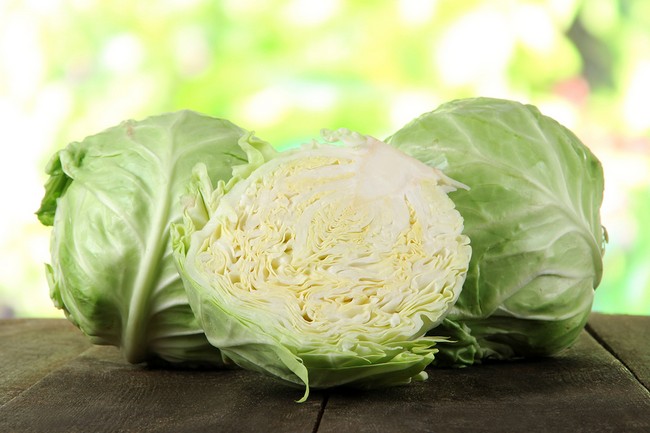
Ok, so you eat kale, drink bone broth, and brew your own kombucha, but there are some super healthy foods you never give a second thought to- but you should!
There are plenty of healthy foods that probably never see your shopping cart, others that you may never have heard of, or some of these you might have simply forgotten about. So keep reading and find out the 15 super nutritionally dense foods you probably aren’t eating but that you will be after you read this list!

The hits just keep on coming when it comes to the health benefits of meditation. Research is now emerging that would justify implementing this practice within hospitals and schools (some already do) as well as including it in treatment recommendations for various diseases.
Not long ago, an eight week study conducted by Harvard researchers at Massachusetts General Hospital (MGH) determined that meditation literally rebuilds the brains grey matter in just eight weeks. It was the very first study to document that meditation produces changes over time in the brain’s grey matter. Now, they’ve released another study showing that meditation can have a significant impact on clinical symptoms of gastrointestinal disorders, irritable bowel syndrome (IBS) and inflammatory bowel disease (IBD). The study showed that elicitation of the relaxation response (a physical state of deep rest that changes the physical and emotional responses to stress) is a very big help.
The study comes out of the Benson-Henry Institute for Mind Body Medicine at Massachusetts General Hospital (MGH) and Beth Israel Deaconess Medical Center (BIDMC). This is the very first study where the use of the “relaxation response” was examined in these disorders, and the first to investigate the genomic effects of the relaxation response in individuals with any disorder. The report was published in the journal PLOS-ONE. (source)
Given the two studies cited above, and all of the other documented health benefits of meditation, this should open the door for more studies to examine the benefits of meditation for a wide range of diseases.
“Our results suggest exciting possibilities for further developing and implementing this treatment in a wider group of patients with gastrointestinal illness. Several studies have found that stress management techniques and other psychological interventions can help patients with IBS, at least in the short term; and while the evidence for IBD is less apparent, some studies have suggested potential benefits. What is novel about our study is demonstration of the impact of a mind/body intervention on the genes controlling inflammatory factors that are known to play a major role in IBD and possibly in IBS.” – Brandon Kuo of the gastrointestinal unit in the MGH Department of Medicine, co-lead author of the report. (source)
(Click on the image, above, to read the entire article.)

America has known about lemons since at least the 16th century, when Christopher Columbus brought them to what is now Florida. Lemons (and limes) were very valuable at the time for the protection they offered against scurvy. During the Gold Rush in California, lemons were so popular and in such unbelievably high demand that people were willing to pay the unheard price of $1 each. This would be expensive even for today, but imagine that in the 1800’s!
Although high levels of vitamin C and alkalizing effects on the body are no doubt among the great reasons to always keep lemons around (or to plant your own tree) these sour fruits have a type of antioxidant known as flavonoids that can fight inflammation, heart disease, and cancer, according to the Journal of Agricultural and Food Chemistry.
The Ancient Egyptians thought that drinking the juice or eating lemons would protect you from poison. Although there are many health benefits to lemons and their juice, protection from poison might not be one of them, but they will certainly help to protect you from disease and infection, which can save your life. They are also powerful cleaning and beauty agents, which are almost as important, right?!
Well, although we might not have quite a million things listed here, it might seem like it. This list contains valuable information about how you can use lemons for your health, for cleaning, for beauty treatments, and more!
Keep reading to find out just how valuable lemons actually are and why people would pay a buck a piece for one!
Today, take time to do something that makes your heart sing. Passion has no expiration date.
Great things are done by a series of small things brought together.
— Vincent Van Gogh
Welina mai e nā hoa ē a hau’ōli alōha Pō’akolu! Ō kā maluhia no me oe.
Warmest greetings to you, Friends, and a happy aloha Wednesday! Peace be with you.
Welina mai e nā hoa ē a hau’ōli alōha Pō’alua! Ō kā maluhia no me oe.
Warmest greetings to you, Friends, and a happy aloha Tuesday! Peace be with you.
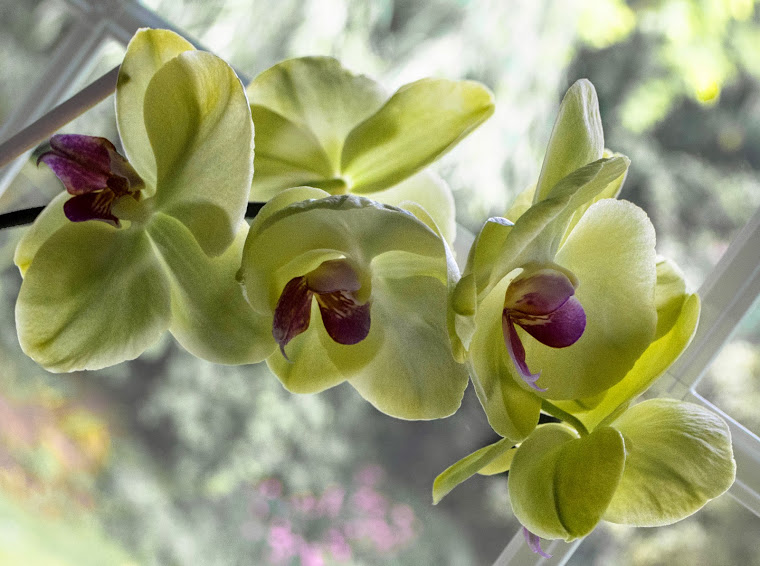
Welina mai e nā hoa ē a hau’ōli alōha Po’akahi! Ō kā maluhia no me oe.
Warmest greetings to you, Friends, and a happy aloha Monday! Peace be with you.

Venus is retrograde until September 6. So what does that mean? Is it like Mercury retrograde?
Not exactly. To understand Venus retrograde, we first have to look at what Venus astrological stands for:
Love
Attraction
Beauty
Balance
Harmony
Our urge to relate and connect, and the quality of our connections
When a planet is retrograde, it’s energies are turned inward, like we were looking in a mirror and seeing yourself through your own eyes rather than through the eyes of others. When a planet is retrograde, it doesn’t function “normally.” The things that it stands for can go a little haywire. In the case of Venus, we might do things and make choices related to the list of items above that we wouldn’t ordinarily. We might be attracted to things and people that we aren’t normally attracted to. This could be a good thing, but it could also be a…
View original post 187 more words
Yes … breakin’ it down and he’s on the right track …
Part 2 —
Part 3 —
Panzanella is an Italian dish that is traditionally made with day old bread. It is a great summer recipe because it uses delicious, fresh summer produce like tomatoes and cucumbers.
For the Vinaigrette
2 cloves garlic (minced)
2 Tablespoons red wine vinegar
1 teaspoon spicy or Dijon mustard
1/2 cup olive oil
1 teaspoon Kosher salt
1/2 teaspoon black pepper
For the Salad
1 hot house cucumber
2 tomatoes
20 – 30 basil leaves
This depends on the size of the leaves, I used 30 medium leaves.
1/2 – 1 small red onion
I use a whole one, but I love red onions 🙂
1 teaspoon Kosher salt
3 cups homemade croutons
3 cups of day old bread (cubed)
or
6 cups of day old bread (cubed)
Instructions
1. Combine the garlic, red wine vinegar and mustard into a bowl, whisk in the olive oil. Then add the salt and pepper. Do a taste test and decide if you want to add more salt or pepper.
2. Cut the cucumber long ways and remove the seeds. Then cut it into bite size pieces. Place into a large bowl.
3. Remove the core of the tomato and quarter it. Remove the seeds. Dice the tomato and and add it to the bowl with the cucumbers.
4. Chiffonade your basil but do thicker slices then you normally would. (To chiffonade, stack several basil leaves and roll them into a tight roll, slice them starting at one end. Normally you would do thin “little” ribbons which is what chiffonade means but, in this case, I sliced my ribbons thicker). Add it to the tomato and cucumbers.
5. Slice the red onion into thin slices. Add them into the bowl along with another teaspoon of Kosher salt and the vinaigrette. Stir.
6. Cover the bowl and refrigerate for 2-3 hours.
7. Remove from the refrigerator and add the croutons and day old bread. Stir. Allow this to set for 30 minutes to an hour before serving.
Enjoy!


Welina mai e nā hoa ē a hau’ōli alōha La’pule! Ō kā maluhia no me oe.
Warmest greetings to you, Friends, and a happy aloha Sunday! Peace be with you.
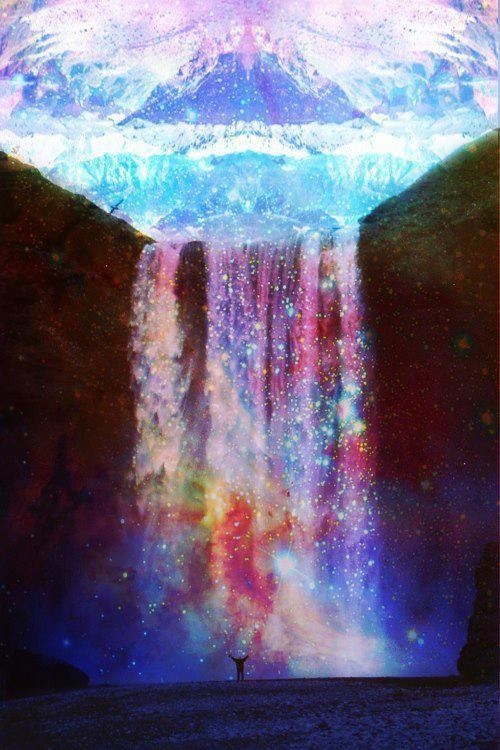
SANSKRIT MANTRA
Ananta Swa Bhava
My true self has no limits or boundaries
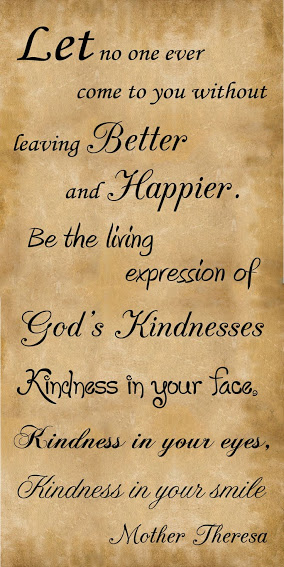

“I didn’t come here of my own accord and I can’t leave that way.
Whoever brought me here, will have to take me Home.
~ Rumi

Welina mai e nā hoa ē a hau’ōli alōha Po’aono! I Hopenapule maika’i oukou. Ō kā maluhia no me oe.
Warmest greetings to you, Friends, and a happy aloha Saturday! Have a nice weekend everyone. Peace be with you.
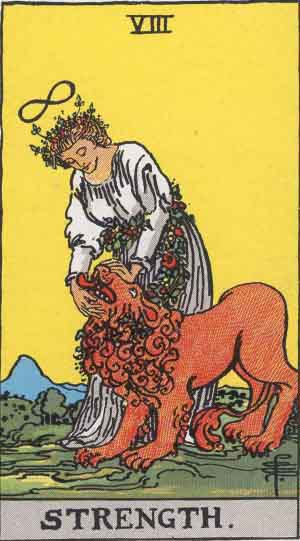

The world-wide coverage and outrage over the horrible murder of Cecil the Lion in Zimbabwe by Minnesota dentist Walter Palmer who cruelly lured the protected lion, shot him with arrows and injuring him instead of killing him. The poor regal King of beasts suffered for 40 hours until he was found. Palmer shot him with a rifle, beheaded and skinned him and took his body parts for a Trophy. Cecil did not die in vain, no. He has taken one for the team, he is actually the Lion acting as the sacrificial lamb. Rudolph Steiner, the great mystic wrote a lot about the Solar Lion.
Everything is symbolic and we are living in heightened archetypal awareness.
Venus Turned Retrograde exactly on the Fixed Star Regulus at Zero degrees of the VIRGO the “do Right” Goddess and what happens down below?
The “Fixed Star” Regulus, in the Constellation of LEO…
View original post 892 more words
US (North America) and UK + EU Maps for Full Moon (Blue Moon) 2015-07-31
Here is the United States map (with most of North America) for the Blue Moon:

[Click Image to Enlarge]
Here is the United Kingdom and European Union map for the Blue Moon:

[Click Image to Enlarge]
.

Welina mai ē nā hōa ē hau’ōli aloha Pōʻahā! Ō kā maluhia nō me ʻoe.
Warmest greetings to you, Friends, and a happy aloha Thursday! Peace be with you.
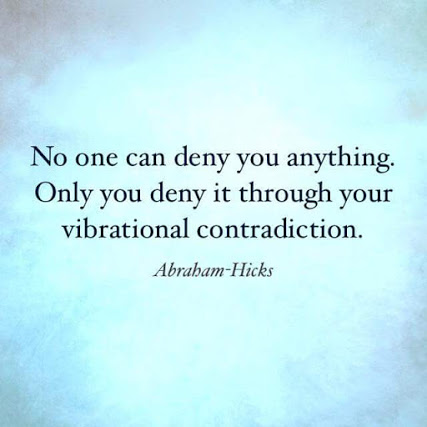
Since I stopped believing that only the brain thinks, and paying more attention to my heart’s response, I am finding that I live life with more humour, simplicity and fun.

Take advantage of the quiet times in our daily lives, even if they happen by accident.
How your memories impact your immune system, why moving is one of the most stressful life-events, and what your parents have to do with your predisposition to PTSD.
 I had lived thirty good years before enduring my first food poisoning — odds quite fortunate in the grand scheme of things, but miserably unfortunate in the immediate experience of it. I found myself completely incapacitated to erect the pillars of my daily life — too cognitively foggy to read and write, too physically weak to work out or even meditate. The temporary disability soon elevated the assault on my mind and body to a new height of anguish: an intense experience of stress. Even as I consoled myself with Nabokov’s exceptionally florid account of food poisoning, I couldn’t shake the overwhelming malaise that had engulfed me — somehow, a physical illness had completely colored my psychoemotional reality.
This experience, of course, is far from uncommon. Long before scientists began shedding light on how our minds and bodies actually affect one another, an intuitive understanding of this dialogue between the body and the emotions, or feelings, emerged and permeated our very language: We use “feeling sick” as a grab-bag term for both the sensory symptoms — fever, fatigue, nausea — and the psychological malaise, woven of emotions like sadness and apathy.
Pre-modern medicine, in fact, has recognized this link between disease and emotion for millennia. Ancient Greek, Roman, and Indian Ayurvedic physicians all enlisted the theory of the four humors — blood, yellow bile, black bile, and phlegm — in their healing practices, believing that imbalances in these four visible secretions of the body caused disease and were themselves often caused by the emotions. These beliefs are fossilized in our present language —melancholy comes from the Latin words for “black” (melan) and “bitter bile” (choler), and we think of a melancholic person as gloomy or embittered; aphlegmatic person is languid and impassive, for phlegm makes one lethargic.
 Chart of the four humors from a 1495 medical textbook by Johannes de Ketham
And then French philosopher and mathematician René Descartes came along in the seventeenth century, taking it upon himself to eradicate the superstitions that fueled the religious wars of the era by planting the seed of rationalism. But the very tenets that laid the foundation of modern science — the idea that truth comes only from what can be visibly ascertained and proven beyond doubt — severed this link between the physical body and the emotions; those mysterious and fleeting forces, the biological basis of which the tools of modern neuroscience are only just beginning to understand, seemed to exist entirely outside the realm of what could be examined with the tools of rationalism.
For nearly three centuries, the idea that our emotions could impact our physical health remained scientific taboo — setting out to fight one type of dogma, Descartes had inadvertently created another, which we’re only just beginning to shake off. It was only in the 1950s that Austrian-Canadian physician and physiologist Hans Selye pioneered the notion of stress as we now know it today, drawing the scientific community’s attention to the effects of stress on physical health and popularizing the concept around the world. (In addition to his scientific dedication, Selye also understood the branding component of any successful movement and worked tirelessly to include the word itself in dictionaries around the world; today, “stress” is perhaps the word pronounced most similarly in the greatest number of major languages.)
But no researcher has done more to illuminate the invisible threads that weave mind and body together than Dr. Esther Sternberg. Her groundbreaking work on the link between the central nervous system and the immune system, exploring how immune molecules made in the blood can trigger brain function that profoundly affects our emotions, has revolutionized our understanding of the integrated being we call a human self. In the immeasurably revelatory The Balance Within: The Science Connecting Health and Emotions (public library), Sternberg examines the interplay of our emotions and our physical health, mediated by that seemingly nebulous yet, it turns out, remarkably concrete experience called stress.
 Esther Sternberg by Steve Barrett
With an eye to modern medicine’s advances in cellular and molecular biology, which have made it possible to measure how our nervous system and our hormones affect our susceptibility to diseases as varied as depression, arthritis, AIDS, and chronic fatigue syndrome, Sternberg writes:
By parsing these chemical intermediaries, we can begin to understand the biological underpinnings of how emotions affect diseases…
The same parts of the brain that control the stress response … play an important role in susceptibility and resistance to inflammatory diseases such as arthritis. And since it is these parts of the brain that also play a role in depression, we can begin to understand why it is that many patients with inflammatory diseases may also experience depression at different times in their lives… Rather than seeing the psyche as the source of such illnesses, we are discovering that while feelings don’t directly cause or cure disease, the biological mechanisms underlying them may cause or contribute to disease. Thus, many of the nerve pathways and molecules underlying both psychological responses and inflammatory disease are the same, making predisposition to one set of illnesses likely to go along with predisposition to the other. The questions need to be rephrased, therefore, to ask which of the many components that work together to create emotions also affect that other constellation of biological events, immune responses, which come together to fight or to cause disease. Rather than asking if depressing thoughts can cause an illness of the body, we need to ask what the molecules and nerve pathways are that cause depressing thoughts. And then we need to ask whether these affect the cells and molecules that cause disease.
[…]
We are even beginning to sort out how emotional memories reach the parts of the brain that control the hormonal stress response, and how such emotions can ultimately affect the workings of the immune system and thus affect illnesses as disparate as arthritis and cancer. We are also beginning to piece together how signals from the immune system can affect the brain and the emotional and physical responses it controls: the molecular basis of feeling sick. In all this, the boundaries between mind and body are beginning to blur.
Indeed, the relationship between memory, emotion, and stress is perhaps the most fascinating aspect of Sternberg’s work. She considers how we deal with the constant swirl of inputs and outputs as we move through the world, barraged by a stream of stimuli and sensations:
Every minute of the day and night we feel thousands of sensations that might trigger a positive emotion such as happiness, or a negative emotion such as sadness, or no emotion at all: a trace of perfume, a light touch, a fleeting shadow, a strain of music. And there are thousands of physiological responses, such as palpitations or sweating, that can equally accompany positive emotions such as love, or negative emotions such as fear, or can happen without any emotional tinge at all. What makes these sensory inputs and physiological outputs emotions is the charge that gets added to them somehow, somewhere in our brains. Emotions in their fullest sense comprise all of these components. Each can lead into the black box and produce an emotional experience, or something in the black box can lead out to an emotional response that seems to come from nowhere.
 Illustration from ‘Neurocomic,’ a graphic novel about how the brain works. Click image for more.
Memory, it turns out, is one of the major factors mediating the dialogue between sensation and emotional experience. Our memories of past experience become encoded into triggers that act as switchers on the rail of psychoemotional response, directing the incoming train of present experience in the direction of one emotional destination or another.
Sternberg writes:
Mood is not homogeneous like cream soup. It is more like Swiss cheese, filled with holes. The triggers are highly specific, tripped by sudden trails of memory: a faint fragrance, a few bars of a tune, a vague silhouette that tapped into a sad memory buried deep, but not completely erased. These sensory inputs from the moment float through layers of time in the parts of the brain that control memory, and they pull out with them not only reminders of sense but also trails of the emotions that were first connected to the memory. These memories become connected to emotions, which are processed in other parts of the brain: the amygdala for fear, the nucleus accumbens for pleasure — those same parts that the anatomists had named for their shapes. And these emotional brain centers are linked by nerve pathways to the sensory parts of the brain and to the frontal lobe and hippocampus — the coordinating centers of thought and memory.
The same sensory input can trigger a negative emotion or a positive one, depending on the memories associated with it.
 Illustration by Maurice Sendak from ‘Open House for Butterflies’ by Ruth Krauss. Click image for more.
This is where stress comes in — much like memory mediates how we interpret and respond to various experiences, a complex set of biological and psychological factors determine how we respond to stress. Some types of stress can be stimulating and invigorating, mobilizing us into action and creative potency; others can be draining and incapacitating, leaving us frustrated and hopeless. This dichotomy of good vs. bad stress, Sternberg notes, is determined by the biology undergirding our feelings — by the dose and duration of the stress hormones secreted by the body in response to the stressful stimulus. She explains the neurobiological machinery behind this response:
As soon as the stressful event occurs, it triggers the release of the cascade of hypothalamic, pituitary, and adrenal hormones — the brain’s stress response. It also triggers the adrenal glands to release epinephrine, or adrenaline, and the sympathetic nerves to squirt out the adrenaline-like chemical norepinephrine all over the body: nerves that wire the heart, and gut, and skin. So, the heart is driven to beat faster, the fine hairs of your skin stand up, you sweat, you may feel nausea or the urge to defecate. But your attention is focused, your vision becomes crystal clear, a surge of power helps you run — these same chemicals released from nerves make blood flow to your muscles, preparing you to sprint.
All this occurs quickly. If you were to measure the stress hormones in your blood or saliva, they would already be increased within three minutes of the event. In experimental psychology tests, playing a fast-paced video game will make salivary cortisol increase and norepinephrine spill over into venous blood almost as soon as the virtual battle begins. But if you prolong the stress, by being unable to control it or by making it too potent or long-lived, and these hormones and chemicals still continue to pump out from nerves and glands, then the same molecules that mobilized you for the short haul now debilitate you.

These effects of stress exist on a bell curve — that is, some is good, but too much becomes bad: As the nervous system secretes more and more stress hormones, performance increases, but up to a point; after that tipping point, performance begins to suffer as the hormones continue to flow. What makes stress “bad” — that is, what makes it render us more pervious to disease — is the disparity between the nervous system and immune system’s respective pace. Sternberg explains:
The nervous system and the hormonal stress response react to a stimulus in milliseconds, seconds, or minutes. The immune system takes parts of hours or days. It takes much longer than two minutes for immune cells to mobilize and respond to an invader, so it is unlikely that a single, even powerful, short-lived stress on the order of moments could have much of an effect on immune responses. However, when the stress turns chronic, immune defenses begin to be impaired. As the stressful stimulus hammers on, stress hormones and chemicals continue to pump out. Immune cells floating in this milieu in blood, or passing through the spleen, or growing up in thymic nurseries never have a chance to recover from the unabated rush of cortisol. Since cortisol shuts down immune cells’ responses, shifting them to a muted form, less able to react to foreign triggers, in the context of continued stress we are less able to defend and fight when faced with new invaders. And so, if you are exposed to, say, a flu or common cold virus when you are chronically stressed out, your immune system is less able to react and you become more susceptible to that infection.
 Illustration from ‘Donald and the…’ by Edward Gorey. Click image for more.
Extended exposure to stress, especially to a variety of stressors at the same time — any combination from the vast existential menu of life-events like moving, divorce, a demanding job, the loss of a loved one, and even ongoing childcare — adds up a state of extreme exhaustion that leads to what we call burnout.
Sternberg writes:
Members of certain professions are more prone to burnout than others — nurses and teachers, for example, are among those at highest risk. These professionals are faced daily with caregiving situations in their work lives, often with inadequate pay, inadequate help in their jobs, and with too many patients or students in their charge. Some studies are beginning to show that burnt-out patients may have not only psychological burnout, but also physiological burnout: a flattened cortisol response and inability to respond to any stress with even a slight burst of cortisol. In other words, chronic unrelenting stress can change the stress response itself. And it can change other hormone systems in the body as well.
One of the most profound such changes affects the reproductive system — extended periods of stress can shut down the secretion of reproductive hormones in both men and women, resulting in lower fertility. But the effects are especially perilous for women — recurring and extended episodes of depression result in permanent changes in bone structure, increasing the risk of osteoporosis. In other words, we register stress literally in our bones.
 Art from ‘Evolution’ by Patrick Gries and Jean-Baptiste de Panafieu. Click image for more.
But stress isn’t a direct causal function of the circumstances we’re in — what either amplifies or ameliorates our experience of stress is, once again, memory. Sternberg writes:
Our perception of stress, and therefore our response to it, is an ever-changing thing that depends a great deal on the circumstances and settings in which we find ourselves. It depends on previous experience and knowledge, as well as on the actual event that has occurred. And it depends on memory, too.
The most acute manifestation of how memory modulates stress is post-traumatic stress disorder, or PTSD. For striking evidence of how memory encodes past experience into triggers, which then catalyze present experience, Sternberg points to research by psychologist Rachel Yehuda, who found both Holocaust survivors and their first-degree relatives — that is, children and siblings — exhibited a similar hormonal stress response.
This, Sternberg points out, could be a combination of nature and nurture — the survivors, as young parents for whom the trauma was still fresh, may well have subconsciously taught their children a common style of stress-responsiveness; but it’s also possible that these automatic hormonal stress responses permanently changed the parents’ biology and were transmitted via DNA to their children. Once again, memory encodes stress into our very bodies. Sternberg considers the broader implications:
Stress need not be on the order of war, rape, or the Holocaust to trigger at least some elements of PTSD. Common stresses that we all experience can trigger the emotional memory of a stressful circumstance — and all its accompanying physiological responses. Prolonged stress — such as divorce, a hostile workplace, the end of a relationship, or the death of a loved one — can all trigger elements of PTSD.
Among the major stressors — which include life-events expected to be on the list, such as divorce and the death of a loved one — is also one somewhat unexpected situation, at least to those who haven’t undergone it: moving. Sternberg considers the commonalities between something as devastating as death and something as mundane as moving:
One is certainly loss — the loss of someone or something familiar. Another is novelty — finding oneself in a new and unfamiliar place because of the loss. Together these amount to change: moving away from something one knows and toward something one doesn’t.
[…]
An unfamiliar environment is a universal stressor to nearly all species, no matter how developed or undeveloped.
In the remainder of the thoroughly illuminating The Balance Within, Sternberg goes on to explore the role of interpersonal relationships in both contributing to stress and shielding us from it, how the immune system changes our moods, and what we can do to harness these neurobiological insights in alleviating our experience of the stressors with which every human life is strewn.

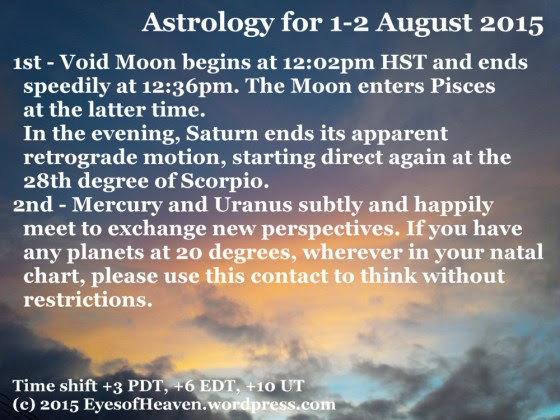
July 31, 2015 is a blue moon.The second full moon for the month, the first one was on July 2 and the second one, which is called the Blue moon will be on July 31, 2015.
According to Wikipedia
A blue moon is an additional full moon that appears in a subdivision of a year, either the third of four full moons in a season or, a second full moon in a month of the common calendar.
The phrase has nothing to do with the actual color of the moon, although a literal “blue moon” (the moon appearing with a tinge of blue) may occur in certain atmospheric conditions; e.g., when there are volcanic eruptions or when exceptionally large fires leave particles in the atmosphere. This phenomenon is specific to calendars. Lunar calendars like the Indian national calendar always have one full moon a month.
The term has traditionally referred to an ‘extra’ moon, where a year which normally has 12 moons has 13 instead. The ‘blue moon’ reference is applied to the 3rd moon in a season with 4 moons,[1] thus correcting the timing of the last month of a season that would have otherwise been expected too early. This happens every two to three years (seven times in the Metonic cycle of 19 years).[2] The March 1946 issue of Sky & Telescope misinterpreted the traditional definition, which led to the modern colloquial misunderstanding that a blue moon is a second full moon in a single solar calendar month with no seasonal link.
Owing to the rarity of a blue moon, the term “blue moon” is used colloquially to mean a rare event, as in the phrase “once in a blue moon”.
One lunation (an average lunar cycle) is 29.53 days. There are about 365.24 days in a tropical year. Therefore, about 12.37 lunations (365.24 days divided by 29.53 days) occur in a tropical year. In the widely used Gregorian calendar, there are 12 months (the word month is derived from moon) in a year, and normally there is one full moon each month. Each calendar year contains roughly 11 days more than the number of days in 12 lunar cycles. The extra days accumulate, so every two or three years (7 times in the 19-year Metonic cycle), there is an extra full moon. The extra moon necessarily falls in one of the four seasons, giving that season four full moons instead of the usual three, and, hence, a blue moon.
Origin of the term:
The suggestion has been made that the term “blue moon” for “intercalary month” arose by folk etymology, the “blue” replacing the no-longer-understood belewe, ‘to betray’. The original meaning would then have been “betrayer moon”, referring to a full moon that would “normally” (in years without an intercalary month) be the full moon of spring, while in an intercalary year, it was “traitorous” in the sense that people would have had to continue fasting for another month in accordance with the season of Lent.
The earliest recorded English usage of the term blue moon is found in an anti-clerical pamphlet (attacking the Roman clergy, and cardinal Thomas Wolsey in particular) by two converted Greenwich friars, William Roy and Jerome Barlow, published in 1528 under the title Rede me and be nott wrothe, for I say no thynge but trothe. The relevant passage reads:
O churche men are wyly foxes […] Yf they say the mone is blewe / We must beleve that it is true / Admittynge their interpretacion. (ed. Arber 1871 p. 114)
It is not clear from the context that this refers to intercalation; the context of the passage is a dialogue between two priest’s servants, spoken by the character “Jeffrey” (a brefe dialoge betwene two preste’s servauntis, named Watkyn and Ieffraye). The intention may simply be that Jeffrey makes an absurd statement, “the moon is blue”, to make the point that priests require laymen to believe in statements even if they are patently false. But in the above interpretation of “betrayer moon”, Jeffrey may also be saying that it is up to the priests to say when Lent will be delayed, by announcing “blue moons” which laymen have no means to verify.
The most literal meaning of blue moon is when the moon (not necessarily a full moon) appears to a casual observer to be unusually bluish, which is a rare event. The effect can be caused by smoke or dust particles in the atmosphere, as has happened after forest fires in Sweden and Canada in 1950 and 1951, and after the eruption of Krakatoa in 1883, which caused the moon to appear blue for nearly two years. Other less potent volcanoes have also turned the moon blue. People saw blue moons in 1983 after the eruption of the El Chichón volcano in Mexico, and there are reports of blue moons caused by Mount St. Helens in 1980 and Mount Pinatubo in 1991.In the Antarctic diary of Robert Falcon Scott for July 11, 1911 his entry says, “…the air thick with snow, and the moon a vague blue.” On that date the moon phase would have looked full.
On September 23, 1950, several muskeg fires that had been smoldering for several years in Alberta, Canada, suddenly blew up into major—and very smoky—fires. Winds carried the smoke eastward and southward with unusual speed, and the conditions of the fire produced large quantities of oily droplets of just the right size (about 1 micrometre in diameter) to scatter red and yellow light. Wherever the smoke cleared enough so that the sun was visible, it was lavender or blue. Ontario, Canada, and much of the east coast of the United States were affected by the following day, and two days later, observers in Britain reported an indigo sun in smoke-dimmed skies, followed by an equally blue moon that evening.
The key to a blue moon is having lots of particles slightly wider than the wavelength of red light (0.7 micrometer)—and no other sizes present. It is rare, but volcanoes sometimes produce such clouds, as do forest fires. Ash and dust clouds thrown into the atmosphere by fires and storms usually contain a mixture of particles with a wide range of sizes, with most smaller than 1 micrometer, and they tend to scatter blue light. This kind of cloud makes the moon turn red; thus red moons are far more common than blue moons.
SOURCE : https://en.wikipedia.org/wiki/Blue_moon
(Disclaimer: I do not own the copyright to the image/photo neither do I claim ownership of the same. Any information regarding the owner of the photo/image will be much appreciated so that I can give the proper credit)
kusalarāsī — a heap of merit

Welina mai e nā hoa ē a hau’ōli alōha Po’akolu! Ō kā maluhia no me oe.
Warmest greetings to you, Friends, and a happy aloha Wednesday! Peace be with you.
Find Your Magic
Tarot Readings, Inspiration, and Self-Empowerment
Making life on earth magick one moon phase at a time.
Astrologer ~ Mystic ~ Writer
of the Collegium Spiritus Sancti, a Golden Dawn Society
An affiliate of the Alpha et Omega Order of Melchizedek
All Knowledge Is Not Contained In Only One School
Connecting the grant community to #LearnGrants
Channelings & Articles
Magic Spell Books & Grimoires
Native Hawaiian Language Revitalization
Poetry & Tales of Love, Mystery, Magic and Spirituality
Organic Herbs, Herbals, Sustainable Gardening
Mother Nature: Feeding The Mind, Body & Soul, with Food, Medicine & Skincare.
"Inheritor of a Dying World, we call thee to the Living Beauty. Wanderer in the Wild Darkness, we call thee to the Gentle Light..."
Time is the most important thing we've been given
Embracing the Divine Within.
"...That I should bear witness to the truth." - John 18:37 // David E. Robinson, Publisher

 Hālau 'Aha Hui Lānākila