Tag: health
15 Vegetables You Can Grow In Your Autumn Garden
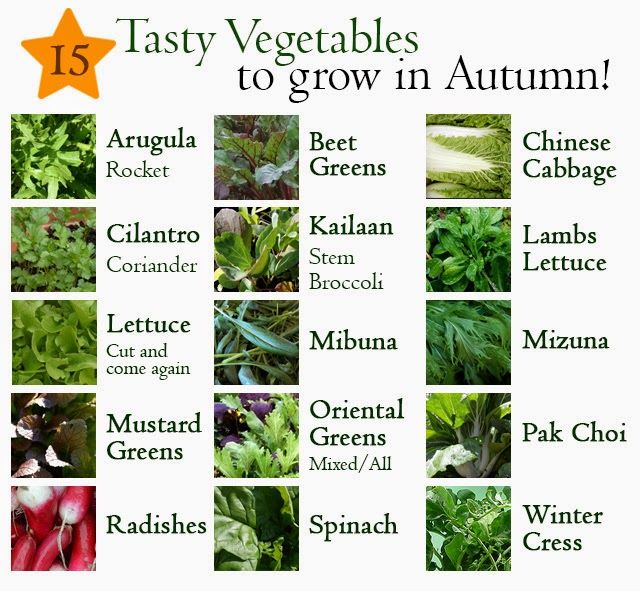
For me it’s been a tough year to find time for my allotment but on the other hand I’ve been growing loads of greens and herbs at home. Whether you’re a busy person or short of space, growing edibles in containers is an efficient way to garden. Place your pots on a balcony or the patio outside your kitchen door and you can have a steady and convenient supply of salad leaves throughout the summer and autumn. Bring them into a greenhouse or conservatory and you can continue the harvest throughout the cooler months.
Discussion ~ Eating According To Your Genes

Nutritional genomics or Nutrigenomics is a new science studying the relationship between human genome, nutrition and health
97% of the genes known to be associated with human diseases result in monogenic diseases, i.e. a mutation in one gene is sufficient to cause the disease
Modifying the dietary intake can prevent some monogenic diseases
Can eating broccoli prevent cancer? This could actually benefit carriers of the gene like GSTM1, but not others …
Carries of CYP1A2 gene could be at higher risk of a heart attack if they consume a considerable amount of caffeine
Studies have shown that the NAT2 acetylator genotype had a higher risk of developing colon cancer in people who consumed relatively large quantities of red meat
Consider #Coffee : A number of studies offer evidence that drinking java lowers heart-disease risk, most likely as a result of antioxidants and other beneficial compounds in coffee beans. But a few studies show heavy coffee drinkers having a higher than average risk of heart disease—leaving scientists scratching their heads. Nutrigenomics suggests an explanation. In people with the genetic variant that causes sluggish metabolism of caffeine, the stimulant sticks around in the bloodstream longer than usual, where it may disrupt normal heart rhythms and boost blood pressure, overwhelming any benefit. Quick metabolizers, on the other hand, clear the caffeine fast from their bloodstreams but still enjoy the benefits.
Type 2 #Diabetes offers another example. Several studies suggest eating too much #sugar and refined carbohydrates—foods linked with big jumps in blood sugar—can lead to type 2 diabetes. But when researchers look at large groups of subjects, no clear link emerges. The reason may be that only some people are #genetically sensitive to the effects of these foods on blood sugar.
#Cholesterol : Can nutrigenomics explain why some people’s cholesterol levels respond to a healthy diet and others’ don’t? Here, too, there are plenty of clues. Scientists have detected one gene variation that seems to enhance the health benefits of polyunsaturated fats, for example, giving people who possess it a bigger boost in good cholesterol when they eat a diet rich in plant oils. Another appears to make bad-cholesterol levels more likely to soar when people eat a high-fat diet. “Variants in a gene called APOE, which controls cholesterol metabolism, seem to be especially important,” Ordovas told me. People with one genetic pattern see a big drop in cholesterol levels when they switch to a healthier diet. Those with a slightly different pattern get almost no benefit at all.
A study conducted at Stanford University looked at the long-term effects of #weightloss using a few different diets assigned at random. Results showed that some participants lost weight on one type of #diet such as low-fat, while others did not. The study then tested participants’ #DNA for 3 specific gene variations and found that those using the best diet for their DNA lost as much as 2 1/2 times more weight than those not using their best DNA diet.
“It makes sense because our genes control hormone levels, enzyme levels – all the basic levels of #metabolism . And how we metabolize food determines what happens to the nutrients and calories we take in” – ays David Katz, MD, nutrition expert and founder of the Yale Prevention Center
Many common diseases, such as #obesity #cancer #diabetes and #cardiovascular diseases, are #polygenic diseases, i.e. they arise from the dysfunction in a cascade of genes, and not from a single mutated gene. Dietary intervention to prevent the onset of such diseases is a complex and ambitious goal
#health #healthyeating #healthyliving #healthylifestyle #foodhacking #genetics #nutrigenomics #nutrigenetics #interesting #science
Information credit: http://en.wikipedia.org/wiki/Nutrigenomics; MyDietClinic, http://www.doctoroz.com/article/exploring-perfect-diet-your-genes?page=3; http://www.eatingwell.com/nutrition_health/nutrition_news_information/how_to_eat_for_your_dna
For Monday, September 29, 2014 ~ 7-DAY DESERT AND SNACK CHALLENGE ~ DAY 1
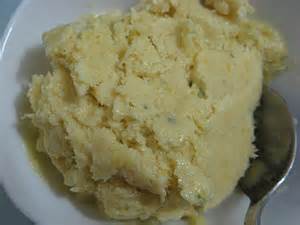
Ingredients:
1 frozen banana
1 cup frozen mango
½ cup coconut milk
1 tsp vanilla powder or extract
1 tbsp maple syrup (optional)
Directions:
Place all ingredients in a blender or food processor and process until smooth. Enjoy!
Makes 1 serving
Healthy Recipe ~ Crunchy Coconut Crumble Ice Cream
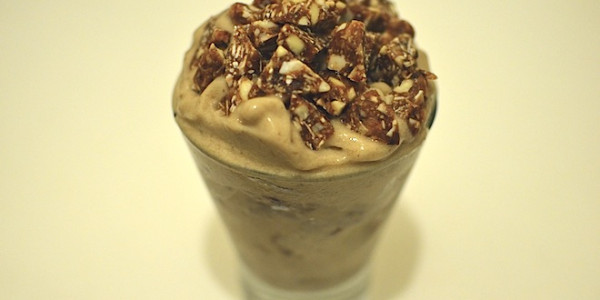
This recipe will knock your socks off, and I am confident that it will convince any one – plant based eater or not – that raw and plant based desserts can be just as satisfying as their ‘junk’ food counter parts. This recipe is really simple to prepare, and you can have the components on hand in your freezer, ready to be mixed up whenever your sweet tooth calls you. I do recommend that you keep the two components separate until you are ready to munch to maintain maximum crunchability 
Ingredients:
Crunchy Coconut Crumble:
(makes at least 20 servings, depending on how much crumble you want in your ice cream)
- 1 cup oat groats – ground into a flour
- 2 cups toasted coconut flakes – you can purchase pre-toasted coconut or toast your own at home.
- 1 cup almonds, chopped
- 3 cups fresh dates, pitted
- 1/2 cup coconut sugar
- 1 tsp cinnamon powder
- 1 tsp vanilla powder or vanilla extract
- pinch of salt
Ice Cream:
(This is for one serving of ice cream)
- 2-3 frozen, peeled bananas
- 1/2 tsp vanilla powder or extract
- 1/4 cup coconut or almond milk
- 1/2 cup crumble balls
Directions: To make your crumble, place your oat groats, coconut sugar, chopped pitted dates, cinnamon powder, vanilla and salt in a blender or food processor and pulse until a sticky cookie dough like consistency is reached. Remove from your blender or food processor and stir coconut flakes and chopped almonds in by hand to maintain their shape and crunch. Form into 1/4 inch balls and place in the freezer. When you are ready to make your ice cream, place your frozen bananas, vanilla and coconut or almond milk in a high speed blender or food processor and process until smooth. Remove from your machine and stir in your crumble mixture. Enjoy!
Grounded Nutrition ~ 7-Day Snack & Dessert Challenge ~ Sept. 29, 2014
Click image for website
If everyone on the planet was living as vibrantly and as healthy as possible, it would be a much different living experience for all of us.
Our mission is to empower humanity to shift into our natural states of being on all levels; physically, mentally, emotionally and spiritually. We all deserve to live amazing and healthy lives, and it starts now!
Take our FREE 7 Day Dessert And Snack Challenge … Guilt-free snacks and desserts for one week!
Includes 7 healthy snack and dessert recipes, shopping lists, daily group support and more to help you snack the healthy way!
Begins on Monday, September 29th!
Here is how the challenge will work:
1. Below you will find the shopping lists for every item you will need for all 7 days of the challenge. Collect all your items on the list on the weekend prior to the start date.
2. Prep any ingredients that need to be prepared ahead of time (such as peeling and freezing bananas.)
3. On Sunday, September 28th we will post your first recipe. Make that recipe for your dessert, whenever you choose to eat it.
4. Let us know you are following along by taking pictures and sharing them with us as comments to the recipes posted, or just letting us know in comments on the page.
5. Continue on with the following day’s recipe. Repeat steps 3 and 4 until the end of the challenge! Feel free to contact us if you have any questions!
Note: The following shopping lists are not recipes. We will post your first recipe on Sunday, September 28th.
 All right! Get ready to have some fun. Make sure you get your groceries by the end of this coming weekend!
Shopping Lists:
Produce:
- 3 apples
- 7-8 fresh apricots
- 4 banana
- 7 cups fresh dates/medjool dates
- 1 mango
- 1 orange
Nuts/Seeds:
- 1 small jar almond butter (8oz)
- 6 cups dried shredded coconut
- 2 tbsp hazel nuts
- 1 small jar raw nut butter of choice (8oz)
- 2 tbsp nuts of choice
- 1 1/4 cup walnuts
Grocery:
- 1 small box cup almond milk (1L)
- 2 cups vegan chocolate chips (dairy free – We like Enjoy Life)
- 1 small container cacao or cocoa or carob powder
- 1 small can full fat coconut milk (14oz)
- 1 small container coconut oil
- 1 small jar maple syrup
- ½ cup rolled oats
- Optional: add-in’s for bliss balls – chocolate chips, dried cranberries, raisins, carob chips, and the like
Spices/Seasonings:
- 1 small jar cinnamon powder
- 1 bag vanilla powder or 1 small bottle vanilla extract
- 1 small box sea salt
Preparation list:
1. Peel and freeze 3 ripe bananas.
2. Peel, dice and freeze mango.
Tools Needed:
These are all relatively simple recipes, but having a few pieces of equipment will make them all that much easier:
- 1 Blender or Food Processor
- 1 Baking Sheet
- 9×9 Baking Dish
- Parchment Paper
- Mixing Bowl
- Wooden Spoon/Spatula
- 1 Small Pot
- 1 Glass or Stainless Steel Bowl (to be used for double boiler)
- Measuring Cups
The Importance of Mindfulness In Children — by Carolyn Gregoire

“Tell me and I forget. Teach me and I remember. Involve me and I learn.” ~ Benjamin Franklin
While meditation practices are usually associated with adults, there is a growing movement focused on implementing mindfulness practices to optimize the health, well-being and happiness of children. From helping kids thrive in school, to being an effective intervention with autism, to even serving kids that are suffering from cancer and other serious health conditions, meditation is showing that it can have a significant long-term positive affect on child development.
In the growing conversation around mindfulness, we’re constantly hearing about meditation in the workplace and tech CEOs who swear by the practice. But less attention is being paid to the quietly growing movement for mindfulness in the family, and the use of meditation to optimize the health, well-being and happiness of children.
It’s not just adults that can stand to benefit from cultivating a focused awareness on the present moment. Research is beginning to shed light on the power of mindfulness as an intervention for a number of behavioral challenges that children face. We’re also starting to recognize that mindfulness practices could be beneficial for children for the same reasons it helps adults, contributing to reduced stress, improved sleep quality and heightened focus.
At increasingly younger ages, kids are facing higher levels of stress, and it may be taking a significant toll on their health. Stressful events in childhood can increase the risk of developing health problems as an adult, but the impact may hit much earlier. A recent University of Florida study found that stressful events can impact a child’s health and well-being almost immediately, and can contribute to the development of physical and mental health problems and learning disabilities.
Sonia Sequeira, Ph.D., a clinical researcher specialized in Investigational Therapies and director of the Institute for Meditation Sciences, has been practicing yoga and meditation for nearly 20 years, and has practiced with her own children for years. Now in her work as a mindfulness researcher, she’s brought contemplative practices to children ages 3-18 who are struggling with autism, cancer, and other physical and mental health problems. Currently, she’s using meditation and chanting to help relieve pain in children with cancer.
It may seem like a tall order to ask your kid to meditate — given that it can be a struggle just to get a child to sit down or eat breakfast — but Sequeira insists that in her years of working with children, she’s found just the opposite.
“There’s an initial resistance, which I think is cultural, and usually it occurs in the presence of the parent,” Sequeira told The Huffington Post. “But it extinguishes very quickly. Teaching mindfulness to children has always been the easiest for me because there’s no set patterns, or at least they’re not set in stone yet. With adults its much more difficult.”
Learning mindfulness practices — including meditation, breathing exercises, yogaasana (postures) and chanting — can have a significant long-term affect on a child’s development.
“[In my research], what really mattered was finding practical tools that were not an on-off or intermittent practice for children, but something they could really grow with and that could affect their physiology as they grow from their young childhood into adolescence,” says Sequeira.
Here’s proof that children need mindfulness just as much as adults do.

Mindfulness can help kids to thrive at school.
Most of the research on mindfulness for children has been conducted in the school setting. Recent studies have shown school mindfulness programs to be effective in reducing symptoms of depression, stress and anxiety among secondary-school children for up to six months after the program. Such programs can also help students focus during exams, as well as reducing stress and boosting happiness among high school students.
Susan Kaiser Greenland, author of The Mindful Child, is one of increasingly many parents fighting for a “mindful revolution in education,” explaining mindfulness programs can aid kids in developing good habits that will help make them happier and more compassionate.
More and more of these programs are beginning to crop up. The Mindful Moment program in Maryland high schools has students start and end each day with a 15-minute yoga and meditation session, and provides a mindfulness room available for personal use throughout the day. The program aims to reduce stress among students and teachers, and to increase four-year graduation rates.
It can be an effective intervention for autism.
Recent research, conducted by Sequeira and colleagues and published in the journal Autism Research and Treatment, has suggested that meditation has a great deal of potential as a treatment option for children with autism.
“Meditation is one of a few interventions that have been shown to effectively strengthen self-control and character development simultaneously,” the researchers write in a report. “There is much to be gained by exploring meditation as a strategy to override impaired brain synchronicity and debilitating symptoms arising in early years of persons with autism.”
In autism and many other psychological imbalances, the connecting thread is a lack of rhythm, says Sequeira. There’s a challenge of balancing the inner and outer world, and this can distort relationships and interactions with others. In the case of autism, environmental cues become so augmented that the child shuts down from the world to protect themselves. Mantra meditation in particular (a type of meditation that involves the repetition of a word or sound) can help restore a sense of rhythm.
“When you create internal rhythm, there’s a harmonizing and balancing effect,” explains Sequeira. “It facilitates communication, incubation of thoughts… it tells you that you’re in a safe environment and there’s no threat.” “It truly is a top-to-bottom response, and with the children, it restores a natural ability to respond inside to rhythm.”
Children with autism respond well to mantra because it facilitates response, she says.
It can help kids with ADD and ADHD
Being mindful is, at its core, the ability to sustain a focused awareness on the present moment, and practicing mindfulness has been proven to help boost our powers of focus and attention. And it may be just as effective for children as it is for adults.
A 2011 study published in the Journal of Child and Family Studies demonstrated the effectiveness of an eight-week mindfulness program for children ages 8-12 with ADHD, along with a mindful parenting program for their parents. The researchers found that the program reduced parent-reported ADHD behavior. It also increased mindful awareness among both parents and children, and reduced parental stress.
Such programs may be a highly effective intervention either alongside or in the place of traditional ADD and ADHD medications, which come with side effects and may lose their effectiveness over time.
“There are no long-term, lasting benefits from taking A.D.H.D. medications,” James M. Swanson, a psychologist at the University of California, Irvine, told the New York Times. “But mindfulness seems to be training the same areas of the brain that have reduced activity in A.D.H.D… “That’s why mindfulness might be so important. It seems to get at the causes.”
It can help children with cancer and other serious health conditions
Sequeira has been hard at work for over a year now on a pilot program bringing mantra meditation to children with cancer as a way to reduce pain. While the study is still underway and the results have not yet been finalized, she’s seen an overwhelming positive reaction from both the children and their parents.
“Frequently the children remark that they want to continue beyond the time that’s scheduled, even beyond the point where they had heightened pain,” says Sequeira. “They wanted us to stay there chanting with them for a while. Parents from all over the world speaking different languages are united by mantra that doesn’t have a language meaning but that touches their heart. They felt an enormous sense of peace and did feel that they were contributing to the healing of their children.”
The kids Sequeira works with at Sloan-Kettering also use what she calls a “worrywart waste basket,” in which they make a practice of writing down their concerns on a piece of paper and throwing them away. “They know to do that, and to chant and resolve some of the tension that arises,” says Sequeira.

A mindful family upbringing encourages children to self-actualize

Mindful parenting, as defined by Mindfulness-Based Stress Reduction founder Jon Kabat-Zinn, consists of “paying attention to your child and your parenting in a particular way: intentionally, here and now, and non-judgmentally.” As Sequeira puts it, creating a mindful family is about “healing the environment and healing the relationships.”
To begin to create a more mindful family and incorporate mindfulness into their children’s lives, parents can start with a daily meditation, yoga or breathing practice. Family dinners can also become mindful by not allowing phones at the table and having a moment of gratitude for the food. Even simple things like positive affirmations and encouraging children to think before they speak can foster an environment of calmness, presence and compassion.
“A child is imprinted with many influences… and all of this shapes a personality” says Sequeira. “When there’s a mindfulness approach to living, it ultimately becomes the personality of the child to truly manifest and become who they are — not trying to become a doctor or a lawyer, but trying to discover their gifts. At the same time, it allows the parents to wean themselves from this very analytical, competitive, linear thinking in life, trying to carry children towards certain goals, which ultimately is stressful for the parent.”
This “group healing,” says Sequeira, will hopefully one day become the basis for a more mindful society.
—–
Syndicated from huffingtonpost.com, Sep 21, 2014
Health ~ Why Eating Sesame Seed Paste (Tahini) Could Save Your Life

We don’t think of sesame seed paste as a ‘life saver,’ but new research shows it is capable of reducing blood markers of cardiovascular disease risk by 39% within only six weeks.
Sadly, in the Western world, when the average Joe thinks of protecting himself from heart disease, aspirin and statin drugs are often as high on the list – if not higher – than exercise and eating better. Through decades of intense marketing and miseducation millions have been made to think of the #1 killer as an inevitable force; one against which we fling pills and various pharmaceutical potions to ‘minimize risk,’ never to strike to the core of the problem and resolve it permanently.
Health ~ The Magic that is Chocolate
 We are constantly trying to restrict what we eat. Every day we hear about yet another food we should cut out completely, or we get berated for not catching onto the latest food fad fast enough. One of the recurring stories in the food tabloids is the evil of sugar, and while it is true that in general the overall sugar consumption of the human race has increased exponentially and no doubt has adverse effects of our health, it has also meant the defamation of less guilty subject, chocolate.
Mmm. Chocolate.
Unfortunately much of the chocolate that we find on the market today is not chocolate at all, but rather a flimsy syrupy substitute masquerading as the real thing. This trite treat has lost all of its original zest and surely too its mystique. Chocolate originated in the foothills of the Andes, in the Amazon and Orinoco basins of South America. The cocoa bean was deemed so valuable that it was used as a common currency before the Spanish conquest. Montezuma the Second, Emperor of the Aztec civilization (the story goes) drank nothing but chocolate. He enjoyed his royal beverage in a golden goblet, whipped into a mouth-watering froth and flavored with vanilla and spices. It wasn’t long before chocolate was introduced to the Europe, and it was soon revered as the delicacy among delicacies. Revered isn’t too strong a word either: chocolate’s Latin name, Theobroma Cacao literally means “food of the gods”.
The reason why chocolate was so highly regarded was the titillating sense of elevation that people originally experienced when partaking (and its ability to act as a powerful aphrodisiac was presumably also well noted). Today we know that the stimulating effects of chocolate come from the compound Theobromin, and that chocolate is a rich source of antioxidants which may well have anti-aging properties. Chocolate also contains high levels of flavonoids which are said to have a positive effect on the heart.
Recent studies done on the Kuna people, who consume large amounts of cocoa as part of their daily lives, found that they have significantly lower rates of heart disease and cancer, which should be unsurprising, as it has been linked to a reduction in blood pressure. The benefits of cocoa are even believed to extend to the brain’s abilities to learn and remember.
With all these incredible benefits at our chocolaty fingertips, it’s a wonder we don’t consume more of this charmed stuff. And after you tire of the cheap imitations, you’ll find that raw cocoa and dark chocolate products are readily available, and that they open up a whole new range of decadent culinary experiences. For instance, try adding a scoop of raw chocolate to your morning porridge. Chocolate can even be grated over salads, and adds a sensuous depth of flavor to a humble stew.
And the moral of this decadent tale? Don’t deprive yourself of the chance to savoir this godly delicacy, and say yes to the magic that is chocolate.
Herbalogy ~ An Introduction to Traditional Chinese Medicine, by Karta Purkh Singh Khalsa

Traditional Chinese Medicine (TCM), alongside Ayurveda, is one of the two oldest established paradigms of herbal medicine that people still practice. “It is the second-largest medical system in the world after Western medicine,” according to Alan Tillotson, Ph.D., R.H., a Chinese herbalist in private practice in Wilmington, Delaware, and a prominent member of The American Herbalists Guild.
The history of Chinese herbalism is one of persistent and ongoing processes of observation and refinement of ideas in the real world. Centuries of formulation of theories, and testing of these theories in practice, have resulted in the system we recognize as Traditional Chinese Medicine today.
Fundamentally, the ancient sages concluded that “like increases like”. In other words, an external factor, when introduced to the body, will create a similar reaction in the body of the person experiencing the change. For example, going out into the cold weather will make your body cold. Battling the wind will make your metabolism instable. Eating heavy food will make your body heavy. This seems obvious on the surface, and it is ultimately pretty easy to grasp intuitively, but putting together all the intricacies of every possible effect of every possible natural medicine on every possible person is a daunting task. This metaphor of energetics creates a system that is complex enough to represent the tremendous complexity of the human being, yet simple enough in concept to be useful.
Energetic evaluation of the body is based on experiencing the body with the human senses. Since everyone experiences the world in subtly different ways, it takes centuries, potentially, for a consensus to develop among practitioners about any given remedy. It creates a structure in which herbs can consistently be identified and understood. According to energetic systems, including TCM, the sum total of an herb is the important consideration.
For example, we may know from modern science that an herb has antibacterial activity. We want to give that herb to treat an acute bacterial infection. But we also know that the herb tends to increase body temperature — it is “hypermetabolic, or “hot”. If the patient has a fever, or is a person who is particularly prone to develop inflammation that is difficult to control, we would think twice about using that specific herb. It might kill the bacterium very nicely, and treat the infection, but the whole person would be worse off as a net total than before we started. Instead, we would seek out an herb that would kill the infection, but which had a “cooling” energy. This difference in approach can make a world of difference in clinical practice, and gives us an invaluable tool in managing a case for the best in the long term, and in treating the person as a whole human being. We don’t want to make people better in the short run, while we make them worse in the long run.
The properties of herbs are collated systematically according to their energetics — taste, temperature, effect before and after digestion and similar factors.
The TCM system of health care begins with a differentiation of the individual’s energetic situation, starting with the most basic divisions, and extending the process of differentiation to a great degree of individuality.
TCM is based on the principle of unconditional, unifying energy of all phenomena. Called “qi” (pronounced “chee”), it is ephemeral, active, constantly changing and warm. Qi is vital energy, the basis for all organic life, and for all inorganic substances, as well. It is the animating force that gives us our capacity to move, think, feel, and work. When one is young and energetic, one has abundant qi, but as one’s qi declines with age, one becomes subject to degenerative diseases and lowered vitality. This concept of qi is the basis for the success of TCM in the area of health maintenance and longevity.
Qi is all about movement, evolution and change. It’s ephemeral, so we perceive its effects, not its substance. It is associated with movement, odor, sound and form. It is connected with the intuitive, unlimited and spiritual qualities of life. The great symbol of qi is the sun, the most unlimited source of energy we experience in daily life.
In the Chinese view, the primary principle of health is recognizing and promoting the flow of qi and eliminating its blockage. All TCM techniques, whether herbs, diet, acupuncture, or others, are ultimately aimed at balancing qi.
Each person is a garden in which doctor and patient together cultivate health. Every being has a unique ecology to be planted, tilled and tended. Like a gardener uses compost, water and weeding to grow robust plants, TCM uses acupuncture, herbs and food, seeking to tenderly nurture and nudge the entire garden back into harmony, to recover and prolong good health.
 TCM views people as worlds in miniature, so it seeks to improve our capacity to balance and replenish our own capabilities. TCM minimizes the erosion of our soil by enriching it, makes the most of the flow of nutrients by increasing circulation, and helps avert blocks that obstruct the movement of bodily fluids and energies. Therefore, TCM anticipates problems by upholding our interior landscape.
Contrast that worldview with that of contemporary medicine, which looks for “busted” parts to replace. Typically, modern conventional medicine intervenes only after a crisis arises, whereas TCM aims to correct depletion and stagnation at earlier stages, avoiding greater problems later on.
While Chinese medicine excels at enhancing recuperative power, immunity, and the capacity for pleasure, work, and creativity, it can remedy ailments as well.
Creating Balance
According to Chinese cosmology, the whole of creation is born from the marriage of two opposite principles, Yin and Yang. Earth and Heaven, winter and summer, night and day, cold and hot, wet and dry, inner and outer, body and mind are reflections of this pairing of opposites. Creating and maintaining a harmony between these opposites means health, good weather, and good fortune, while disharmony brings disease, disaster, and bad luck. The entire aim of TCM is to restore harmony, in the world and in the body.
TCM is based upon a universal notion, expressed in nature in bi-polar terms Yin and Yang. Energies that characterize the complementary yet opposing materialization of all phenomena, yin and yang are the most basic divisions of energy in the universe. That which is above corresponds to a below; heat is complimented by cold, night is pursued by day. In all of manifest creation, qi is divided and apparent in duality.
The concept of yin and yang pervades all of traditional Chinese thought, not just in medicine, but in other forms of science and art as well. The concept of yin and yang is the idea that everything has its opposite.
We might think of this as two basic forces operating in nature. One force is an outward, expansive, linear, positive force that changes things. The other is an inward, contractive, downward, negative force that is hidden and unmanifest. The outward force is the yang force and is associated with heaven, light, up, daytime, male traits, function and so forth. The inward force is the yin force and is associated with such things as darkness, winter, nighttime, female traits and structure. All matter and energy in the universe can be represented on the spectrum of yin merging into yang. Health is yin and yang in balance.
Tasty Medicine
Taste is one way of deciding which herbs have the needed actions. It represents a sensory method of ascertaining the biochemical action of a given herb or food, in other words, the remedy’s “energy”.
The five tastes include pungent (spicy), salty, sour, bitter and sweet.
We do not actually have taste buds for pungent. It is called a taste, but is more correctly an irritation of the tissues- a mouth sensation. Spicy taste stimulates, warms and dries dampness. It is used in conditions of excess dampness (mucus) in the lungs, which are associated with the metal element. Spicy taste increases digestion, circulation and secretions.
Salty foods, such as seaweeds, bring out the yang flavor of food and provoke a yang effect in the body. Salty taste retains fluids, moistens tissue and supports the kidneys. It softens masses, such as cysts and benign tumors, and relaxes muscles.
Sour taste is found in foods containing organic acids. Sour taste enhances digestion, especially of proteins. It also enhances liver function. Sour also dries mucus, tightens tissues, stimulates digestion and promotes bile flow. The concept of sour taste also incorporates the tissue sensation of astringent, which is the tightening and drying of tissue.
Bitter taste is, all in all, detoxifying and anti-inflammatory. Bitter remedies can be used in small doses before meals as a digestive preparation, stimulating secretion of digestive juices and provoking both appetite and efficient digestion. Bitter taste is cold, so is used to “clear heat”- reduce inflammation, in Western terms.
Sweet taste is nourishing, so is used to tonify. It builds, feeds and harmonizes tissue. The waste byproducts of this building process are acid, though, so we need to be conscious of keeping the body pH balanced when we are in a rebuilding, healing, phase.
Turn up the Heat
An important factor of Chinese energetics is the temperature of the disease. TCM classifies herbal actions based on temperature, and the concept includes influence on metabolic rate and effect on actual body temperature.
A good way to understand the broad concept of temperature is a spectrum from hypometabolic (cold) to hypermetabolic (hot). As the metabolic rate increases, more calories per minute are burned. Temperature and all other biological processes increase. The opposite is true for the cold direction.
Less extreme conditions are classified as warm or cool and most illnesses fall in this range.
TCM always has something to offer for nagging chronic complaints that bother us. Western medicine may heroically rescue us, but Chinese medicine can protect and preserve our health every day. These two great systems offer a great set of complements to each other.
Recipe ~ Fully Raw Mediterranean Salad, by Kristina
It is hard to believe that raw food could be so good. Below is a good list of ingredients for a yummy alkalizing lunch. Use this recipe as is, or modify ingredients to meet your taste.
-

Kristina shares a wonderful salad recipe with us. Thank you! 4 cups kale and romaine
- 2 cups cherry tomatoes
- 4 cucumbers diced
- 1-2 cups sweet baby bell peppers
- 1 cup diced celery
- 4-5 homegrown heirloom tomatoes
- 1-2 cups finely chopped cauliflower
- Fresh mint and basil, diced
- 1/2 chopped red onion
- cumin
- edible flowers

Mix all the ingredients in a bowl to create a beautiful Mediterranean Salad. Then create the raw hummus recipe below for the dressing. Or use a healthy dressing option of your choice.
Raw Hummus Recipe
- 1 zucchini
- 1 cup raw sesame seeds
- 1 cup lemon juice
- 1 clove garlic
While we are at it, here is another awesome raw food salad recipe as a bonus for today.
Ingredient List for Yummy Raw Food Salad
- Spinach or other nutrient dense leafy green
- Red peppers, the more vibrant the color the better, a great source of vitamin C
- Apples, adds fiber
- Sprouts are a wonderful source of nutrition and enzymes. You can also buy fresh sprouts at the store, if you don’t feel like sprouting your own
- Pumpkin seeds, are helpful against parasites, although they are by no means a complete solution. I like to do a parasite cleanse at least 4x year, just to be safe.
- Dried Cranberries, be sure there is no added high fructose corn syrup
- Goji Berries, Asian superfood of the great Goji warrior
- Marinated artichoke hearts. I love to add these whenever I am at a salad bar.
- Hemp seeds, good source of protein, healthy fats and fiber.
Salad Dressing Ingredients
- Extra virgin olive oil, organic cold pressed
- Raw Apple cider vinegar
- Pure water
- Liquid aminos
I like to add fresh or dried herbs to my salad dressing. There is a bulk herb section at the health food store. They have small bottles of a bunch of different single herbs and spices as well as combos. I like to look and smell, then bring home a new one to try every now and then. A great way to familiarize myself with some new flavors.
HERBALOGY — Evening Primrose Oil for PMS, diabetic neuropathy, rheumatoid arthritis, and more
 A native North American wildflower, evening primrose is commonly called “evening star” because its bright yellow flowers open at dusk. It’s a favorite with herb and native plant gardeners and can grow up to 4 feet or 5 feet tall. The seeds are a rich source of gamma-linolenic acid (GLA), an essential fatty acid with wide-ranging health benefits.
Native Americans valued evening primrose both as a food and a medicine. They applied a poultice made from the plant to bruises to relieve swelling and made a tea from the root to ease coughs. European settlers took their cue from native peoples, using evening primrose to treat wounds, coughs, sore throats, and digestive upsets. In the 1980s, evening primrose soared in popularity when researchers discovered that its seeds are a gold mine of GLA, a compound rarely found in plants.
Evening primrose oil (EPO) is used to treat a variety of health problems caused by a deficiency in essential fatty acids. These include premenstrual syndrome (PMS), fibrocystic breast pain, eczema, rheumatoid arthritis, and diabetic neuropathy. Other conditions that evening primrose may help treat include high blood pressure, high cholesterol, attention deficit disorder, and ulcerative colitis.
GLA is essential for the production of prostaglandins, hormonelike compounds that influence almost every bodily system. Prostaglandins decrease inflammation, stimulate hormone production, and help regulate blood clotting, blood pressure, and PMS-related water retention. If the body is working properly, it converts omega-6 fatty acids (found in vegetable oils, nuts, and seeds) into GLA. But many factors can inhibit this conversion, including advancing age; a diet compromised by excessive saturated fats, trans fats, or alcohol; zinc deficiency; and some medical disorders, such as diabetes, multiple sclerosis, and cancer. Evening primrose oil supplies a direct source of GLA to the body, bypassing the need for conversion of omega-6s and helping to restore healthy levels of prostaglandins
In colonial America, evening primrose seeds were often substituted for poppy seeds in baking. More compelling is research supporting the use of evening primrose oil for diabetic neuropathy, a common complication of long-term diabetes that causes nerve damage in the legs, feet, arms, and hands. One double-blind study evaluated 111 people with diabetes for one year who were given either 480 mg of GLA daily or a placebo. The researchers found that those given GLA experienced significant improvement in neurological symptoms (Diabetes Care, 1993, vol. 16, no. 9).
GLA also has shown promise as an effective treatment for rheumatoid arthritis, a painful and disfiguring type of inflammatory arthritis. In a 1996 study, researchers gave 56 patients with active rheumatoid arthritis GLA supplements or a placebo. After six months of treatment, participants taking GLA experienced reduced arthritic symptoms (Arthritis and Rheumatism, 1996, vol. 39, no. 11).
Recipe ~ Easy Vegan Cashew Cream Sauce
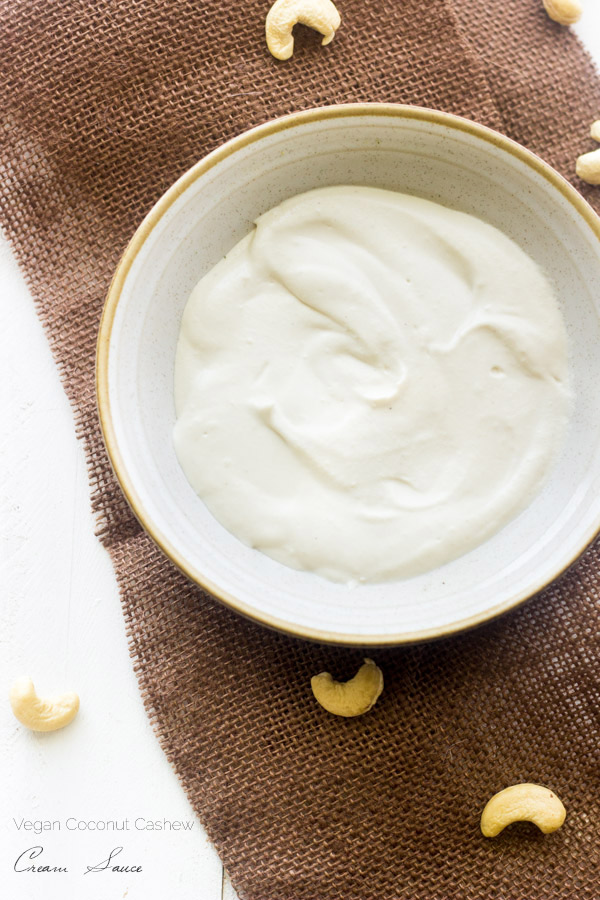
There are only 3 ingredients and it takes like 2 minutes.
Cashew cream is basically a yummier, healthier, vegan-er way to get your cream sauce fix. If you want it less “nutty” tasting, just don’t toast your nuts before-hand. E Z. ENJOY!
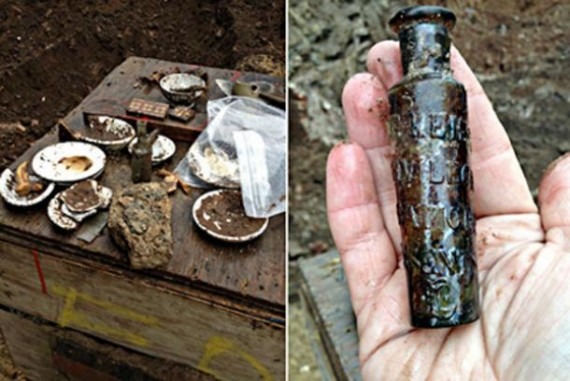
Healing ~ Spagyrics ~ An ‘Elixer of Long Life’ was dug up, and you’ll never guess what the main ingredients are!
Natural News ~ “Gluten-free” Finally Means Gluten-Free!

(NaturalNews) An increasing number of people in the world today are becoming intolerant to gluten, which is a specific protein found in wheat, rye and barley. Sensitivity to the gluten protein now affects roughly 18 million Americans. This growing problem has given rise to an ever-expanding industry of “gluten-free” products. In recent years, the “gluten-free” label has become an advertising ploy, backed by little accountability. Now, the FDA is getting involved, announcing new regulations to enforce the meaning of the “gluten-free” label.
Health ~ The Triune Brain: How to Switch Off Anger, Scarcity Mindset and Fear

A neuroscientist Paul D. MacLean was the person who revealed this theory after years of research in 1960s. He proposed that our brain was not one, but three interconnected brains, each one representing a distinct evolutionary step and each one possessing its own intelligence.
Each brain is connected to one another by the nerves and operates with a distinct intelligence, subjectivity, and memory. Emotion and thought, therefore, comes from two different but inter-connected brains – limbic brain (emotion) and neocortex (conscious thought).
Spagyrics ~ Creating An Elixir Of Life
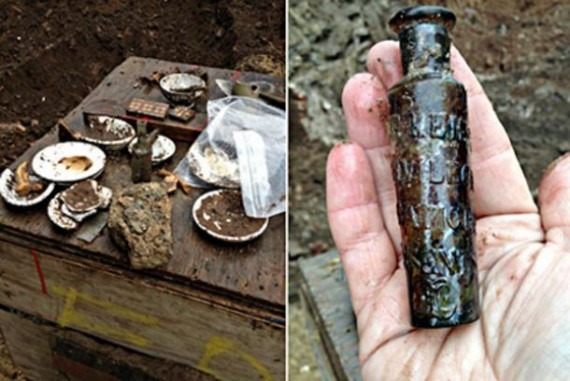
An ‘Elixer of Long Life’ was dug up, and you’ll never guess what the main ingredients are!
Health ~ 8 Sleeping Positions & Their Effects On Health

In what position do you sleep most often? It turns out this is a very important question. Getting enough sleep is the most important thing – but did you know that how you sleep can also impact your health? – Click on the image, above, to read more.
Health ~ Cow’s Milk Has *Never* Been Fit For Human Consumption!
You May be Surprised or Shocked by this Video about Milk or,
Then again, if you are informed about the hazards of milk, especially homogenized, pasteurized, loaded with hormone and anti-biotic milk, this comes as no surprise.
I personally gave up drinking milk a long time ago. I do occasionally have some cheese or butter, but certainly not everyday.
I have several friends who have an allergy to dairy. This is beyond just lactose intolerance. What about the proteins that are in the milk?
There are a lot of people who might have an issue with milk sensitivity and don’t even realize it. For a self experiment, I am going to avoid dairy for 3 weeks. That means cutting out cheese, yogurt, butter and all milk products. That means reading food labels carefully.
Personally, I haven’t had a glass of milk in over a decade. I haven’t missed it one bit.
There are much better and healthier sources of calcium:
- leafy green vegetables
- broccoli, kale, spinach
- Salmon, sardines
- Sesame seeds,
- blackstrap molasses
- corn tortillas
- almonds
- oranges
Milk is not the only source of calcium on the planet. This list of calcium containing foods contains some good healthy options.
Milk is certainly on the “Acidic” side of the alkaline diet chart.
Goat milk product are a better option for some people. Others are better off giving up milk and dairy altogether. Sometimes self experimentation is the best way to figure out just what is right for you.
Raw Goat Milk is slightly alkaline. Almond Milk is an excellent alkalizing choice. Almond milk also has much less chance of food allergy/sensitivity issues.
Check out what Dr. Hyman has to say about dairy and inflammation on the Dr. Oz show.
Health ~ Aloe Vera

Aloe Vera Compound Suppresses 82% of Prostate Cancer Cells in Vitro: Aloe-emodin, a compound found in aloe vera, was shown to reduce the number of viable prostate cancer cells (PC3) by 82% in this study. When given to mice, aloe-emodin slowed their prostate cancer growth by an impressive 48% after 28 days. Aloe-emodin is a powerful natural anticancer compound which has already been shown to kill several other cancer cell lines, but the health benefits of aloe vera don’t stop with aloe-emodin. This super-herb contains numerous other potent anticancer compounds such as emodin, aloin and alosin as well as powerful antioxidants and immune system-boosting compounds. Aloe vera also has potent antibacterial properties—and an aloe-based mouthwash has been shown to fight plaque build-up in a just-published clinical trial. And most impressively: it’s already been proven on real cancer patients in clinical trials. In one trial, cancer patients taking aloe vera in addition to chemo felt better, had more 3 times more remissions, and lived significantly longer than the patients just taking chemo. Aloe vera has also shown activity against breast, cervical, colon, lung, prostate and pancreatic cancer in lab studies. But strangely, no further clinical trials are being run to confirm aloe vera as a cancer treatment. One has to wonder why.
#AloeVera #ProstateCancer #Aloe
http://www.ncbi.nlm.nih.gov/pubmed/22532249
Finding The Key To Body Health and Mental Brightness
 Within every human being is a fire.
That fire is responsible for your digestion, your metabolim and your intelligence. When the fire is disturbed, it causes inflammatory responses in the body and anger in the mind.
We could say that all of human health is dependent on the health of this fire within your organism. It can either burn you, or it can make you as bright as the sun.
Just as the sun emits a radiance, when the human being is filled with life-force, illumination and love, the magnetic field emits a radiance. This radiance gives supreme clarity, luster of the eyes and skin, warmth of the heart, and a powerful healing presence.
It is Time to activate your radiance … to be experiential and thoroughly transformed.
Lee Holden ~ Modern Qi Gong Cheat Sheet

This has been a massive week with a Himalayan-like range of high points, and because we shared so much information with you over the past few days, we thought you would appreciate having all of it together in one handy email.
If you noticed we took the liberty of calling it ‘The Qi Cheat Sheet’, so you can search for it in your inbox and any time to revisit any part of Qi 101.
We will be leaving the lessons up for you, so feel free to go over any of them again in the future whenever you wish. Maybe you want to review something you’ve seen before, or just want to see how you can get better results – now you can. Anytime.
But before we recap, we’d like you to think back to just a few days ago, when Qi Gong was perhaps a new and distant concept to you …
Something you had maybe heard of, or read about, but were more likely to find on an episode of Ripley’s Believe It Or Not than in your morning routine.
But now you know!
You’ve seen for yourself that there’s definitely something to it – after all – there’s a reason why it’s been around for over 4,000 years.
We started off Qi 101 with a very simple concept – getting you used to FEELING your Qi …
Here is your recap:
=============================
>>> Lesson 1 – Feeling your Qi
Consider this as your introduction to what Qi is all about. Lee has explained his story, how he discovered Qi, what Qi Gong did for him, and most importantly – what it can do for YOU.
You have learned:
* That your ‘Life Force Energy’ is called Qi and when it flows smoothly within your body, it revitalizes your immune system, nourishes your cells and activates your natural healing abilities.
* You can train your body to fight disease faster, and if you learn to work with your Qi you can even eliminate problems before they arise.
* Qi Gong is an easy to follow practice, which at its core, cultivates Life Force Energy to help achieve healing and longevity.
* Apart of healing, Qi Gong has also other benefits – it gives you better sense of presence, sharpers your focus or greeters creativity.
* Lee’s way of teaching Qi Gong to new students involves taking them though 3 simple steps:
step 1 – FEELING your Qi; step 2 – ACTIVATING your Qi flow within your body and step 3 – LIVING your Qi though simple and fun daily routines to create long lasting results.
* You learned a simple exercise for FEELING your Qi within you (comes at 8 minutes of the video).
=============================
Then we took it up a notch in the second lesson – ACTIVATING your Qi
>>> Lesson 2 – Activating your Qi
This was perhaps Lee’s most popular lessons as it featured one of our favorite techniques! Filmed in the Santa Cruz Qi Center, Lee has shared with you the ‘Knocking on the door of life’ technique – one of Qi Gong’s most famous and beneficial exercises.
This is where you really start working with all that energy you discovered you had in lesson 1, and is a video we would recommend you revisit as often as possible.
You have learned:
* What are some of the meridian points on your body.
* You got to know your lower back energy points known also as Doors of Life points responsible for improving your blood flow, activation of your energy and vitality.
* The second set of energy points were the Lung Points, responsible not only for your lungs but also for your immune system.
* You got a map of these meridian points for you to download and keep.
Here is the direct link to it >>>
* You experienced the ‘Knocking on the door of life’ exercise (it comes at 1:20).
This lesson generated a HUGE number of comments. Take a look through them, see if you agree or disagree, and if you’re yet to do it – leave your own!
One of our favorite comments about this lesson came from Dorothy Bonenberger:
“before I started exercise 2, I felt like I had pockets of energy stored in my body. To my surprise, after doing the exercise I felt the flow of energy throughout my body.”
We can’t tell you enough how much it warms our hearts to see comments like this, and we sincerely hope that you had the same experience as dear Dorothy did.
=============================
The third and final lesson looked to serve as an almanac for all things energetic – LIVING your Qi
Lee answers in numerous videos some of the most common questions we get on Qi, including how fast you can expect to see results, how to get started on a routine, how often you should practice and a lot more – including sharing some secrets like:
* That you can start getting results almost immediately! You should have felt something as early as lesson 1 that would have felt like a sense of calm and relaxation. That’s exactly what you’re looking for.
* When you get that feeling, the trick is to build on it and push it as far as you can. I share with you some stories of people who have done this to great effect, and reported benefits such as better general health and more positive energy.
* That it is not only about healing, there are other powerful side effects of Gi Gong too, just as sharper focus and mental clarity.
* The difference between Tai Chi and Qi Gong. It is explained well in the Question 10.
* Finally, that there’s not much difference between you and a Qi Gong master, just that one is a little further along the journey than you are 🙂
=============================
Enjoy!
Ayurveda ~ A Spiritual Quest
Dear Friends,
The supreme levels of vitality and happiness cannot be achieved by common pursuits of health and healing.
Extraordinary experiences are rarely born out of ordinary activity. The deepest layers of vitality, energy and beauty must be generated in an exalted and unconventional fashion.
Thousands of years ago, the great sages of Ayurveda and Yoga unlocked this profound science. They codified the secrets of radiance and taught the highly sophisticated spiritual technology that tune the body and mind to the frequencies of prosperity, clarity and happiness.
Like a marvelous musical instrument, the body and mind can be tuned to the harmonic frequencies of joy, health and love.
Unfortunately, too many of us unconsciously attune ourselves to the disharmonic wavelengths of anxiety, depression and insecurity.
The Radiant Body Course will thoroughly transform you from the inside out. It is more than a course, it is an experiential quest for the hidden powers of awakening and profound bliss. Enjoy the video.

Sat Nam,
Jai Dev Singh
==========
Note:
Thank you for participating in the video series so far.
I’m very grateful for all of the generous and insightful comments you’ve left on the video pages. There have been hundreds of them and I read each one. Thank you. We have one more video to go. It will be coming your way very soon.
These videos will be up for a short amount of time, so if you haven’t had a chance to digest the first three yet, you can still do so.
Biological Changing In Ascending Souls (part 2)

Many of you are understandably doubtful about the claims being made that suggest you will be able to resurrect your physical bodies, make them disease free, and end the aging process.
You are even more skeptical about youthing, the ability to make the body look and feel younger.
Biological Changes In Ascending Souls (part 1)

We are going to detail the process of ascension from a biological point of view.
While ultimately no outer event can or will determine the outcome of your ascension, the portals of 2012, 2017 and 2030 will have a tremendous positive impact on your progress.
Ayurveda ~ The Divine Projection

Everybody is projecting something to those around them. Everyone has a presence that communicates to their environment.
In each and every moment you are creating a unique projection, and therefore a unique attraction.
We now know that there are three magnetic powers of the human being that will either give you energy, radiance and bliss…or those same powers can produce anxiety, anger and depression.
Whatever is happening inside is what is ultimately projecting outside. Your beauty, your radiance and your prosperity can expand. It is completely within your capacity.
In the latest video of our series, I unpack the science of pranic projection, the heightened expression of the elements, and the profound gravity of the heart center.
Sat nam,
Jai Dev Singh
Juicing Medicinal Raw Cannabis Healed This Woman!
At The Halau, we have been recommending juicing RAW CANNABIS to those individuals whose health conditions would benefit from cananbis treatment without the body “high”. RAW cannabis is non-psychoactive, meaning it will not get you high because it has not been subjected to incendiary high heat. Raw cannabis significantly assists the human body with immune modulation and provides anti-inflammatory, antioxidant, anti-tumor/ anti-cancer, pain-relieving, anti-diabetic, antispasmodic, anti-anxiety relief and so much more!
Ayurveda ~ Cultivating the Power of True Beauty

The pathway to beauty, prosperity and vitality are interwoven paths.
Unfortunately, far too many people are depleting their vitality in an attempt to create a sense of beauty. True beauty, true magnetism and true prosperity require vitality.
However, this is not an ordinary type of vitality. It’s a vitality that draws out the strength of your character, it draws out your virtures, it draws out your radiance.
This attractive power is profound. The first person that will be attracted to you is YOU.
When you experience your own magnetic power, the entire creation starts to become attracted to you. Opportunities arise from every direction and a steady stream of prosperity flows into the ocean of your life.
Yesterday, we released a brand new free video training that unpacks the art and science of beauty, prosperity and radiance. Follow the link below to get access. Enjoy the teachings.
Sat Nam,
Jai Dev Singh
Health & Wellness | Stay Hydrated This Summer With This Watermelon Green Juice
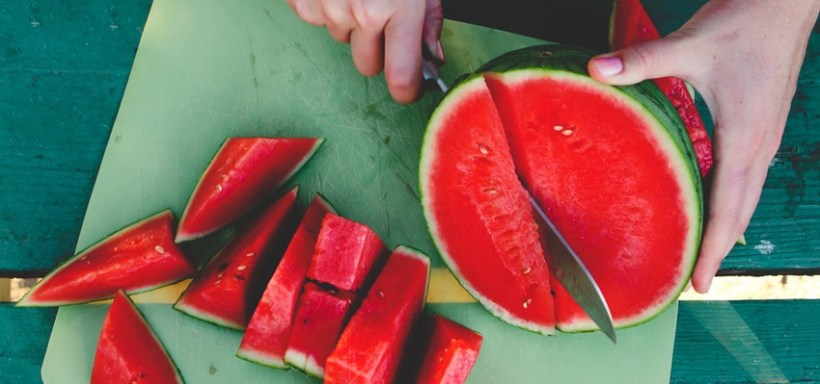
This watermelon juice has loads of fresh, hydrating greens like cucumber, romaine lettuce, and celery, not to mention our superfood friend, kale! Plus, it’s got lime and watermelon to sweeten it up and hydrate the body. Next time you need something refreshing, give this a go.
Watermelon Green Juice
Serves 2
Ingredients
- 1 small-medium head of organic romaine lettuce
- 3 cups cubed watermelon
- 1 cucumber (peeled if not organic)
- 2 small limes (peeled)
- 5 stalks of organic celery
- 5 stalks of organic kale
Directions
Wash and prepare all of your produce, cutting to fit your juicer’s shute if necessary.
Start by juicing your romaine lettuce. If your juicer has settings, use the lowest one for the lettuce.
Then, juice the remaining ingredients.
Fresh juice is best immediately after you make it; however, it will pack a good nutrient punch for up to 24 hours after it’s made if stored in an airtight container, filled to the very top, and sealed with a lid. (Sometimes I’ll add a little water if I don’t have enough juice to fill it to the top.) Mason jars with resealable lids work great for this.
Store in your refrigerator.
4 Brilliant New Uses For Leftover Coffee Grounds
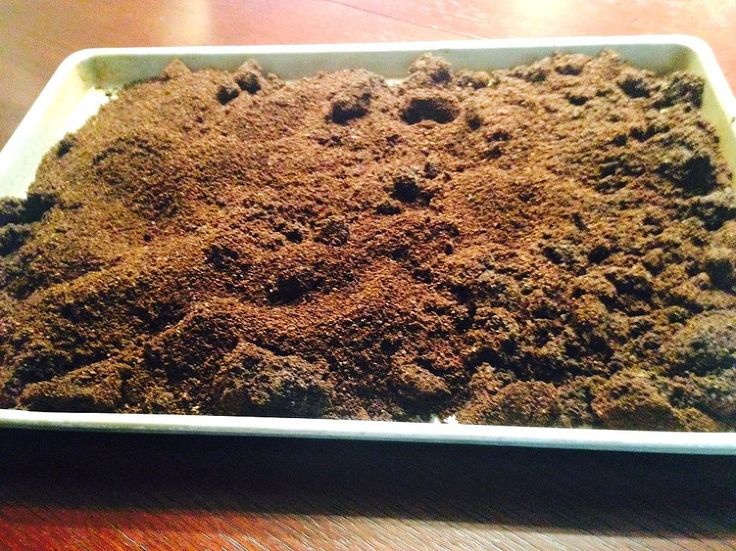 If your household goes through coffee like there’s no tomorrow, then you will love these 4 tips on what to do with all the leftover coffee grounds.
From making sure your flowers bloom beautifully, to helping your carrots grow healthily, these 4 tips will make you think twice next time you go to throw out your leftover coffee grounds!
Click on the image, above, for more details.
Health ~ Magnesium Deficiency Symptoms Explained: Do You Show Any of These?
 (NaturalNews) Vitamins and minerals are essential to good health. They help build tissues and bones, transport and regulate our hormones, allow us to fight off infections and strengthen our immune systems. When we have a vitamin or mineral deficiency, it plays havoc with our bodies and our health. And the mineral magnesium is no exception.
Health ~ Strawberries Proven To Block Mercury In Fish: Health Ranger Shares Research With The Public
 (NaturalNews) As part of my ongoing scientific research into heavy metals, elemental retention and metals capturing (see explanatory videos here), I have identified and documented anti-heavy-metals substances which have a remarkable natural affinity for binding with and “capturing” heavy metals.
Health ~ Natural News Lab Tests Confirm Juicing To Be Safe and Remarkably Free of Heavy Metals
 (NaturalNews) Late last year as I was conducting atomic spectroscopy tests on foods and nutritional supplements, I publicly asked whether juicing would turn out to be a safe practice due to the removal of all the fiber during the juicing process. Many heavy metals, it turns out, stick to plant fibers such as fruit pectin. Mercury is especially good at sticking to fibers, which is why I was able to show that strawberries and peanut butter are both excellent at binding with dietary mercury.
Aromatherapy: Use of Frankincense Resin and Essential Oil
In David Crow’s The Ten Virtues of Incense, he writes:
“Fragrant offerings to divinity have always been a major part of every devotional ceremony and ritual. A tear of frankincense melting in a censer; a stick of sandalwood on the altar; a sprinkling of white sage on rocks in a sweat lodge; a bowl of smoldering palo santo chips in an Andean curing ritual: these are the universal expressions of humanity’s desire to communicate with spiritual realms.
But how does fragrance allow us to communicate with the transcendent? Does it form a bridge between the material and immaterial worlds, symbolized so perfectly by smoke rising into the air? Does it attract beneficent devic beings who love the fragrance, taste, and appearance of the offerings, nature’s most beautiful creations? Does it affect our brain chemistry, creating higher states of mental clarity and sattvic emotions, thereby bringing us closer to the ineffable? Does it give substance to the prayers we utter, or external shape to our inner thoughts? These are all ways that people through the ages have explained the powers of using fragrance for communicating with the transcendent.”
The health benefits of Frankincense Essential Oil can be attributed to its properties as an antiseptic, disinfectant, astringent, carminative, cicatrisant, cytophylactic, digestive, diuretic, emenagogue, expectorant, sedative, tonic, uterine and vulnerary substance.
Frankincense Oil is extracted from the gum or resin from Frankincense or Olibanum trees, whose scientific name is Boswellia Carteri. The main components of this essential oil are Alpha Pinene, Actanol, Bornyl Acetate, Linalool, Octyl Acetate, Incensole and Incensyl Acetate. Frankincense has been a popular ingredient in cosmetics and incense burners for centuries. It has even been found in the remains of ancient Egyptian and Anglo-Saxon civilizations. Furthermore, It is closely associated with religious traditions and rites, particularly in the Christian tradition.
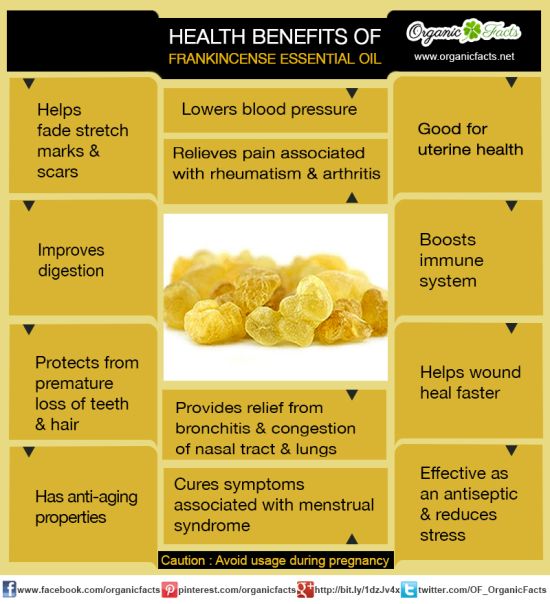
Read more about the myriad of health benefits, including treatment of cancer, by clicking on the above image.
Frankincense was one of the gifts the Three Magi brought to Yeshua, the King of Kings. Queens, Pharaohs, and wealthy people of long ago, enjoyed a youthful appearance along with better mood and enhanced brain function, thanks to their use of Frankincense. Queens love to be beautiful, that’s why many of them throughout history have used Frankincense as part of their skin beauty regime.
Aromatherapy Recipe: Skin Toner Spray
- Distilled water
- Vodka, Get a good one that states on the label, Distilled 5 (or more) times.That will help insure that there is no gluten in the alcohol.
- Frankincense essential oil
- Grapefruit Essential oil
Mix it all up. Then put it into a spray bottle.
Spray the elixir onto your skin and massage it in if you like. Enjoy the youthful aromatherapy scents.
Health Basics: How do food preservatives cause cancer? – NaturalNews.com
 (NaturalNews) The term food preservatives sounds quite positive, and if you don’t look any deeper than the surface, it’s a good thing. It means the food that’s packaged in boxes, bags, jars and cans has a longer shelf life, before mold, mildew, bacteria and fungi kick into high gear and start breaking down the food, changing it’s structure, color and, most of all, its nutritional value. But look deeper, into the science of “preservatives,” and you will find some quite ominous information, and you will forever see the term as something that can affect your life expectancy and lead to something that starts with the letter “c” from which one in every three people suffer.
The same “preservatives” that prolong the shelf life of food also shorten human life. How? Human cells need oxygen. Certain preservatives choke your mitochondria, depriving them of oxygen.
 Hālau 'Aha Hui Lānākila